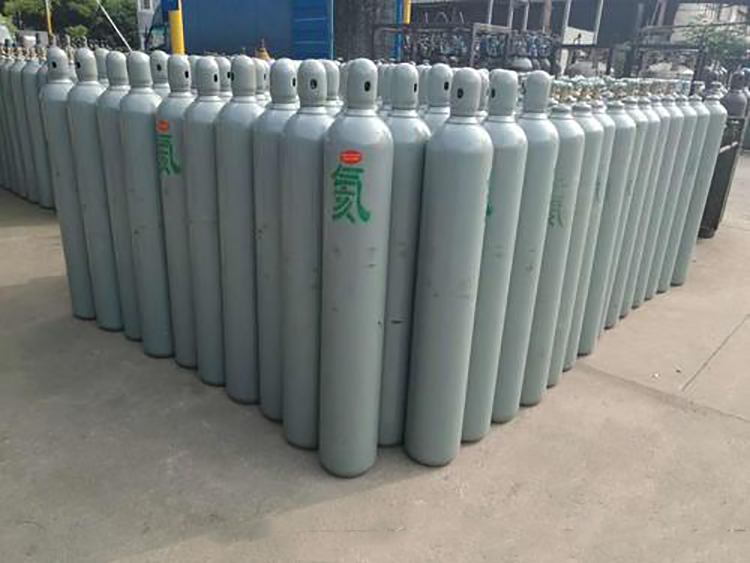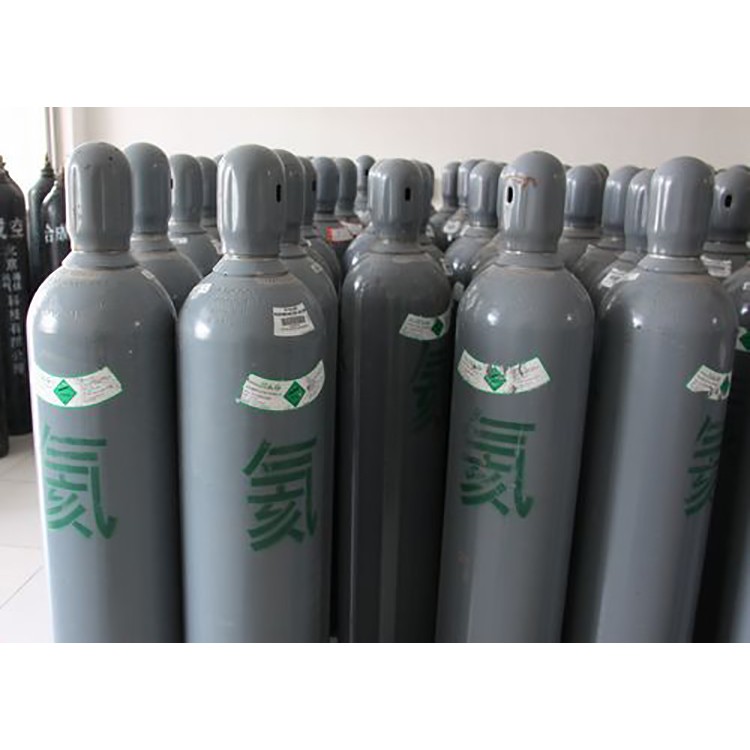

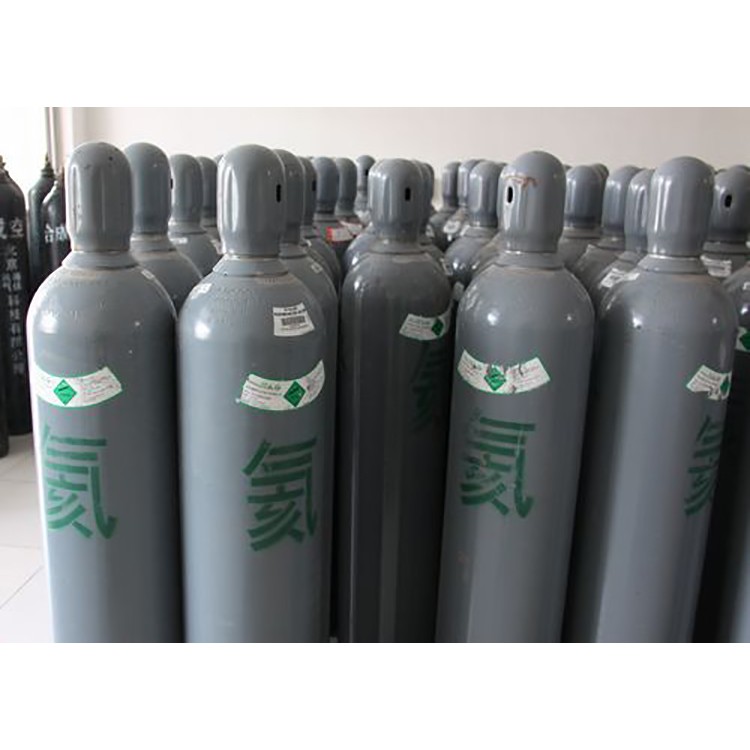


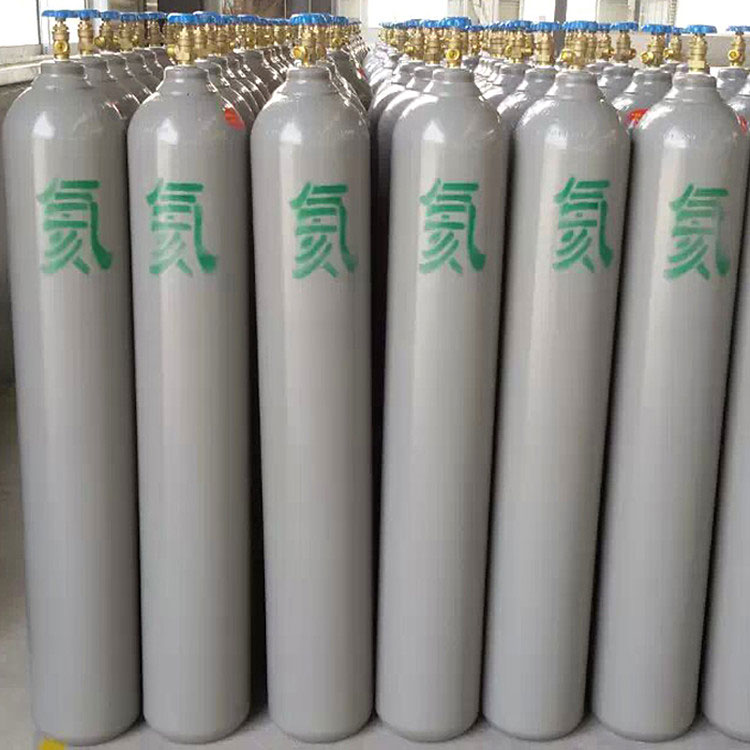
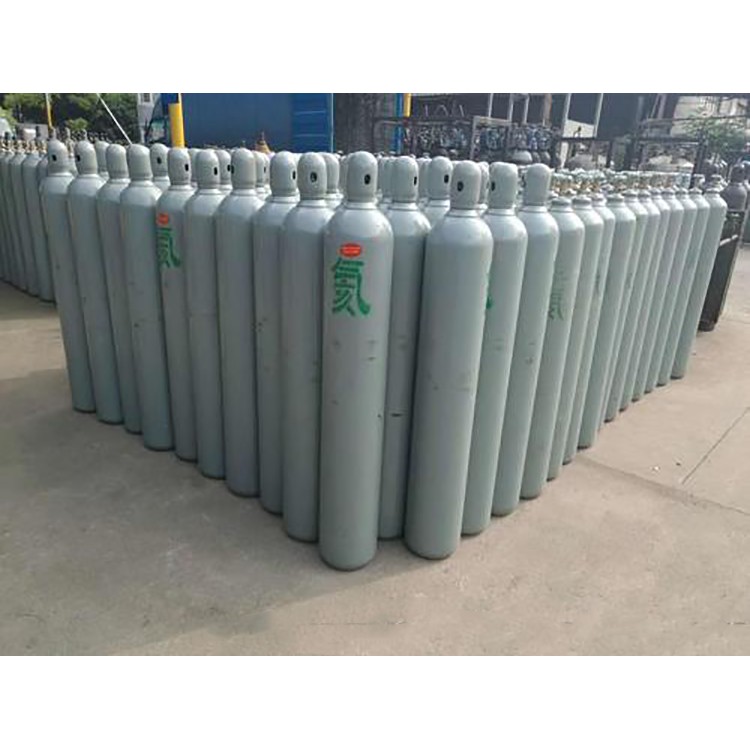
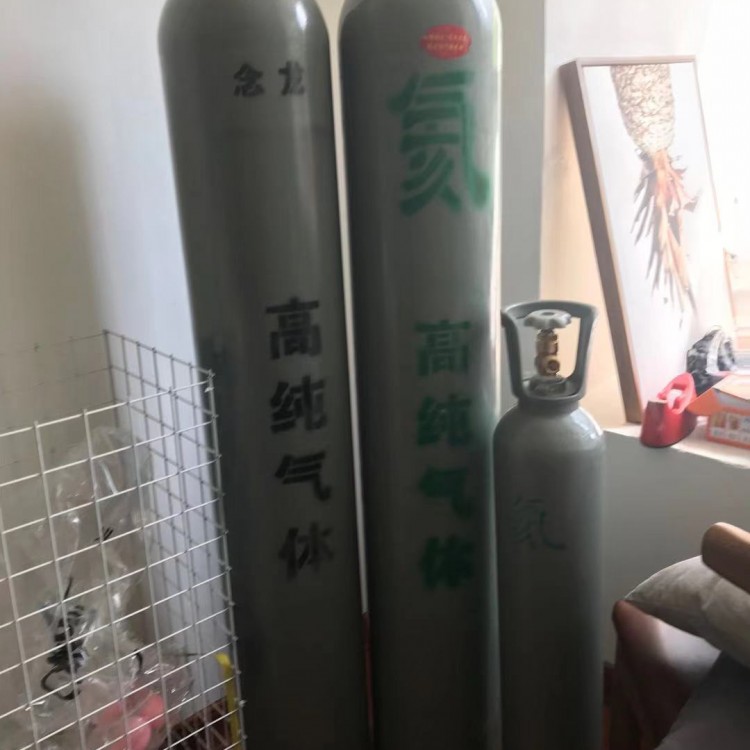





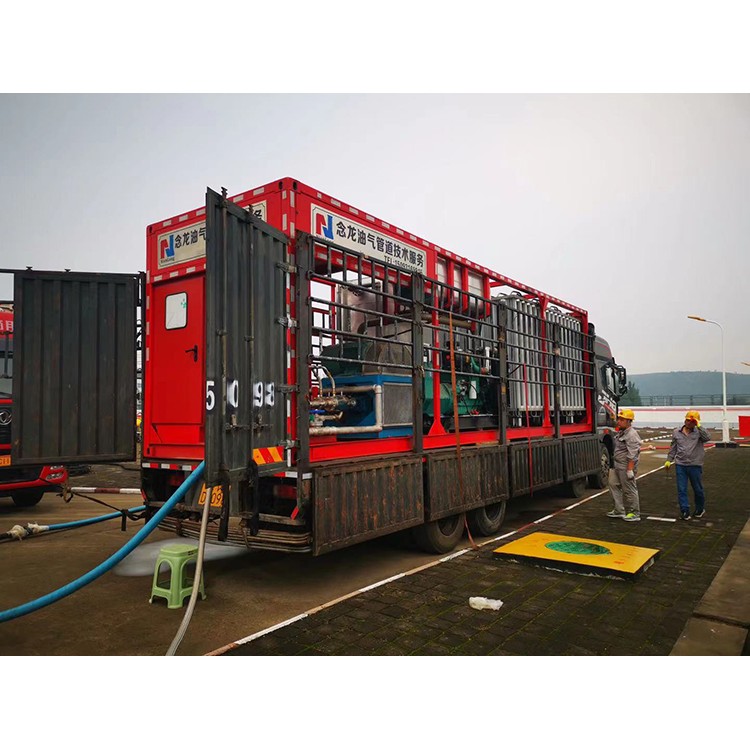
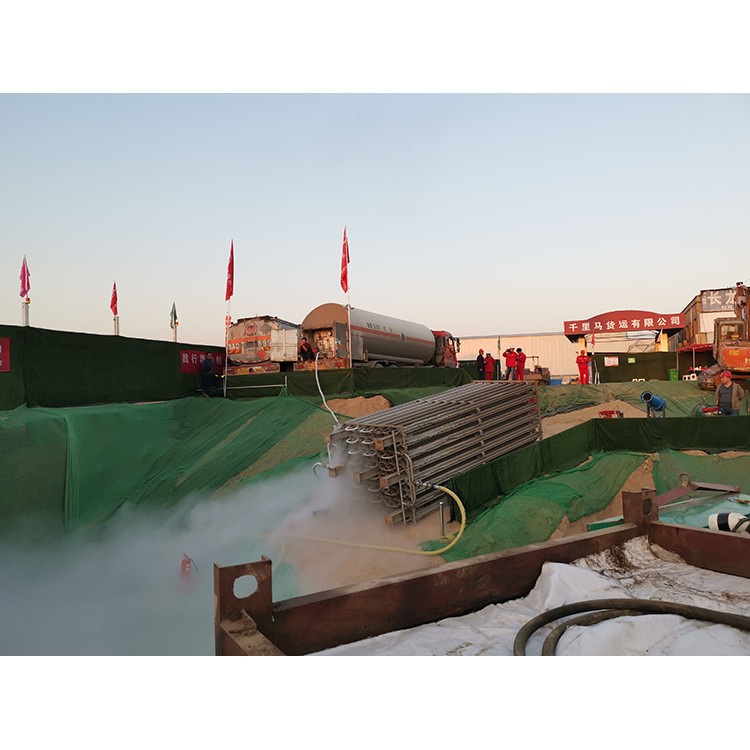
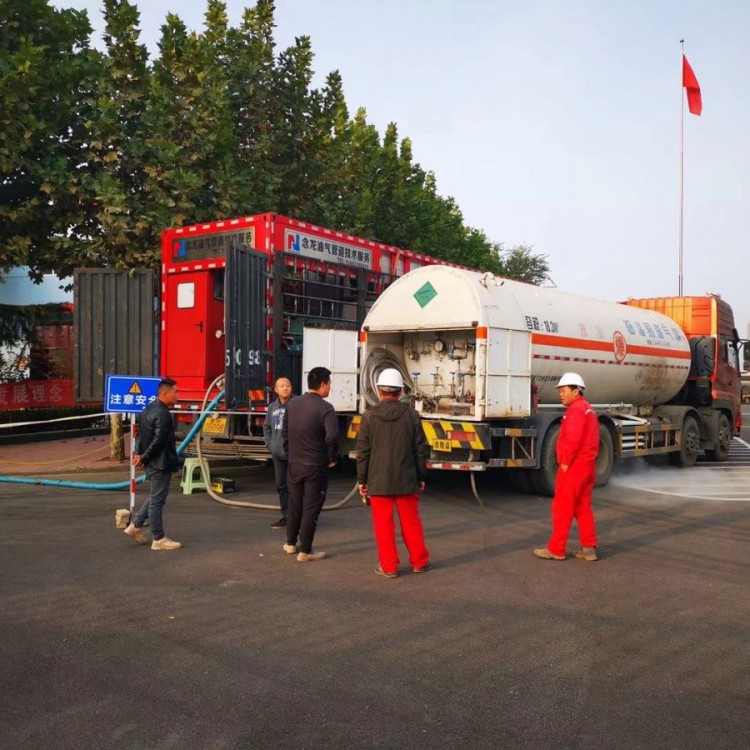
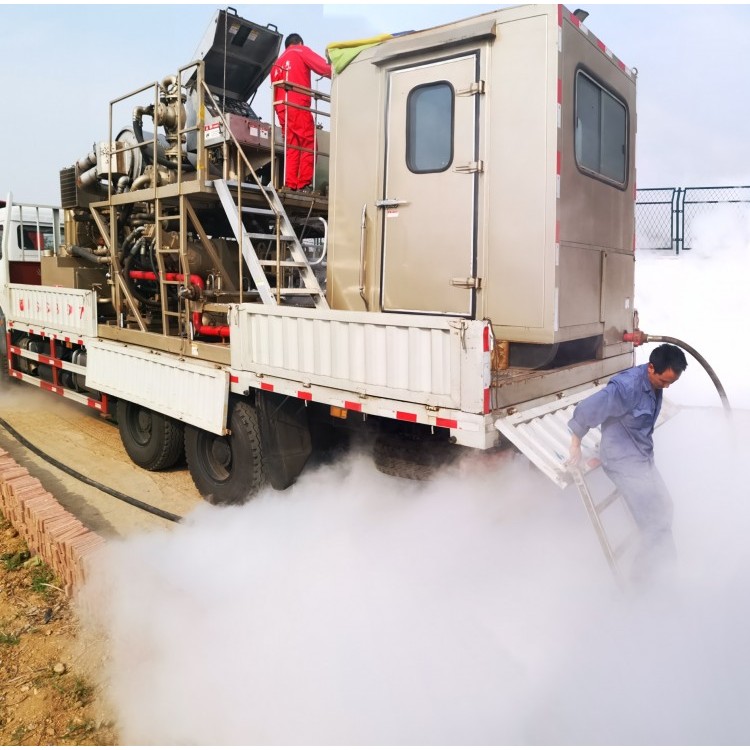
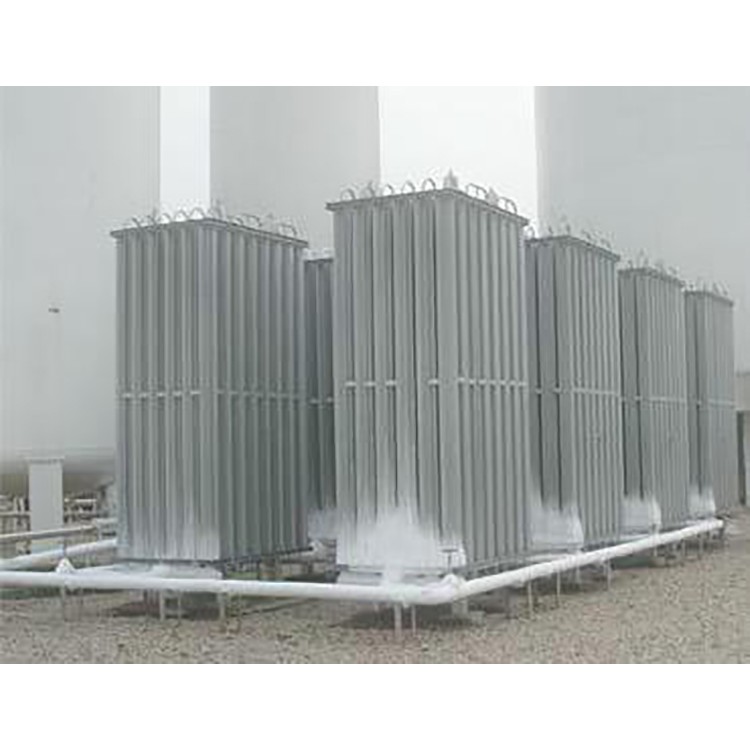
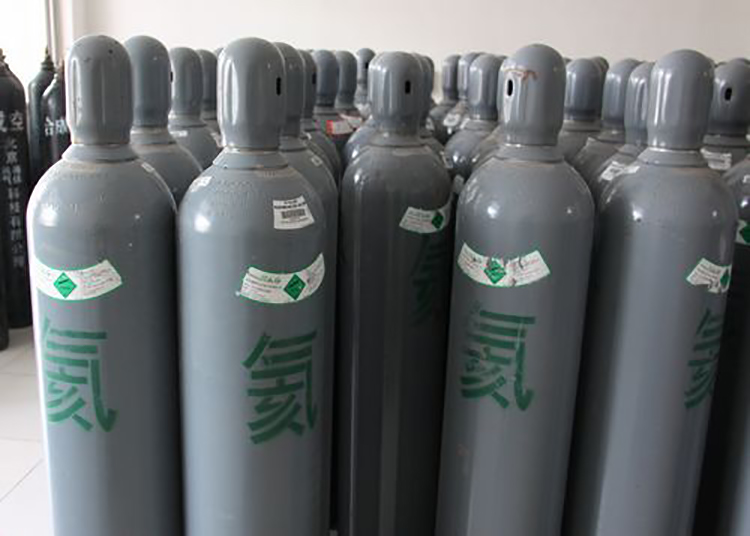
Industrial Helium2N~3N: Primarily used for leakage detection in Henan, filling balloons in Zhengzhou, helium airships, and manufacturers of flying boats.
Pure Helium4N): Used for: Henan Special Metal Welding, Zhengzhou Diving Breathing Equipment, and Special Metal Smelting Manufacturers.
Section 3: High Purity HeliumFor use in: Henan Standard Gas Preparation, Zhengzhou Low Temperature Superconductivity, Scientific Research, Laser Cutting, Chromatography Analysis Carrier Gas Standard Gas Manufacturer.
Helium Purity Edit
Industrial Helium
Project NameBenchmark
Total content of neon (hydrogen), oxygen (argon), nitrogen, methane% ≤ 1
Moisture Content, Dew Point℃ ≤ -43
Pure Helium
Project NameIndex
Premium QualityFirst Quality Goods Qualified Goods
Neon content.ppm ≤ 15 25 40
Hydrogen contentppm ≤ 3 5 7
Oxygen (Argon) contentppm ≤ 3 5 5
Nitrogen contentppm ≤ 10 17 25
Carbon Monoxideppm ≤ 1 1 1
Carbon Dioxideppm ≤ 1 1 1
Methane contentppm ≤ 1 1 1
Moisture contentppm ≤ 10 15 20
5 Uses Editing
Leverage its-268.9°C low boiling point, liquid helium is used for ultra-low temperature cooling. It is indispensable in superconductor applications that have gained widespread attention in fields such as maglev trains. Additionally, due to its inert chemical properties and lighter-than-air nature, helium is commonly used as filling gas in spacecraft or advertising balloons, a use that is well-known. Helium is widely applied in the field of marine development, in breathing mixtures for diving and in the cooling of superconducting electromagnets for nuclear magnetic resonance imaging equipment: in scientific research, petrochemicals, refrigeration, semiconductors, pipeline leak detection, superconducting experiments, metal manufacturing, deep-sea diving, high-precision welding, and the production of optoelectronic products. It can be used as a low-temperature cold source and in superconducting technology. It can also serve as a leak detector for high-vacuum devices, nuclear reactors, spacecraft, and as a protective gas for welding magnesium, zirconium, aluminum, titanium, and other metals. It is used as a pressurized gas for transporting liquid hydrogen, liquid oxygen, and other liquid propellants in rockets and spacecraft. It also serves as a cleaning agent for nuclear reactors, a carrier gas for gas chromatography analysis, for inflating balloons, as a protective gas for arc welding, as a mixed gas for diving, and as a filling gas for gas thermometers. Moreover, due to its good permeability and non-flammability, helium is applied in the vacuum leak detection industry, such as helium mass spectrometry leak detectors.
Safety Precautions Editor
1. Pressure is typically 15MPa, and it should be reduced using a regulator like YQY-12 or 152IN-125 before use. Before operation, check for leaks in the gas pipeline with soap water to ensure there are no gas leaks.
2. Ensure helium is not leaking and that the work area is well-ventilated. As helium levels increase and oxygen content falls below 19.5%, patients may first exhibit increased breathing rate, lack of concentration, and ataxia. This is followed by fatigue, restlessness, nausea, vomiting, coma, convulsions, and ultimately death.
3. When a helium cylinder is nearing empty, the remaining pressure inside should be maintained at 0.5 MPa, with a minimum of 0.25 MPa. The cylinder valve should be closed to ensure gas quality and safety during use.
4. Bottled helium should be classified and stacked during transportation, storage, and use, and must be kept away from open flames and heat sources. It should be handled with care to avoid fire, oil, wax, direct sunlight, heavy drops, and impacts. It is strictly prohibited to arc or spark on the gas cylinder. Rough handling and loading/unloading are forbidden. For short-distance movement of helium cylinders, a hand truck should be used. For long-distance transport, a hazardous materials vehicle is required. The temperature of liquid helium is -268.9°C, and contact with the skin can cause severe frostbite. [3]
5. The storage cylinders for helium are used and inspected in accordance with the "Gas Cylinder Safety Supervision Regulations" of the National Quality and Technical Supervision Administration. The filling pressure of the gas cylinders must not exceed the specified pressure. The safety helmet should always be worn to protect the valve. Gas cylinders should be inspected every three years (with exceptions for special circumstances) for external inspection and hydrostatic testing. Use can only continue after passing the test, and inspections are conducted at the filling facility.