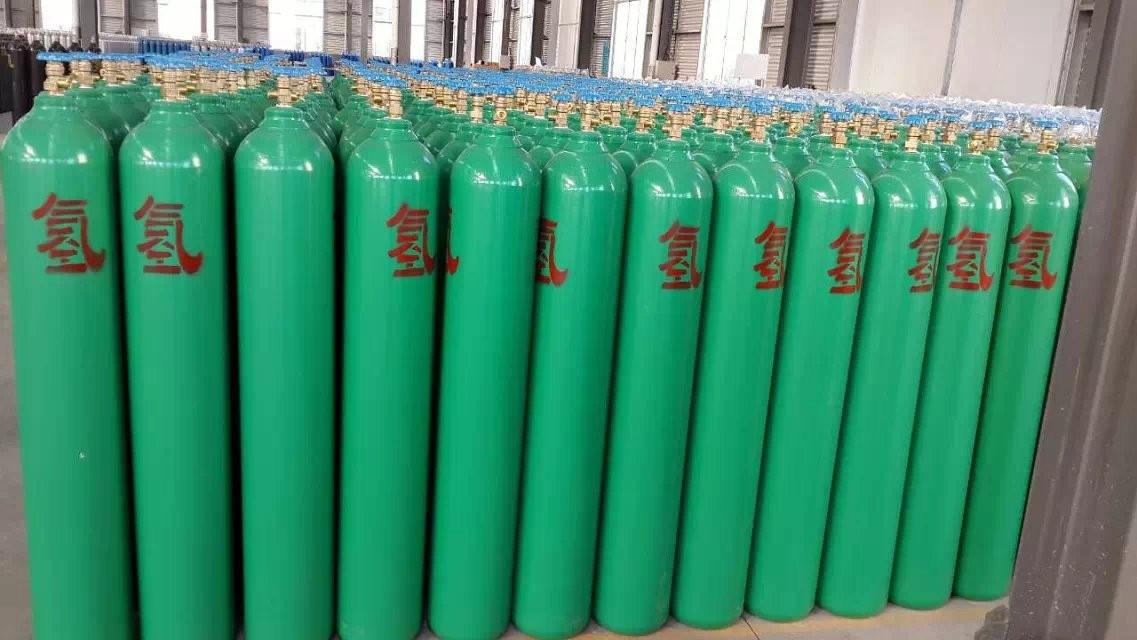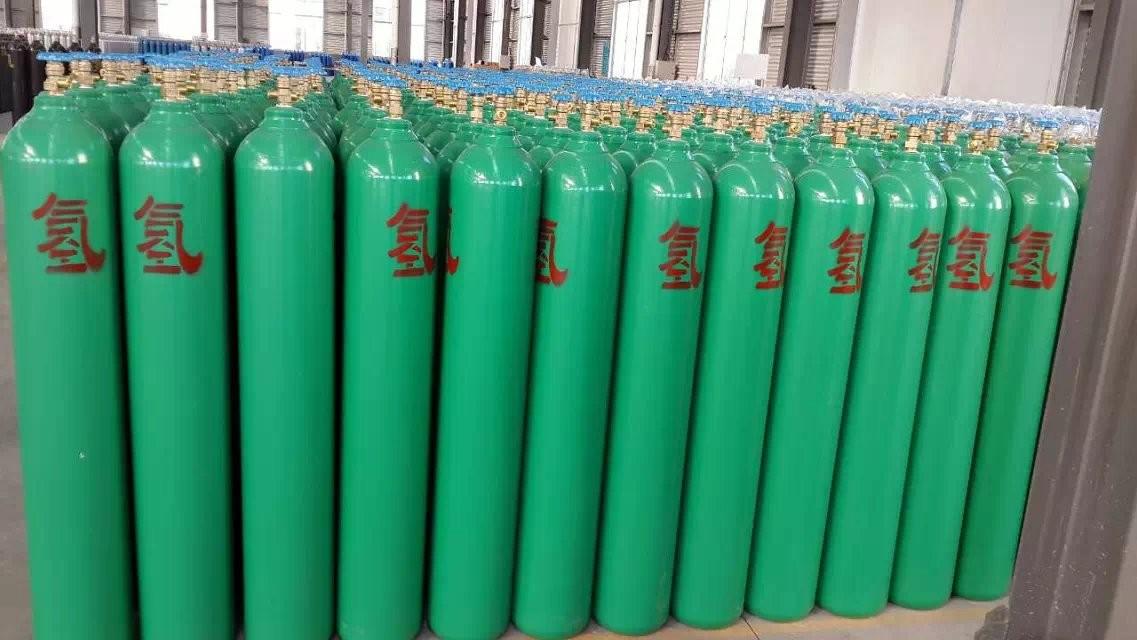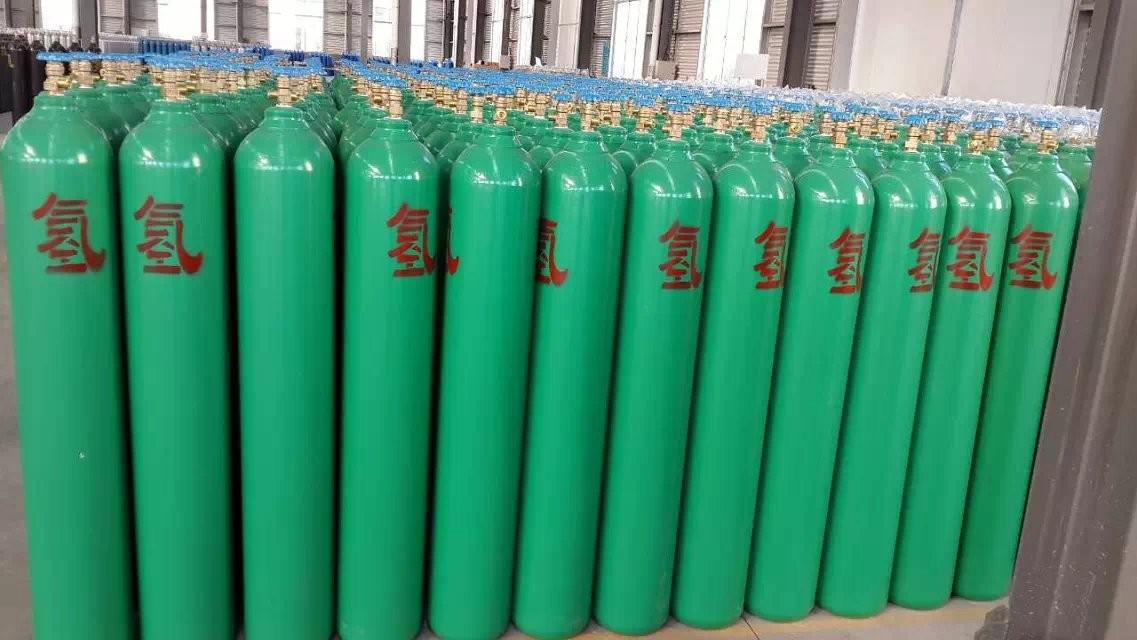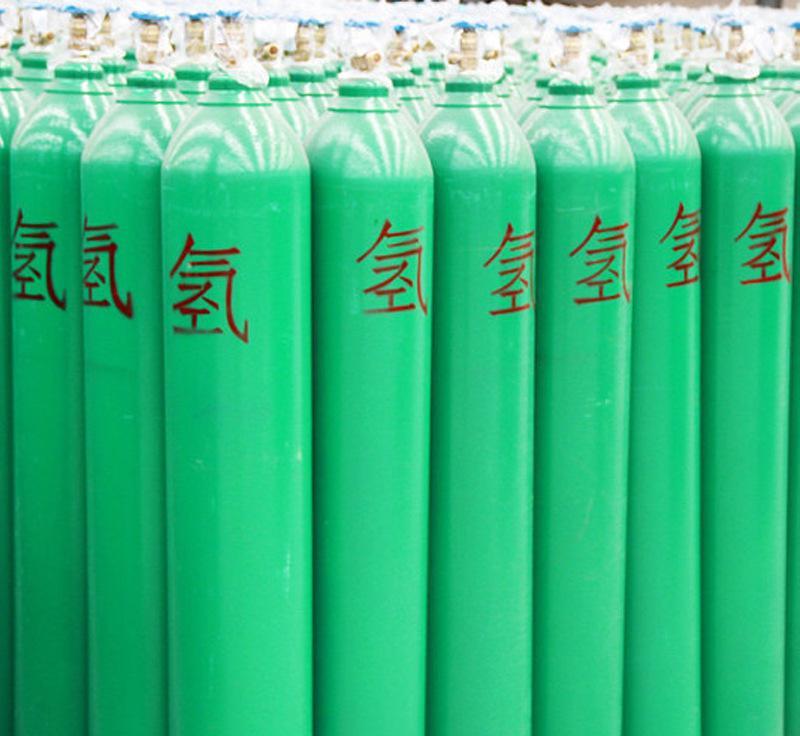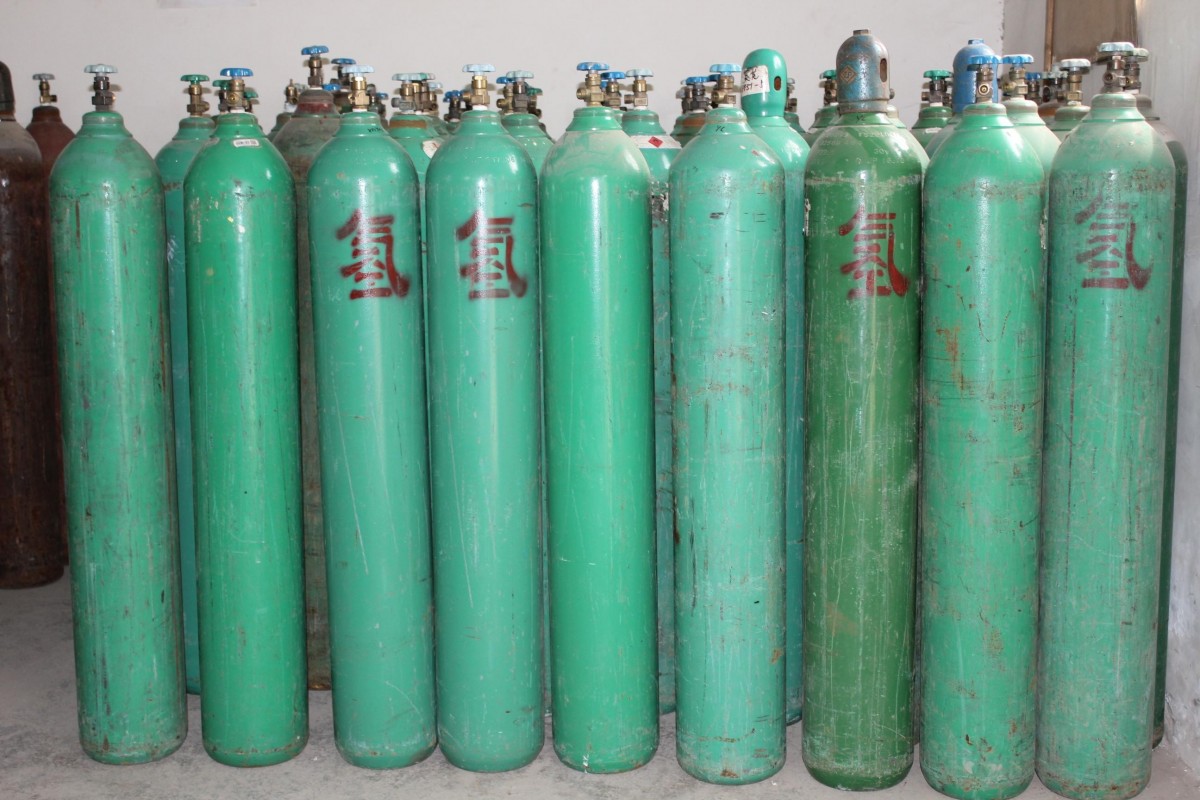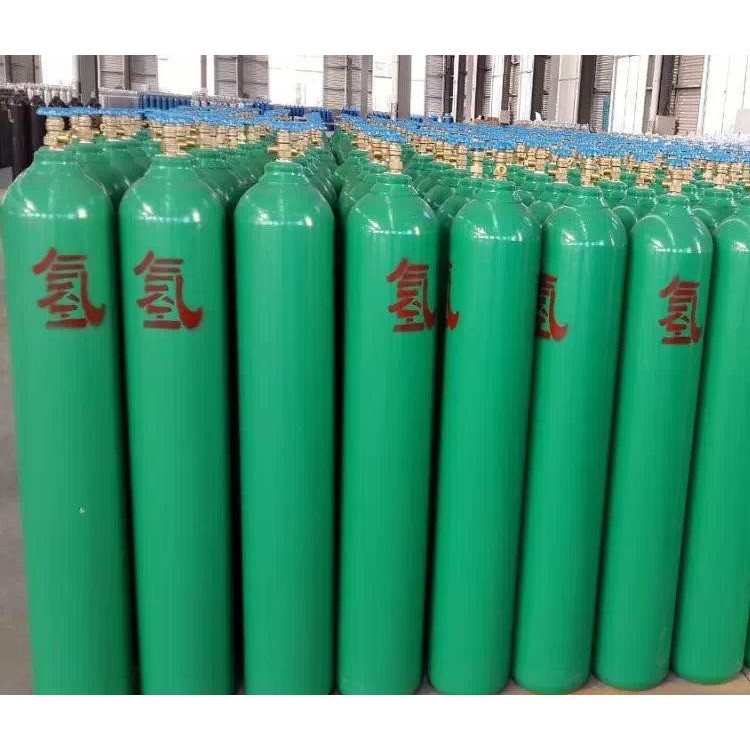

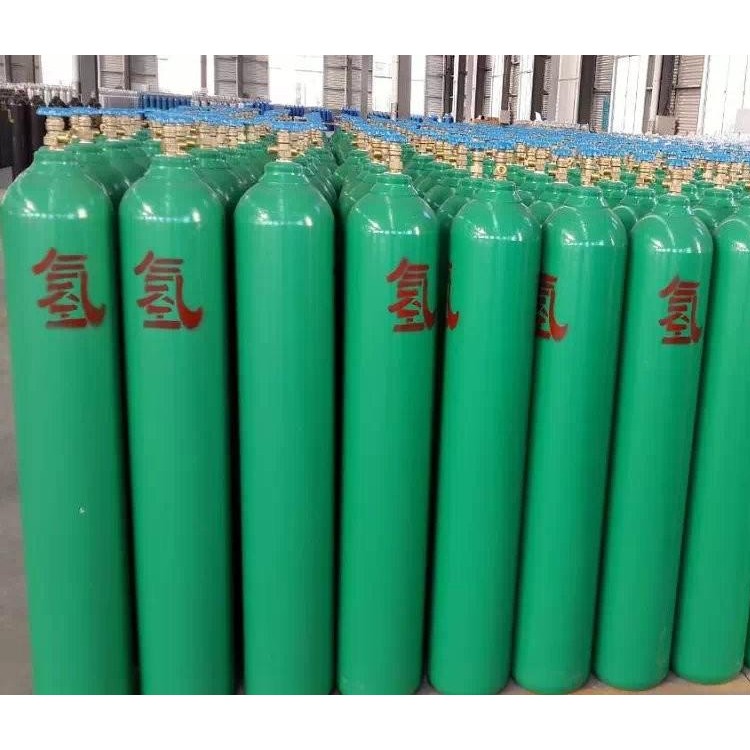
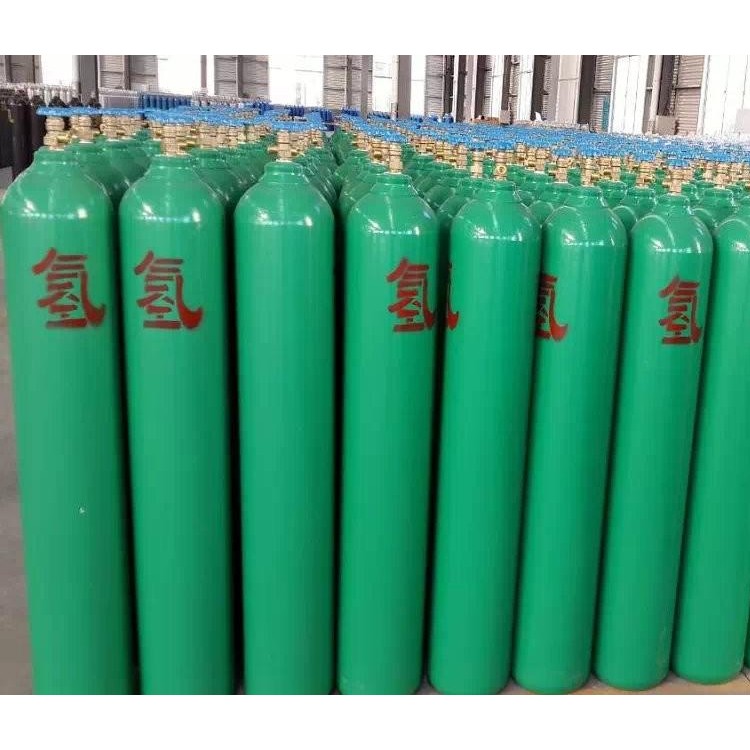
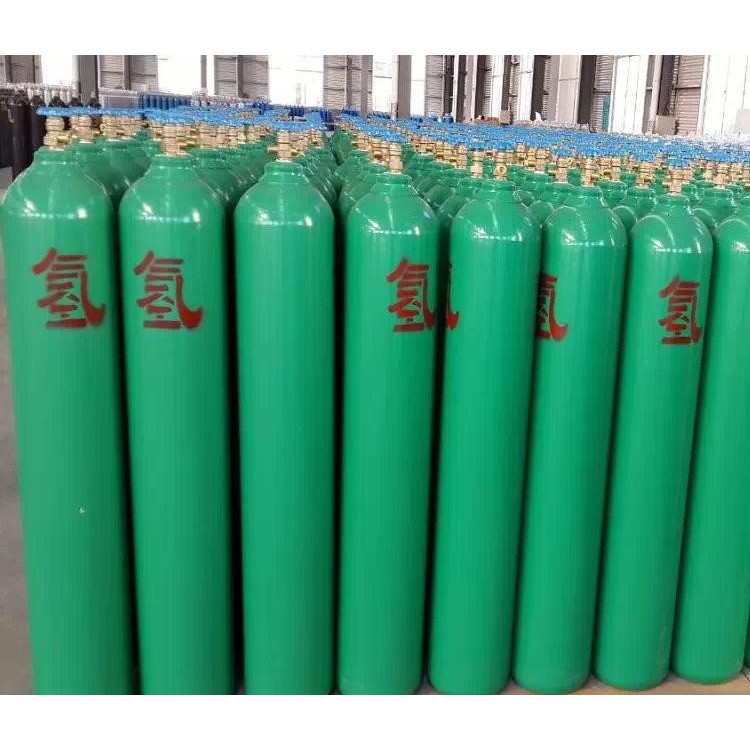


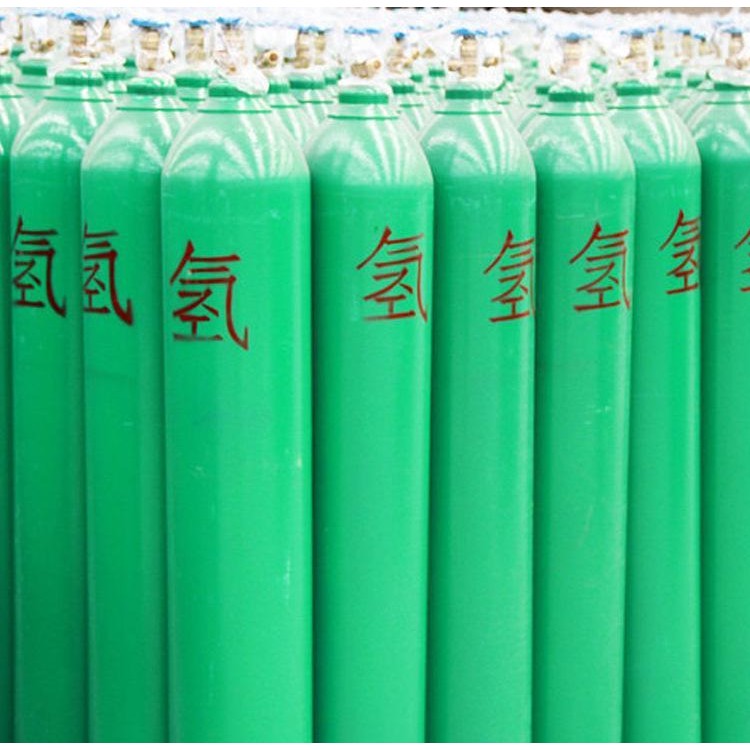
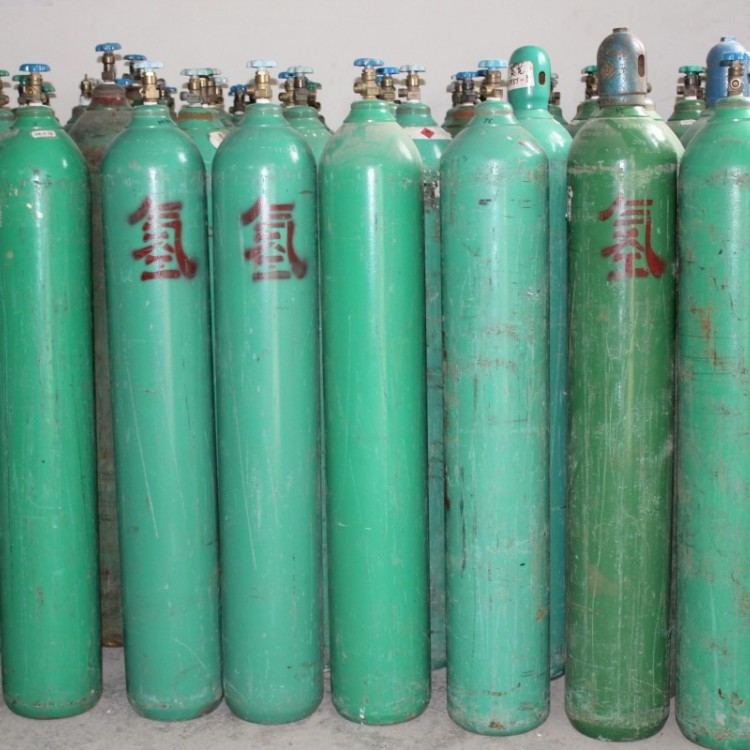





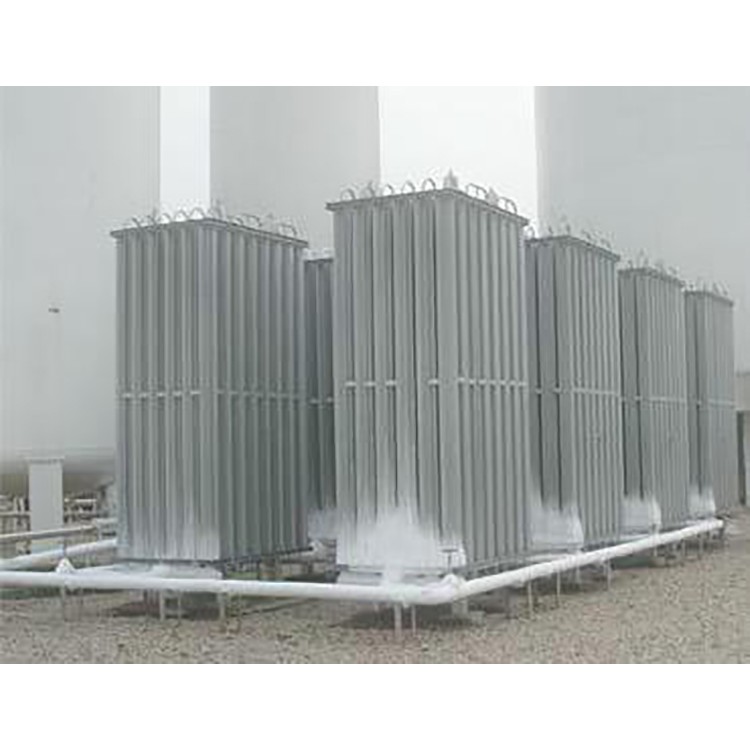
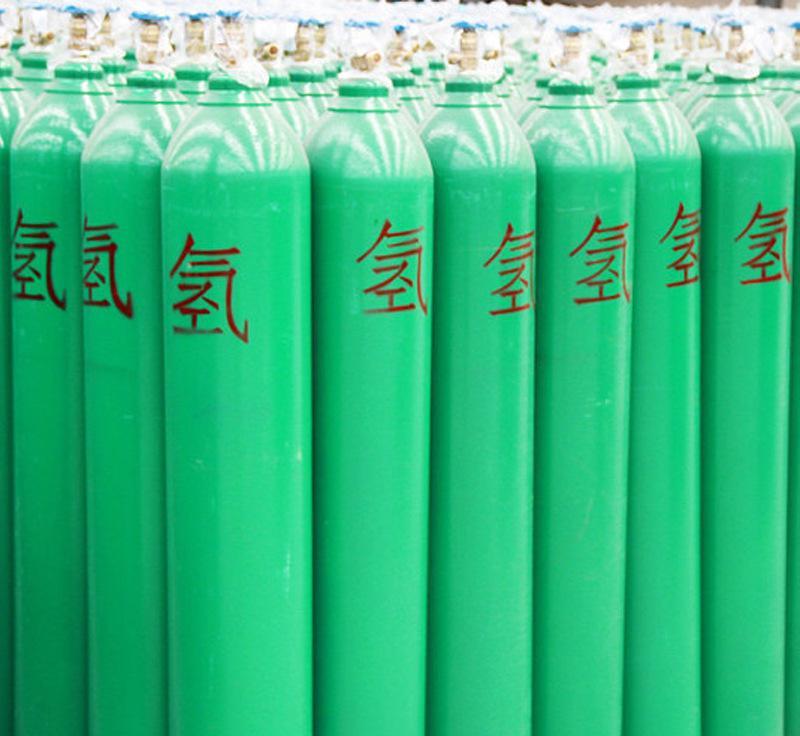
Hydrogen is one of the least dense gases known in the world, with a density only about one-seventh that of air.1/14, i.e.0 At 0°C and under standard atmospheric pressure, the density of hydrogen is0.0899 g/LHydrogen can be used as a filling gas for airships and balloons (due to its flammability, it is not very safe, and airships now mostly use helium for filling). Hydrogen is primarily used as a reducing agent.
Hydrogen is used above for diseases.
Basic Introduction Edit
Introduction
Chinese Name:Hydrogen
No Chinese content provided.:Pure hydrogen;Liquid Hydrogen;High-purity hydrogen;Compressed Hydrogen
Product Name:Hydrogen
English Alias:-Compressed hydrogen; molecular hydrogen
CAS:133-74-0
EINECS:215-605-7
Chemical Formula:H2
Molecular Weight:2.0157
Hydrogen production involves the electrolysis of water to generate hydrogen and oxygen gases.
Safety Protection
Deuterium is non-toxic and asphyxiating.
Hydrogen is highly flammable and explosive; if there's a loud bang during combustion, it indicates impurities in the hydrogen; an explosion may occur.
So, this requires sufficient attention. See hydrogen for more.
Flammability
Henan hydrogen is a flammable gas, accounting for a volume fraction in the air of4%Please provide the Chinese content to be translated.75%Hydrogen can burn at any time. The enthalpy change of hydrogen combustion is -286 kJ/molManufacturer produces:
2 H2(g) + O2(g) → 2 H2O(l); ΔH = -572 kJ/mol
Zhengzhou hydrogen supply4%Please provide the Chinese content to be translated.74%Mixed with air or occupy5%Please provide the Chinese content to be translated.95%A gas that is explosive when mixed with chlorine at certain concentrations; it is easily ignited by heat, sunlight, or sparks. The ignition point of hydrogen is500 °CPure hydrogen and oxygen mixture emits ultraviolet light when burned.
Because hydrogen is lighter than air, its flame tends to rise quickly, thus its harm is less than that of hydrocarbon combustion. Hydrogen reacts with all elemental oxidizing agents. Hydrogen spontaneously reacts with chlorine (under light) at room temperature. Hydrogen and fluorine gases can explode when mixed in the dark and cold, producing potentially hazardous hydrochloric or hydrofluoric acids.
Emergency Response for Hydrogen Fire
Evacuate personnel from the leak-contaminated area to upwind locations and isolate them, strictly controlling entry and exit. Cut off the fire source. It is recommended that emergency personnel wear self-contained positive-pressure breathing apparatus and fire-resistant protective clothing. Attempt to cut off the source of the leak. Ventilate properly to accelerate dispersion. If possible, use exhaust fans to send the escaping gas to an open area or install appropriate nozzles to burn it off. Handle the leaking container properly, repair and inspect it before reuse. Firefighting method: cut off the gas source. If the gas source cannot be immediately cut off, do not extinguish the burning gas. Cool the container with water spray and, if possible, move the container away from the fire to an open area. Fire extinguishing agents: misty water, foam, carbon dioxide, dry powder.
Industrial Use
1.Hydrogen is a primary industrial raw material and a significant industrial gas and special gas in Zhengzhou, Henan. It has wide applications in petrochemicals, electronics, metallurgy, food processing, float glass, fine organic synthesis, aerospace, and more. Additionally, hydrogen is an ideal secondary energy source (secondary energy refers to energy that must be produced from a primary energy source like solar or coal). Generally, hydrogen combines with oxygen. This characteristic makes it a natural reducing agent used in processes to prevent oxidation. In the high-temperature processing of glass manufacturing and the production of electronic microchips, hydrogen is added to nitrogen-protected gas to remove residual oxygen. In the petrochemical industry, hydrogen is added to refine crude oil through desulfurization and hydrotreating cracking. Another important use of hydrogen is in the hydrogenation of fats in products like margarine, cooking oils, shampoos, lubricants, household cleaners, and others. Due to its high fuel properties, the aerospace industry uses liquid hydrogen as fuel.
2.Raw materials for synthetic ammonia, synthetic methanol, synthetic hydrochloric acid, metallurgical reducing agents, hydrogenation desulfurization agents in petroleum refining, etc.
Important Notes
Hydrogen is a colorless, odorless, non-toxic, flammable and explosive gas. It poses an explosive risk when mixed with fluorine, chlorine, oxygen, carbon monoxide, and air. Among these, a mixture of hydrogen and fluorine can spontaneously explode at low temperatures and in darkness. The mixture with chlorine is explosive in a certain volume ratio.1:1At certain temperatures, hydrogen can explode even in the presence of light. Due to its colorless and odorless nature, hydrogen's flame is transparent upon combustion, making its presence difficult to detect by the senses. In many cases, ethanethiol, a foul-smelling compound, is added to hydrogen to make it detectable by smell and to color the flame at the same time.
Hydrogen is non-toxic and inert in physiological terms, but an increase in its concentration in the air can lead to asphyxiation due to oxygen deficiency. Like all cryogenic liquids, direct contact with liquid hydrogen can cause frostbite. A spill of liquid hydrogen and its sudden, widespread evaporation can also cause environmental oxygen deficiency and may form explosive mixtures with air, potentially leading to combustion and explosion incidents. Mixtures with air can be explosive and will ignite upon contact with heat or open flame. Being lighter than air, hydrogen gas can accumulate and remain trapped in the ceiling of indoor spaces upon leakage, posing an explosion risk when ignited by a spark. Hydrogen reacts violently with halogens such as fluorine, chlorine, and bromine.
Hydrogen gas, being a flammable compressed gas, should be stored in a cool, well-ventilated storeroom. The temperature inside the storeroom should not exceed30Keep away from fire and heat sources. Protect from direct sunlight. Store separately from oxygen, compressed air, halogens (fluorine, chlorine, bromine), and oxidizers. Avoid mixing storage and transportation. Lighting and ventilation facilities in the storage room should be explosion-proof, with switches located outside the warehouse, and equipped with the appropriate types and quantities of firefighting equipment. Prohibit the use of machinery and tools that can produce sparks. During inspection, pay attention to the product name and the bottle inspection date, using the earliest incoming first. Handle with care to prevent damage to cylinders and accessories.
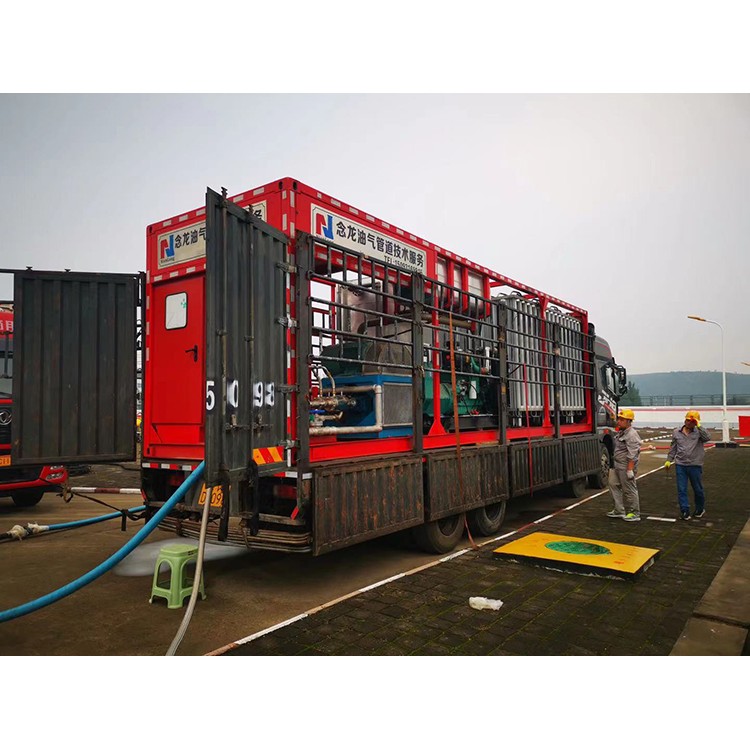
Product Brand:Nianlong
Packaging:Steel Cylinder
Specification:40L
Material:Official