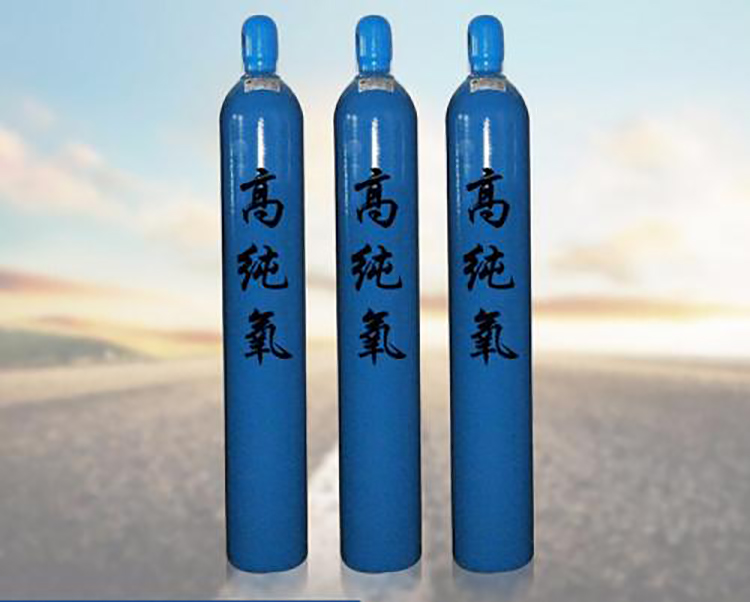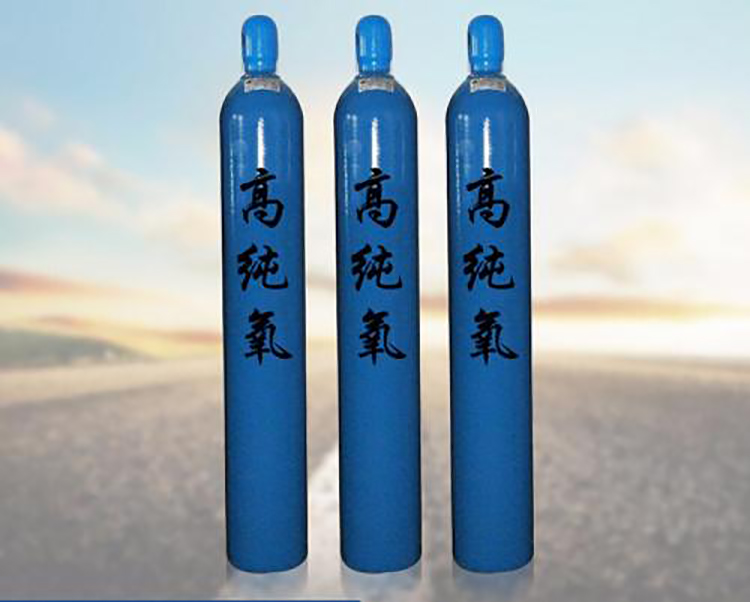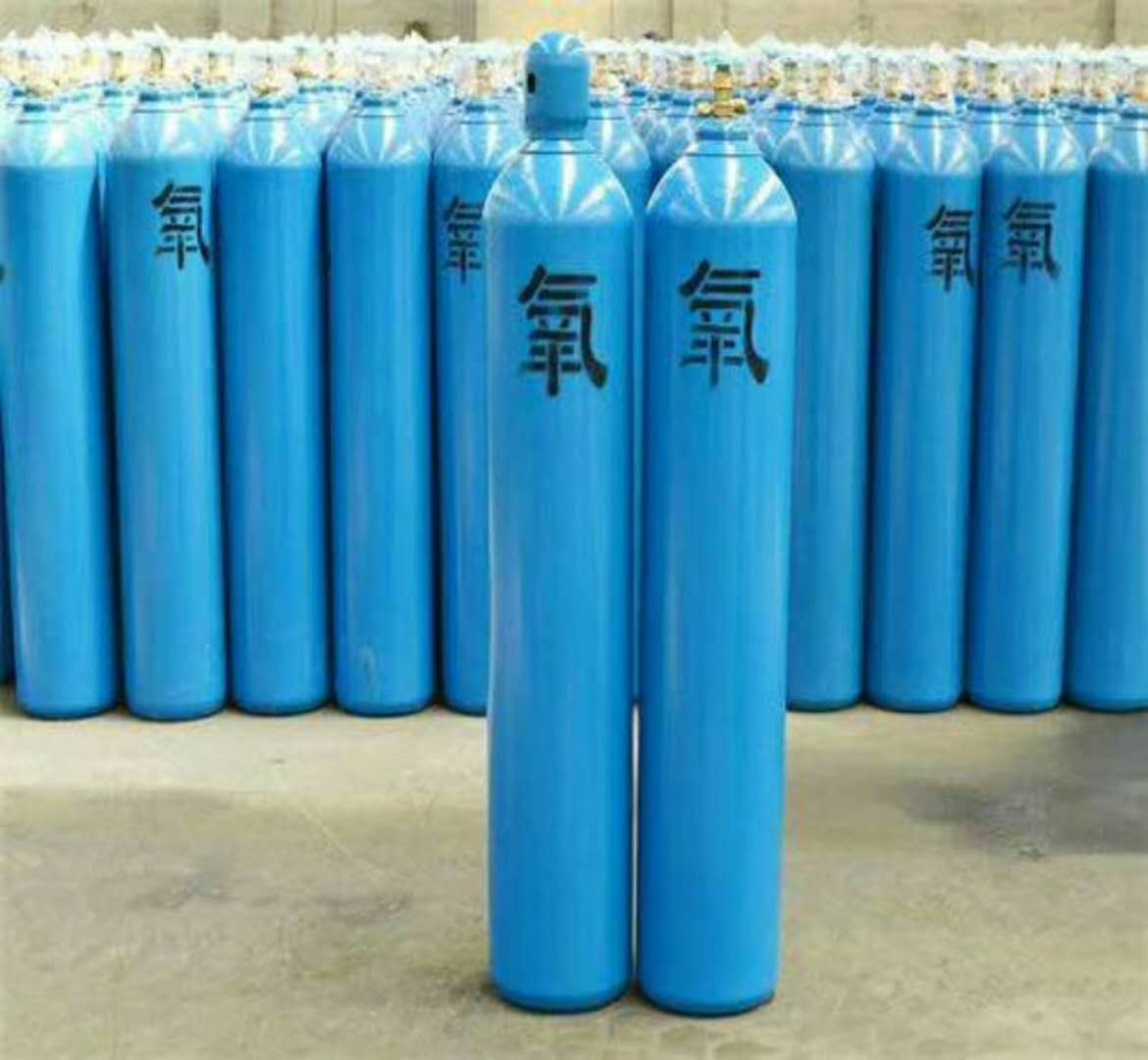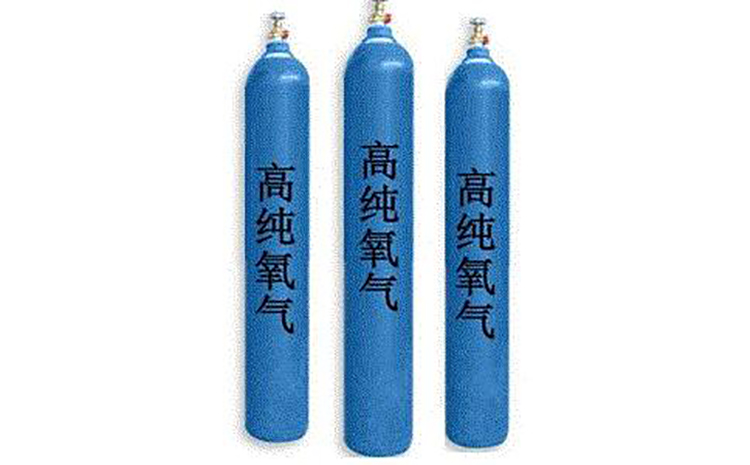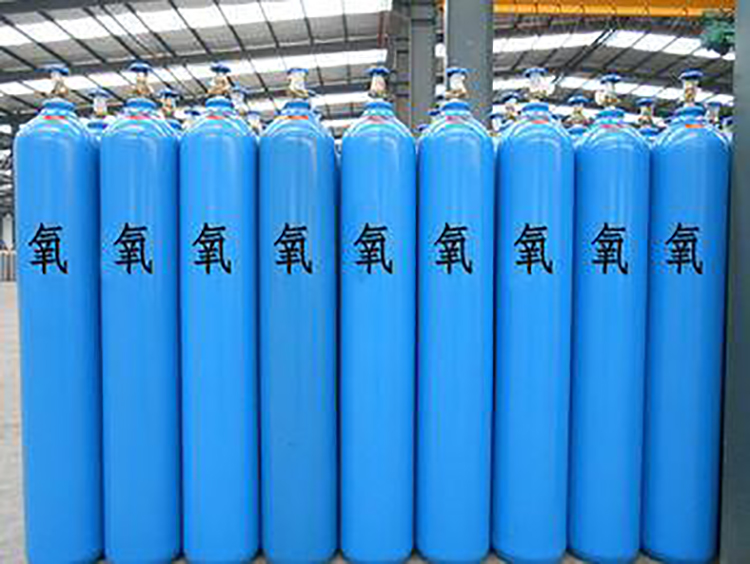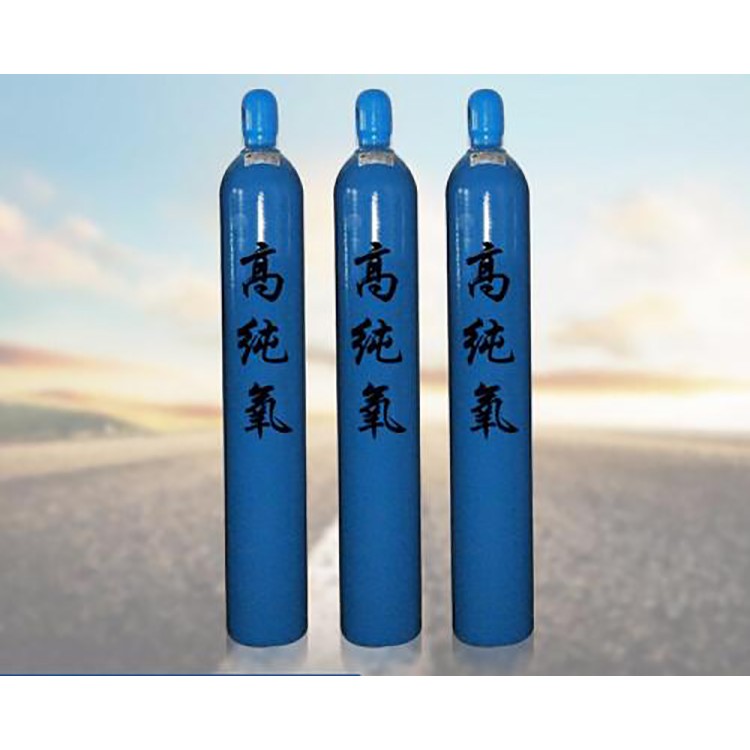


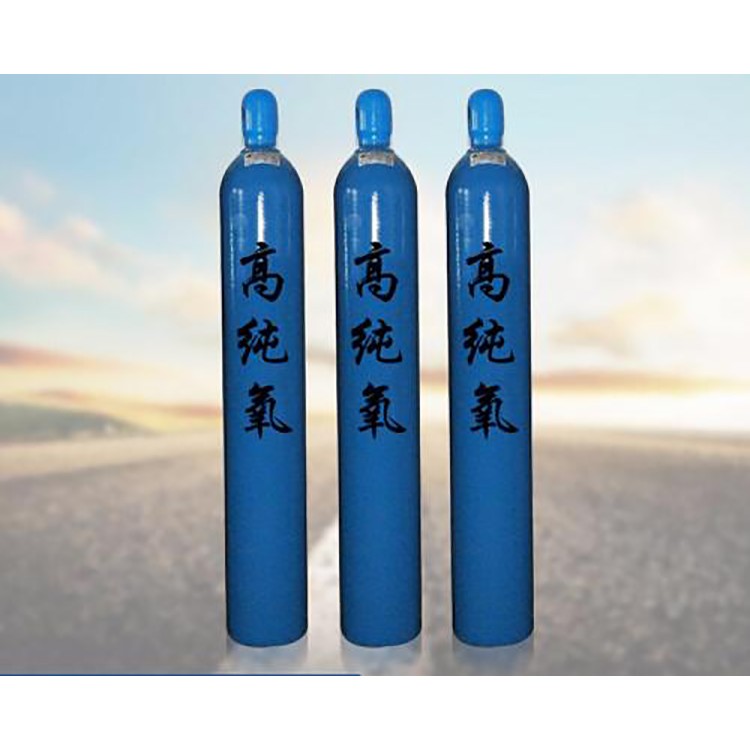


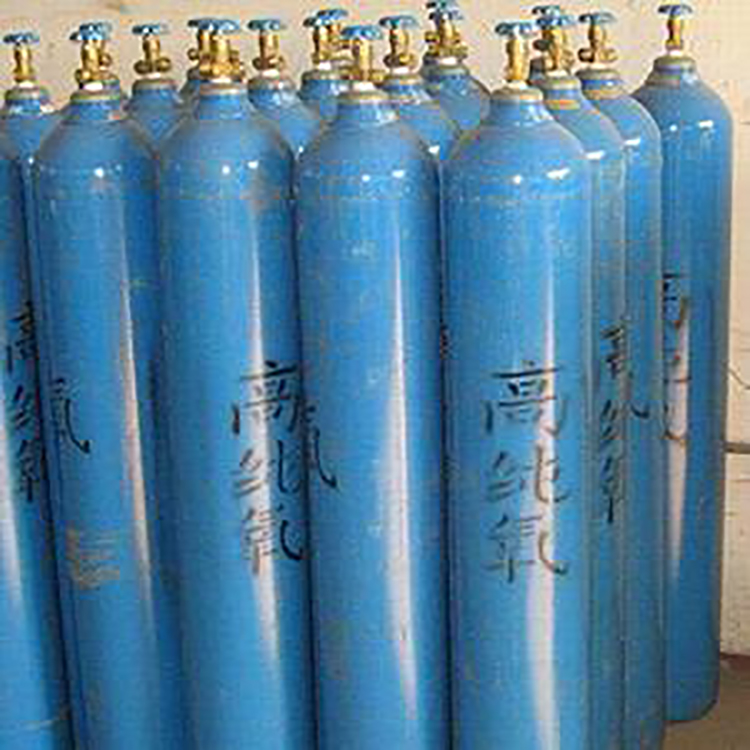
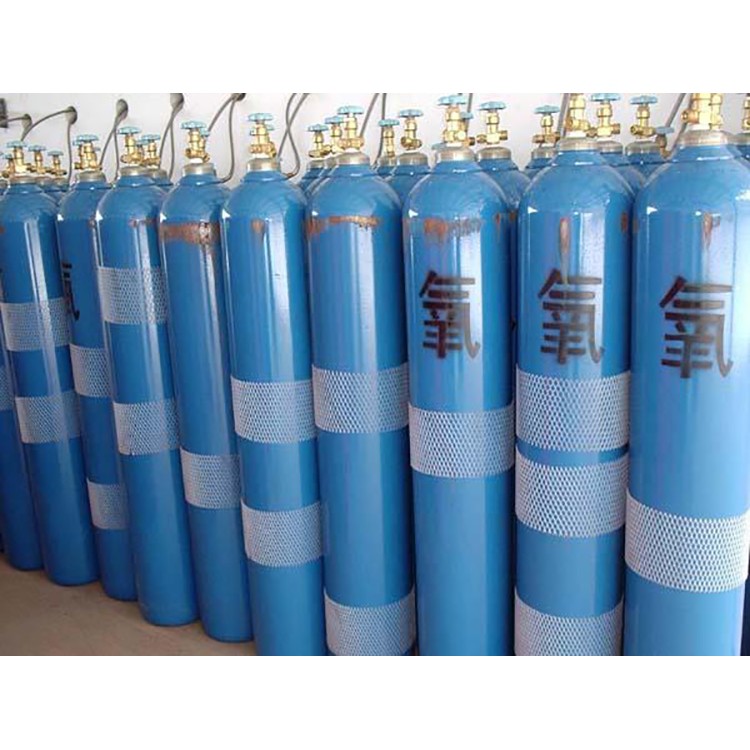
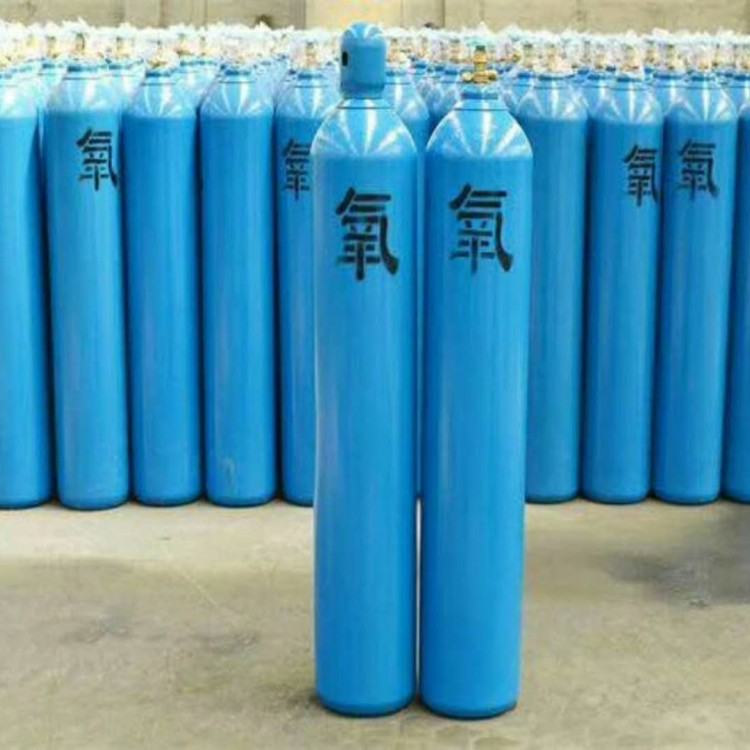





High-purity oxygen
Editor
Table of Contents
1 Physical Properties
2 Chemical Properties
Method of Preparation and Applications
4 Oxygen Purity
5 Points to Note
1 Physical Properties Edit
high purity oxygen
Molecular Formula: O2
Dust (φ≥0.5μm) ≤3.5 particles/L, impurity content N2 ≤10 cm3/m3, Ar ≤5 cm3/m3, H2O ≤1 cm3/m3, CO2 ≤0.5 cm3/m3. Colorless, odorless, tasteless gas. Oxygen is non-flammable but supports combustion. Relative density ds (21.1°C, air=1) 1.105. Gas density 1.326 kg/m3 (21.1°C, 101.3 kPa); liquid density 1141 kg/m3 (-182.96°C). Boiling point -182.96°C. Melting point -218.78°C. [1]
2 Chemical Properties Edit
Ring-shaped and chain-shaped structural elements can react with oxygen, these reactions are called oxidation reactions, and the compounds produced by these reactions (comprising two elements, one of which is oxygen) are known as oxides. Generally, the aqueous solutions of nonmetal oxides are acidic, while those of alkalimetal or alkaline earth metal oxides are alkaline. Moreover, almost all organic compounds can burn vigorously in oxygen to produce carbon dioxide and water. Chemically, the reaction of substances with oxygen is defined as an oxidation reaction, while oxidation-reduction reactions refer to reactions involving electron transfer or shift. [1]
Method of Preparation and Applications
Method of Preparation
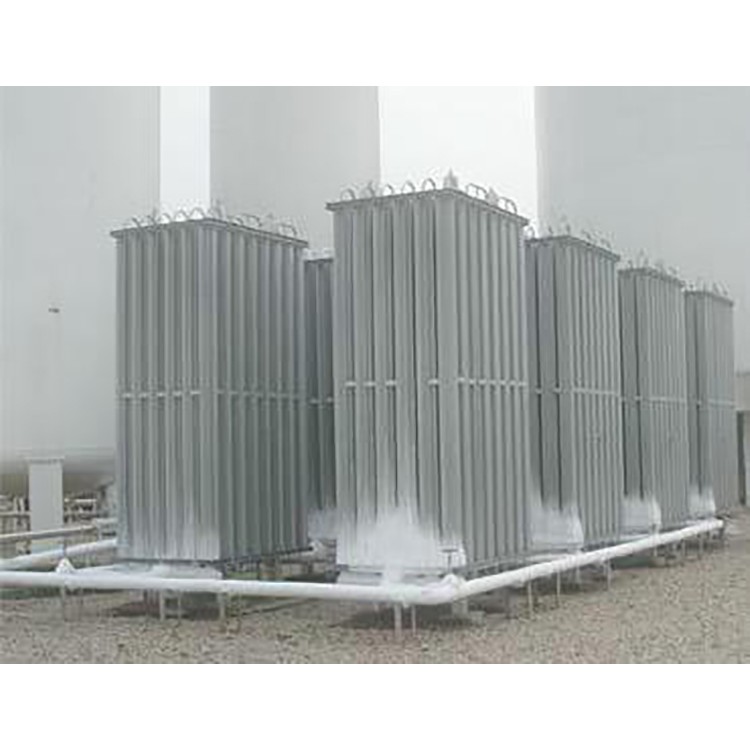
Most oxygen is produced by air separation, which involves liquefying air and then purifying it through distillation. The cryogenic complete distillation method can also be employed. Other purification techniques include pressure swing adsorption and membrane separation. [2]
Applicable
High-purity oxygen is used in chemical vapor deposition of silicon dioxide; as a reagent for producing high-purity water; dry oxidation; and mixed with carbon tetrafluoride for plasma etching. Oxygen's primary uses stem from its ability to sustain life and its flame-supporting properties; it is widely employed in the metallurgical industry. It can also be used for water treatment. All oxidation reactions and combustion processes require oxygen, such as removing sulfur and phosphorus impurities during steelmaking, where a mixture of oxygen and acetylene burns at temperatures up to 3500°C, used for welding and cutting steel. Oxygen is needed in glass manufacturing, cement production, mineral roasting, and hydrocarbon processing. Liquid oxygen is also used as rocket fuel, being more cost-effective than other fuels. [2]
4 Oxygen Purity Editing
Pure Oxygen, High Purity Oxygen, Ultra Pure Oxygen (GB/T14599-2008)
Project Name Criteria
Ultra-Pure Oxygen, High-Purity Oxygen, Pure Oxygen
Volume fraction of hydrogen (H2): ≤ 0.1, 0.5, 1
Argon (Ar) volume fraction ≤ 0.2%
Nitrogen (N2) volume fraction/10 ≤ 0.1 5 20
Total Hydrocarbon Content (based on methane) /10 ≤ 0.1 0.5 2
Carbon Dioxide Content/10 ≤ 0.1 0.5 1
Moisture/10 ≤ 0.5 2 3
Note: Purity and content in the table are expressed as volume/volume percentages (V/V).
5 Key Points
1) Carefully inspect the spherical part of the cylinder shoulder for markings before use. Pay special attention to the "Next Pressure Test Date." And regularly conduct technical inspections of the cylinder as required during use. Do not use cylinders beyond the due inspection period.
2) When in use, first conduct an external inspection, focusing on the bottle valve, pipe threads, and regulators. If any leakage, loose threads, inoperative gauge movement, or "climbing" is detected, repair should be prompt and avoid any casual handling. Do not tighten valve rods under pressure or adjust packing materials. Use soap and water to check for leaks; avoid open flames. When gas cylinders and electric welding are used in the same area, place an insulating material under the cylinder bottom to prevent the cylinder from becoming electrified. Pipelines and equipment in contact with the gas cylinder must have grounding to prevent fire or explosion due to static electricity. In winter, if using electric batteries, the bottle valve or regulator may frost over, and can be defrosted using hot water or steam; never use fire to bake or use metal tools to strike the valve, and do not force-tighten the regulator's adjustment screw to prevent a large gas release and accidents.
3) During the use and storage of high-purity oxygen cylinders, avoid severe vibrations and impacts. Handle the cylinders with gentle lifting and lowering, and must use specialized lifting frames or small carts; it is prohibited to hoist oxygen cylinders directly with steel ropes. When in use and storage, use railings or supports to secure the cylinders to prevent them from toppling over.
4) Oxygen cylinders should be kept away from high temperatures, open flames, and splashes of molten metal [at least 10 meters (m) away]. Do not expose them to direct sunlight during summer use.
5) When opening the bottle valve or regulator, move slowly to prevent static spark discharges from high-speed gas streams, collisions of solid particles causing heat and frictional heat, and heat released during sudden compression of the gas (adiabatic compression), which could lead to explosions and fires in oxygen bottles and regulators.
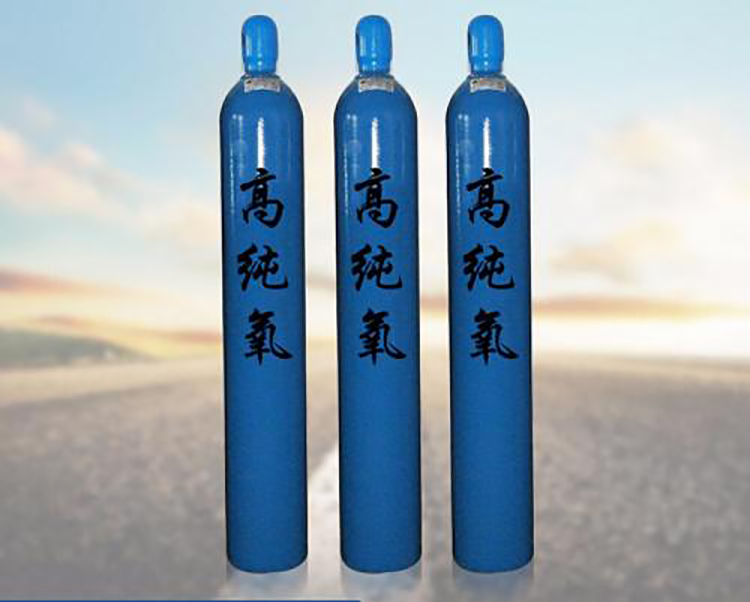
Product Brand: Nianlong
Packaging: Steel Cylinder
Spec: 40L
Material: Genuine