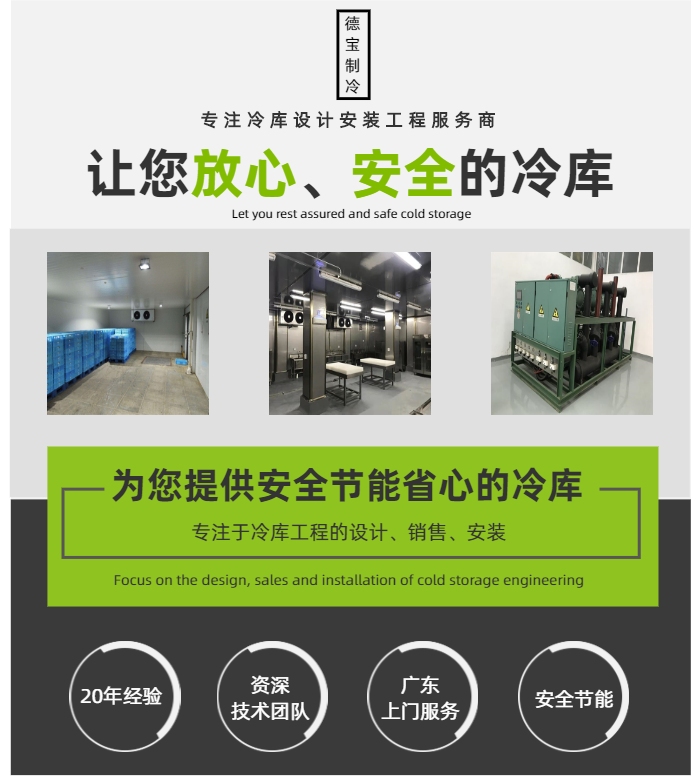
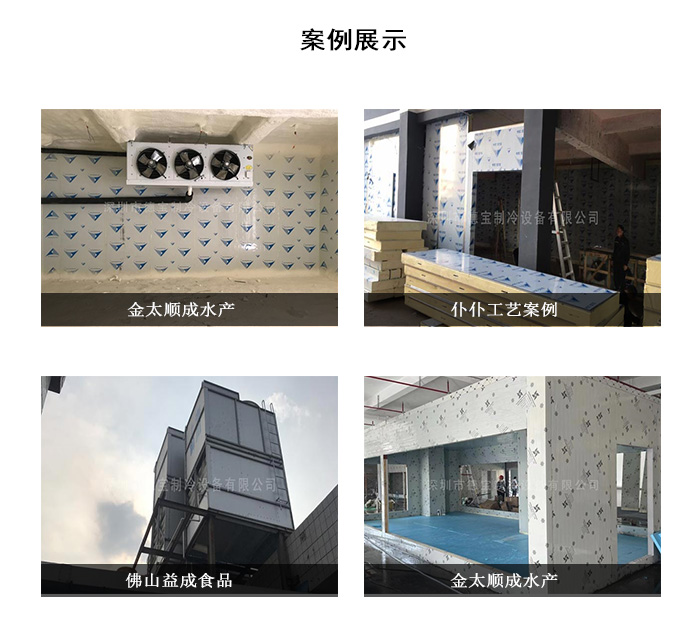

High-temperature preservation cold storage and modified atmosphere preservation cold storage
These two types of preservation cold storage are designed for investors with limited capital investment. They feature the following characteristics:
(1) Wide Application Range: Suitable for the storage and preservation of various fruits, vegetables, flowers, seedlings, and other plants in both the north and south of our country.
(2) Long storage and preservation period with high economic returns. For instance, grapes can be preserved for 7 months, apples for 6 months, and scallion shoots for 7 months, maintaining their freshness and tenderness. The overall loss is less than 5%. The market price for grapes at the source is usually only 1.5 yuan/kg, but the price can reach 6 yuan/kg around the Spring Festival. One-time investment in building a cold storage can last for 30 years, offering significant economic benefits. Generally, the investment is recovered within the same year.
(3) Simple operation and easy maintenance. The refrigeration equipment operates like a home refrigerator, with automatic start-up and shutdown, requiring no constant supervision. The accompanying technology is also very straightforward, easy to learn.
Refrigerated storage technology can also be used for fresh produce packaging and long-distance transportation. Zhongshan Cold Storage, with significant economic benefits.

Someone might ask if a cold storage facility is needed for winter. Actually, whether or not a cold storage is required in winter depends on the storage conditions of the products. The benefits of a cold storage facility are that it is suitable for preserving a variety of foods and agricultural products. Different products require different storage conditions, and a cold storage is a favorable choice. It can meet various requirements with freezing and refrigeration capabilities. The controlled temperature, humidity, and ventilation of the refrigeration facility, as well as milk refrigeration storage, can all cater to your specific needs.
Cold storage is categorized by temperature, with low-temperature and high-temperature storages. Fruit and vegetable preservation is typically stored in high-temperature storage at -2°C. Seafood and meat preservation is stored in low-temperature storage below -18°C.
How much seafood can be stored in a 30-cubic-meter cold storage? Many clients need to know this when planning to build a cold storage. In fact, the storage capacity varies depending on the goods, such as 0.40 tons per cubic meter for regular packaging frozen meat, 0.47 tons per cubic meter for frozen fish, and 0.23 tons per cubic meter for vegetables.
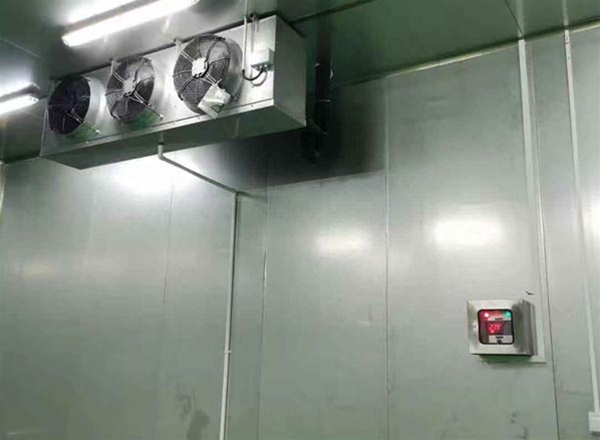
How much does it cost to build a cold storage facility?
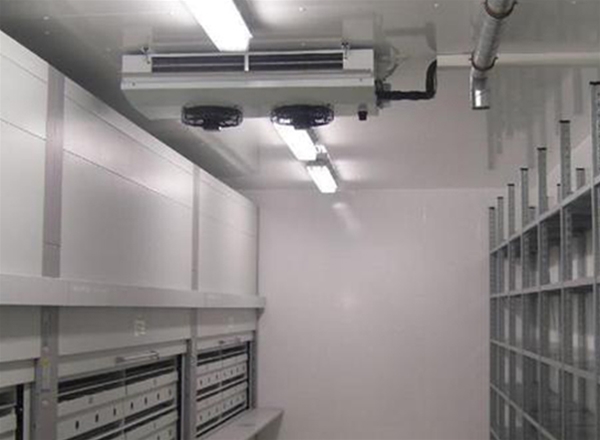
The fruit cold storage is primarily used for the storage and processing of fruits, maintaining an appropriate low temperature inside to extend storage time. The cold storage walls are insulated with thermal panels, the bottom is equipped with rapid board to prevent moisture and insulation, controlling the heat transferred from the outside. The construction of the fruit cold storage must prevent the diffusion of steam and the penetration of air. The intrusion of outdoor air not only increases the cooling load of the cold storage but also brings moisture into the storage room, causing condensation which leads to damage, especially to the insulation structure. Therefore, a moisture-proof and thermal insulation layer should be set up to ensure the cold storage building has good sealing and moisture-proof vapor barrier properties.
Basic Principle of Fruit and Vegetable Preservation Cold Storage. The fruit and vegetable preservation cold storage utilizes the characteristic of water releasing or absorbing a large amount of latent heat during the phase change from solid to liquid. In winter, the cold storage demonstrates this with ice as the matrix. It also takes advantage of the large amount of latent heat released during freezing to maintain the fruits and vegetables inside the storage unaffected by freezing damage. In summer, these ice blocks are used as the cold source to maintain the necessary low temperature and high humidity conditions for the storage of fruits and vegetables.