Storage Methods for Household Medicines:
Medications should be stored in a suitable location, away from light and extreme temperatures and humidity. Pay attention to any signs of mold or spoilage; do not use if spoiled. Prevent children from accidentally ingesting or misusing them. Store highly toxic medications securely. Bottled medications should be used and stored according to the label instructions. Bottled medications like syrups and suspensions are prone to mold, fermentation, and spoilage. Use only the amount needed; pour out, do not return. Check the batch number and expiration date; do not use medications past their expiration date.
Label drugs properly during storage, clearly indicating the drug name and specifications; do not store them without labels relying on memory.

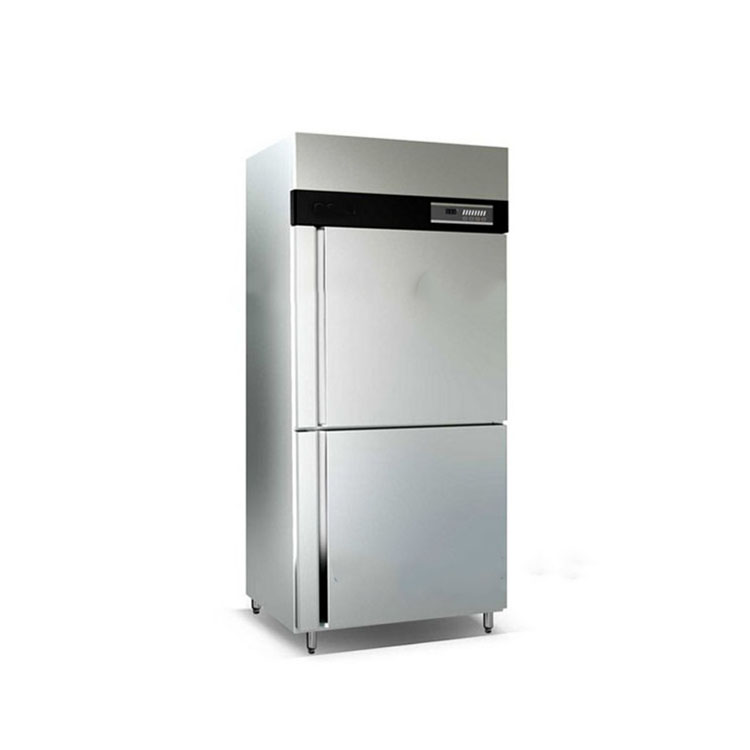
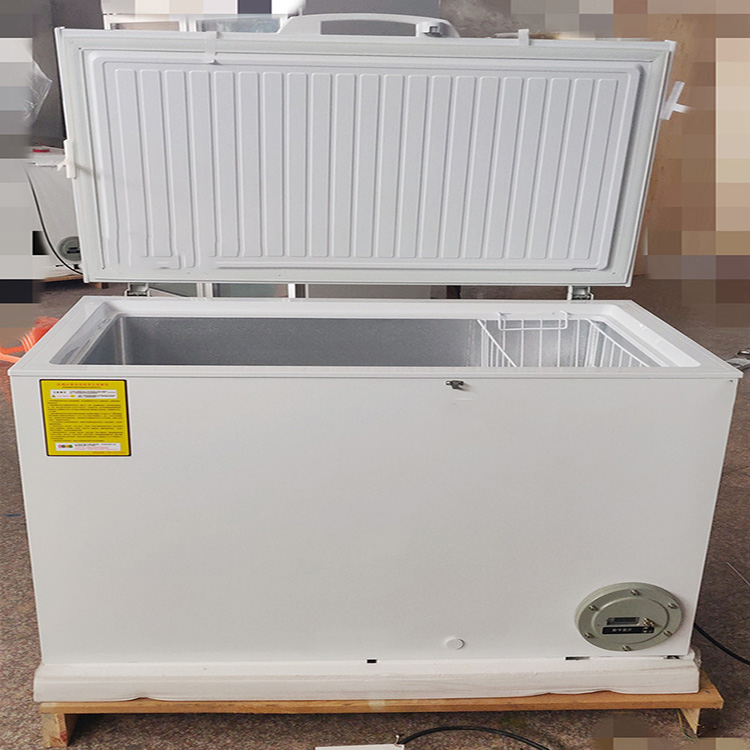
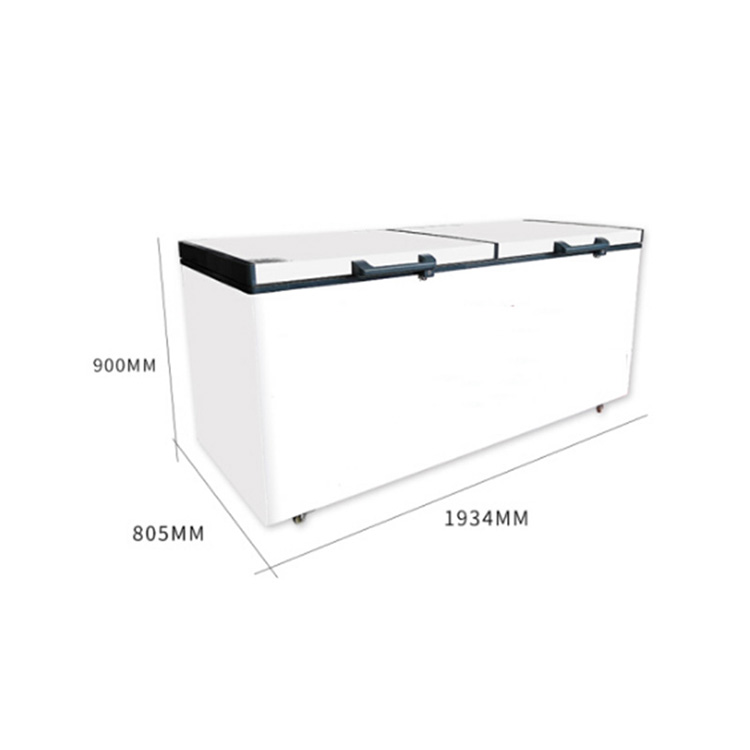
As the pandemic sweeps across the globe, vaccines have undoubtedly become a powerful weapon in ending this "war." Recently, massive vaccination drives have been initiated worldwide. With the launch of several vaccines globally, transportation and storage have become pressing challenges. The demand for medical refrigerators, as storage equipment for vaccine refrigerators, has surged, making the pharmaceutical industry's cold storage facilities busier than ever. This has caused the niche field of medical refrigerators in our country to become increasingly active.
Medical refrigerator capacity expanded rapidly, up 33% compared to the same period in 2020.
In recent years, driven by factors such as the aging population, urbanization, and the basic medical insurance system, the sales market for medical refrigerators has been rapidly expanding. According to statistics from YueJie Trade & Commerce, the average annual compound growth rate of medical refrigerator sales from 2016 to 2019 exceeded 20%. In 2020, compounded by the impact of the COVID-19 pandemic, vaccine cold chain logistics gained prominence, accelerating the demand for medical refrigerators. This, particularly for the transportation and administration of COVID-19 vaccines, has created long-term growth opportunities in the medical refrigerator sector. Benefiting from internal market growth and the expansion of downstream applications, the total sales volume of medical refrigerators in 2020 reached 360,000 units, a 33.3% increase from the previous year, with the market size increasing by 3 billion.

Pharmaceutical Storage and Logistics: Light Assets, High Standards and Rigorous Demands. From a technical perspective, pharmaceutical storage and logistics is a segment within the warehousing industry, with high demands for both software and hardware configurations. More professional pharmaceutical storage and logistics typically include three types of warehouses: Cool storage, with temperatures ranging from 10 to 20 degrees Celsius, mainly used for storing general medicines.
Refrigerated warehouse, with temperatures ranging from 2 to 8 degrees Celsius, primarily used for storing vaccines, blood products, and other special medications requiring refrigeration; Quick-freezing refrigerated warehouse, with temperatures between -10 to -20 degrees Celsius, mainly for freezing ice blocks or storing ultra-low-temperature vaccines. Special medications are highly sensitive to temperature changes; for every 10-degree increase in temperature, the rate of chemical reactions within the medication accelerates by 2 to 4 times, easily causing quality deterioration of the medication.
Therefore, a more professional pharmaceutical cold storage must be equipped with an independent temperature and humidity refrigeration unit and an emergency diesel generator, and it must receive sampling inspections from the drug administration on schedule. During the storage of pharmaceuticals, data from the environmental humidity and temperature video monitoring system must ensure safety, which has given the warehouse logistics app a higher level of informational management requirements.