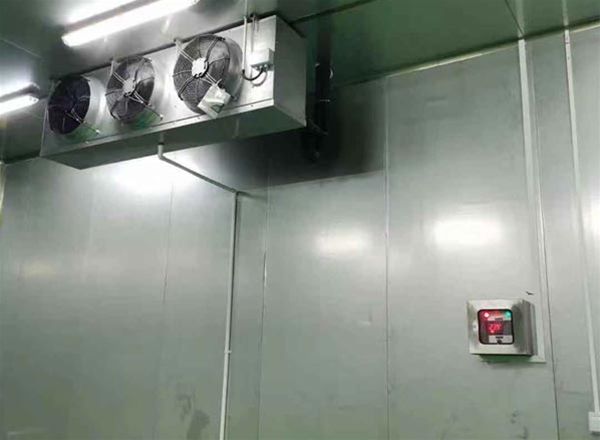
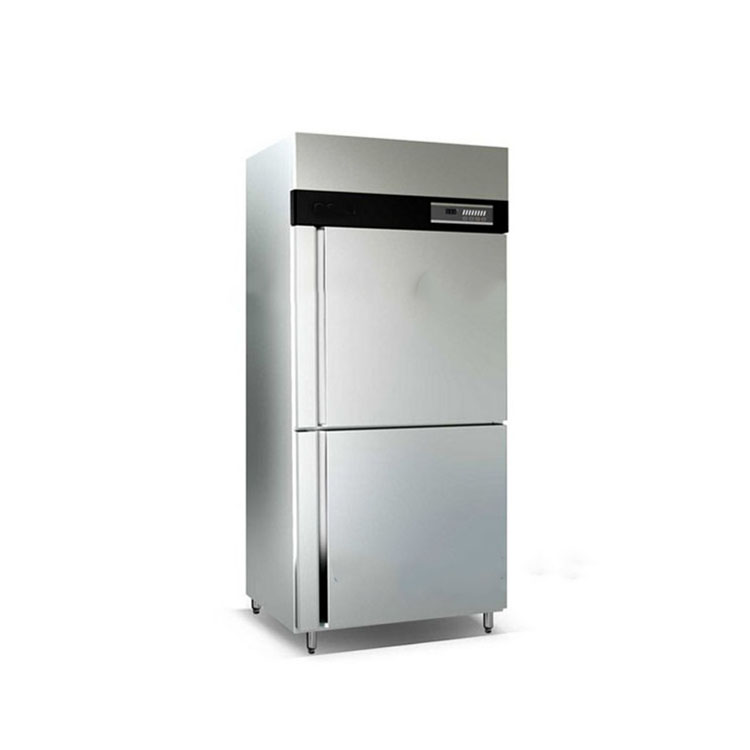
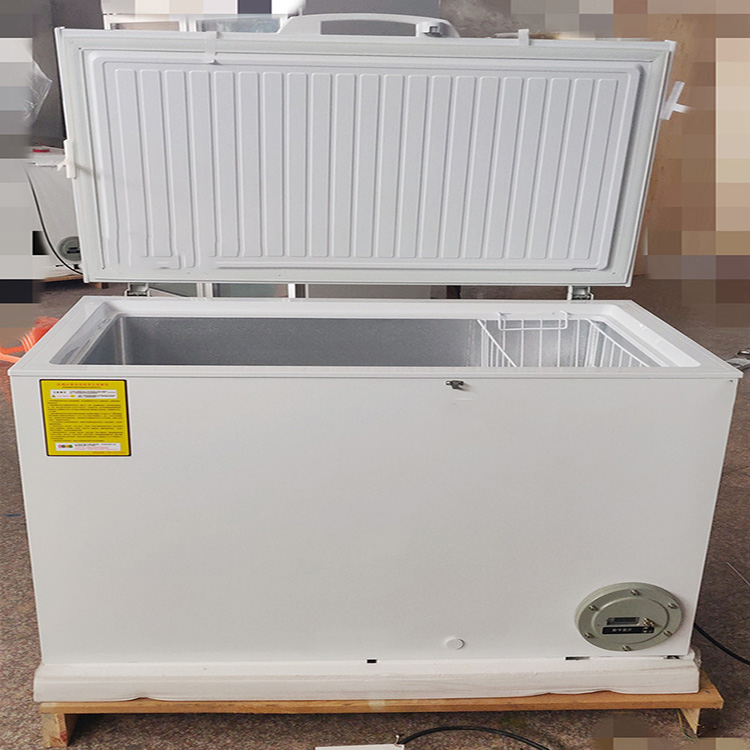
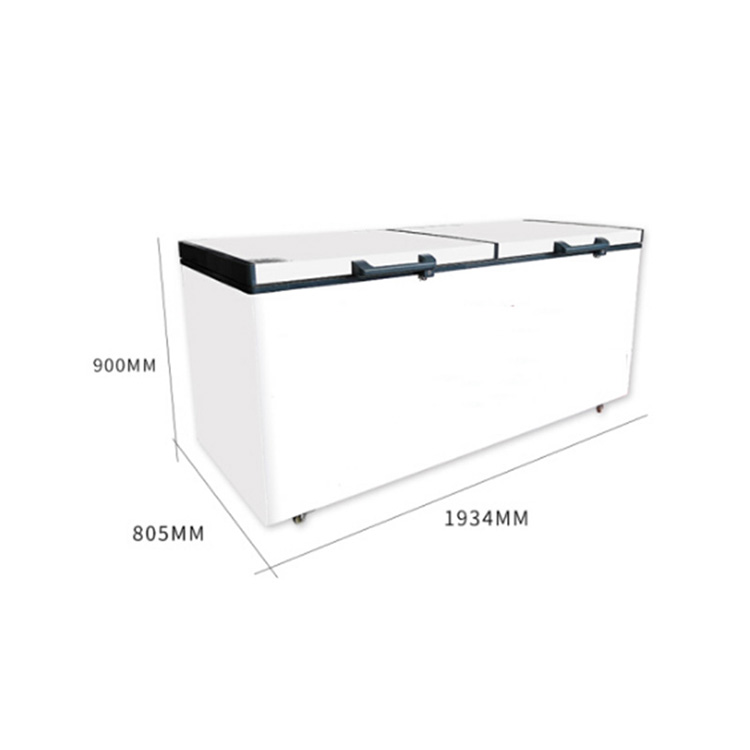
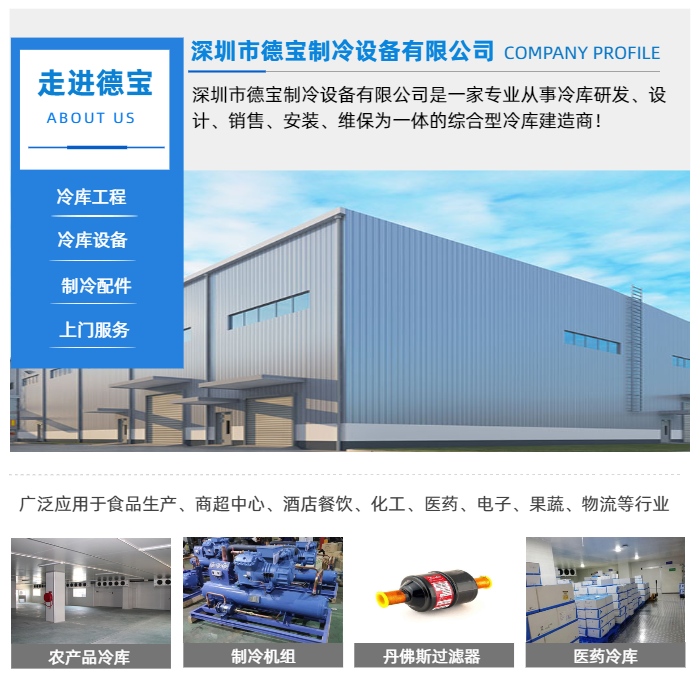
 Cold storage construction


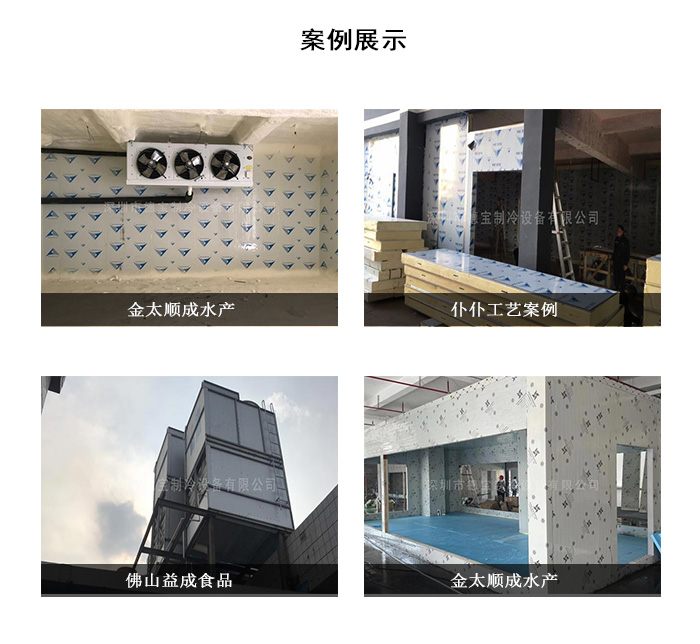
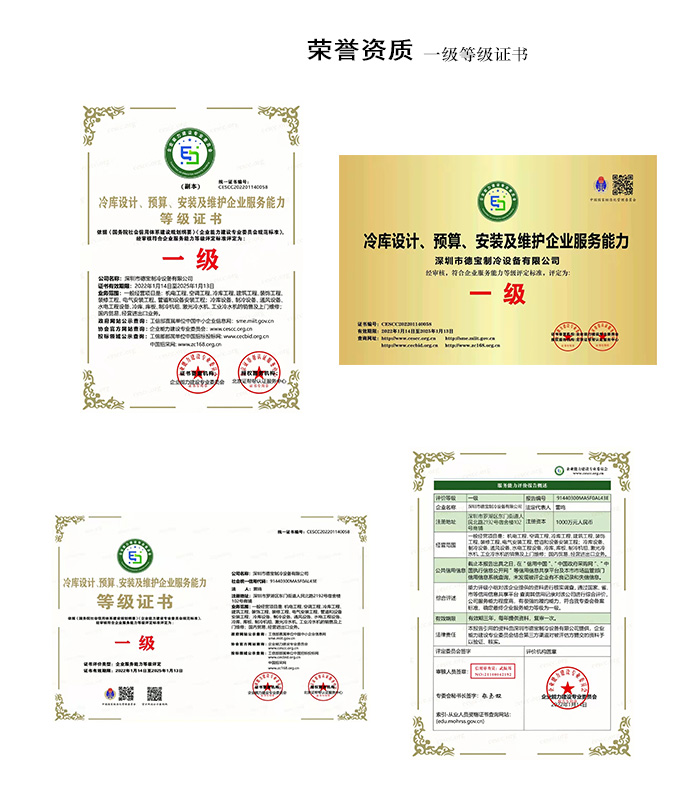
What should be the set temperature for the preservation and refrigeration/freezing in a food cold storage?
Refrigerated Cold Storage: 0℃~10℃ for fruits, vegetables, flowers, dairy products; Zhuhai Quick-freezing Cold Storage, beverages, chocolates, butter, fresh eggs, and preserved meats. Frozen Cold Storage: -10℃~-18℃ for frozen fish, meat, poultry, and ice eggs.
Refrigerated Cold Storage: -20℃ to -35℃ for frozen fish, fresh meat, rice and flour products, frozen desserts, blood products, chemical raw materials, and other low-temperature storage needs.
Modified Atmosphere Cold Storage: 8℃ to 0℃ for long-term storage of fruits, vegetables, seeds.
Refrigerated cold storage temperatures are typically between 0℃ and 10℃; mainly used for the preservation of fruits and vegetables, dairy products, fresh eggs, and meat, etc., to maintain a low temperature for the food while the temperature is generally not lower than 0℃. Low-temperature storage of food is not the lower the better, and not all foods can achieve good storage effects under any low-temperature conditions. The storage of food in a preservation cold storage generally does not affect its internal structure, and preservation can maintain the original flavor and freshness of the food. Where to find a quick-freezing cold storage, at the same time, customers should not pursue excessively low storage temperatures, as the reduction in temperature will directly lead to an increase in initial equipment investment and operating costs.
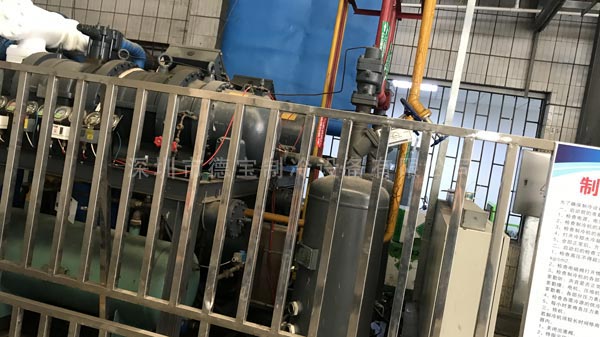
Maintain cold storage humidity through refrigeration system configuration
Temperature and humidity control are primarily used to preserve items in a cold storage for freshness.
In everyday life, most fruits and vegetables are recommended to be stored under relative humidity conditions of 90% to 95%. However, it's quite challenging for some cold storage facilities to reach even 85% humidity inside. As a result, some facilities have to install humidification equipment to boost humidity, but the effects are often negligible.
In fruit and vegetable insurance, some fruit farmers adopt the method of adding a thin film bag inside the packaging boxes. While this reduces the water loss in fruits and vegetables, it slows down the cooling speed of the products. It also increases the accumulation of high concentrations of harmful gases in the micro-environment, leading to shorter storage life and reduced preservation effects.

Someone might ask if a cold storage facility is needed during winter. In fact, whether or not a cold storage is required in winter depends on the storage conditions of the product. The benefits of a cold storage facility are that it is suitable for preserving and storing various foods and agricultural products. Different products require different storage conditions, and a cold storage is a favorable choice as it can meet the specific requirements. The controlled temperature, humidity, and ventilation of the refrigeration system can satisfy your special needs.
Cold storage is categorized by temperature into low-temperature and high-temperature warehouses. Fruit and vegetable preservation warehouses are typically high-temperature, with temperatures at -2°C. Fish and meat preservation warehouses are low-temperature, with temperatures below -18°C.
How much seafood can be stored in a 30-cubic-meter cold storage unit? Many clients need to know this when constructing a cold storage facility. In fact, the storage capacity varies depending on the type of goods, such as 0.40 tons of frozen meat per cubic meter, 0.47 tons of frozen fish per cubic meter, and 0.23 tons of vegetables per cubic meter for general packaging.