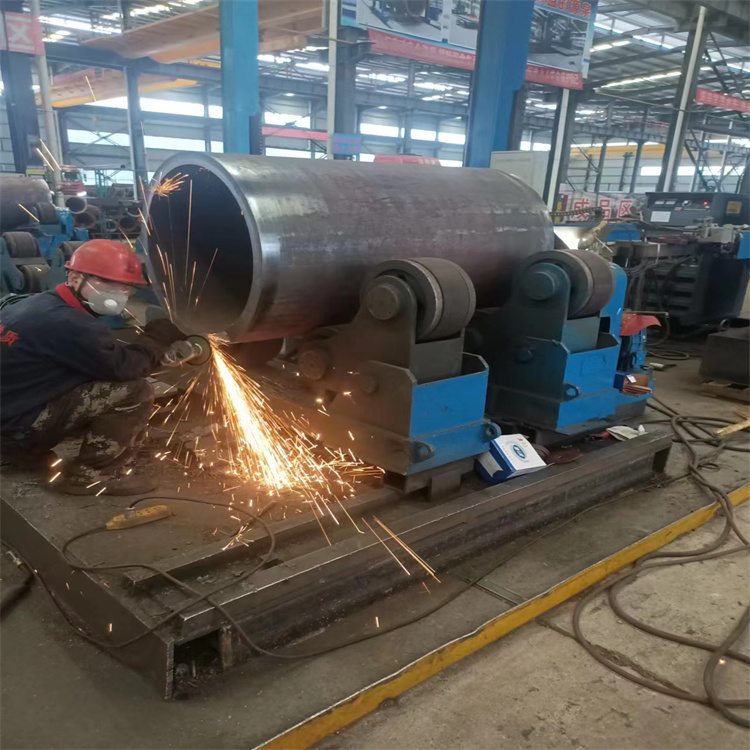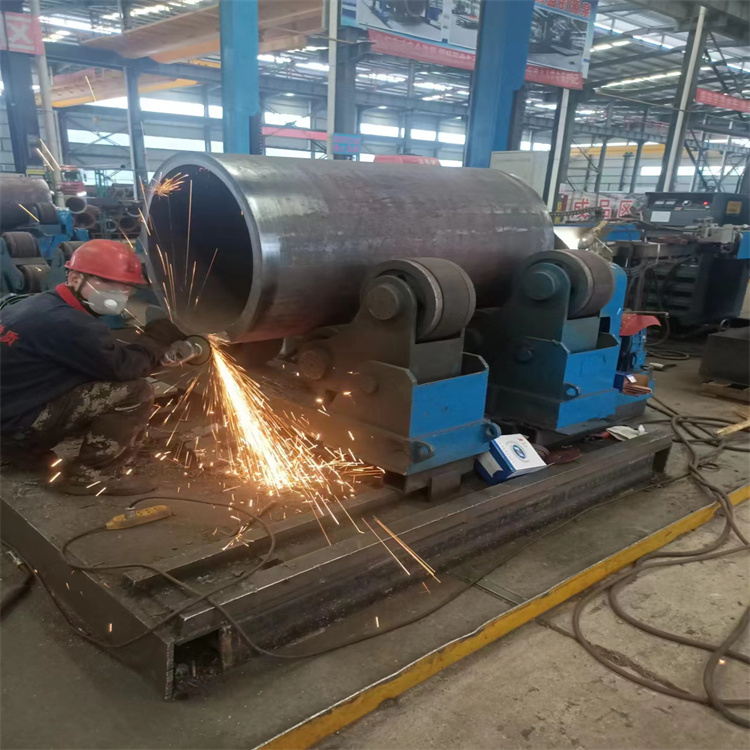

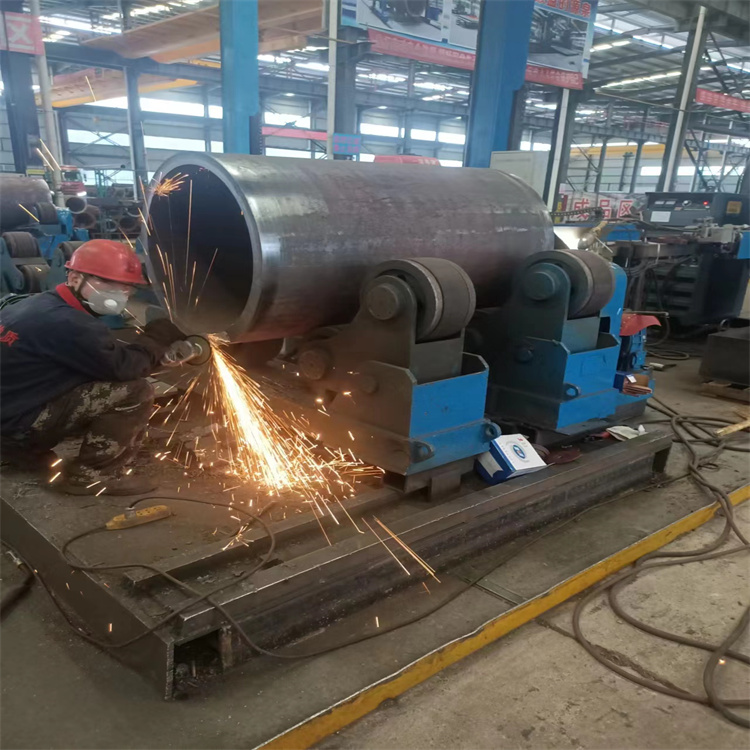
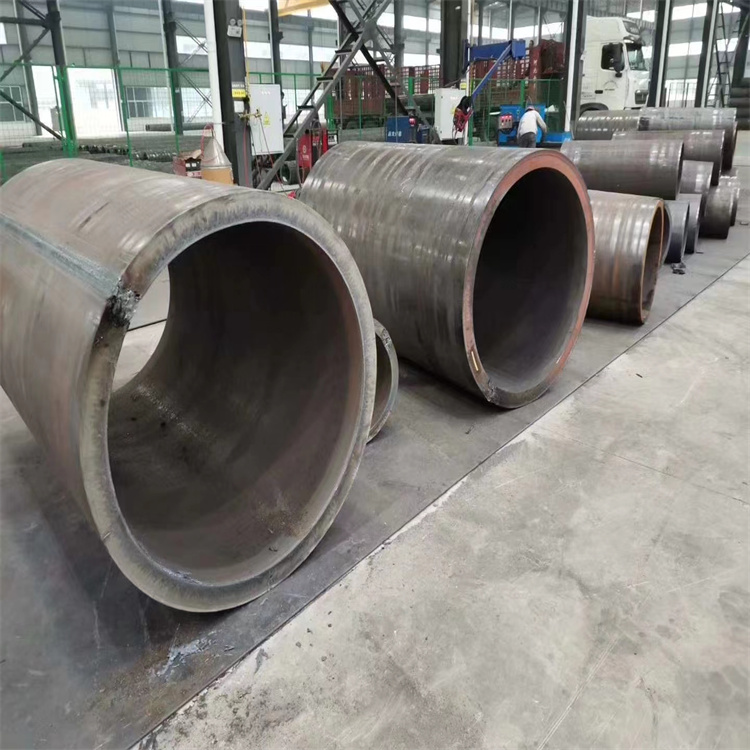
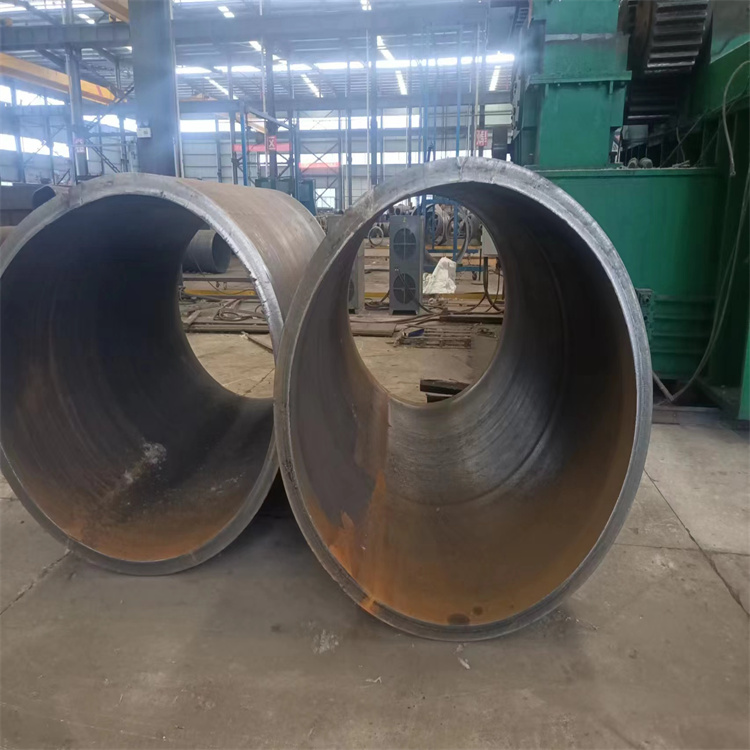












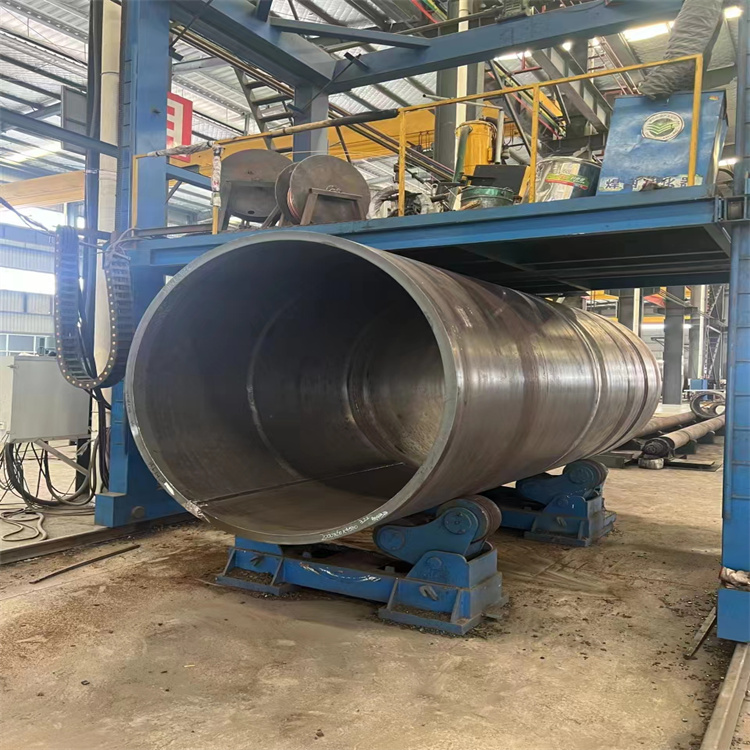
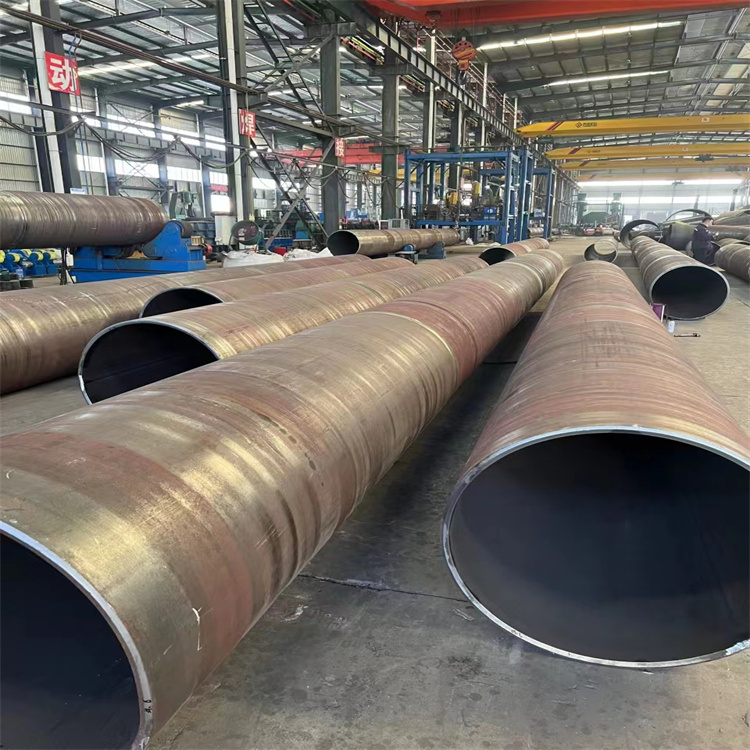
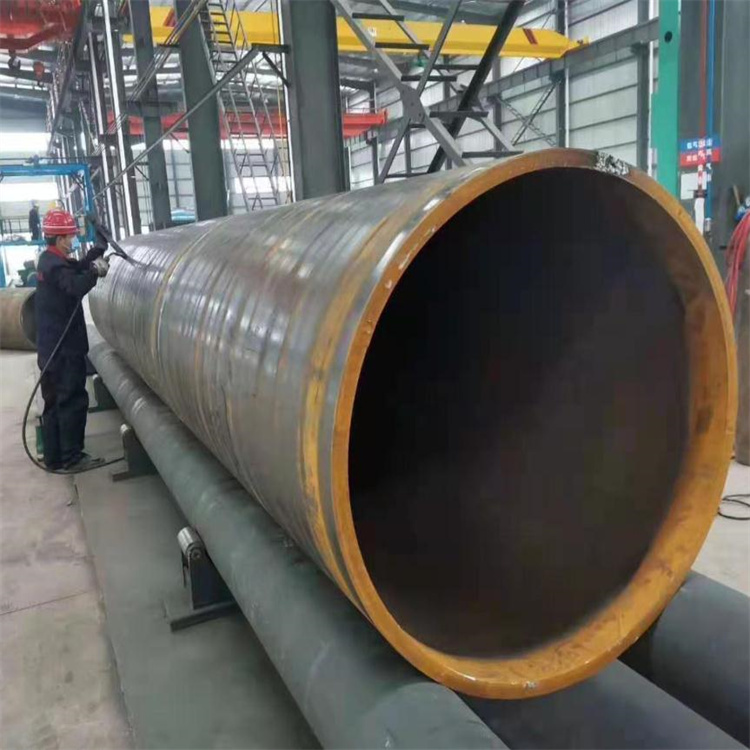
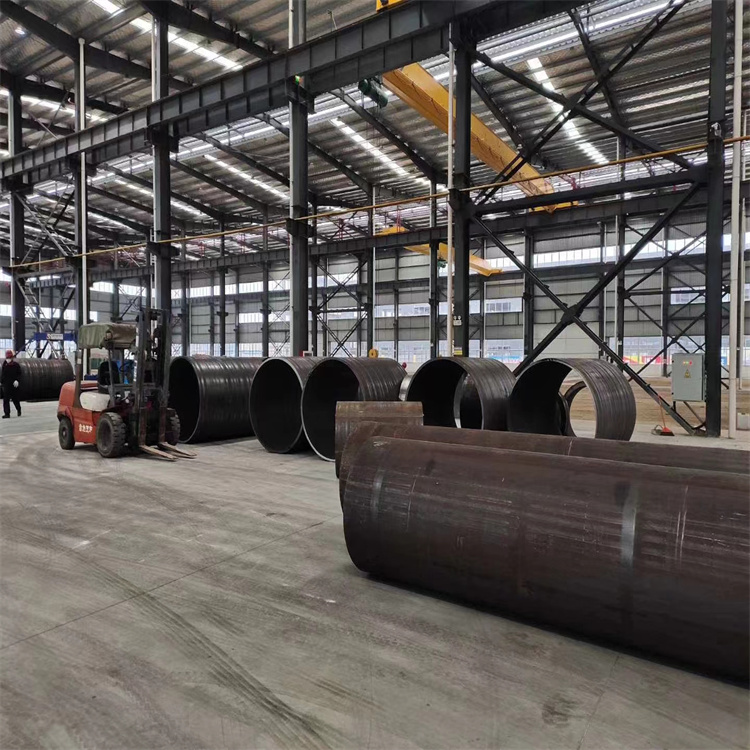
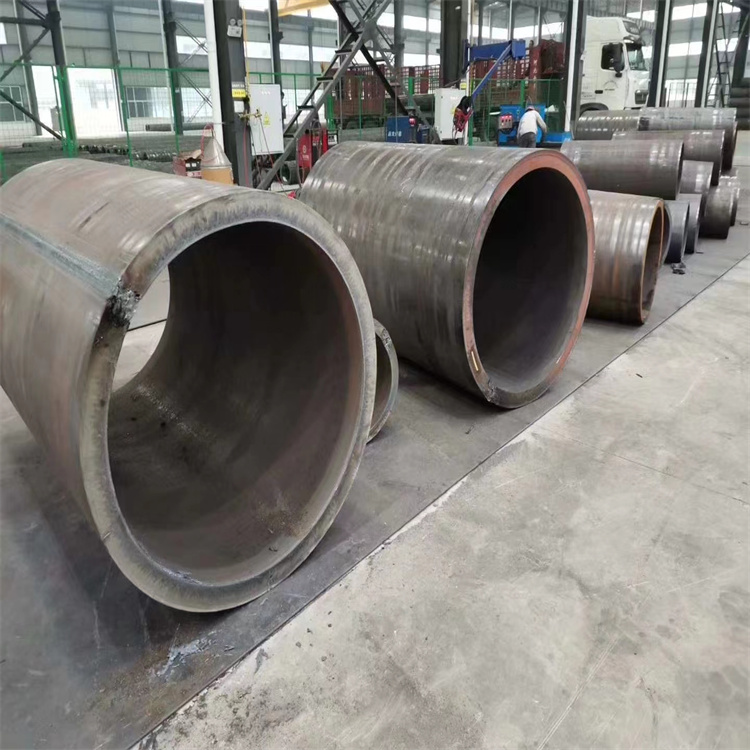
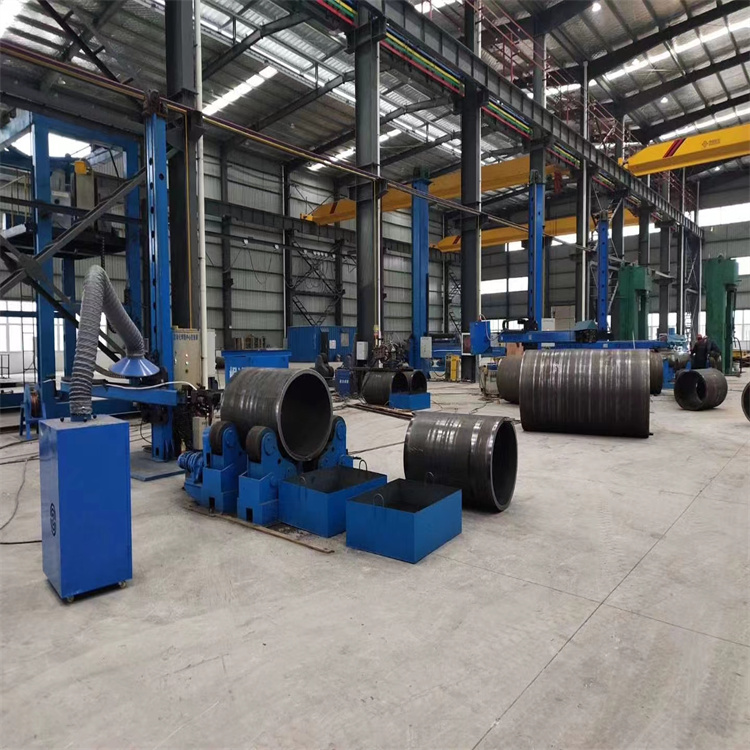
Thick-walled straight seam welded pipes refer to steel pipes with a wall thickness of 8mm or more, which are generally termed as thick-walled straight seam welded pipes. These thick-walled pipes have better pressure resistance compared to thin-walled ones and are usually suitable for high-temperature, high-pressure applications, as well as bridge structural steel components.
The control measures for thick-walled straight seam welded pipes include: strengthening pre-production inspections of straight seam welded pipes and post-production casting billet quality; and improving the cleanliness of steel melt in thick-walled straight seam welded pipes through measures such as proper protective pouring.
① manufacturers of thick-walled straight seam welded pipes cool the ironwater to below 1150°C in contact with carbon bricks, allowing the ironwater to form a thin iron skin layer on the surface of the carbon brick to isolate the contact between the ironwater and the carbon brick. This not only forms an iron skin layer but also creates a slag layer for protection. This viewpoint employs full carbon microporous, even ultra-microporous carbon bricks, and strives to enhance their thermal conductivity to lower the surface temperature below 1150°C.
② Utilize ceramic brick linings to isolate contact between iron water and carbon bricks. As carbon bricks are difficult to resist iron water erosion, only by artificially laying a layer of ceramic bricks on the surface of carbon bricks can this be achieved, which is the ceramic cup wall. The ceramic cup is useful when the carbon brick's resistance to iron water erosion matches that of ceramic refractory materials. The welding process of thick-walled straight seam pipes starts from the exit of the heating furnace, where the pipe billet is cleaned with high-pressure water after leaving the furnace. The front end of the pipe billet is then flash-welded to the tail end of the previous steel billet that has entered the roughing mill.