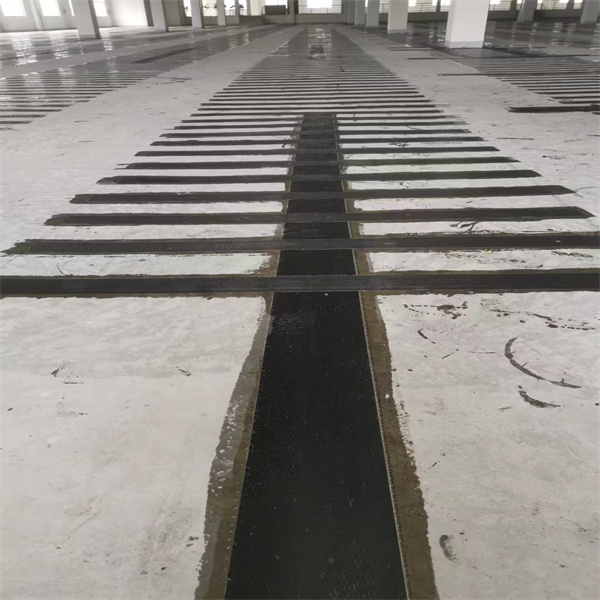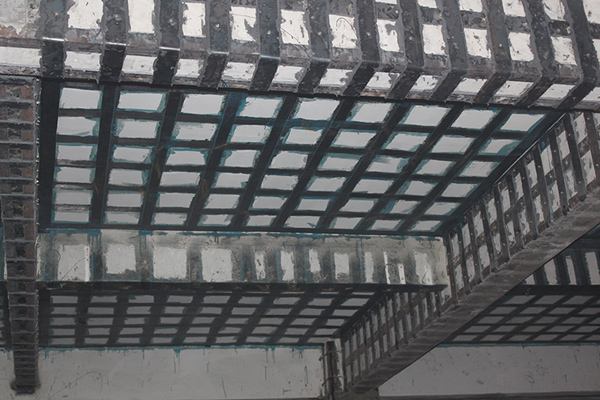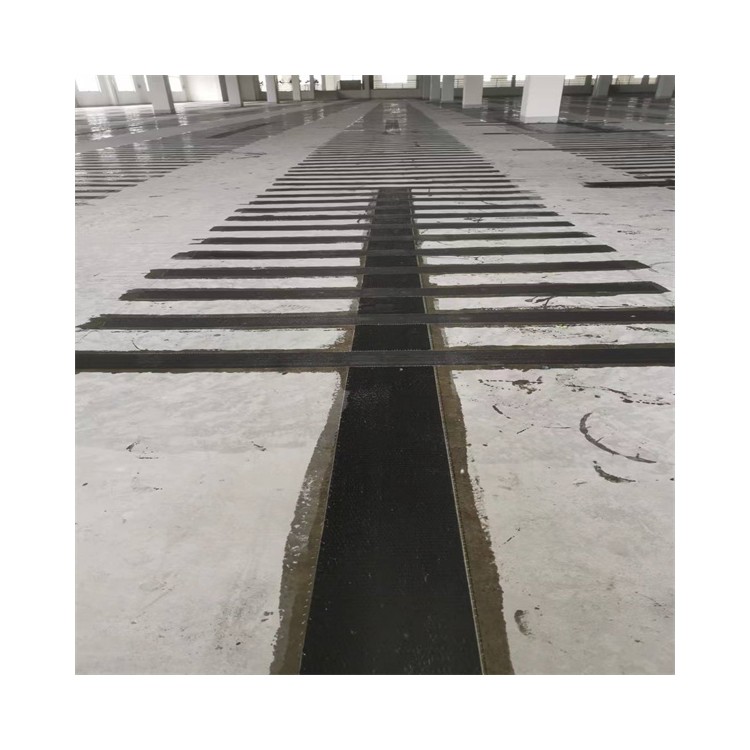

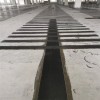
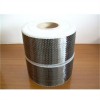
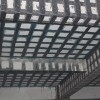












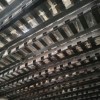
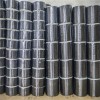
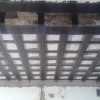
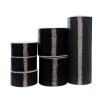
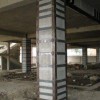
Wuxi Inken Building Technology Co., Ltd. Basic Business: 1. Undertake the following engineering projects: structural reinforcement and strengthening of buildings: reinforced concrete beam and column with carbon fiber, increased cross-sectional area reinforcement of beams and columns, rebar anchoring reinforcement, steel plate bonding, aramid fiber fabric reinforcement, tunnel steel ring reinforcement, rebar anchoring, bonded steel plates,粘贴 carbon fiber fabric, crack repair, waterproofing and leakage repair, steel structures, concrete cutting, bridge lifting, replacement of supports, bridge maintenance and reinforcement, bridge carbon fiber fabric bonding, bridge underpinning, etc. 2. Product Sales: structural adhesives, rebar bonding adhesives (both injection and bulk), steel plate bonding adhesives, carbon fiber adhesives, resins, chemical anchors, carbon fiber fabrics, grouting adhesives, joint filling adhesives, grouting materials, carbon fiber panels, etc.
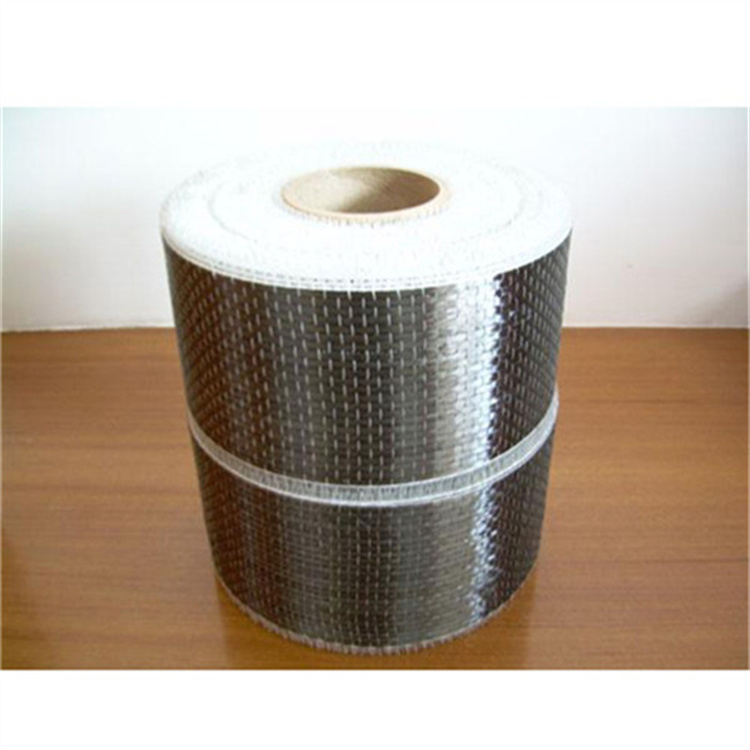
Carbon Fiber Features:
High strength: carbon fiber tensile strength over 3550MPa, tensile elastic modulus over 2.35 * (10^5) MPa, similar to the elastic modulus of steel rebars, suitable for reinforcement and repair of concrete structures.
2. Easy Construction: Carbon fiber has a density just 1/4 that of steel and a thickness less than 0.5mm, allowing for a powerful reinforcing effect without significantly increasing the original structure's weight or cross-sectional dimensions.
3. Reinforcement Function: During seismic reinforcement, offers the maximum lateral displacement capacity, enhances toughness and strength, and increases the compressive, shear, and bending resistance of (bridges) beams, slabs, and columns for load reinforcement.
Protect concrete and steel from the侵蚀 of harsh environmental conditions (moisture, corrosive agents), inhibit crack growth, enhance the strength and toughness of deteriorated concrete, and extend its service life.
4. Durability: Excellent resistance to UV radiation and environmental aging.
Jinan Carbon Fiber Reinforcement Fabric for Structural Strengthening - Sales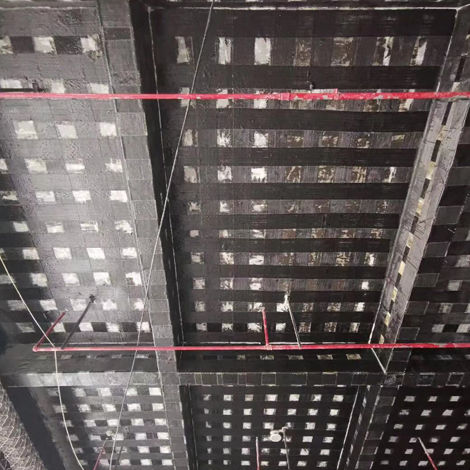
Carbon fiber reinforcement has established an unshakable position in strengthening due to its unique advantages. Its applications are widespread, ranging from bridge reinforcement to machinery equipment strengthening, with carbon fiber reinforcement present everywhere. Although it is still in its infancy compared to steel structural reinforcement and wooden structural reinforcement, the carbon fiber reinforcement in its early stage is already capable of competing with them.
We believe that the application of carbon fiber reinforcement will become even more widespread in the future. There are already clear standards for the construction of carbon fiber fabrics. Carbon fiber materials used in construction must meet these standards before they can be used on-site. Carbon fiber materials should not be exposed to wind, sun, or rain during transportation. In case of rain, it is crucial to ensure the integrity of the construction materials to a great extent.
Apply primer glue. Mix the main agent with the hardener in a ratio of 3:1 (or other proportions) by sequentially placing them in the container, measured with a spring scale, and then uniformly stirred with an electric mixer. Determine the amount of use based on the actual site temperature and strictly control the application time. Generally, it should be used up within 1 hour. Apply the primer glue evenly on the concrete surface with a roller brush. After the glue has cured (curing time depends on the site temperature, with touch-dryness as the standard), proceed to the next stage of construction. The general curing time is 2 to 3 days. Leveling. Fill in the concave parts of the concrete surface and fill in the areas with height differences at the template joints, etc., to minimize height differences. Also, treat the corner areas into smooth arcs with a radius not less than 30mm. Paste carbon fiber fabric. Cut the carbon fiber fabric according to the required size and number of layers. Unless otherwise specified, the length of the fiber fabric should generally be within 3 meters. Mix and apply the surface glue (the method is the same as the primer glue), then apply it evenly to the areas to be bonded. Apply more glue at lap joints, concrete corners, etc. Paste the carbon fiber fabric, remove the release paper after confirming the correct bonding area, and roll it repeatedly with a special roller along the fiber direction to remove bubbles and ensure the glue fully penetrates the fabric. Repeat the above steps for multi-layer bonding and proceed to the next layer only when the surface of the fiber fabric is touch-dry. Apply the surface glue evenly on the surface of the last layer of carbon fiber fabric. The lap length of the fiber fabric along the fiber direction should not be less than 100mm. Secure the ends of the fiber fabric with transverse fiber fabric or steel bonding for protection and reinforcement. The surface of the reinforced fiber fabric should be protected with plastering or fire-resistant coating.
Our company boasts a team of highly skilled and experienced engineers, construction managers, and a well-trained workforce. For many years, we have been fully committed to serving the public's interests in various regions. We are an integrated entity encompassing production, sales, and construction, with a unified national pricing system. Friends and colleagues in need, please call or email for inquiries!
WeChat Official Account

Scan to follow Official Account