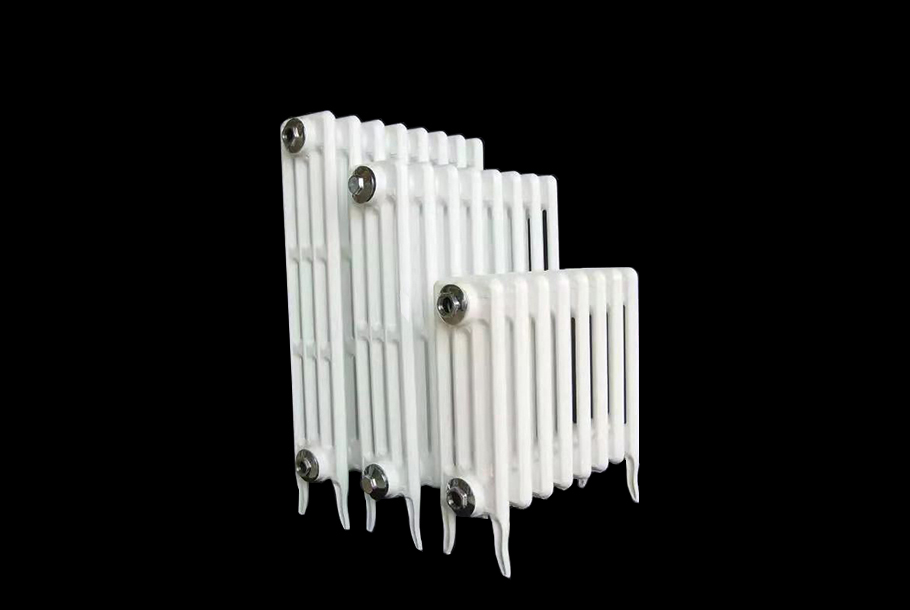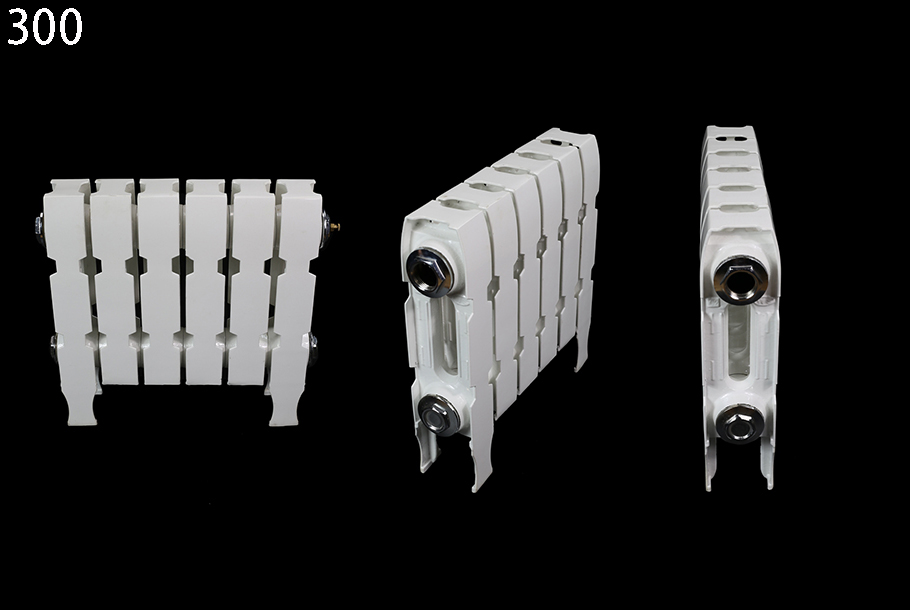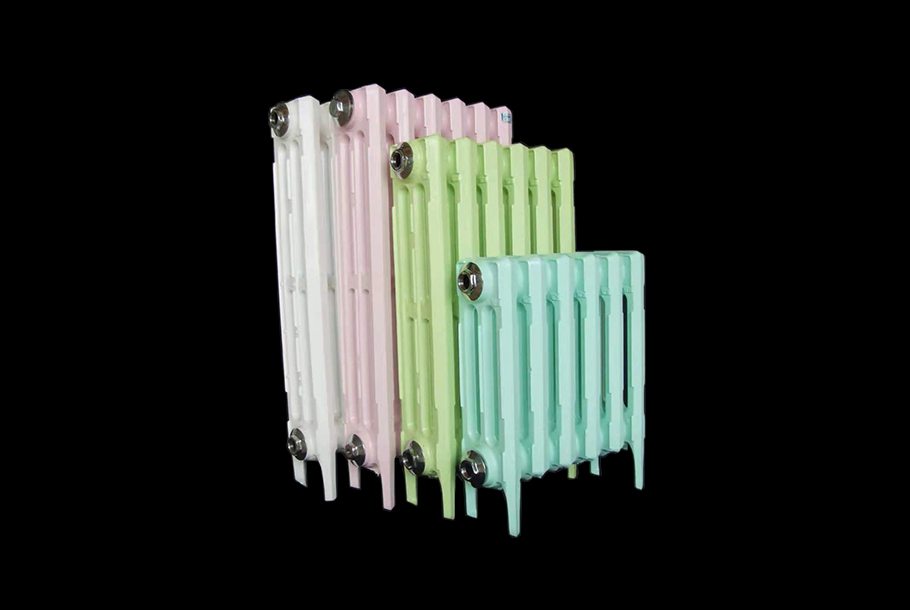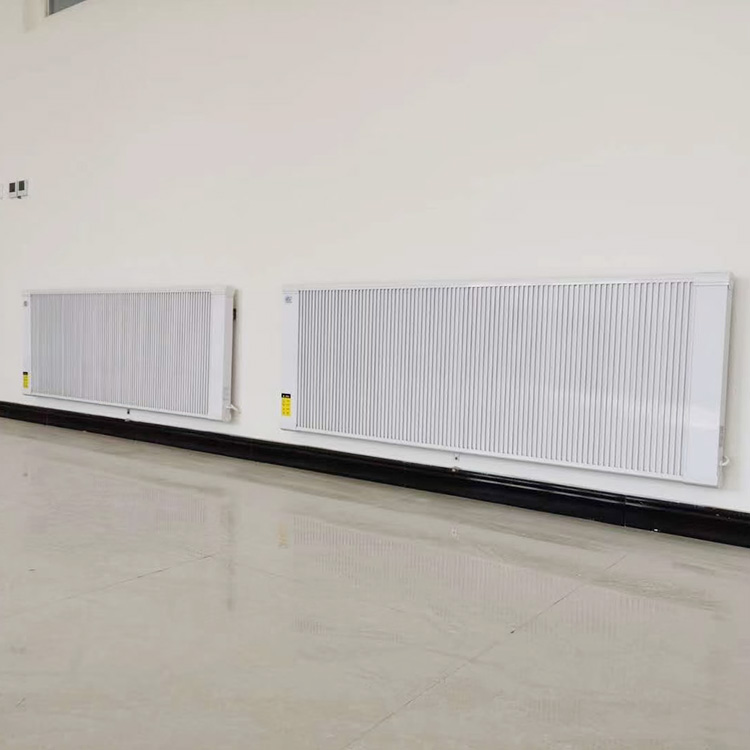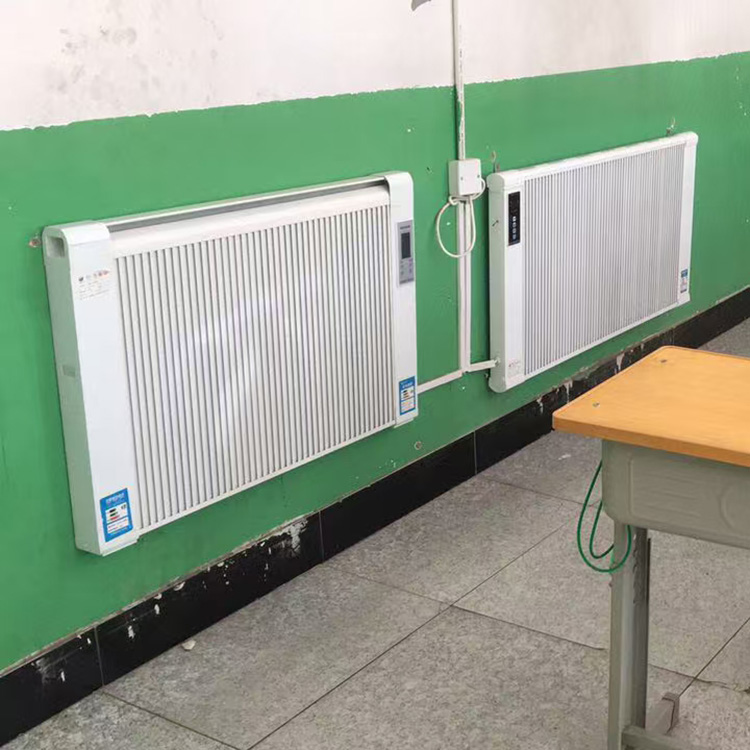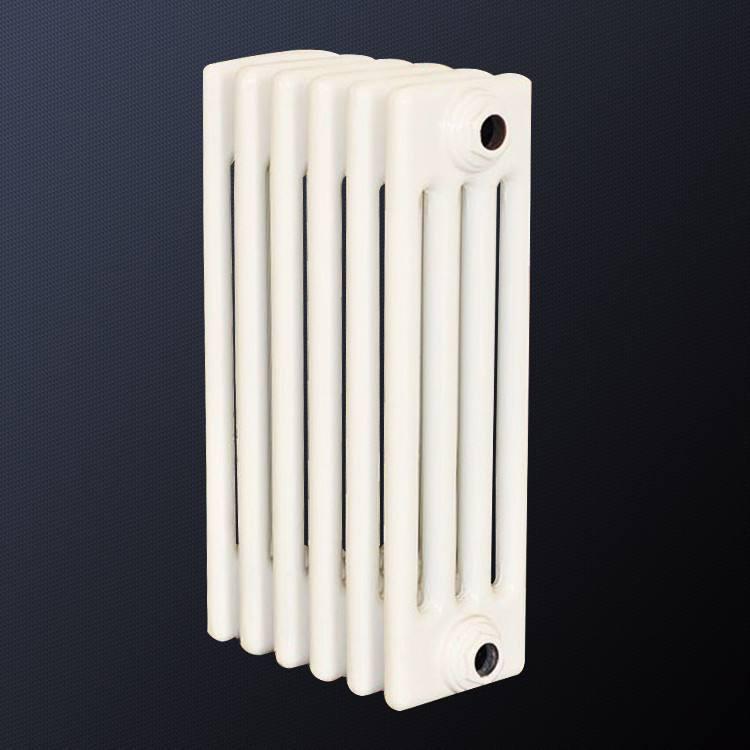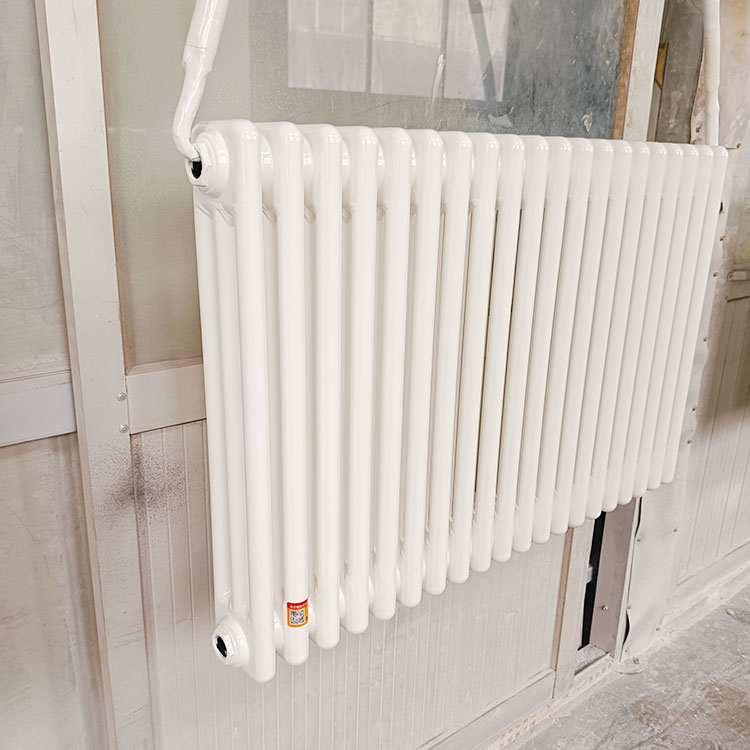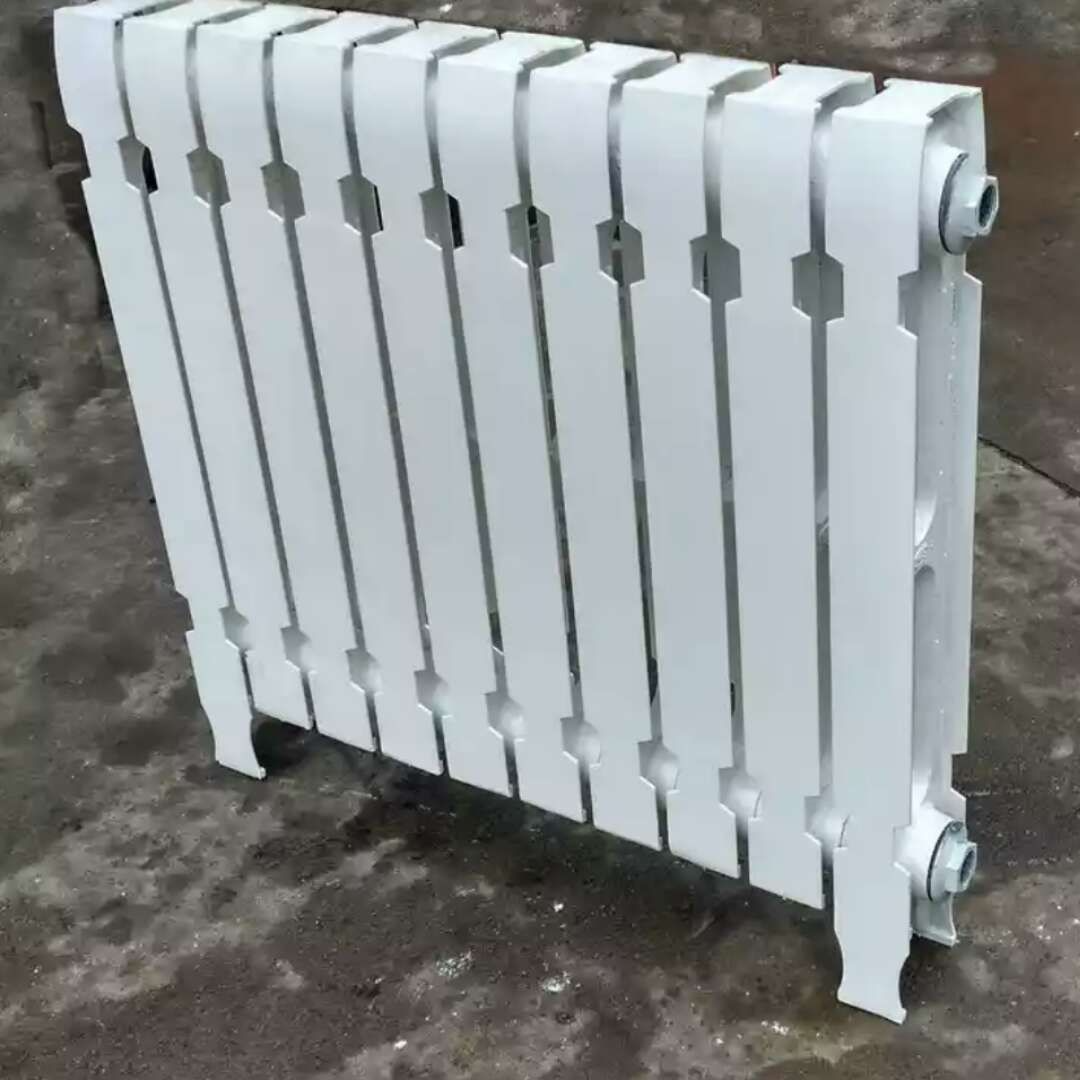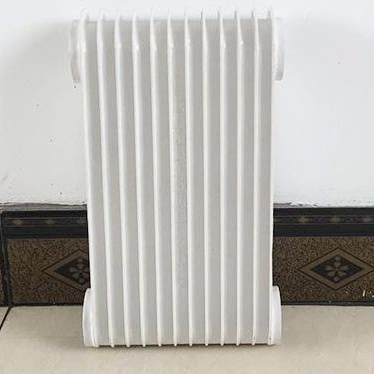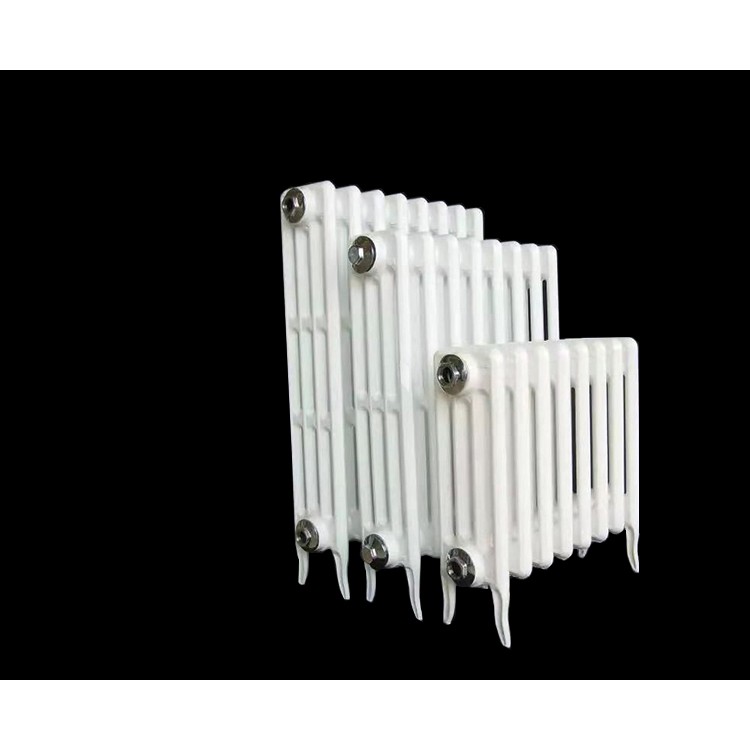

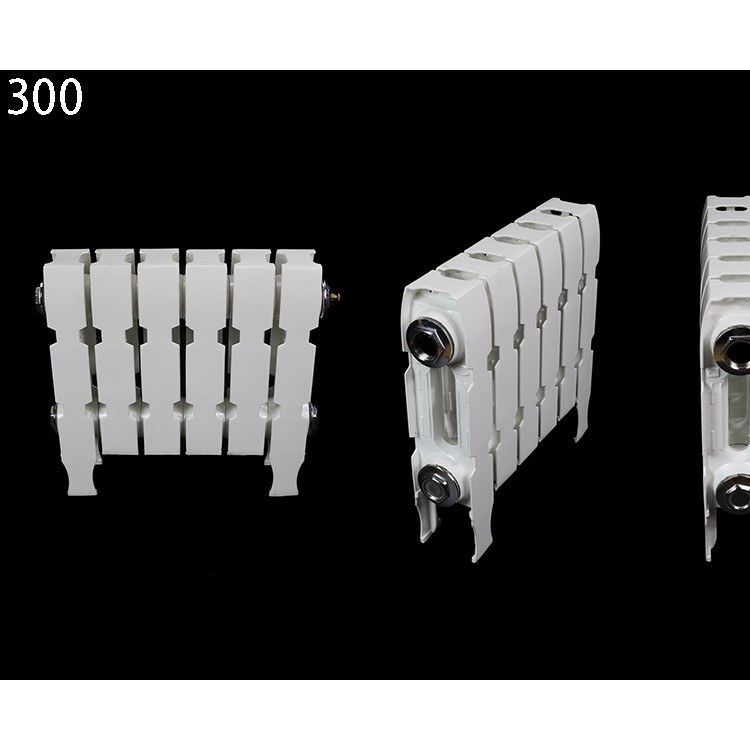
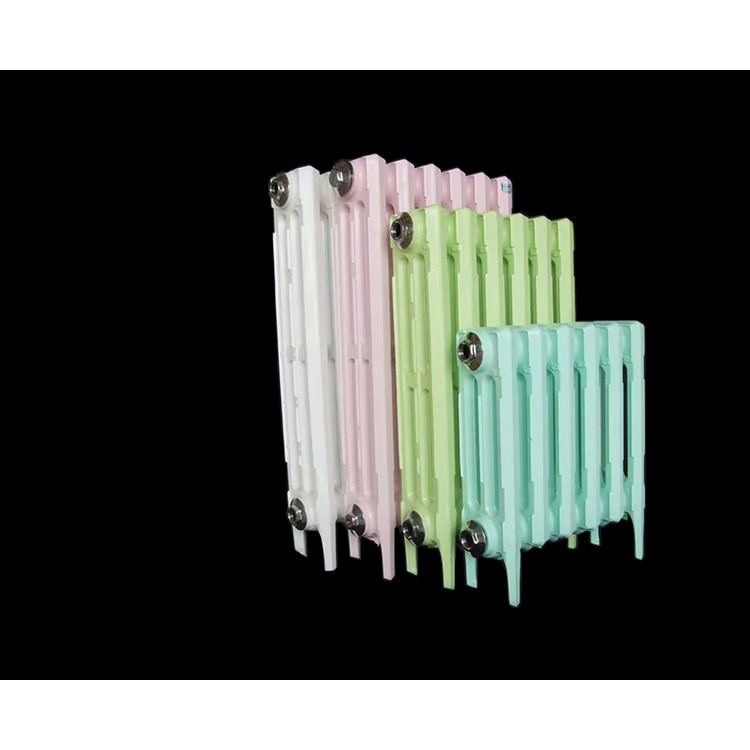


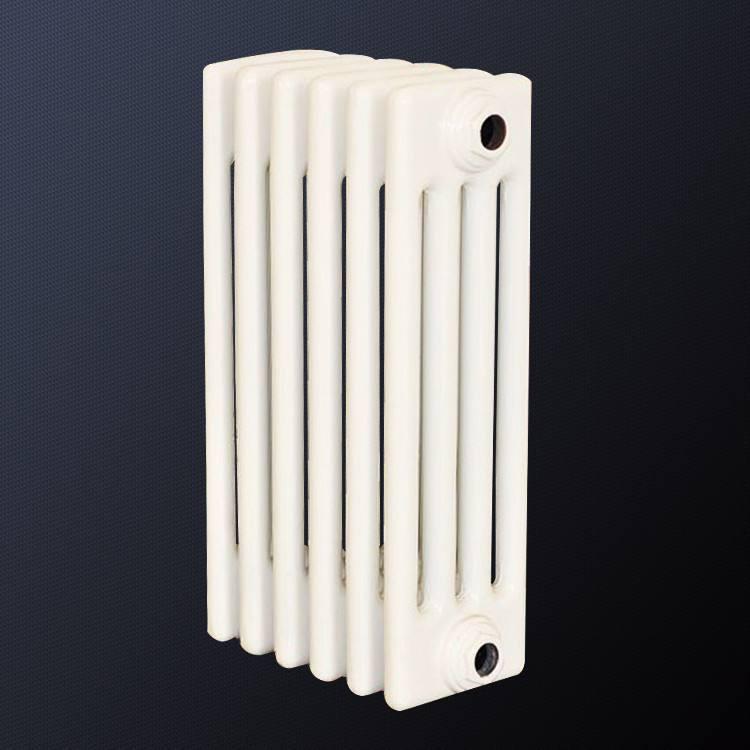
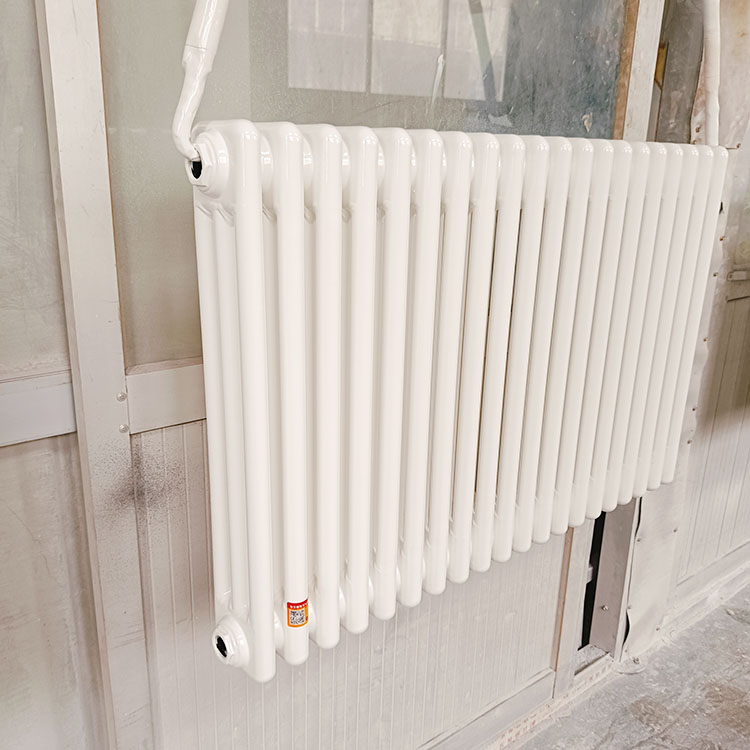






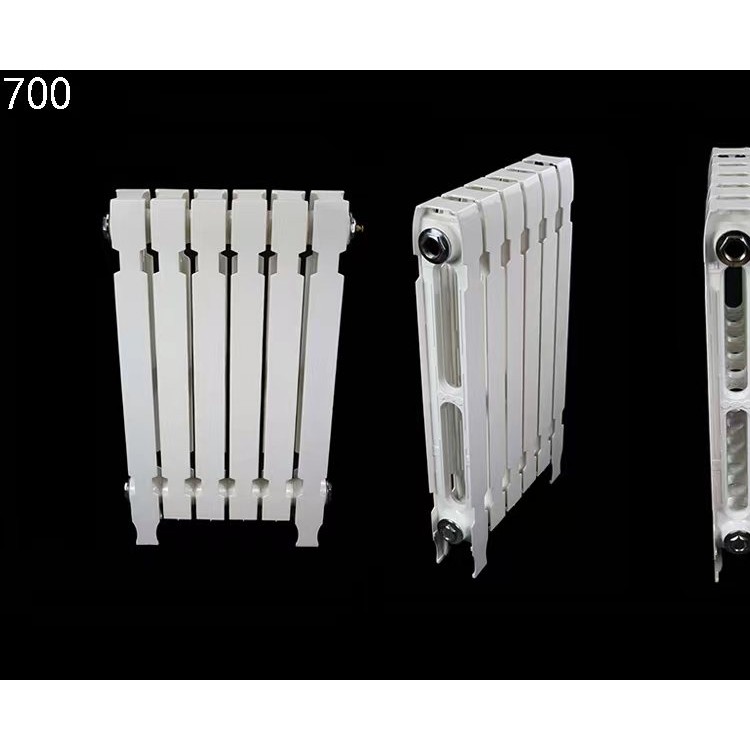
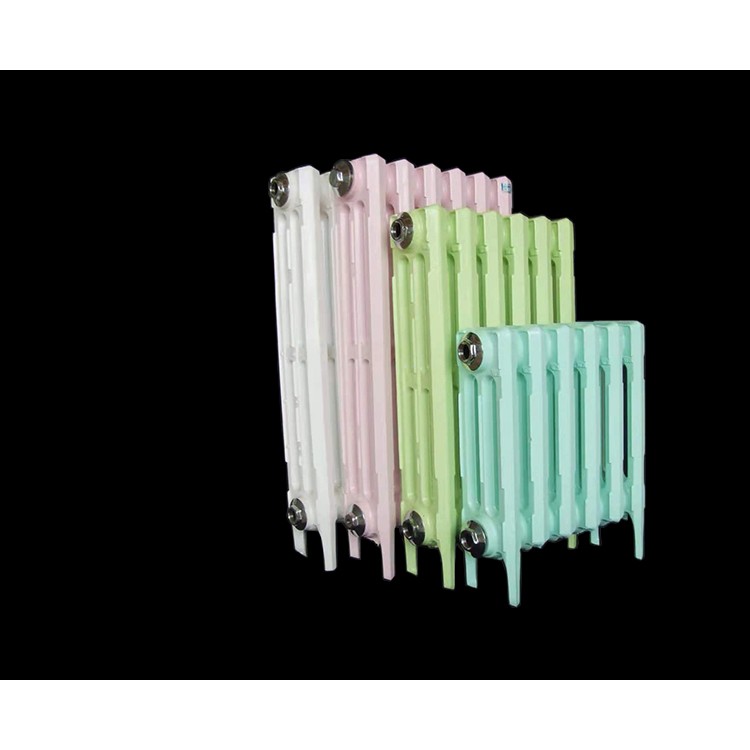
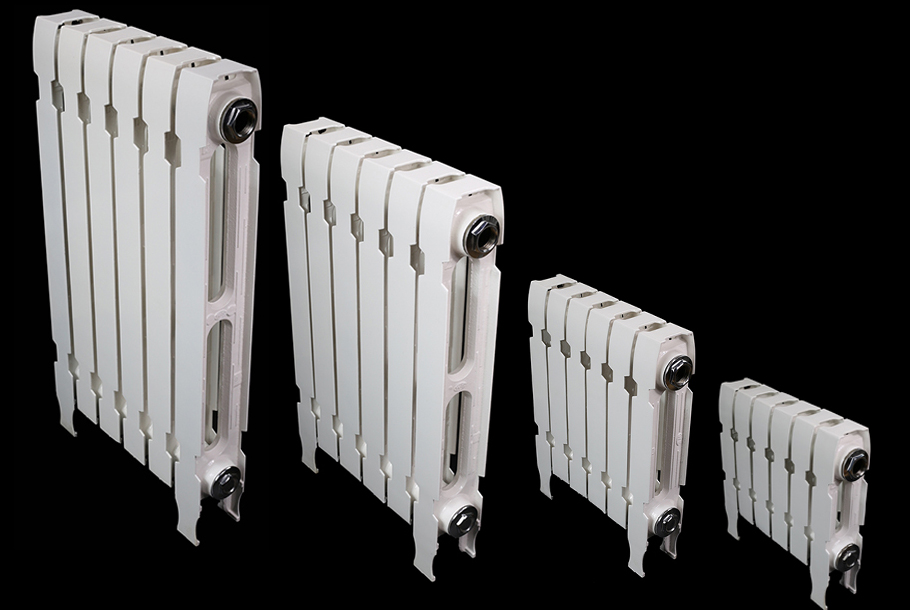
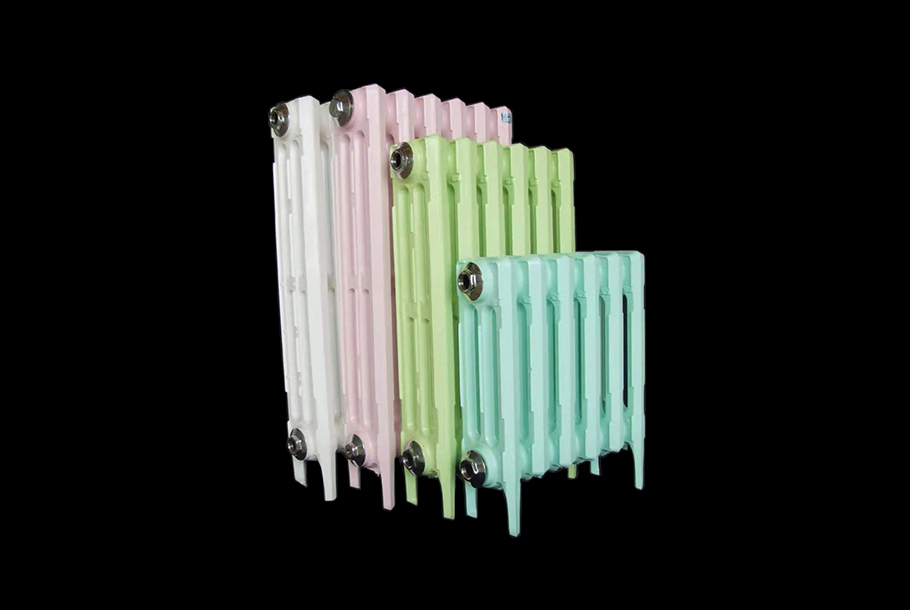
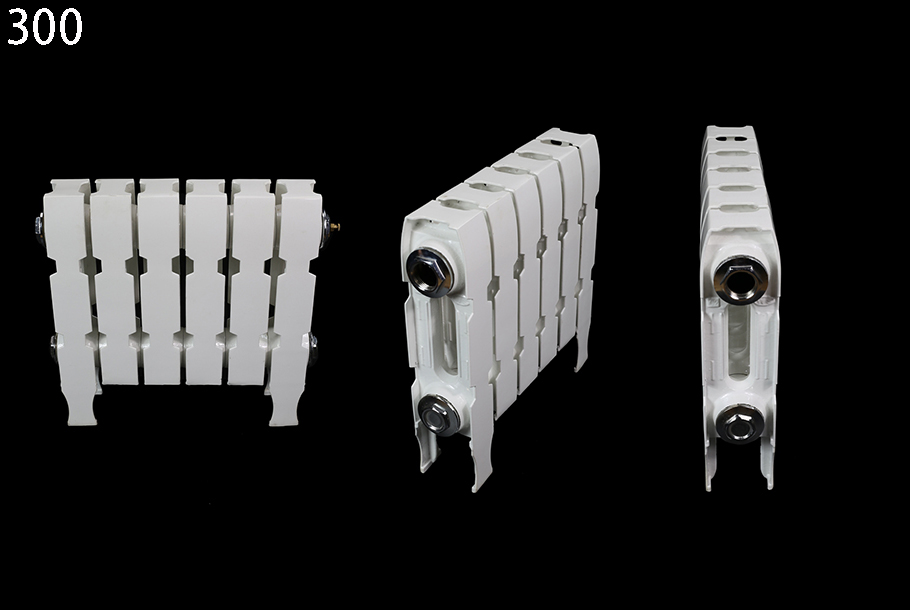
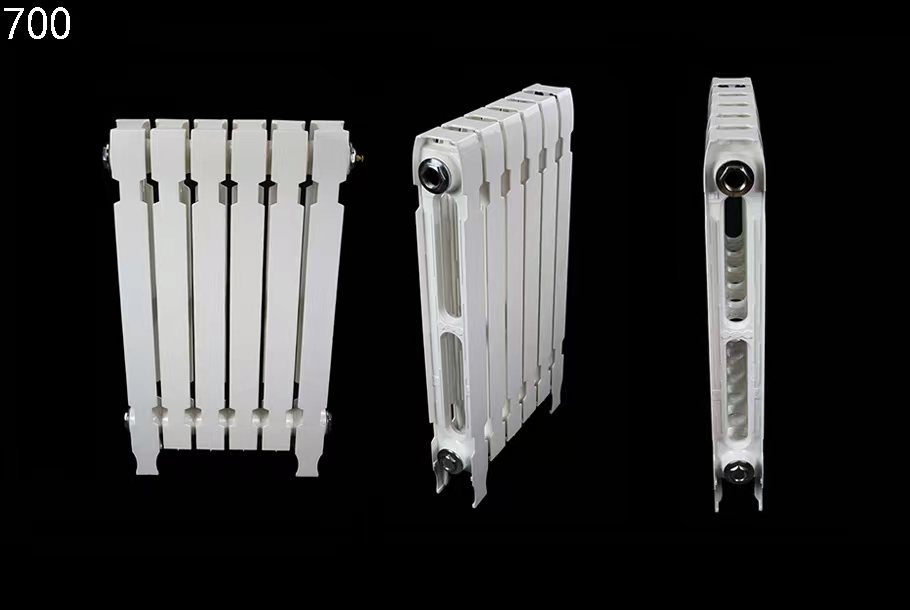
Residential buildings with centralized heating usually have guaranteed water pressure, and there are no restrictions on the distance of the radiators. If wall-hung boilers are used for heating, the water pressure will be lower, and the water distance should not be too high; opt for a height of 1.5 meters or less, otherwise, the heating effect will be significantly reduced, with radiators being half cold and half warm. For coal-burning heating stoves, cast iron radiators are the ideal match.
Closed-loop heating systems are divided into closed and open types. The closed type prevents oxygen from entering, making the system less prone to corrosion, with a longer service life and a wider range of radiator options. Open systems require less initial investment but are more susceptible to corrosion, aging, and leakage. It is advisable to use corrosion-resistant products like aluminum and copper-alloy radiators. The heat conduction of a set of radiators with different water spacing and column numbers varies, so the selection should be based on the room area to avoid the "overpowered" or "underpowered" situations. In high-rise buildings, where centralized heating systems are used, the water pressure can be very high, so it is recommended to choose steel and cast-iron radiators with excellent pressure-bearing capabilities to prevent bursting.