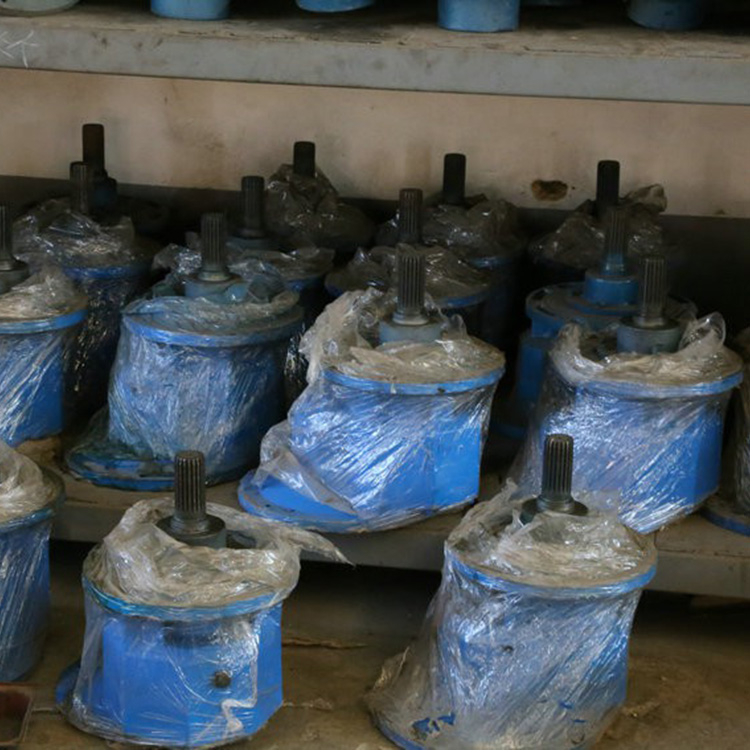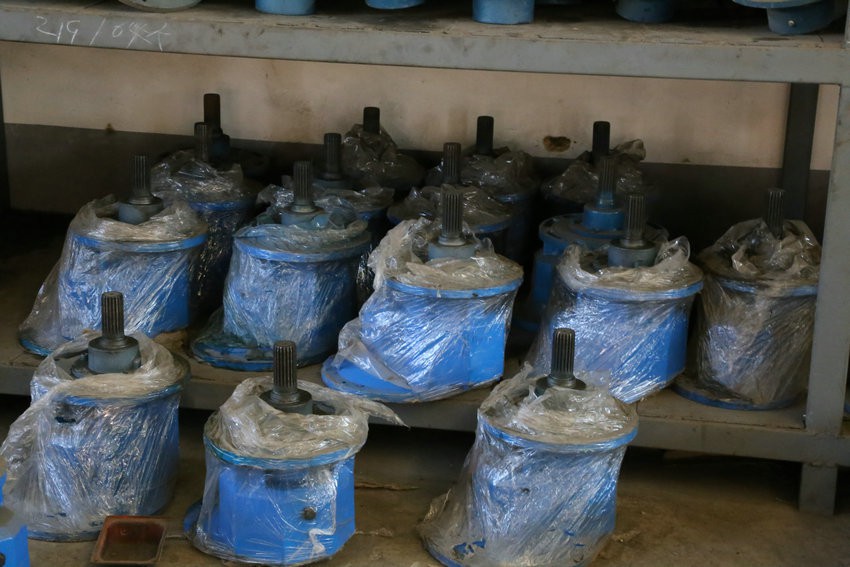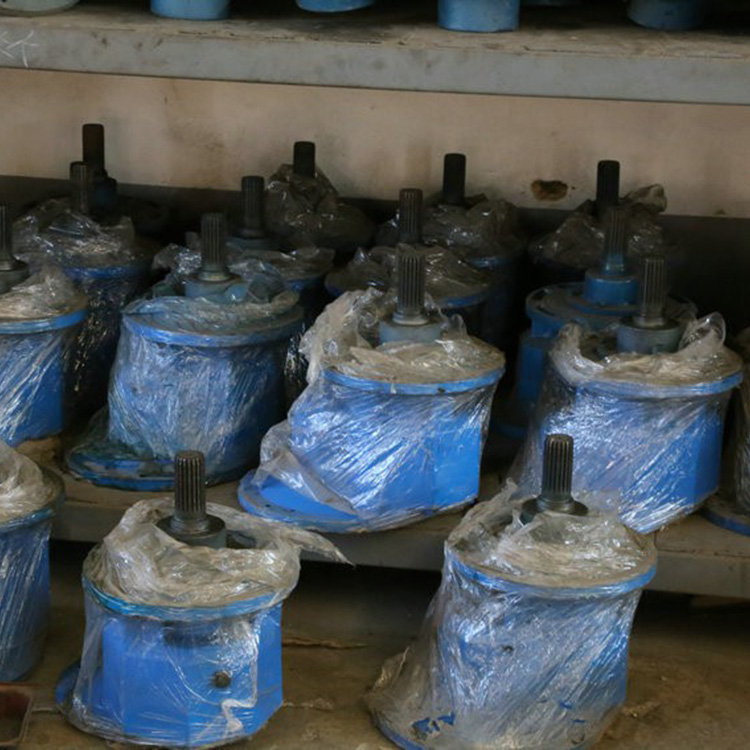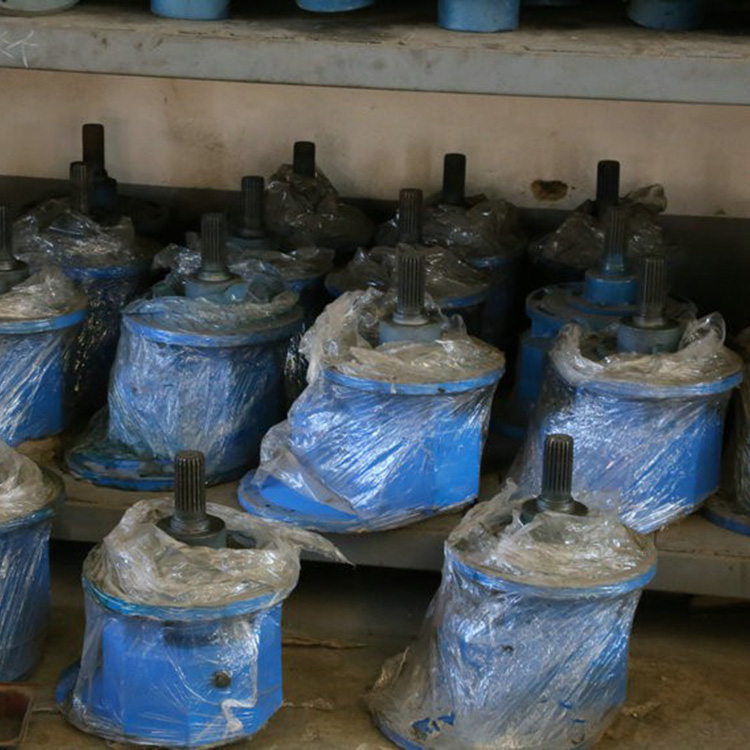

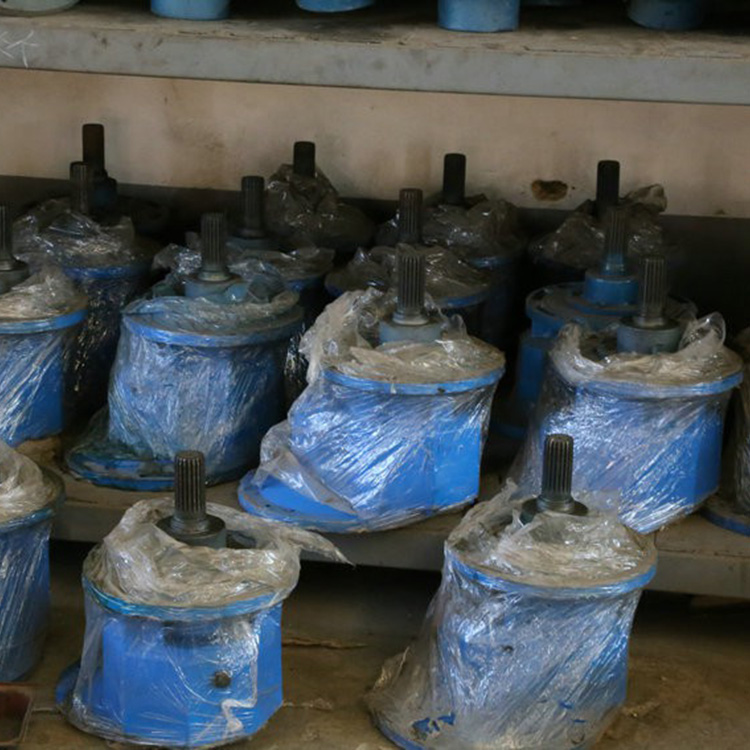
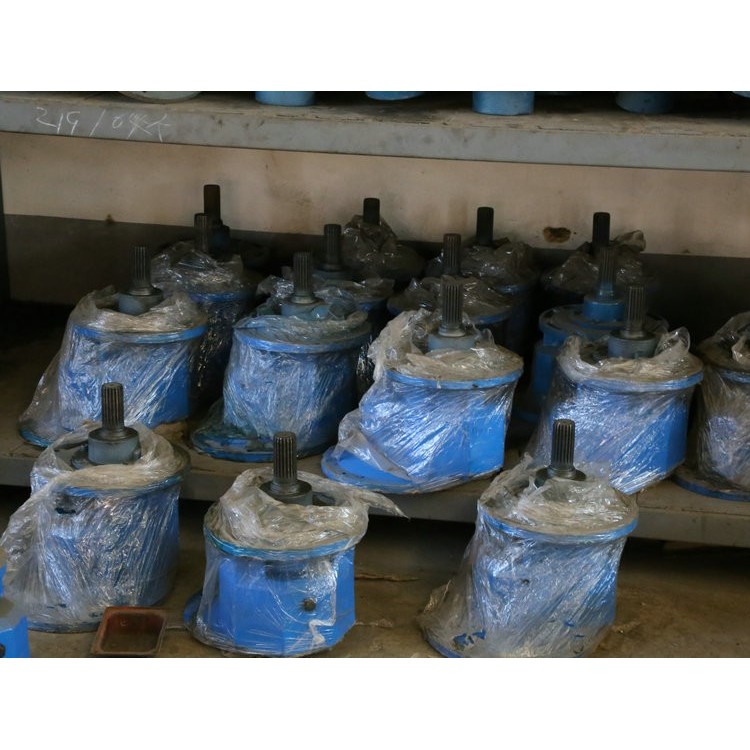












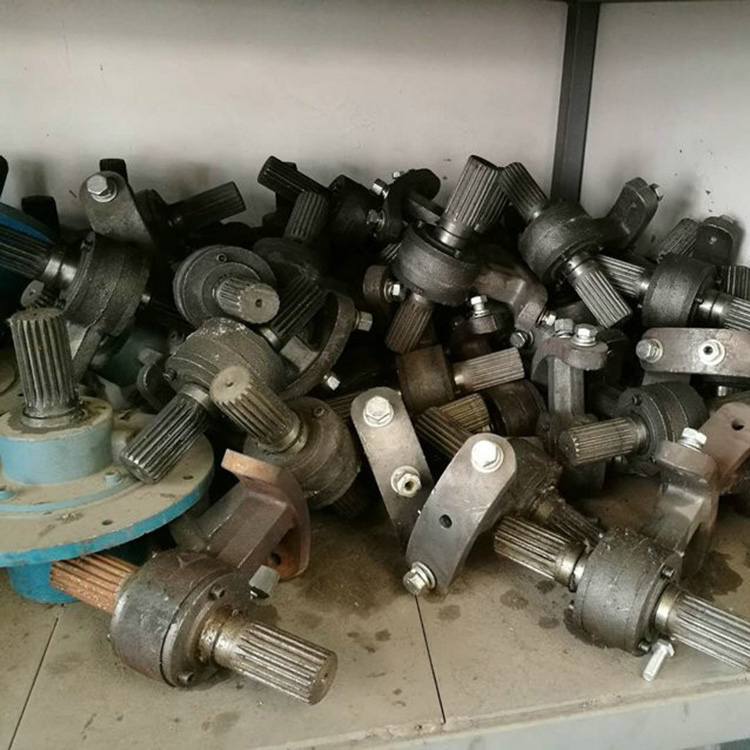
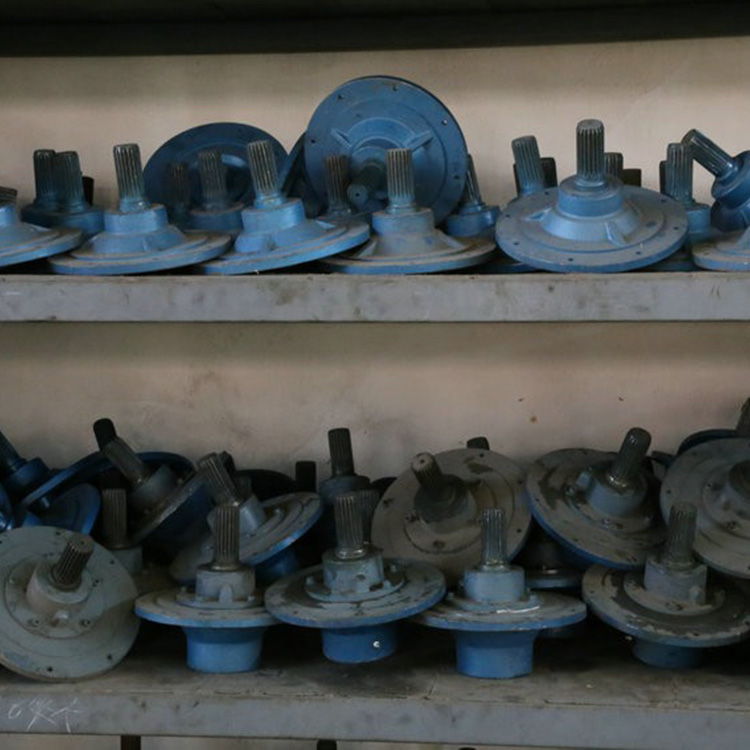
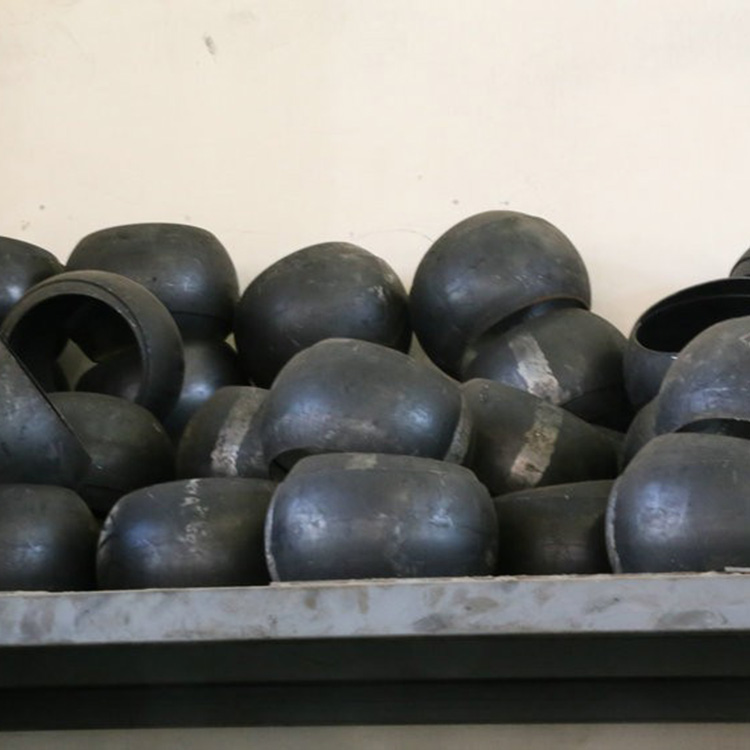
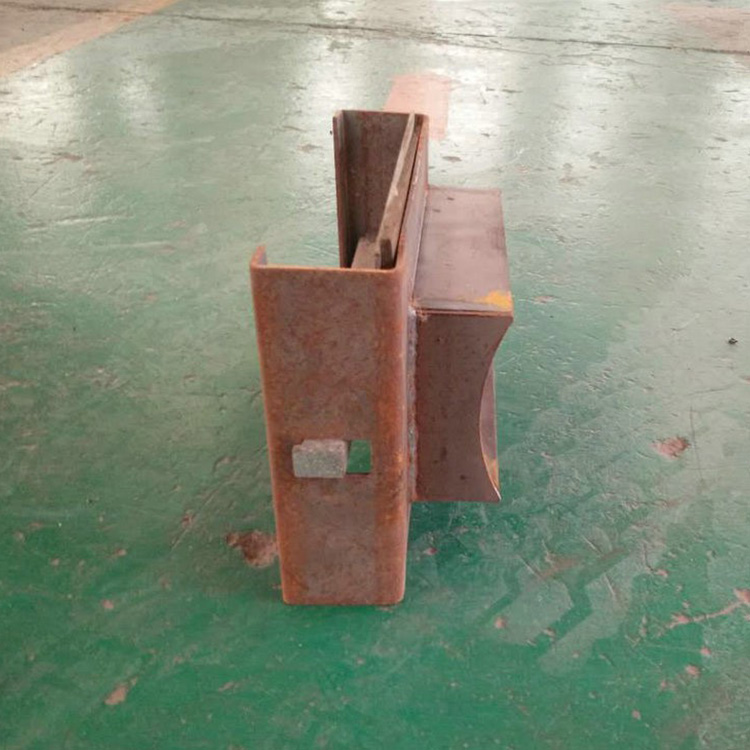
Pipe-mounted reducer function
1. Reduce speed while increasing output torque; the torque output ratio is calculated by multiplying the motor output by the reduction ratio, but be mindful not to exceed the reducer's rated torque. 2. Simultaneously, the load inertia is reduced when减速ing, with the reduction in inertia being the square of the reduction ratio.
Tube Type Reducer Techniques
1. After operating for 200 to 300 hours, the initial oil change should be performed. Regularly check the oil quality during subsequent use, and replace any oil contaminated with impurities or that has become rancid promptly. Generally, for belt-driven reducers used in continuous long-term operation, replace the oil every 5,000 hours or once a year. For reducers that have been idle for a long time, new oil should also be changed before resuming operation. The reducer should be filled with oil of the same brand as the original, and it should not be mixed with oil of a different brand. Oils of the same brand but different viscosities are permissible to be mixed.
2. Wait until the tube-type reducer cools down to a non-combustible state before changing the oil, but keep it warm as it is. Fully cooled oil has increased viscosity, making it difficult to drain. Note: Disconnect the power supply to the drive unit to prevent accidental energization.
3. During operation, if the oil temperature exceeds 80℃ or the oil sump temperature exceeds 100℃ and abnormal noises occur, stop using the equipment. Check the cause, rectify the fault, and replace the lubricating oil before resuming operation.
4. Users should have reasonable rules and regulations for operation and maintenance. The operation status of the tubular reducer and any issues found during inspection should be carefully recorded. These regulations should be strictly enforced.
Pipe-mounted reducer maintenance
When selecting grease for walking tube-type reducer bearings, for heavy loads, choose grease with a lower penetration. In addition to a low penetration at high pressure, the grease should also have high oil film strength and extreme pressure properties. When selecting grease based on environmental conditions, calcium-based grease is not easily soluble in water and is suitable for dry and low-moisture environments. When selecting grease based on operating temperature, the main indicators should be the drop point, oxidation stability, and low-temperature performance. The drop point is generally used to evaluate high-temperature performance, and the actual working temperature of the bearing should be below the drop point by 10-20°C. The operating temperature of synthetic grease should be below the drop point by 20-30°C.