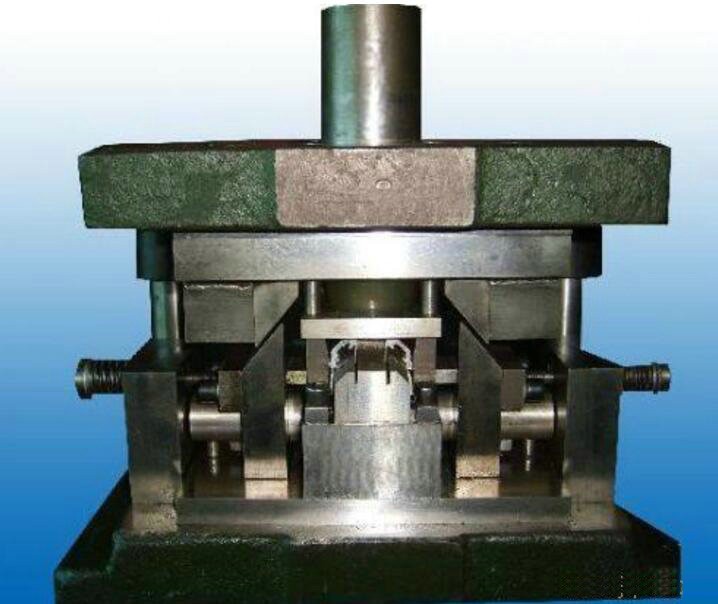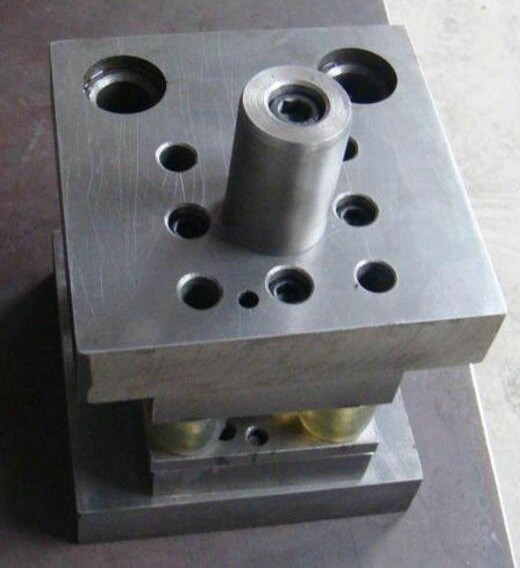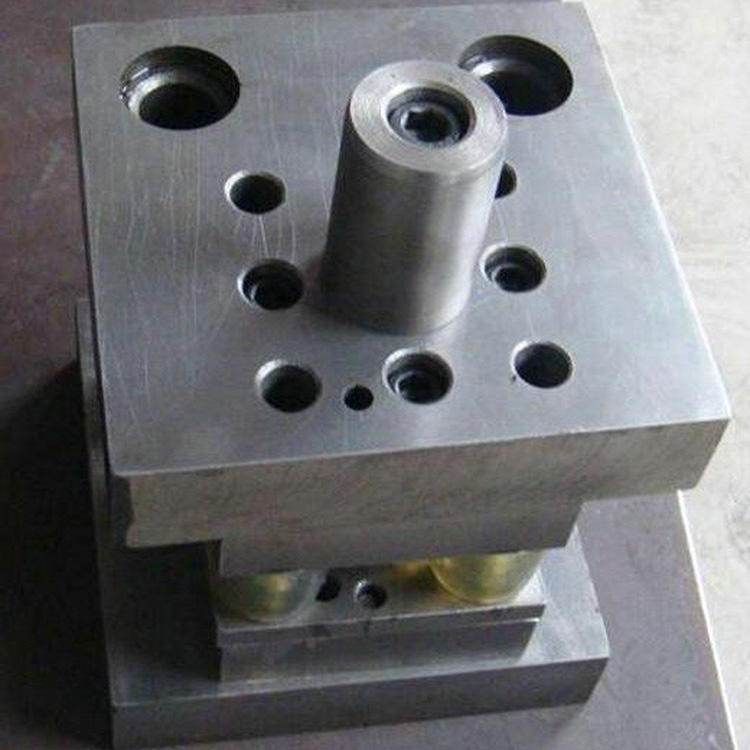

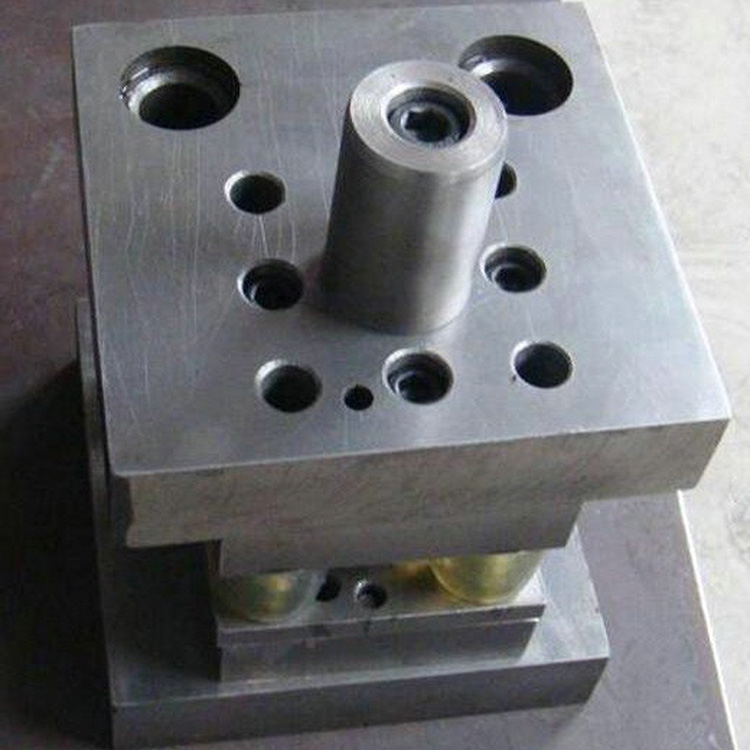
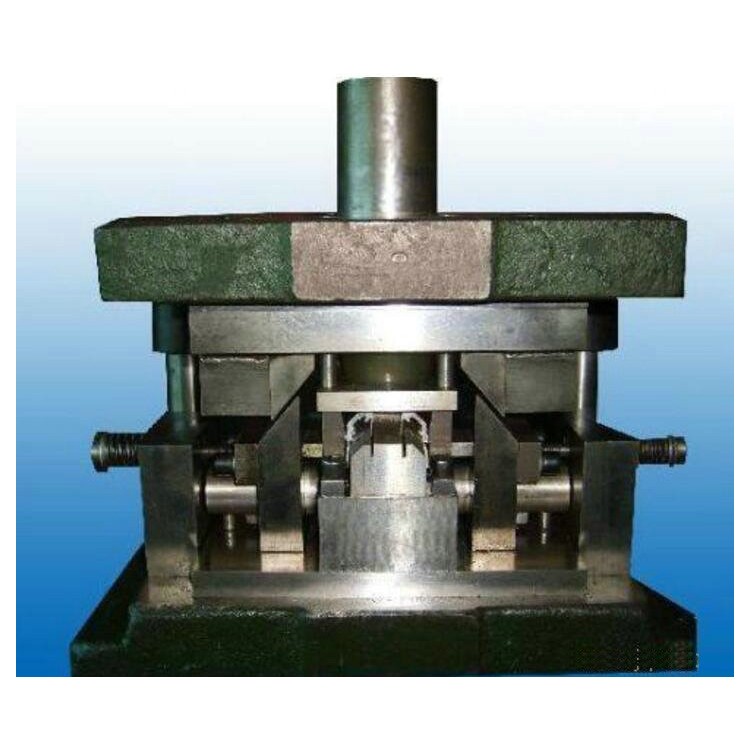












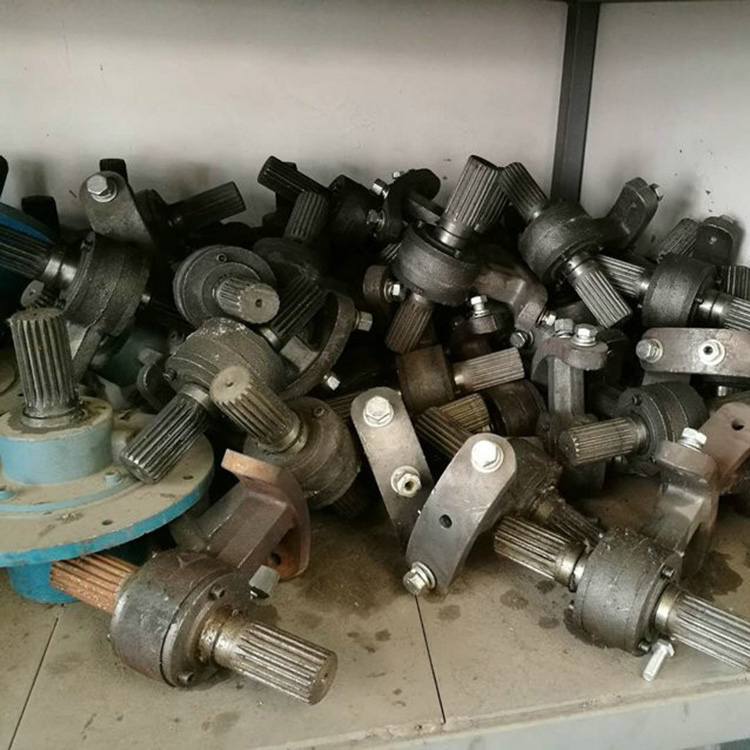
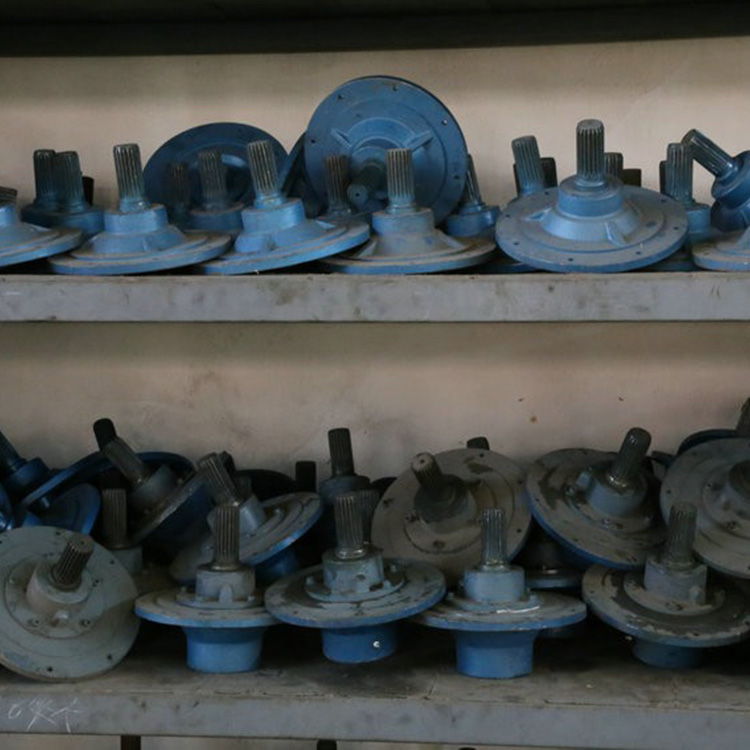
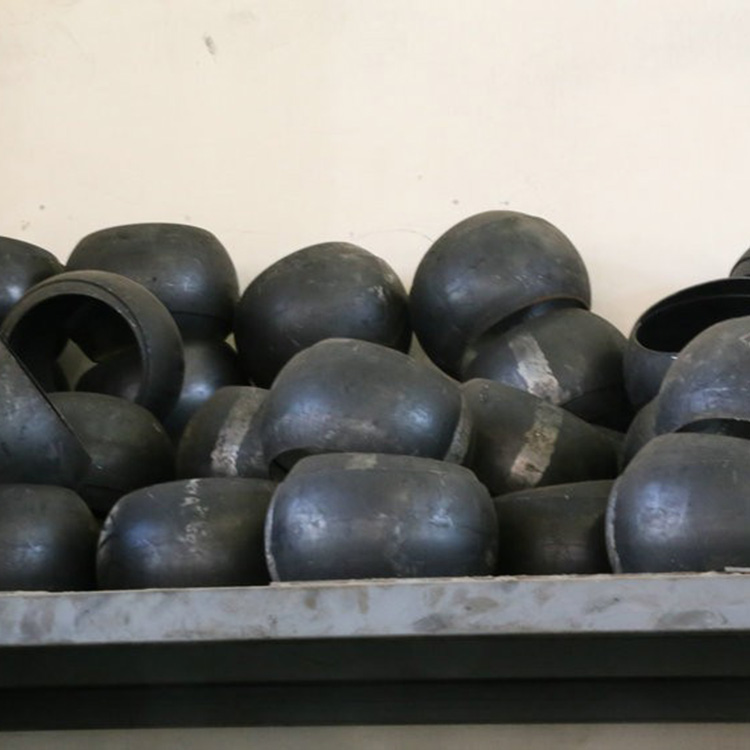
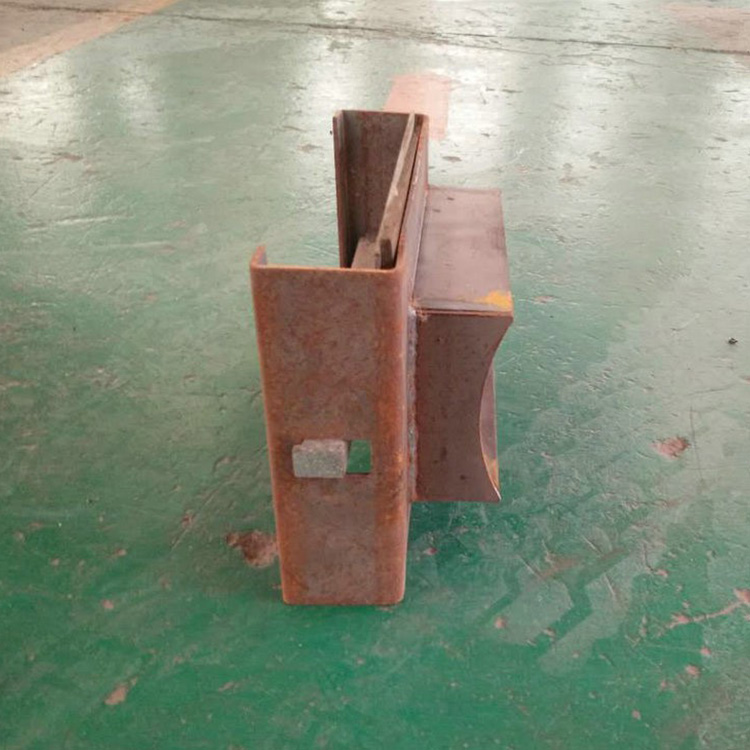
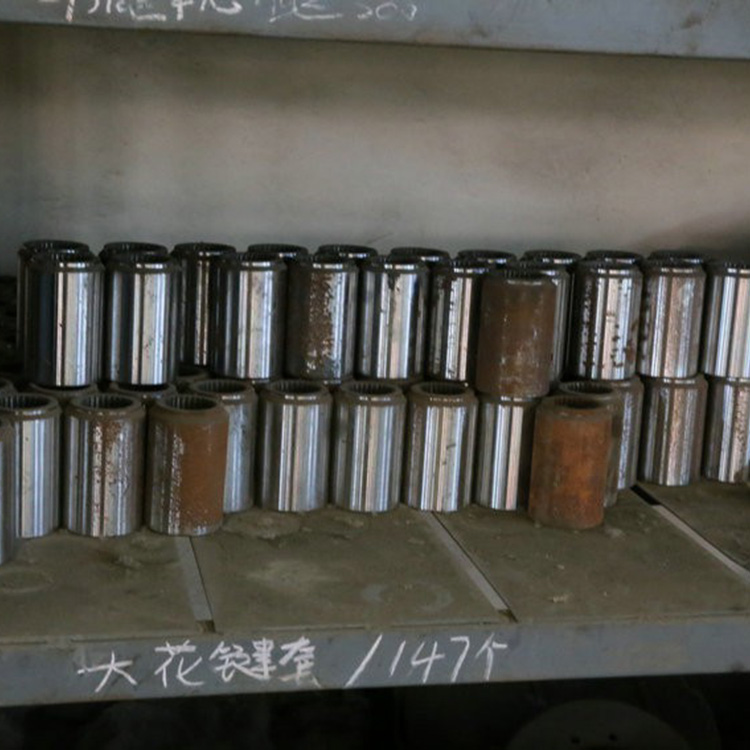
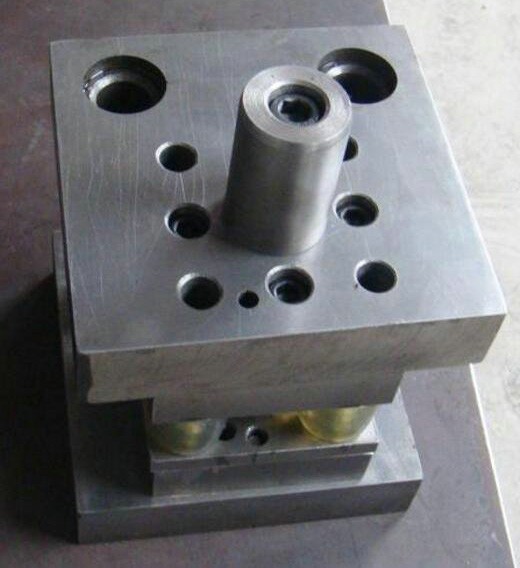
Molding processing involves the machining of forming and blanking tools, as well as shearing dies and stamping molds. Typically, molds consist of an upper and a lower part. The steel plate is placed between the upper and lower molds, and the material is formed under the action of a press. When the press opens, the workpiece shaped by the mold or the corresponding waste material is removed. Molding can be used for everything from electronic connectors to car dashboard parts. A progressive die is a set of molds that can automatically move the workpiece from one station to another and obtain formed parts at the last station. Molding processing techniques include blanking dies, blanking molds, compound molds, extrusion molds, four-slide molds, progressive dies, stamping molds, and die-cutting molds, among others.
Basic Features:
(1) High machining accuracy required: A mold typically consists of a female die, a male die, and a mold base, and some may be composed of multiple assembled modules. Therefore, the combination of the upper and lower molds, the fitting of inserts and cavities, as well as the assembly of modules all necessitate a high level of machining precision. The size accuracy of precision molds often reaches the μm level.
(2) Some products, such as automotive covers, aircraft parts, toys, and household appliances, have complex shapes with surfaces composed of various curved surfaces. Therefore, the mold cavity surfaces can be quite intricate. Some of these curved surfaces are processed using mathematical calculation methods.
(3) Production of small mold batches is not mass production in bulk; often, it only involves producing one set.
(4) During the multi-process die manufacturing, various processes such as milling, boring, drilling, reaming, and thread tapping are always utilized.
(5) The use of repetitive production molds has a lifespan. Once a set of molds exceeds its lifespan, new molds must be replaced, thus leading to the repetitive nature of mold production.
(6) In the production of mold for profiling machining, there may be no drawings or data available, and profiling machining must be done based on the actual item. This requires high accuracy in duplication without deformation.
(7) Excellent mold materials with high hardness: The primary materials for molds are mostly made of high-quality alloy steel, particularly for molds with long service life, which commonly use Leebesteel such as Cr12, CrWMn. These steels are subject to strict requirements from rough forging, machining to heat treatment. Therefore, the preparation of the processing technology cannot be overlooked, and the deformation during heat treatment is also an issue that requires careful attention.