












Be sure to carefully review the evaluation of the site and recommendations for foundation selection in the geological data to get a general understanding of the site's conditions.

Evaluate and understand the geological structure, soil layer distribution, site stability, and uniformity based on geological section maps and physical indicators of various soil layers; observe whether the actual site conditions deviate from the geological report; combine the settlement observation values of the main structure with the geological report to analyze the causes of large settlement values, ensuring the quality of the construction work.
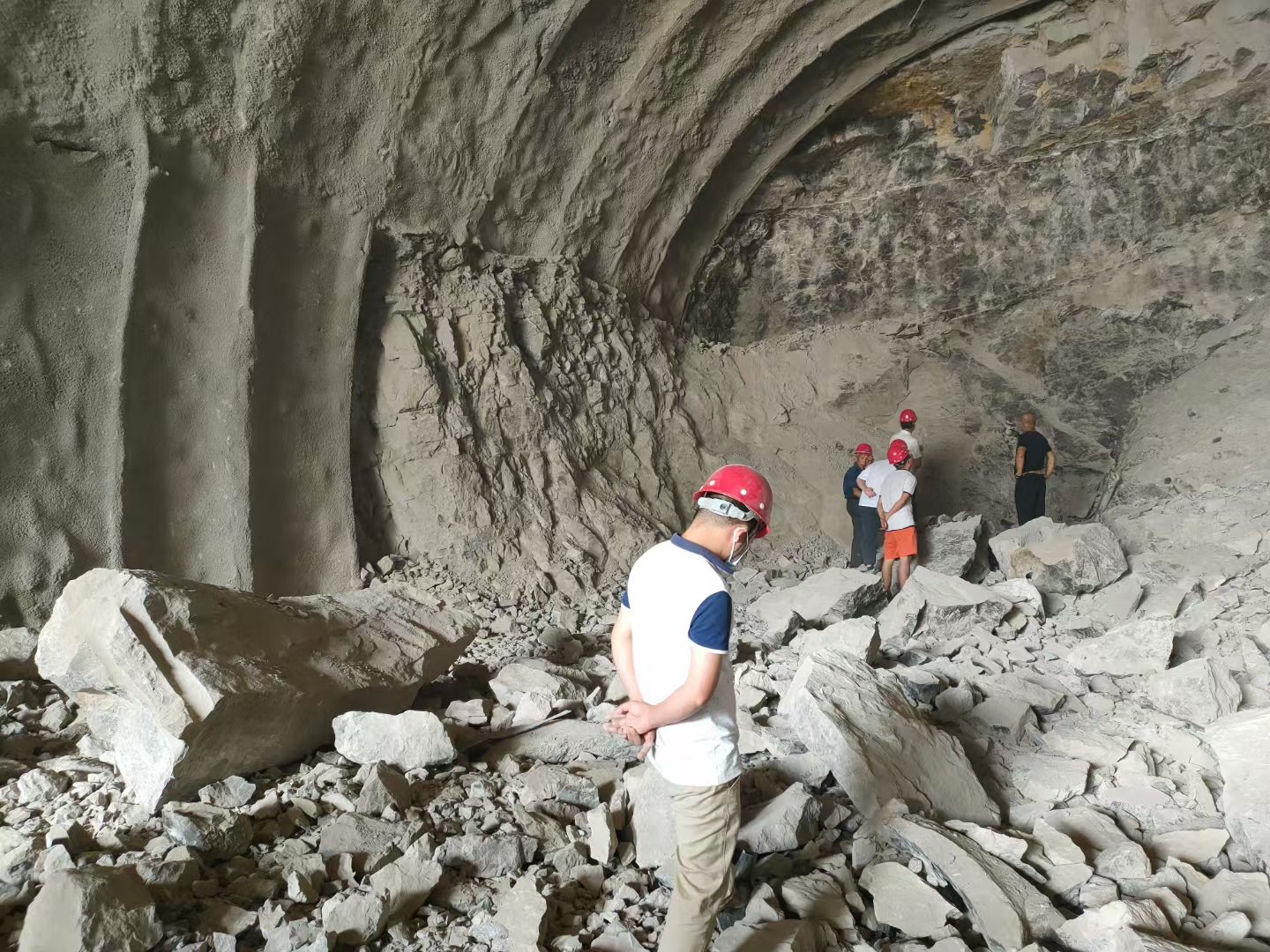
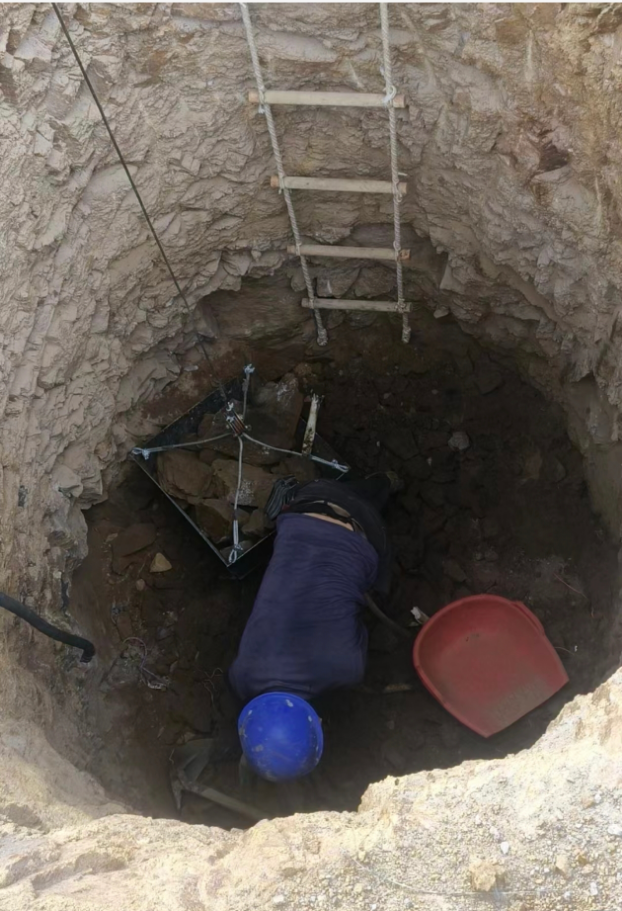
Have you identified any adverse geological conditions affecting the foundation, such as soil caves, karst caves, soft soil, groundwater conditions, etc.? Be aware that geological reports on groundwater often include the phrase "No groundwater observed during the survey period." If the site has a basement and is situated on an impermeable soil layer, such as rock, the design must consider water pressure. If the foundation pit gets waterlogged and there's no place for the water to go, and this was not accounted for in the design, you should immediately contact the owner and the design unit.
Floor plans and detailed drawings, including template drawings, detailed drawings of special nodes, arrangement of prefabricated panels, reinforcement of cast-in-situ slabs, beam layout, canopy, balcony, overhanging eaves layout and their cross-sectional details, stair layout, elevation of slab tops, beam layout and numbering, opening sizes on slabs and additional reinforcement, location and detailed drawings of manholes and ventilation holes on the roof surface.
The soil test is conducted to generally determine the soil quality and specific soil conditions in the foundation trench, thereby judging the local treatment for abnormal ground conditions; to decide if additional drilling is necessary, if the original foundation design requires modification, and to confirm the external environment of the accepted materials and the project.
The subsoil layer, whether it is the one provided by the geological department at the time of design, and if there are any differences, is primarily the responsibility of the surveyor.
Is the foundation depth up to the design depth, is the bearing layer in place or over-excavated, are the foundation pit dimensions correct, and the axis position and deviation, as well as the foundation size?
Verify geological reports; negotiate and resolve discrepancies, modify design plans; check for waterlogging in the foundation pit and disturbance of the soil layers; identify any other factors affecting the quality of foundation construction (such as the suitability of the slope of the foundation pit, and the presence of collapses).
The main points to note during the main structure acceptance are: whether the beam, column, and plate dimensions align with the design requirements, the quality of their formation, and the presence of honeycomb or rough surfaces. Additionally, check for any repair marks; if present, inquire about the reason for the repair and whether it affects the structure.
Are the embedment pieces accurately placed, are the rebars reserved, is the water passage for the rainwater pipe set correctly, are the facilities like the bathroom installed as required, and are the rebars for the sealed holes reserved, etc.?
Is the mortar in masonry work sufficient and strong (you can give it a twist with your hand), how is the layout of the masonry, is it straight, and is the wall surface smooth? Are the structural columns in the masonry properly notched, is the masonry below the frame beams dense, and are the ring beams set as required? Is the thickness of the砂浆 leveling layer on the wall surface too thick, etc.?
Check the settlement records during each layer's construction to see if there are any significant differences in settlement. Note the amount of settlement increase per layer and the differences in settlement between observation points. If there are excessive differences, increase the observation density first.
Random inspections and tests of the functional use of engineering, such as: toilet, balcony splash test, bathtub, water tray, pool water retention test, water and electricity supply test, main drainage pipe ball test, as well as insulation resistance, grounding resistance leakage trip test, etc.
Summarize and discuss the completion and acceptance of the project, and hear the quality supervision institution's report on the supervision of the project's quality.
Formulate the acceptance opinion, fill out the "Construction Project Acceptance Record Form" and the "Construction Project Acceptance Report," with members of the acceptance team signing individually and the construction unit stamping.
Upon discovering severe issues during the acceptance process that do not meet the completion standards, the acceptance team should require the responsible unit to rectify the issues immediately, declare the current acceptance invalid, and reschedule a new time for the final acceptance.