




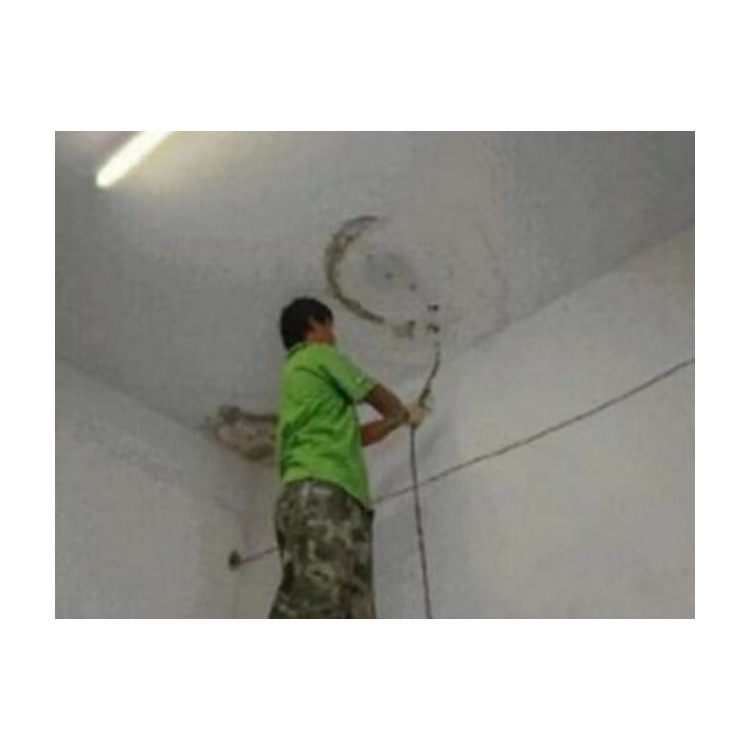
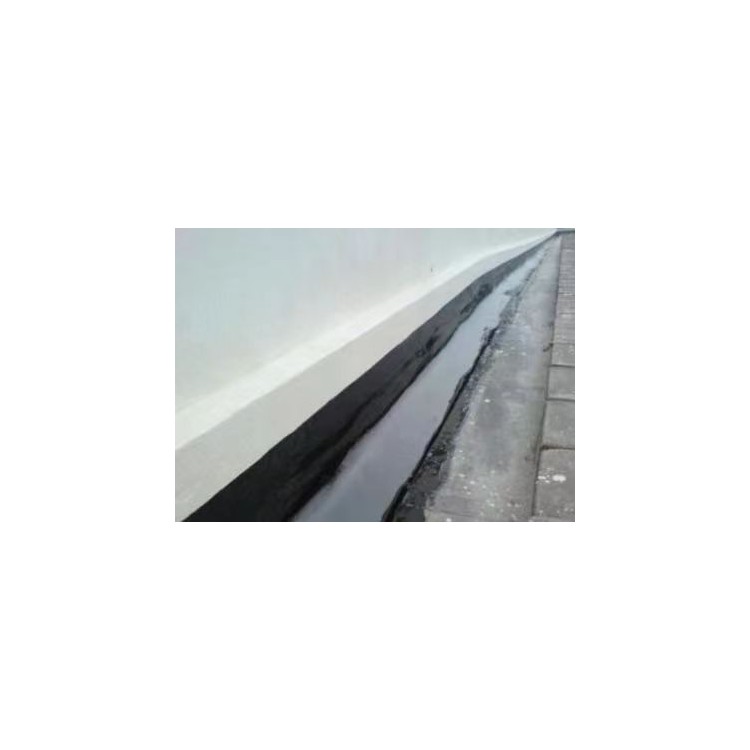
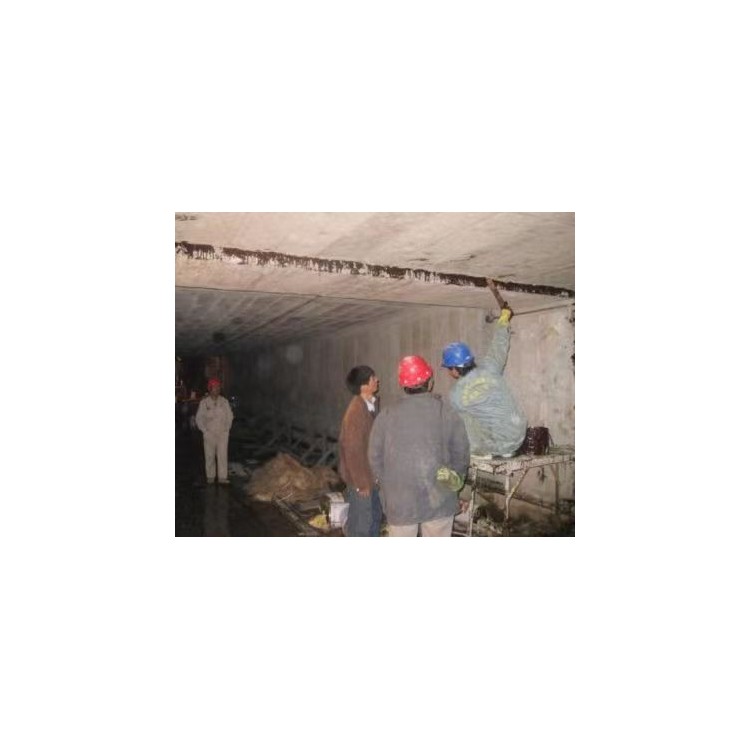
Waterproofing and Leak Repair Methods: Use a knife to remove the waterproof cement or adhesive between tiles, dry the floor with an oven for one day, then fill the grooves with cement of the same color as the floor (use white cement if the floor is white, black cement if the floor is black, for aesthetic purposes). Next, slowly inject a special CPC anti-leakage agent into the cement. After 1-2 days, the waterproof agent and cement will firmly adhere to the tiles, effectively forming a stable waterproof layer. After drying, conduct a 24-hour closed water test to ensure no leakage before proceeding with the floor installation.
What are the methods for leak-proof and waterproof repairs?
1. If the bathroom is to be sealed with caulk, a utility knife should be used to score a groove in the seams.
2. Apply the penetrating waterproofing agent evenly onto the cement.
3. After the waterproofing agent dries, fill the gaps with sealant.
4. Apply plastic steel mud to create waterproof edges at the junctions of walls and floors, as well as on pipes.
5. Do not touch water within 24 hours after the project is completed.

Waterproofing and Leak Repair Project Precautions
1. When finding the slope towards the ground drain, you can use cement mortar or gravel concrete, but note that the surface must be level. If the slope near the door is smaller and the slope near the ground drain is larger, you need to master the method according to the specific situation. Reinforce waterproofing where the pipeline passes through the floor. After sealing the pipe root with construction sealant and smoothing with cement, apply 1 to 2 layers of glass fiber cloth reinforcement when brushing the waterproof coating. The same applies near the ground drain.
2. Since the existing waterproofing layer in the kitchen and bathroom is easily damaged during renovation, it is crucial to protect it during construction. Do not destroy the original waterproofing layer, and if it is accidentally damaged, repair it promptly. The method involves chiseling off all the original tiles, then leveling the ground with cement mortar, ensuring it is as flat as possible. Next, apply 2-3 coats of waterproofing paint, making sure to apply it evenly and maintain consistent thickness.
3. When the leak location is clearly visible, water stop can be used for repair. If it's not apparent on the surface but extensive leakage occurs, the process becomes a bit more complicated. There are two methods: one is to first remove the floor tiles, treat the base surface, and then apply waterproofing again; the other is to inspect the leak point from the ceiling below and use high-pressure grouting to seal the leak.
4. The waterproof layer on the ground should extend 500mm beyond the bathroom door. The waterproof layer for the showered bathroom floor should be elevated 200mm above the ground, and the waterproof layer on the bathroom walls should be 1800mm above the ground.
5. Water finds its way everywhere; it can seep into the interior of buildings through wind pressure, convection, impact, and adhesion, often not easily detectable on the surface during the渗透 process. Therefore, when identifying the cause of leakage, we must delve into the "intestines" for analysis and judgment to accurately pinpoint the problem and apply the appropriate solution.

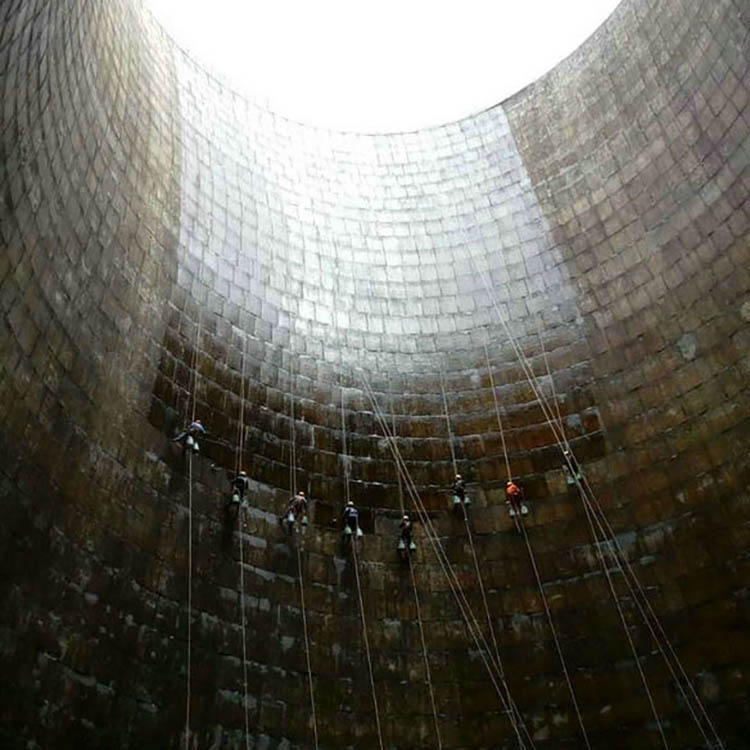
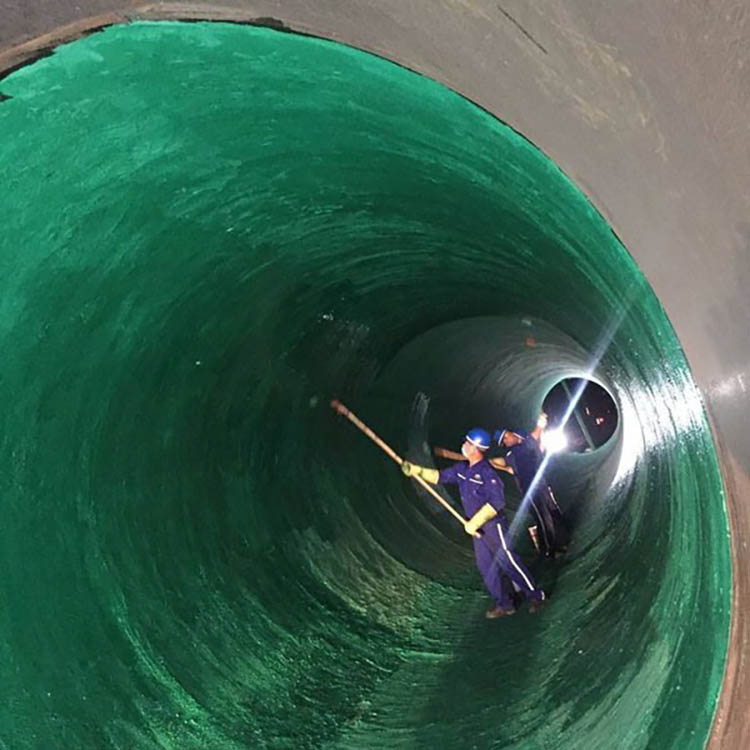
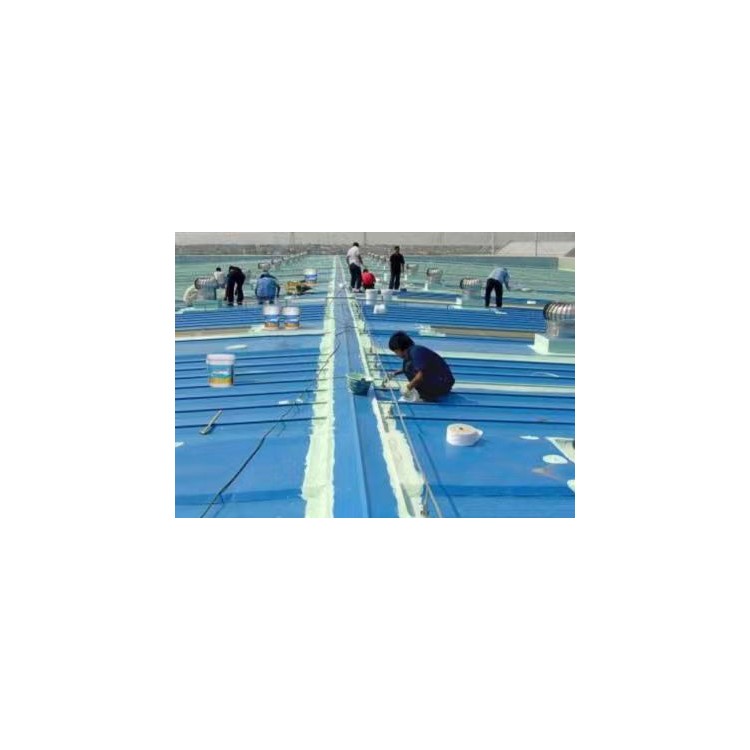
Waterproofing and leak repair refers to the process of repairing leaks in buildings (of course, it's not always about leaks; it can be other forms of leakage as well).
Properties of Water
Water permeates through every crack and crevice, seeping into the building's interior through forces like wind pressure, convection, impact, adhesion, and capillary action. Moreover, this infiltration is often not noticeable on the surface. In other words, to find the cause of water leakage, a thorough "internal" analysis and judgment is necessary before appropriate measures can be taken.
Pressure Variation
Once water permeates into a building, confined within a limited space, when exposed to the sun, it generates heat and turns into steam. This steam builds up immense pressure capable of destroying the existing waterproofing layer, and even the surface finishes and decorations (such as paint peeling off, wallpaper darkening, tiles bulging, and wooden flooring swelling). In other words, if a unit of water were to completely transform into steam within the confined space of a building, it would exert 1,240 times the pressure, which is incredibly destructive. (That's why we often see waterproofing adhesives failing on moisture-containing foamed concrete, as the entire surface soon bubbles and peels off.)
Basic Requirements
The interface with waterproof materials must be free of blisters, sanding, honeycomb structures, wood splinters, paper屑, mud, small stones, and should not be applied to loose or unstable surfaces. This is due to poor adhesion, compounded by the destructive effects of ultraviolet rays from the sun, the natural expansion and contraction of the building materials with temperature changes, and the pressure from steam, which can easily lead to the aging and failure of the waterproofing layer.

How to perform waterproofing and leak repair work
1. For users of new installations or renovations, it is recommended to first level the bathroom floor with cement mortar before applying waterproofing. This effectively prevents leaks caused by uneven thickness of the waterproof coating.
2. During construction, it is essential to closely supervise relevant personnel to ensure thorough handling of edges and less noticeable areas. Additionally, all waterproof coatings must be applied properly to prevent any issues from arising.
3. After construction is complete, it is crucial to conduct a waterproofing test. The specific procedure involves blocking all access points in the bathroom and building a 25-centimeter-high barrier. Then, fill the toilet with 20 centimeters of water and check for any leakage after 24 hours.
We operate with the philosophy of "faith as the sky, sincerity as the root," providing enthusiastic and excellent service to ensure customer satisfaction. We adhere to the quality policy of "people-oriented, sincerity wins trust, quality wins the world, innovation wins the world" and the corporate spirit of "being honest in our actions and steadfast in our work."