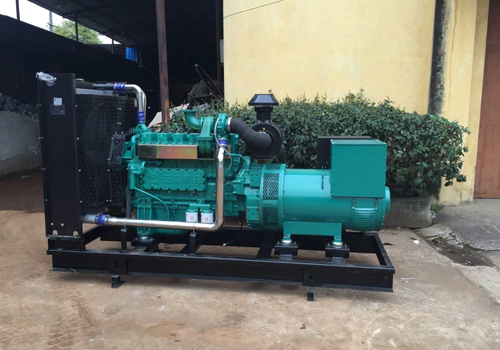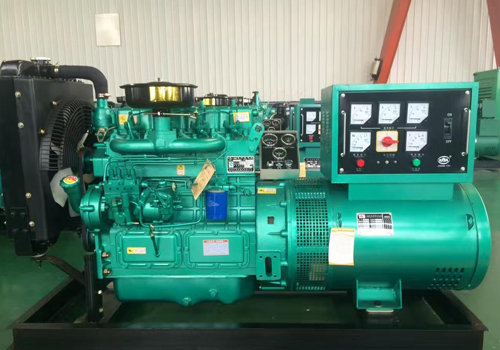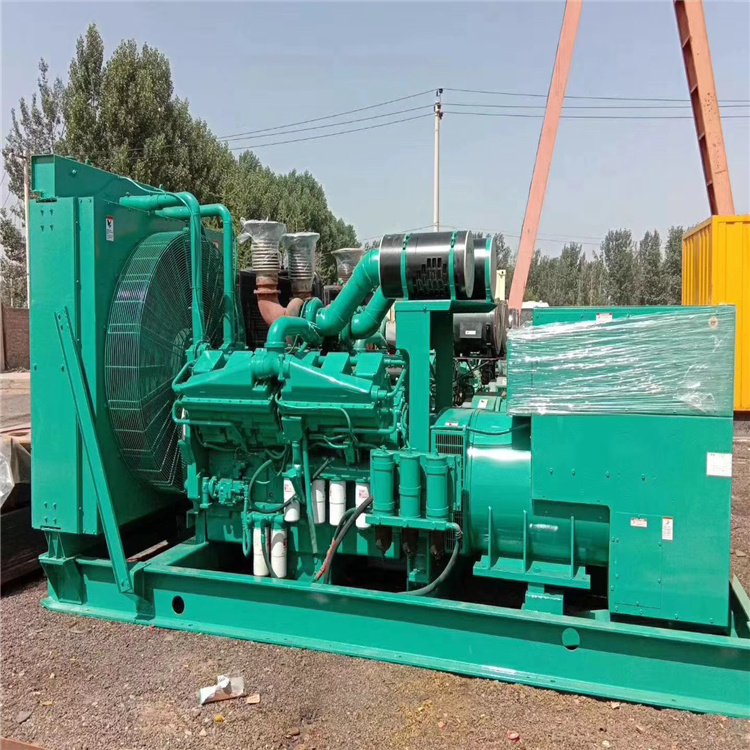

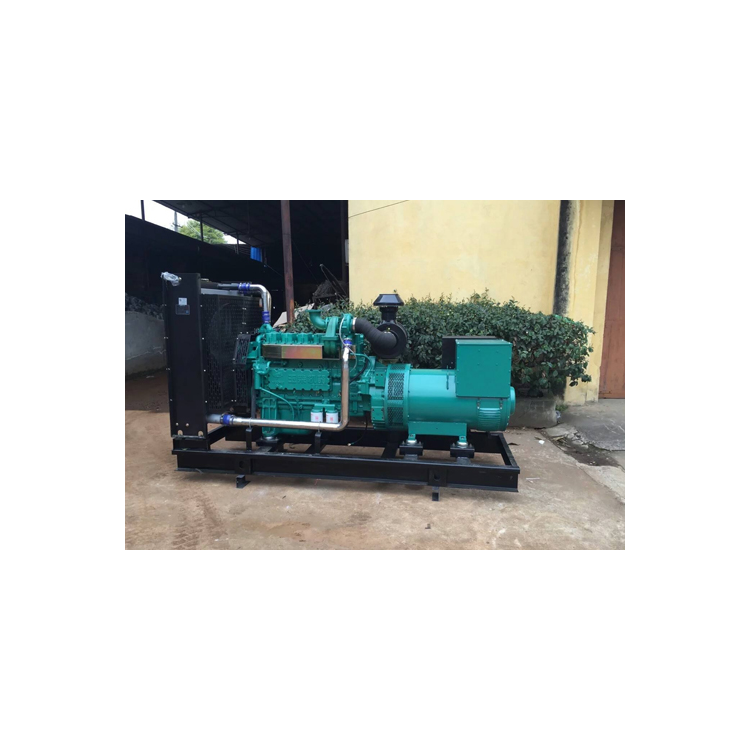

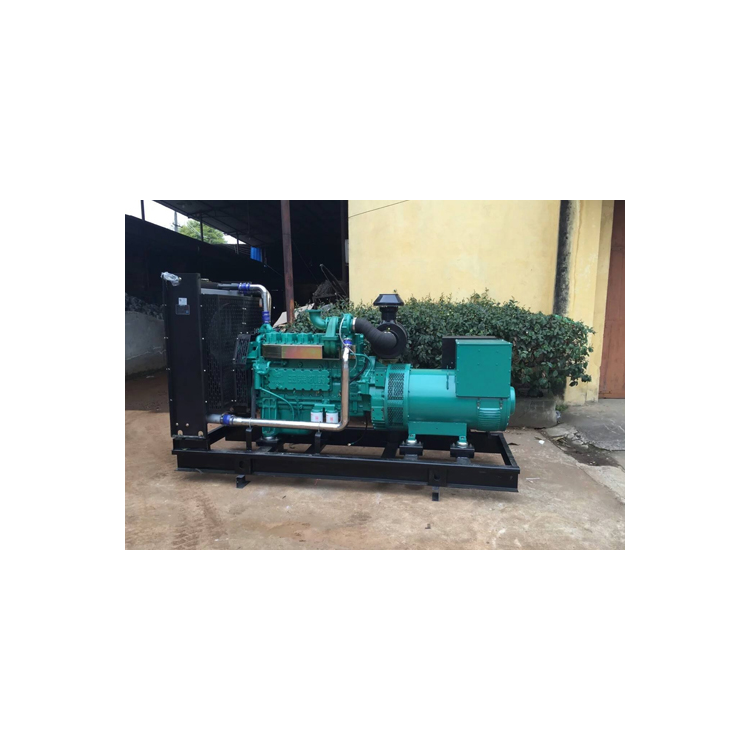
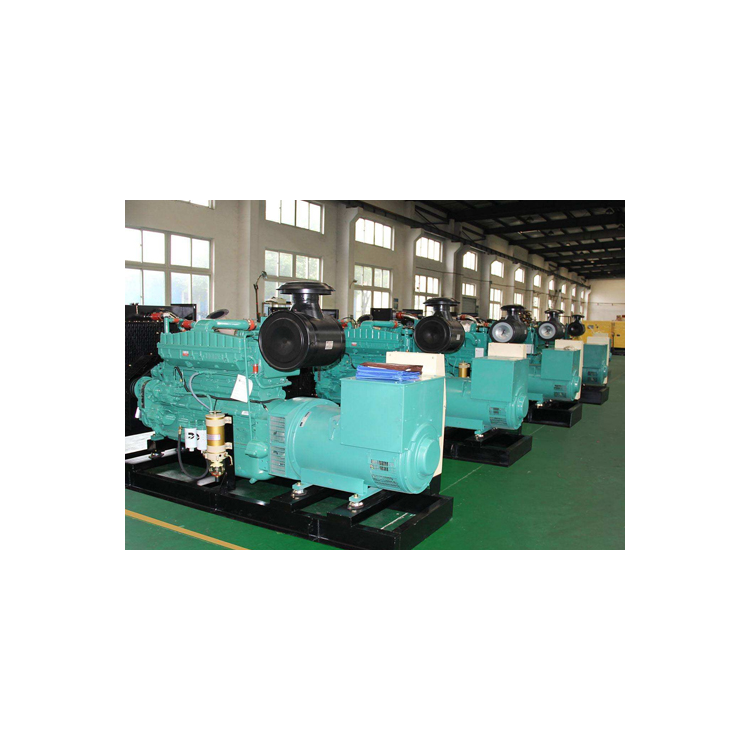
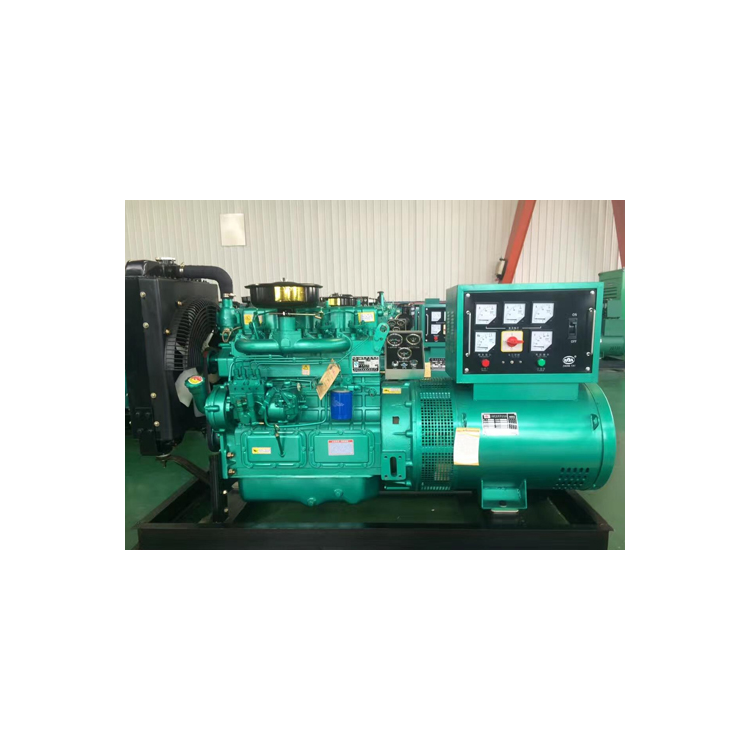







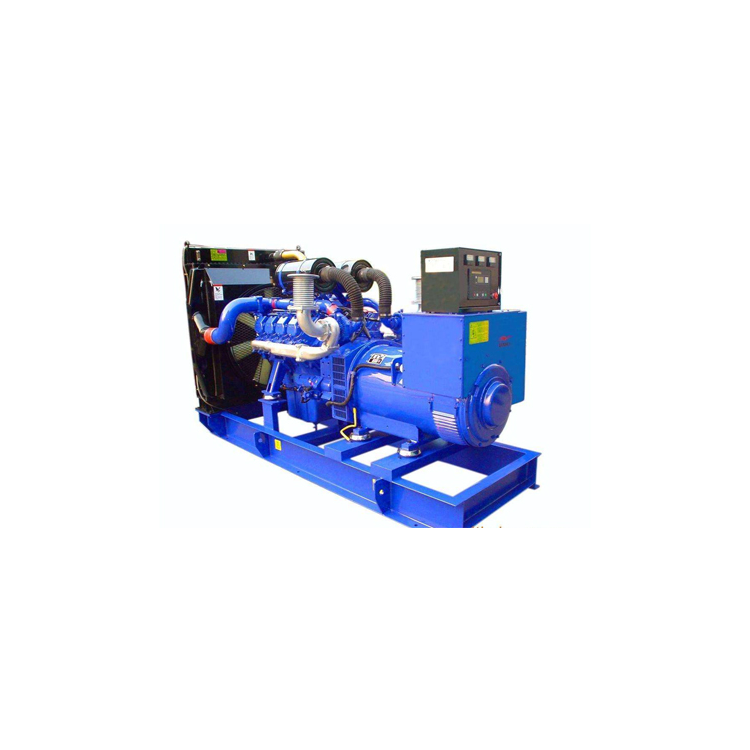
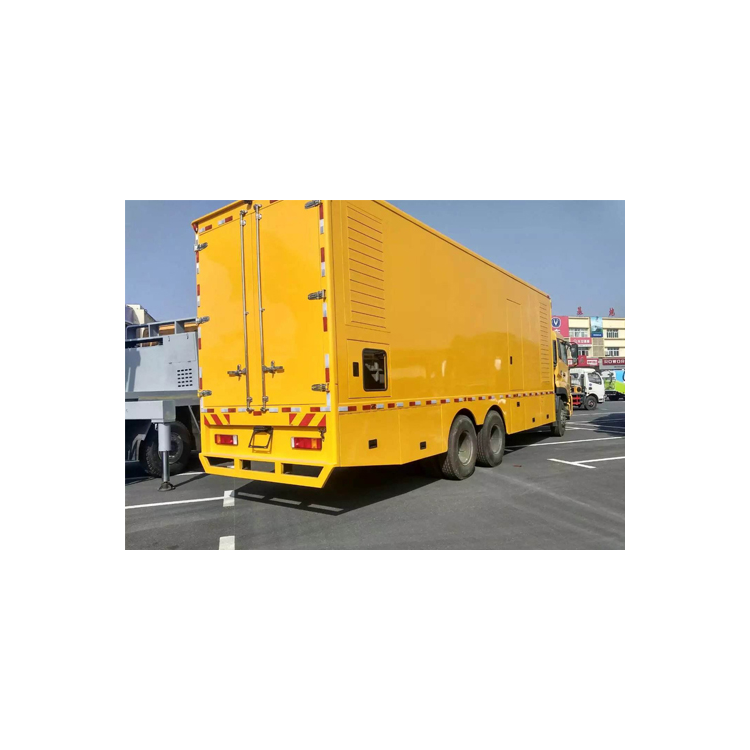
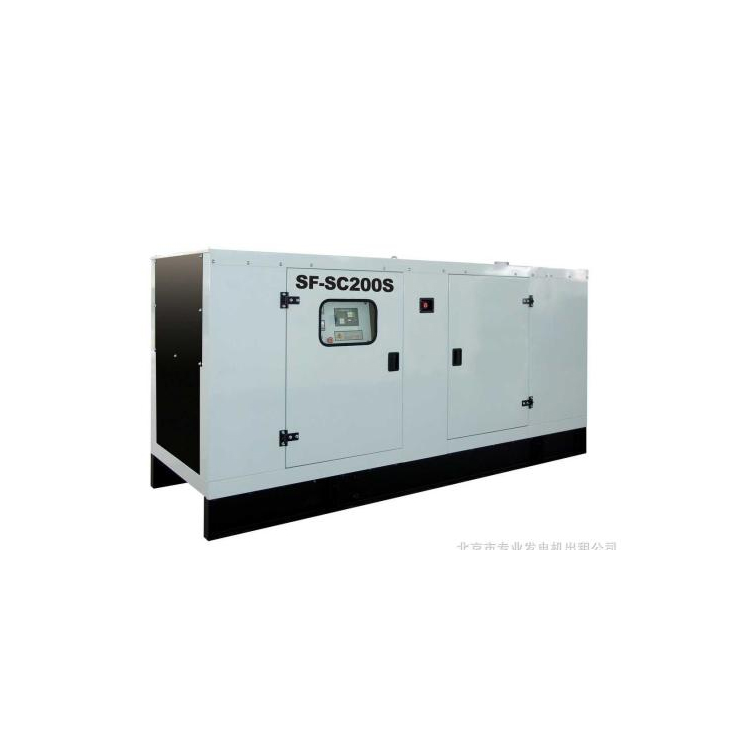
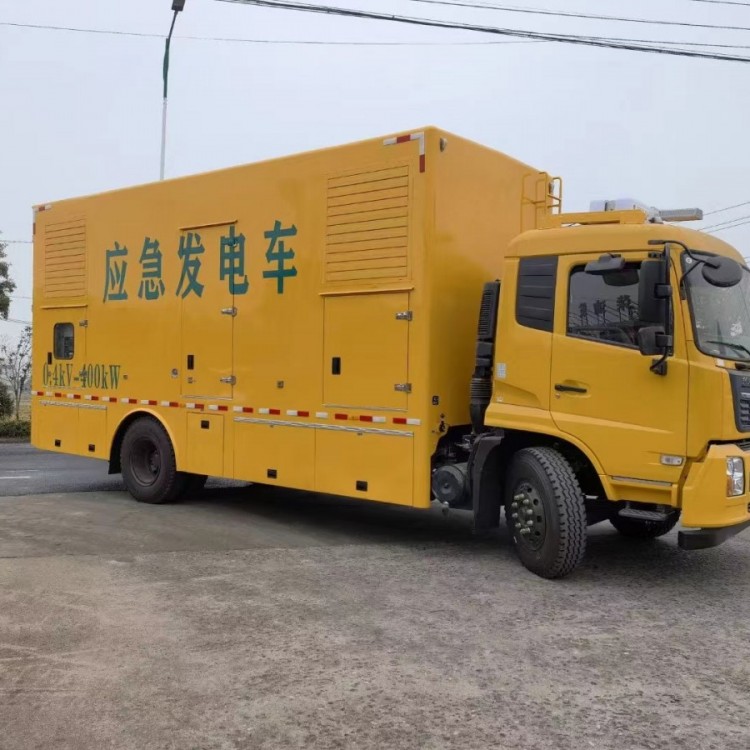
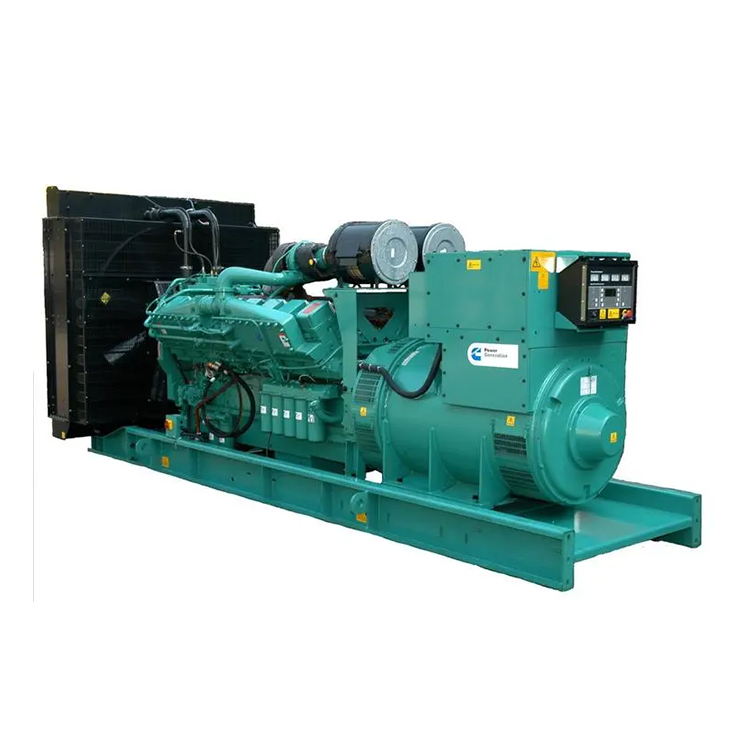
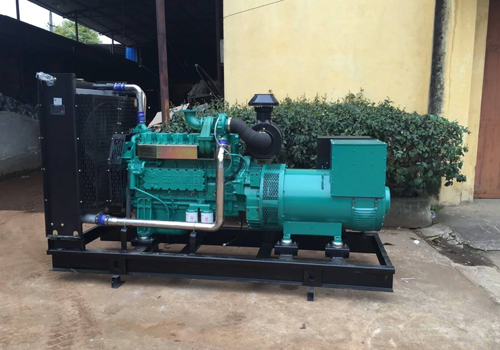
Diesel generators are small-scale power generation equipment, referring to power machinery that uses diesel fuel as the energy source and diesel engines as the prime mover to generate electricity. The complete set usually consists of diesel engines, generators, control boxes, fuel tanks, starting and control batteries, protective devices, and emergency cabinets, among other components.
Suitable for daily and emergency power generation in various homes, offices, and small to large businesses.
Engine Model
Diesel engines, generators, and various auxiliary devices (such as bases, tops, sound attenuation, control systems, circuit breakers, jacketed hot water heaters, and starting systems) combined in an enclosed assembly are referred to as a "generator set." [3]
Standard Set-Up
Standard units are widely used in general installation locations within data centers. The unit is mainly composed of diesel engines, generators, control systems, bases, vibration damping devices, cooling systems, fuel supply systems, and output protection switches.
Protective unit
Protective-type units are suitable for outdoor locations where there are no special noise requirements. They mainly consist of standard units, protective enclosures, exhaust systems, and more. As the protective enclosures do not have noise reduction devices, they only need to meet ventilation and protection against rain and snow, which allows for a smaller size and lower cost. Ventilation is achieved by opening doors and windows during operation. The protective power station can be used individually or in parallel with multiple units, which is particularly suitable for applications with significant load variations, high reliability requirements for continuous operation, and cost-effective usage, such as with oilfield drilling rigs.
Noise-reducing unit
Soundproofing units are widely used in outdoor or indoor environments requiring noise reduction for special environmental protection needs. They primarily consist of standard units, soundproof enclosures, inlet and exhaust noise reduction devices, and exhaust noise reduction devices. Their key features include soundproof enclosures with sound-insulating and sound-absorbing layers, noise reduction treatments on the inlet and exhaust air channels, and a combination of industrial and residential silencers for exhaust, which separately reduce noise in high and low frequency ranges. Standard soundproof units typically produce noise levels of around 78-85 dB(A), while super soundproof units usually have noise levels between 70-78 dB(A). Super soundproof units are based on standard soundproof units with stricter noise emission control measures, such as labyrinthine inlet and exhaust air channel designs, to achieve this.