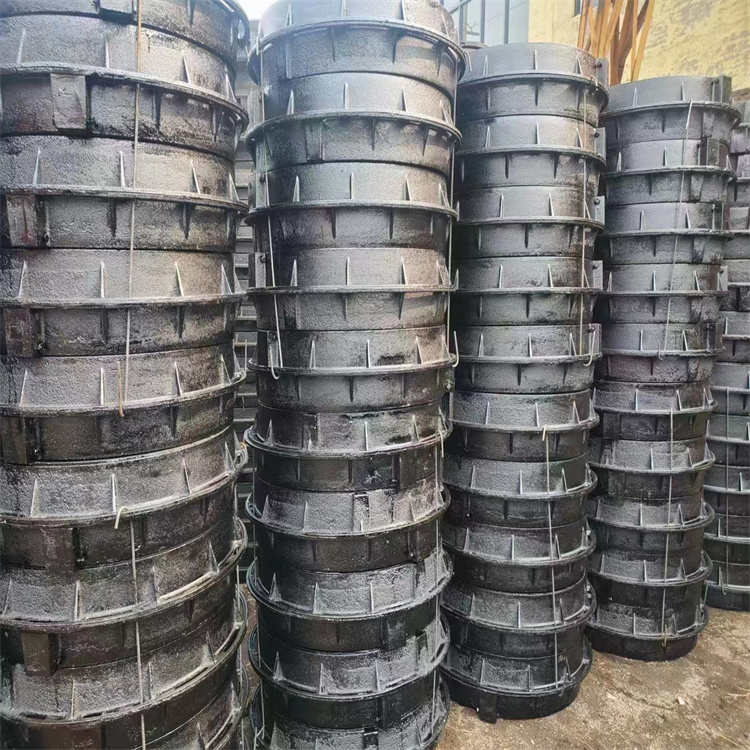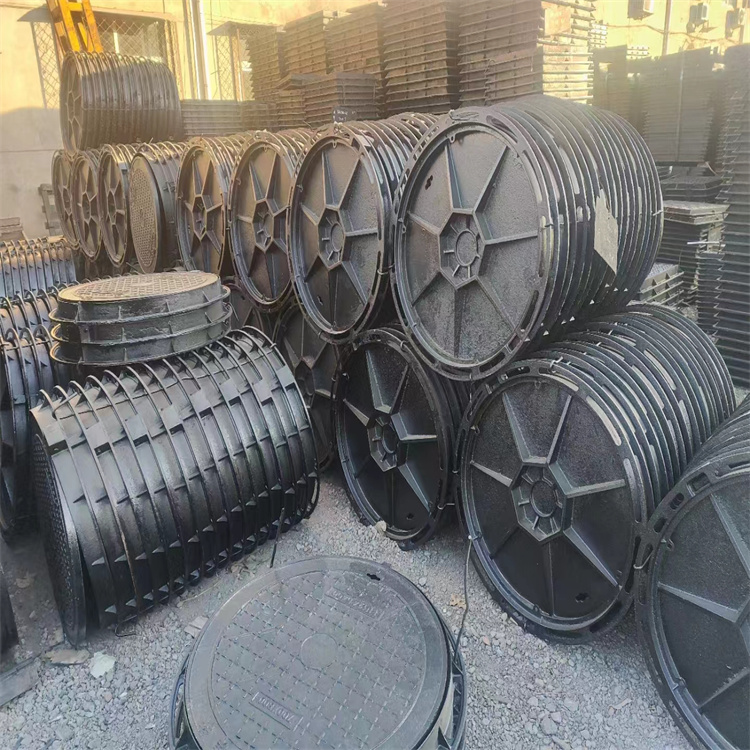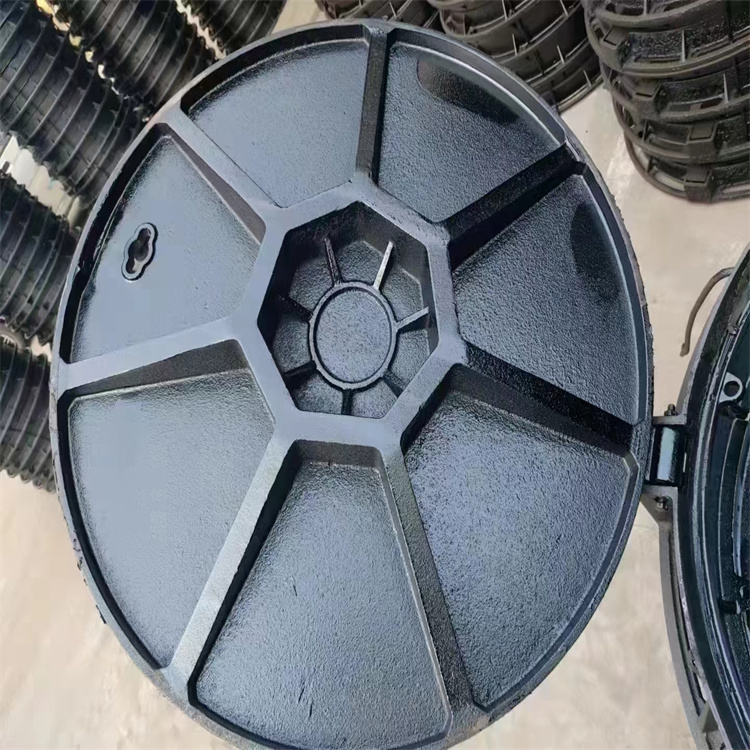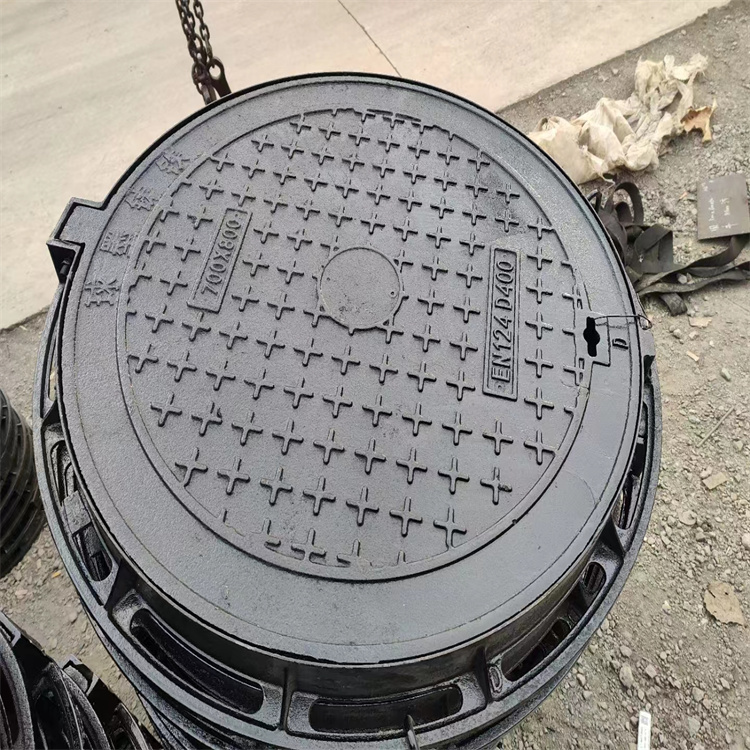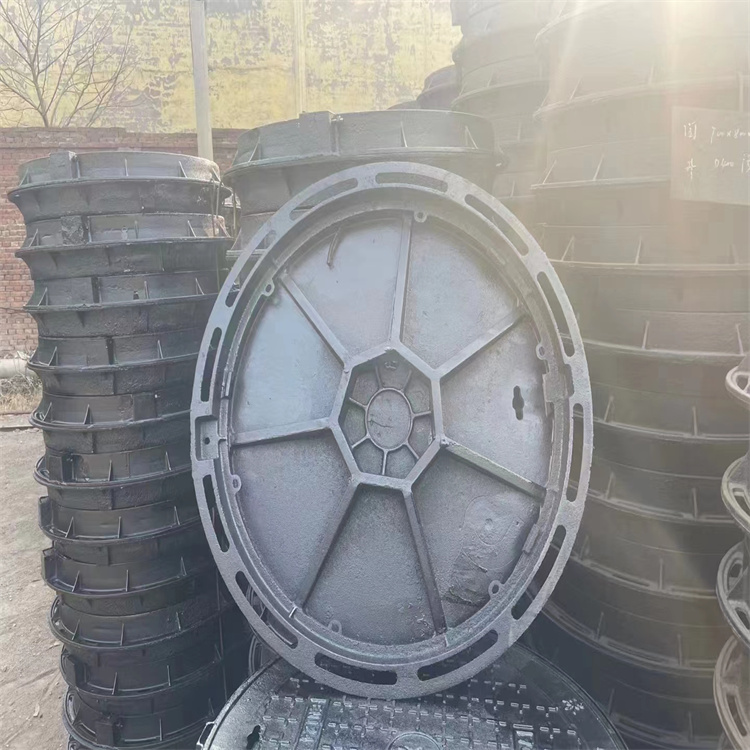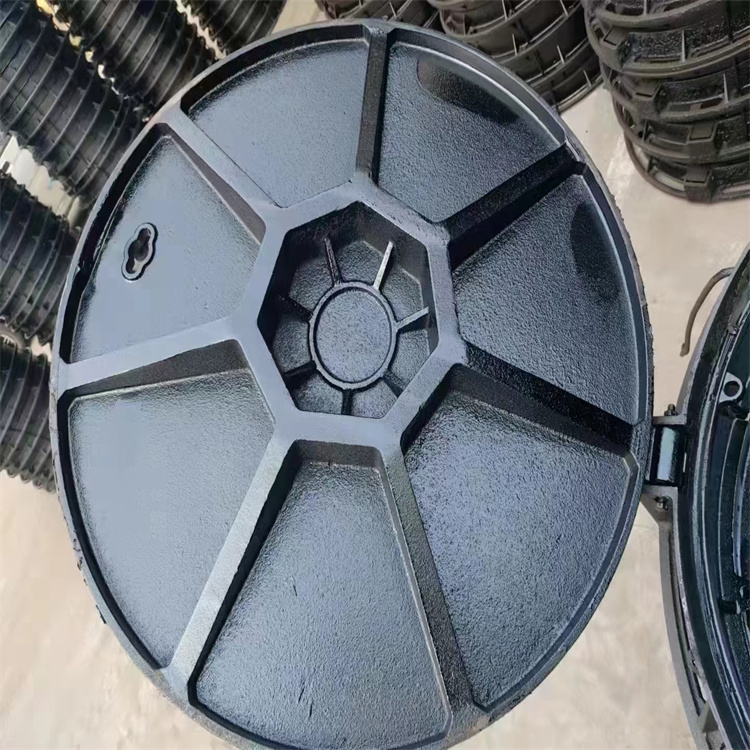

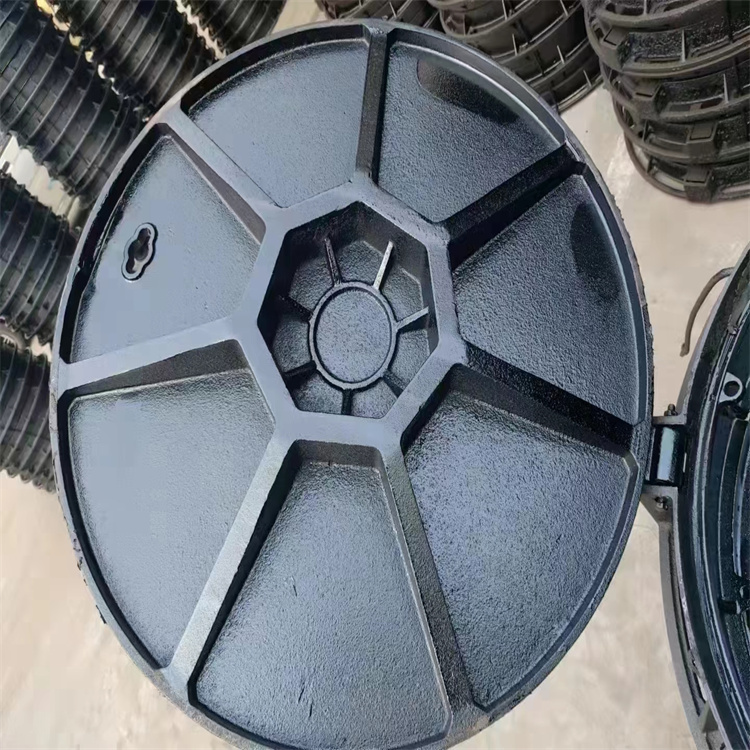
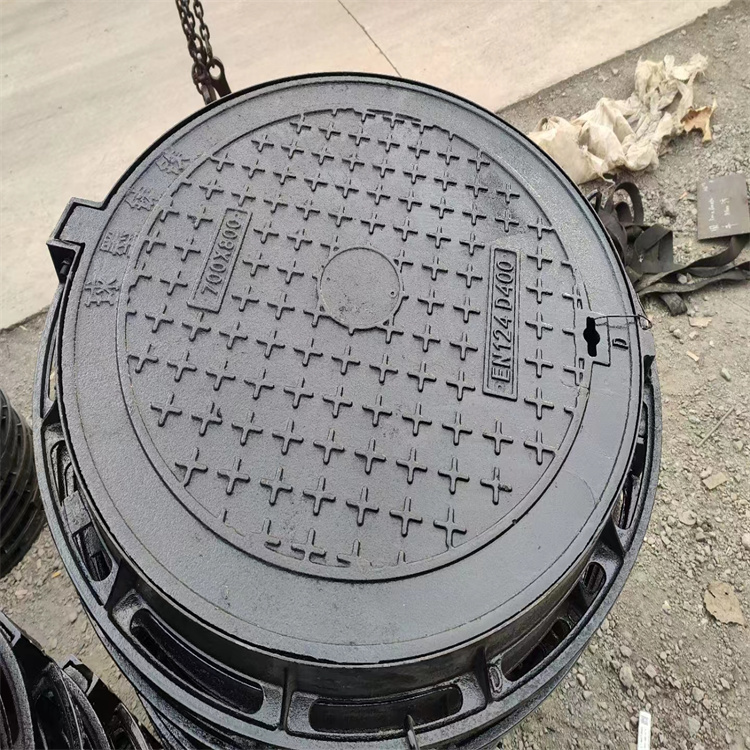
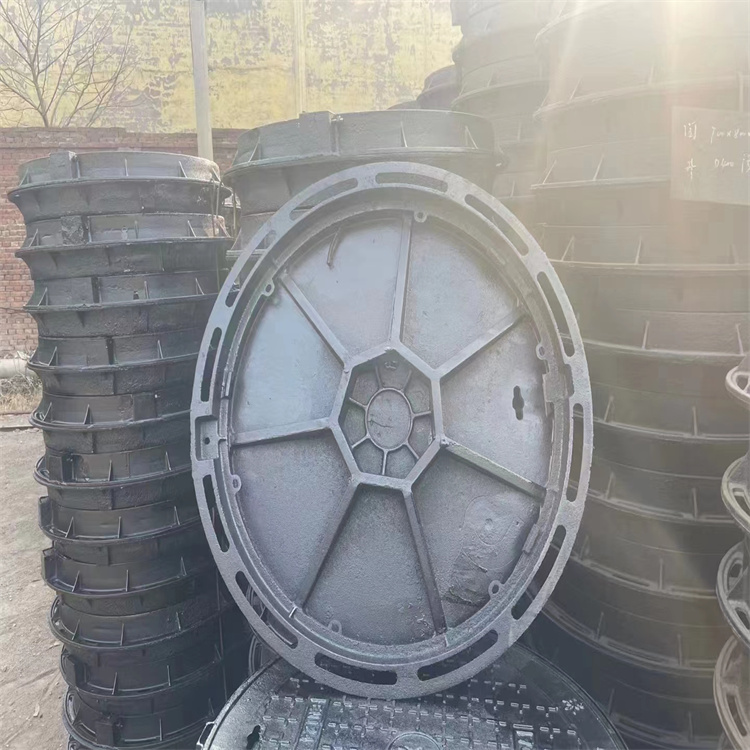







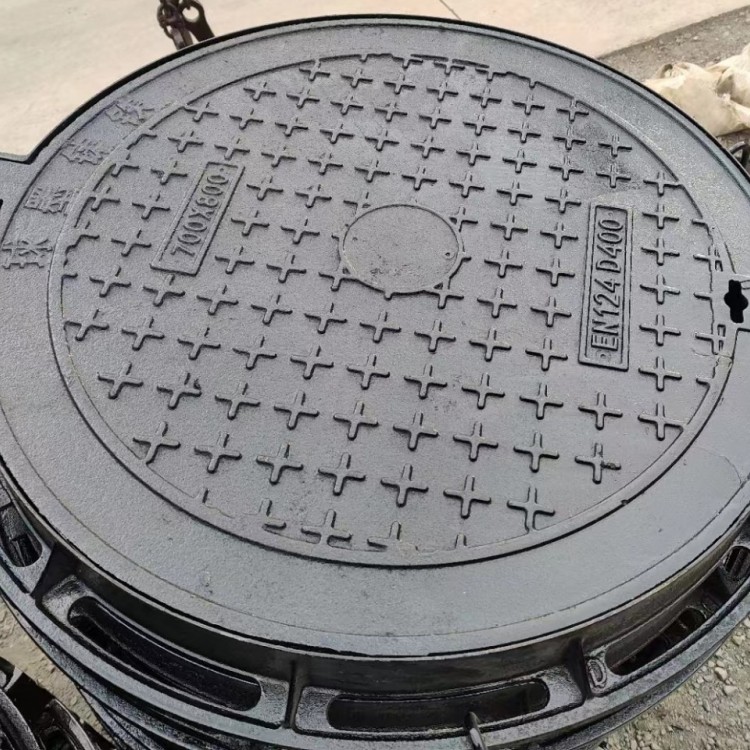
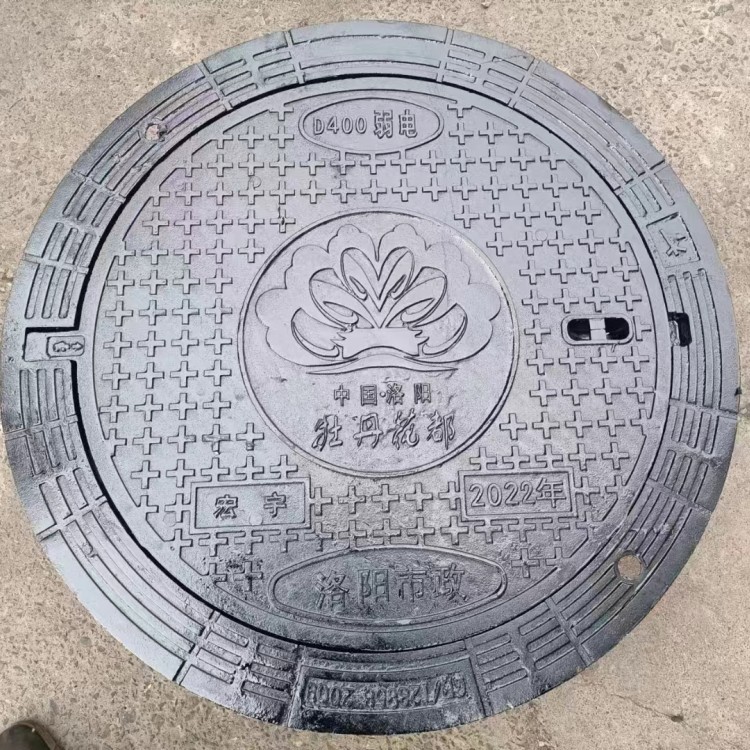
Shandong Bohui Iron and Steel Co., Ltd. produces spheroidal graphite cast iron manhole covers, which are primarily made from spheroidal graphite cast iron. The quality of these covers is closely related to the spheroidizing rate. The common coating for casting treatment is anti-rust asphalt paint, and naturally, the surface of the spheroidal graphite cast iron manhole covers is also coated with anti-rust asphalt paint. A notable advantage of the spheroidal graphite cast iron manhole covers is that, due to their high strength and good toughness, they are approximately 30% lighter than gray cast iron manhole covers of the same type.
Features of Ductile Iron Manhole Covers:
Good toughness. Impact value is close to medium carbon steel, over 10 times that of gray iron material.
High corrosion resistance. In the water spray corrosion test, the corrosion after 90 days is only 1/40 of the steel pipe and 1/10 of the gray cast iron pipe. The service life is twice that of the gray cast iron pipe and five times that of the ordinary steel pipe.
Good plasticity. Elongation ≥7%, comparable to high-carbon steel, whereas gray iron material has zero elongation.
High strength. Tensile strength ób ≥ 420MPa, yield strength ós ≥ 300MPa, comparable to low-carbon steel, and three times that of gray iron material.
Due to the spheroidal graphite microstructure of ductile iron, it is superior to cast steel in reducing vibration, thus more conducive to stress reduction. One important reason for choosing ductile iron is its lower cost compared to cast steel. The low cost of ductile iron makes it more popular, increases casting efficiency, and also reduces machining costs for ductile iron.
The strength of ductile iron is comparable to that of cast steel. Ductile iron boasts a higher yield strength, starting at 40k, whereas cast steel's yield strength is only 36k. In most municipal applications, such as water, saltwater, steam, etc., ductile iron exhibits superior corrosion and oxidation resistance compared to cast steel.
Performance:
Gray iron castings are widely used in all major industrial sectors requiring high strength, plasticity, toughness, wear resistance, resistance to severe thermal and mechanical shocks, and stability under high or low temperatures, as well as corrosion resistance and dimensional stability. To meet the varying conditions of use, there are many grades of ductile iron available, offering a wide range of mechanical and physical properties.
Most ductile iron castings, as specified by ISO 1083 of the International Organization for Standardization, are produced in non-alloyed form. Clearly, this range includes tensile strengths exceeding 800 newtons per millimeter.