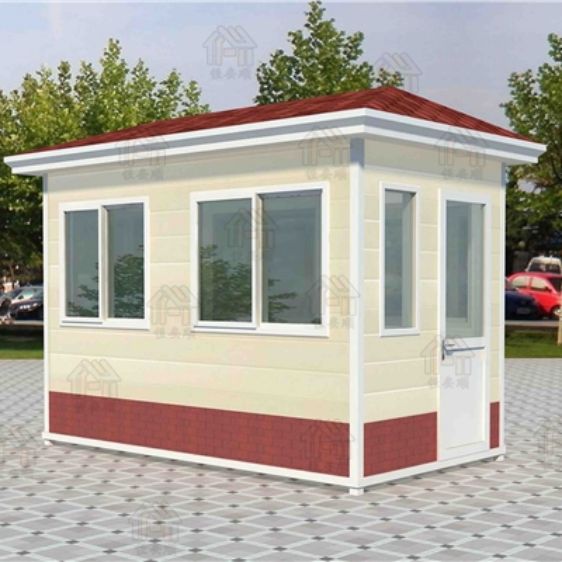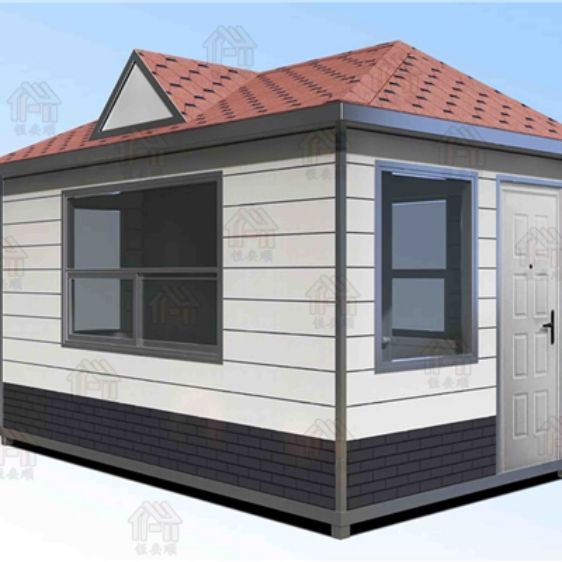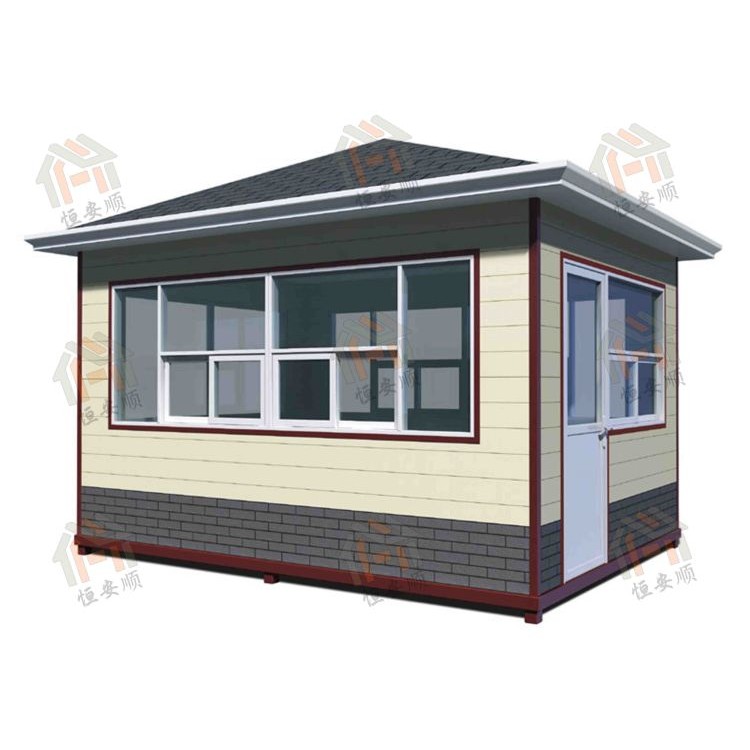

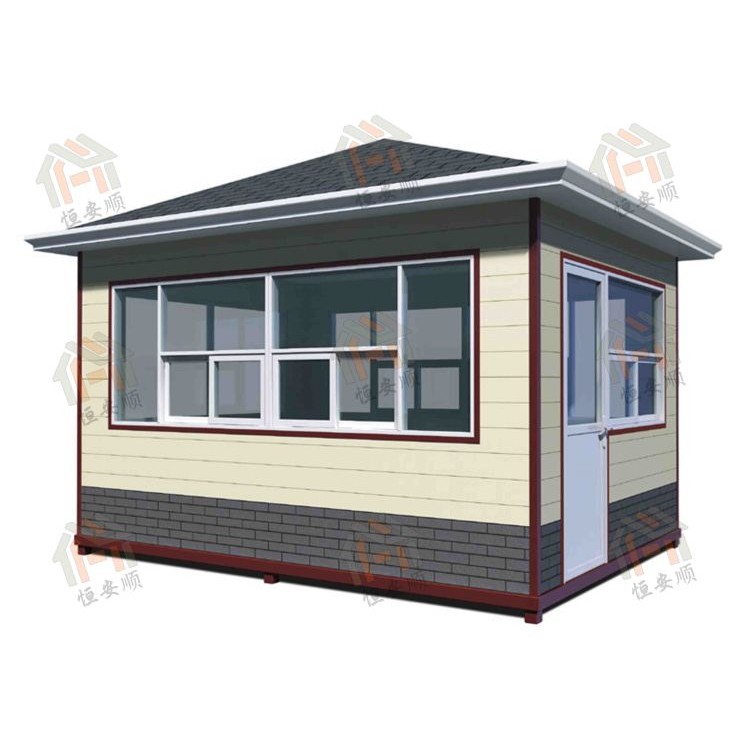
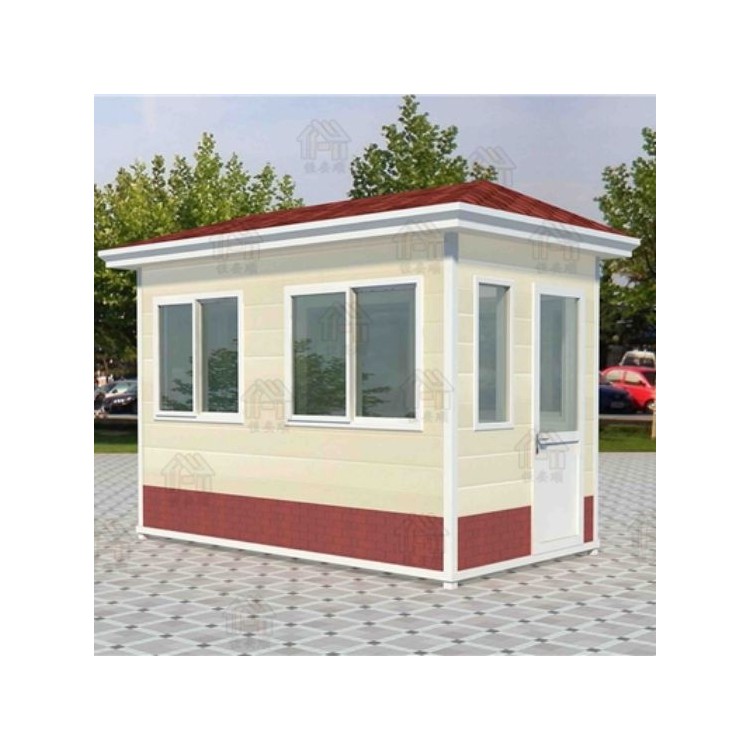
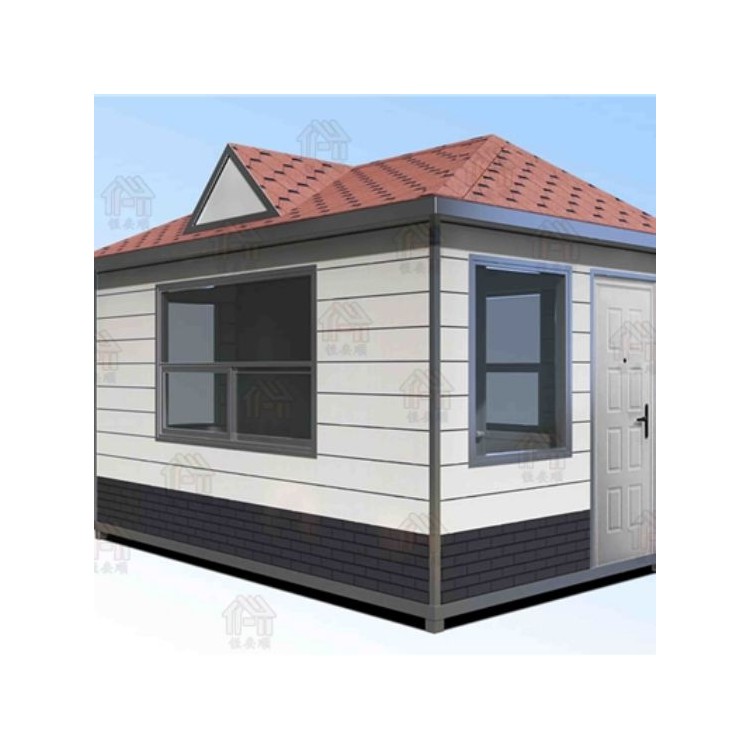











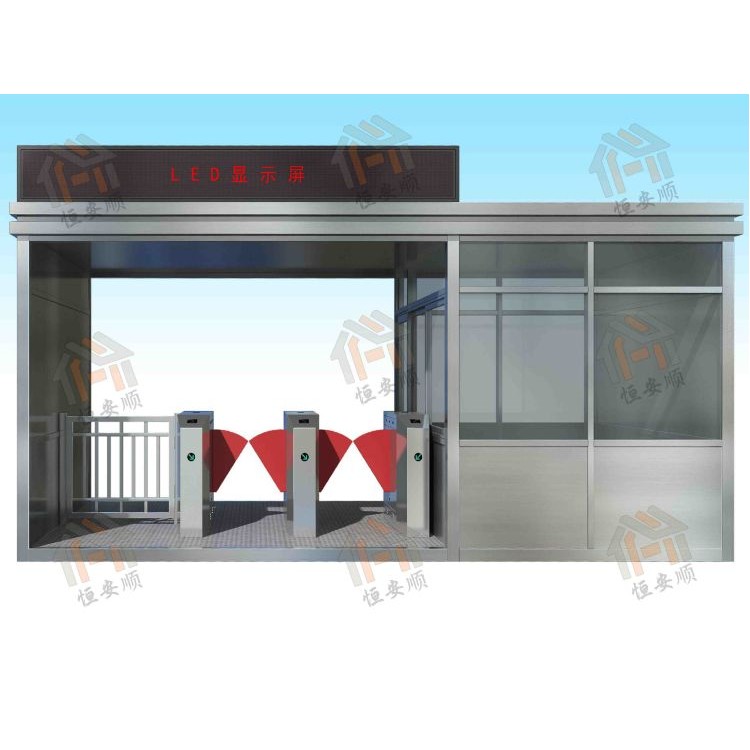
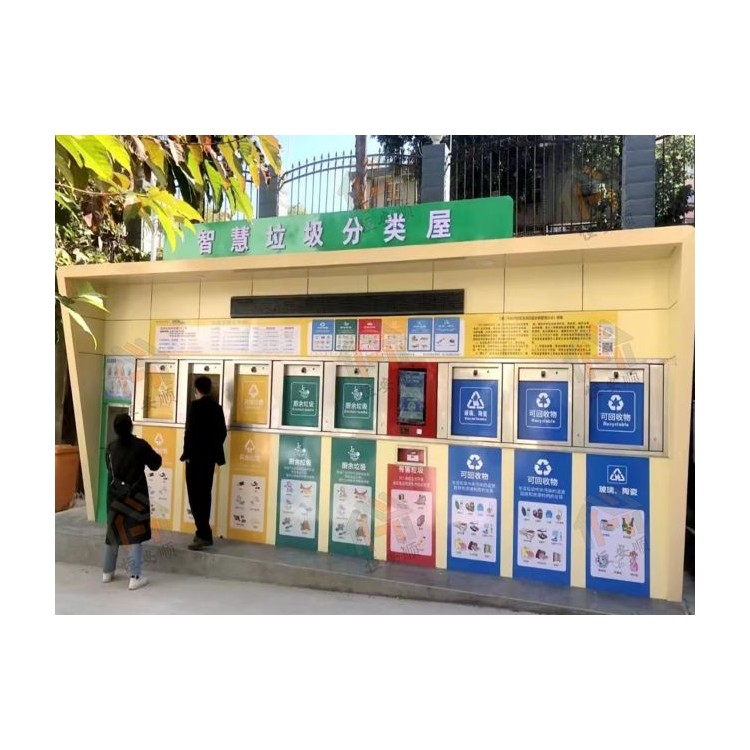
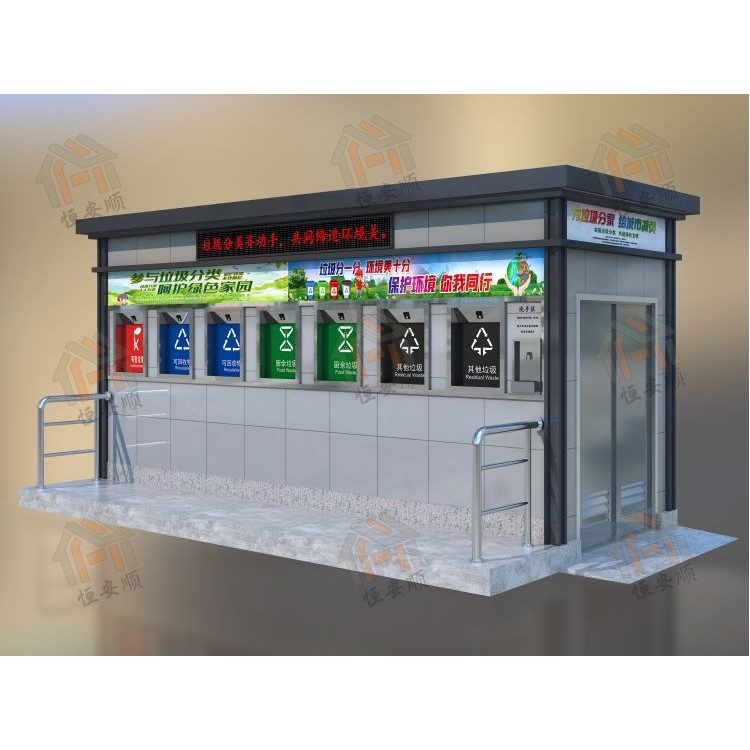
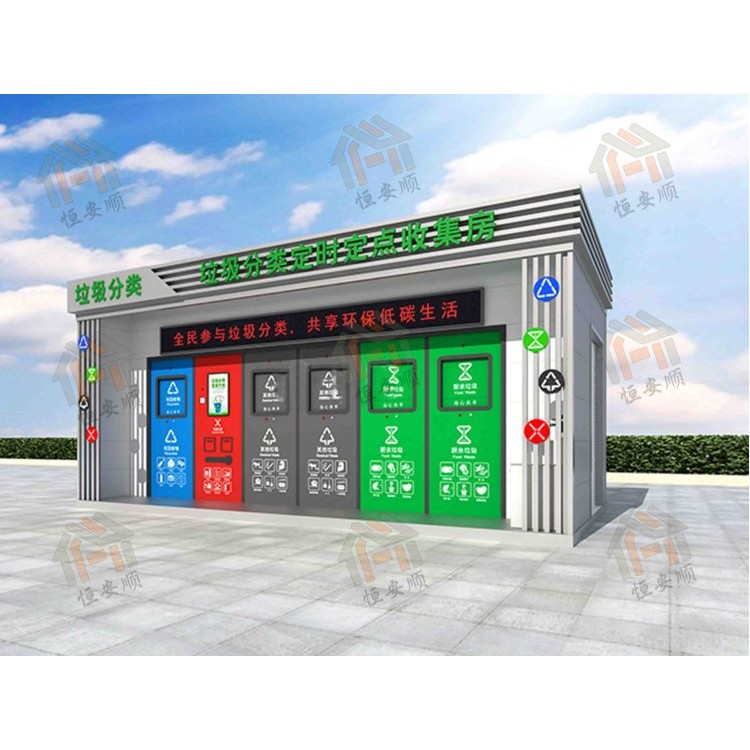

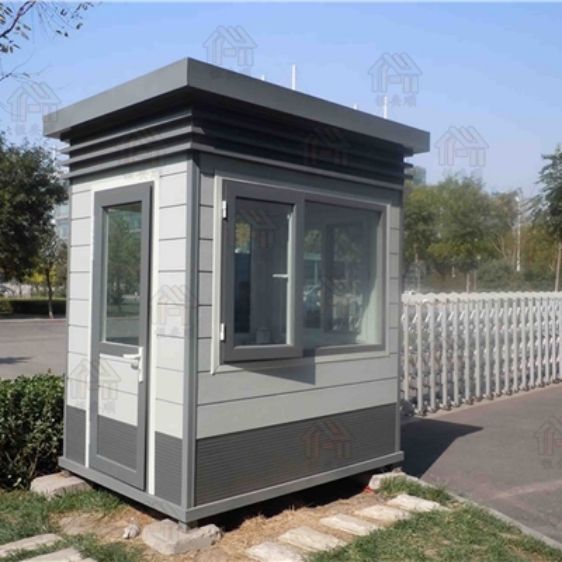
The Difference Between Stainless Steel and Plastic Steel Booths Stainless steel booths feature a special surface treatment, offering exquisite luxury, durability, and excellent heat and sound insulation due to their multi-layered material construction. They have a stylish and generous appearance, providing sound and heat insulation. Custom-made options include flat-top, pointed-top, overhanging eave, sliding door, and multi-layer roof booths, among others. They are highly suitable for security duties at community entrances, parking garage toll booths, vehicle and personnel entrances of factories and organizations, and parking lot vehicle entrances.
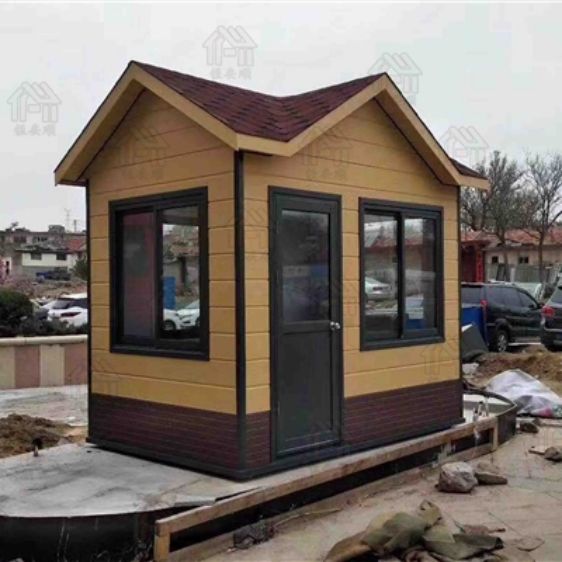
PVC kiosks are commonly used at community gate guards, shopping malls, stations, parks, and other locations. After production, the PVC kiosks are white in color, featuring sound insulation and thermal insulation. The advantage of PVC is that it remains bright and clean, even when dirty, and the price is also reasonable. On our way home, we often see security kiosks, not only in residential communities but also at various enterprises and shopping malls. Today, we are exploring stainless steel kiosks, and we'll delve into some lesser-known knowledge about them. [Introduction to Stainless Steel Kiosks] The surrounding area is enclosed with cloth or plastic sheeting, and the stainless steel kiosk, of course, is a key component. Stainless steel kiosks have long been a tool for maintaining urban stainless steel. With the continuous progress of society and the exploration of high technology, various types of stainless steel kiosks have emerged.
However, whether it's the previous stainless steel canopies or the existing stainless steel kiosks, the consumer's stainless steel kiosks are definitely our products, and we can conduct on-site inspections at the customer's factory. The technical personnel of the customers provide us with detailed introductions and explanations. The charging kiosks, still being sold to the general public, are all for the purpose of maintaining urban safety. They serve as an effective protective network for the city, and users understand that the quality of stainless steel in a city mainly depends on the deployment of the stainless steel system. The links between stainless steel kiosks are not necessarily tight, and they may not form an effective protective network, which has not been fully utilized. Their value is not maximized. In this rapidly developing technological era, stainless steel kiosks are a key component of urban stainless steel protection. Previously, these were not called stainless steel kiosks but were known as stainless steel canopies, which are structures made of wooden poles or steel frames. The use of stainless steel kiosks has been fully realized.