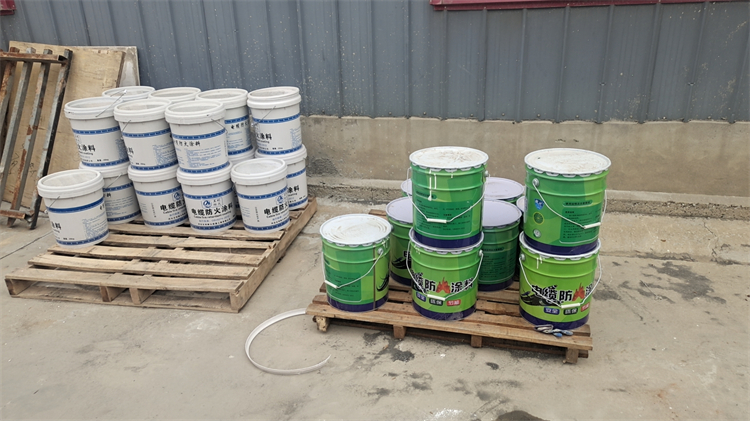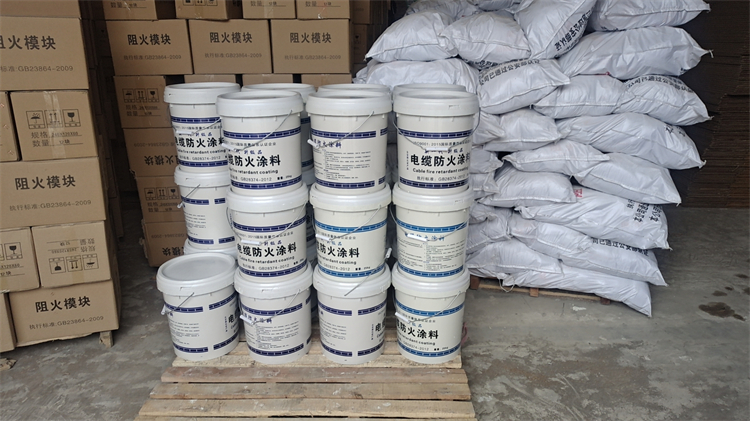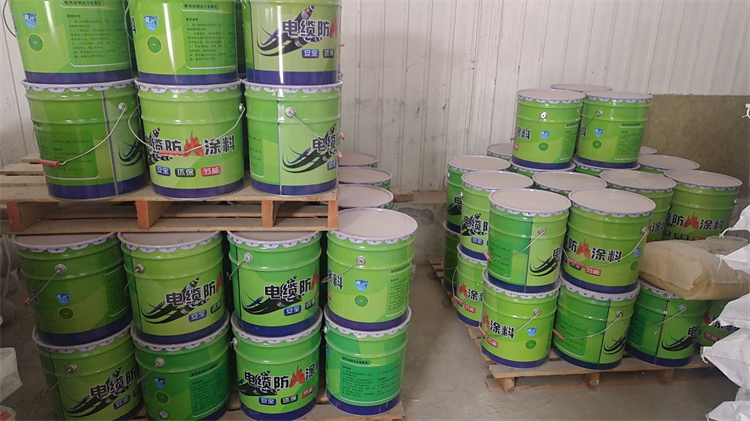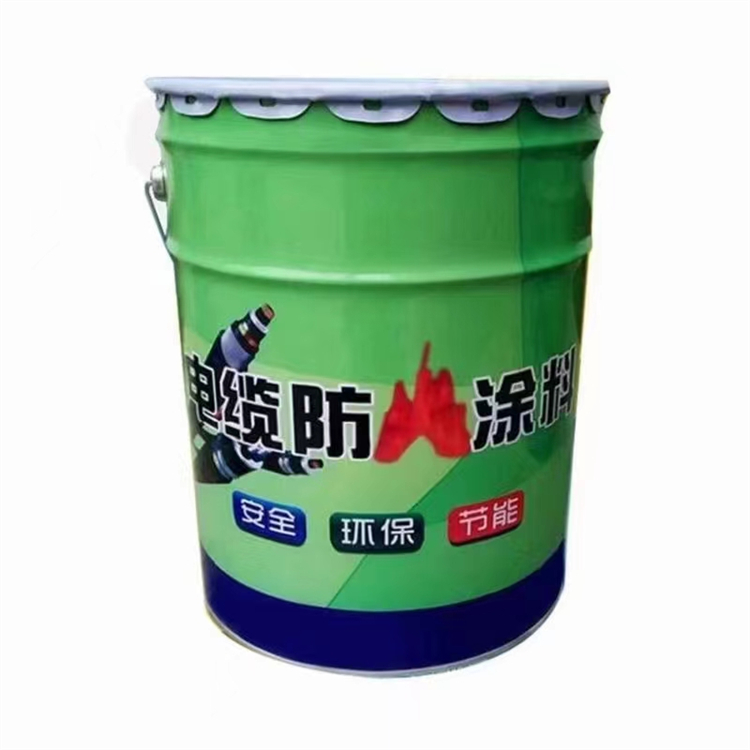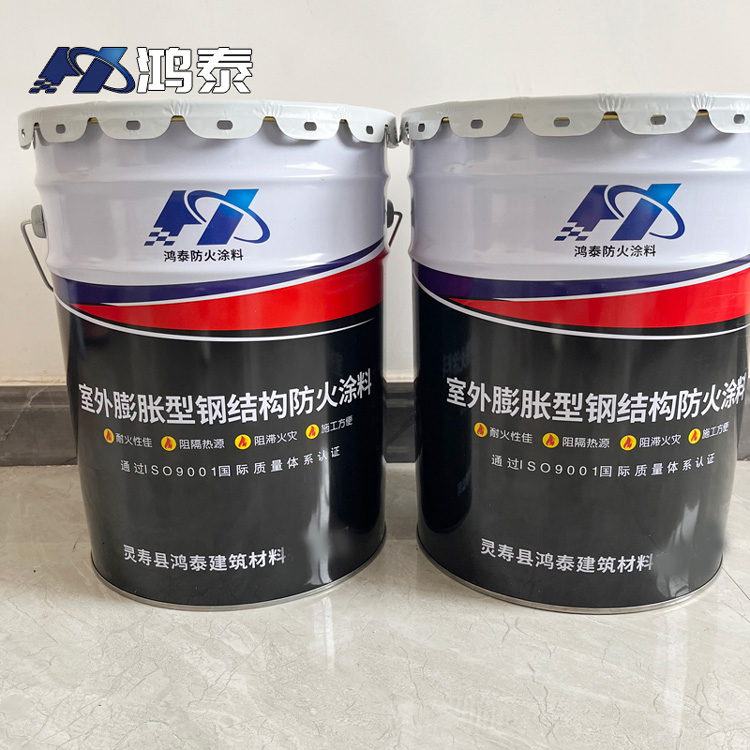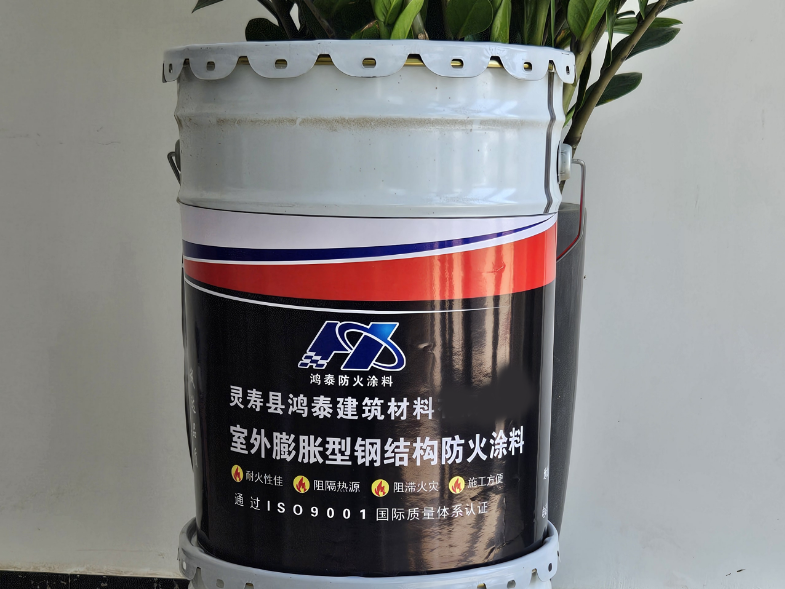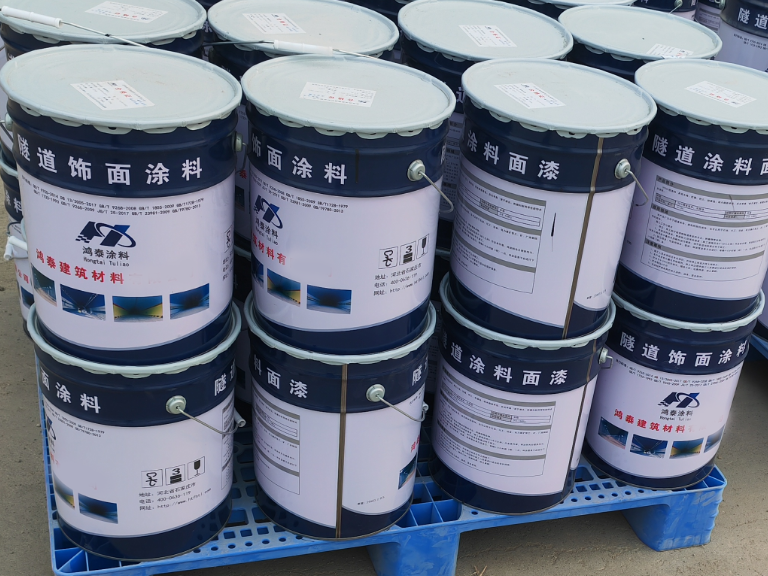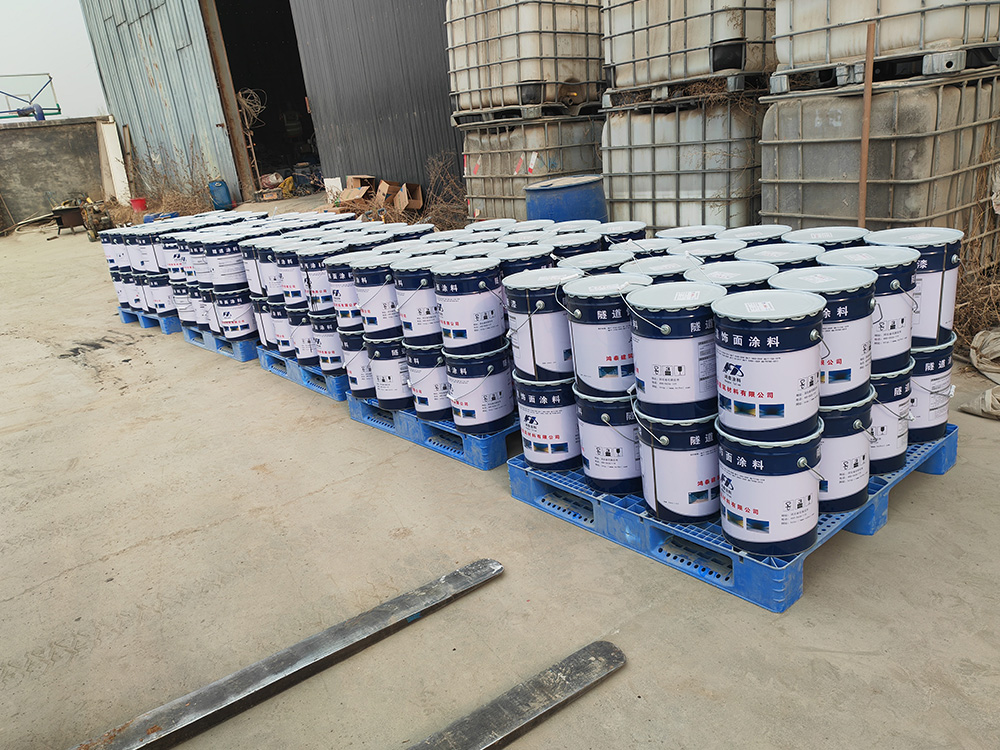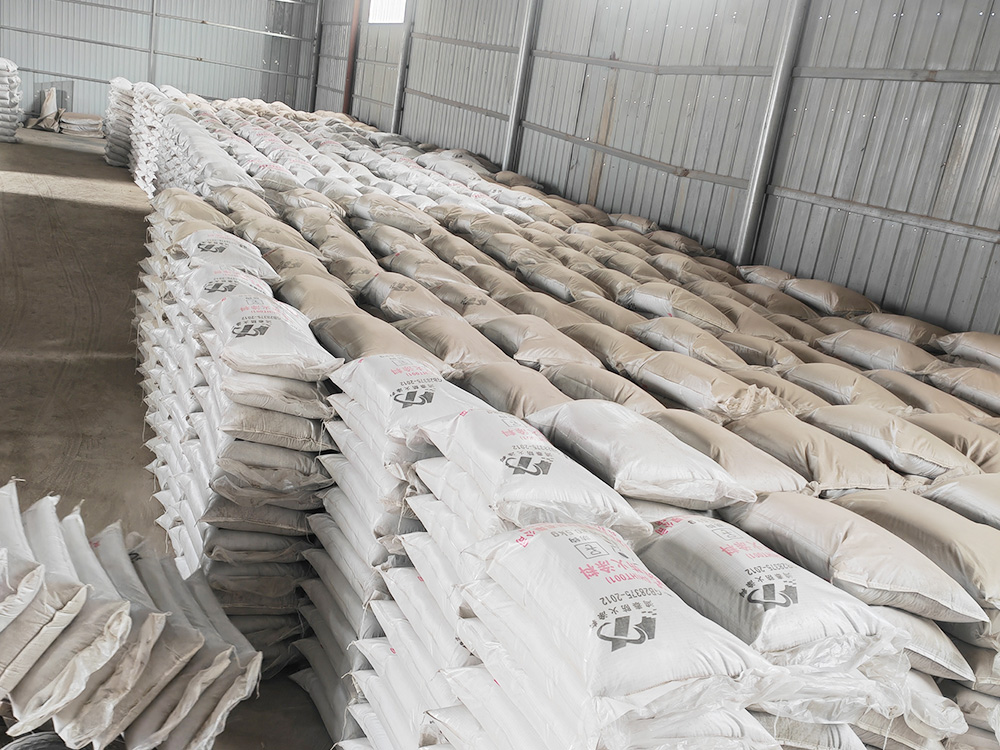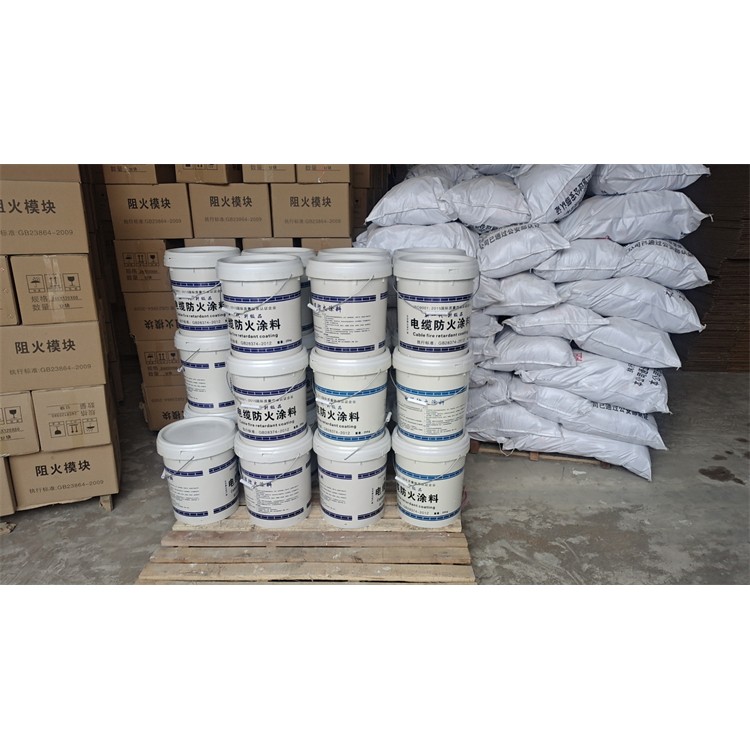

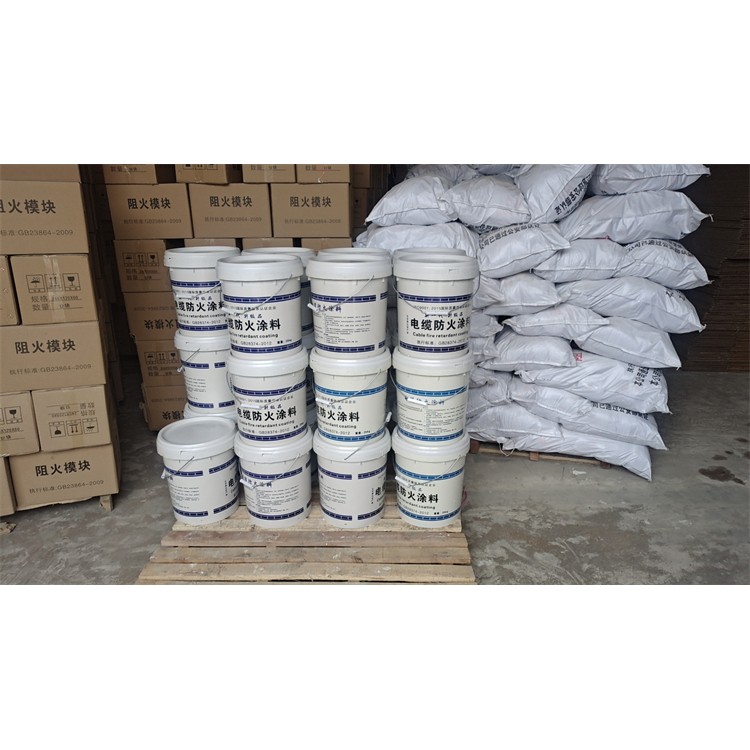
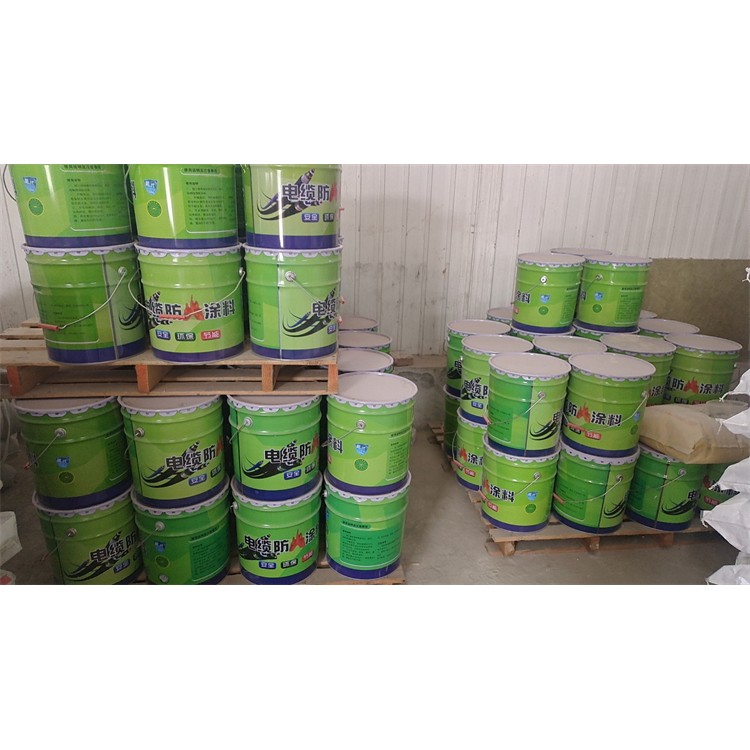


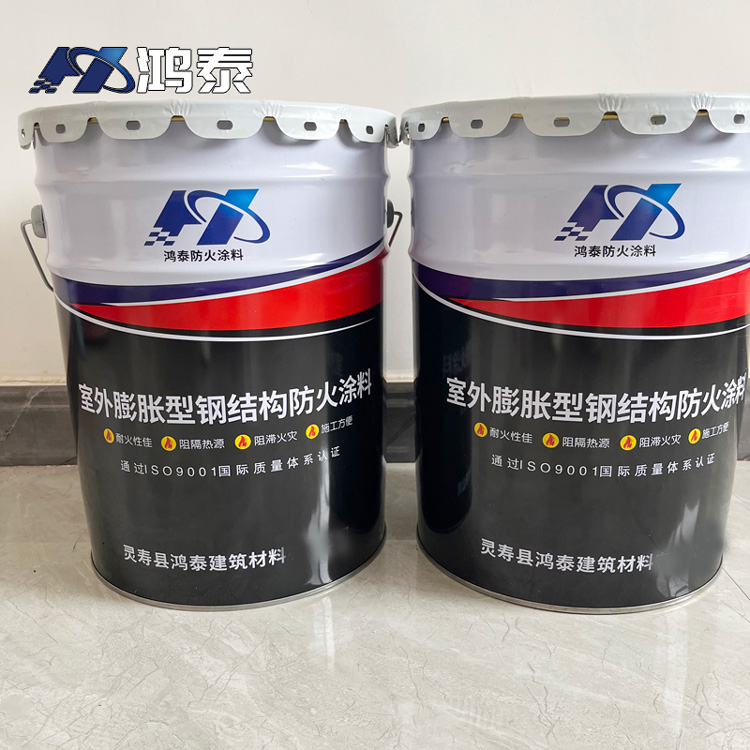
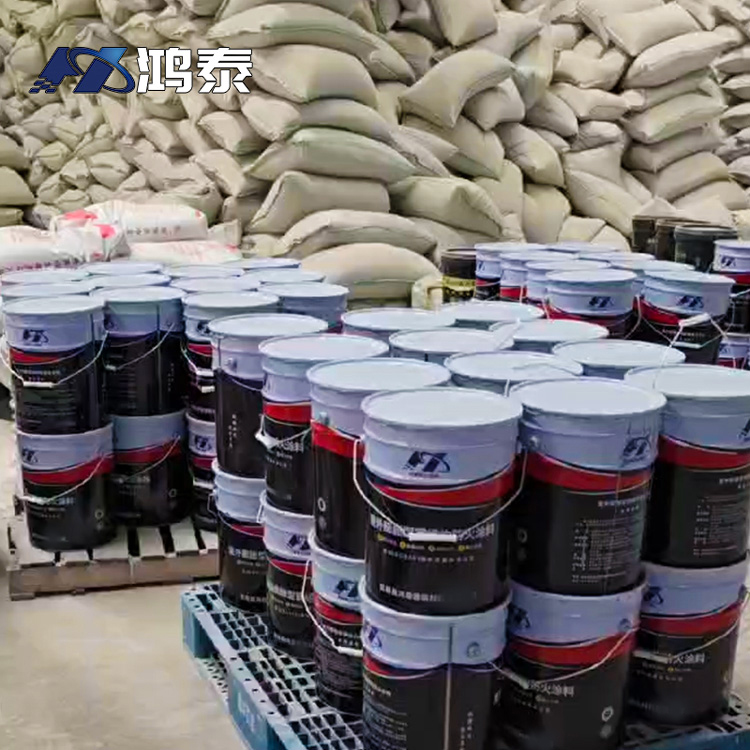
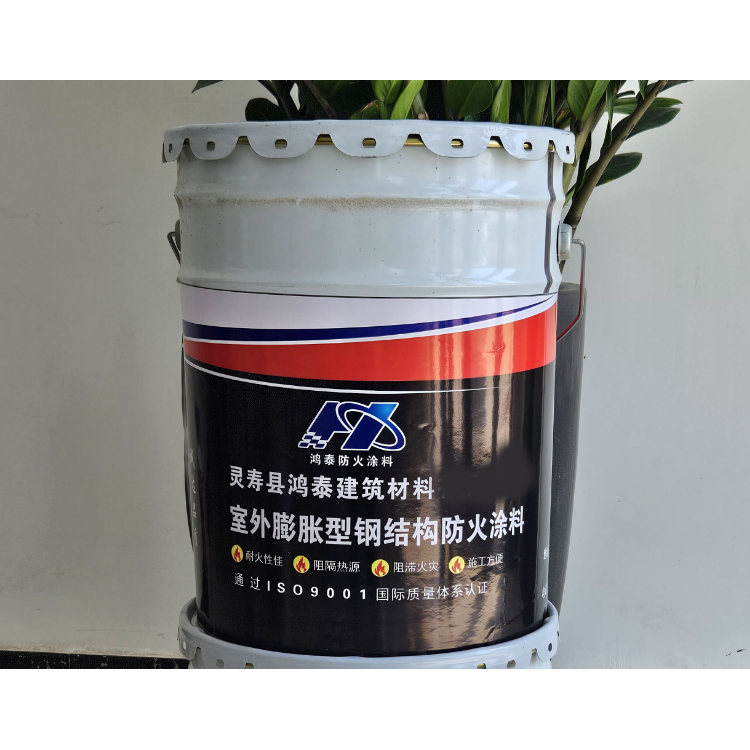






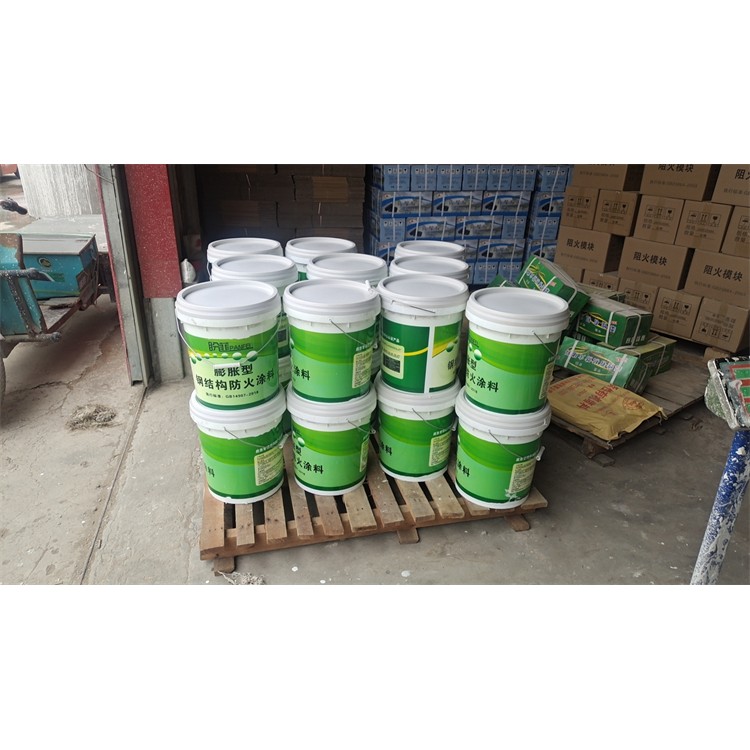




Fire-resistant coatings, also known as flame-retardant coatings, can be applied to the surfaces of certain combustible materials on buildings to enhance their fire resistance or slow down the spread of flames, thus preventing combustion for a period of time and controlling the fire's progression, providing time for people to extinguish the fire. This type of coating is referred to as fire-resistant coatings or flame-retardant coatings in the construction industry.
Due to the high-rise, clustered nature of construction projects, the large-scale industrialization, and the widespread use of organic synthetic materials, there is a significant emphasis on fire prevention efforts by both the engineering industry and the state. The use of fire-resistant coatings is relatively simple and adaptable, which is why they are applied in public buildings, vehicles, aircraft, ships, ancient structures, cultural heritage protection, electrical cables, and more. Some countries have even stipulated that architectural coatings used in public facilities such as schools and cinemas must be flame-retardant, leading to the rapid development of fire-retardant coatings. (Under certain conditions, fire-resistant materials can ignite if their temperature exceeds their flame resistance, i.e., if they reach the combustion point.)