














What are the key factors affecting the coating of seamless steel pipes?
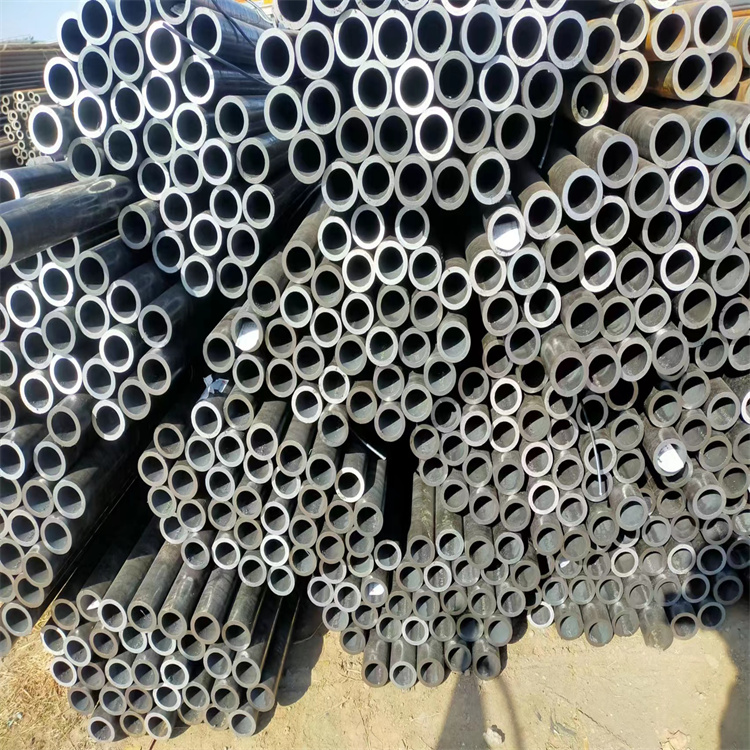
C276 seamless tubes are widely used in various applications in natural environments due to their versatile structural design, which allows for perspectives that general seamless tubes cannot achieve, earning them widespread recognition and favor. During the production of C276 seamless tubes, coatings are applied to enhance their performance. Four factors often affect the coating of C276 seamless tubes during production. Let's take a look!
Throughout the entire passivation process of stainless steel, seamless pipes will produce suppressed metastable structures. Once in the geographical environment, it will cause chemical changes. Therefore, harmful substances adhering to the surface of the seamless pipes should be removed before painting.
Potassium thiocyanate can severely affect the coating of C276 seamless tubes. Therefore, its composition must be strictly controlled throughout the passivation process. Any excess will damage the structure of the C276 seamless tube. Pharmaceutical factories typically limit the use of potassium thiocyanate, following relative proportions for the next practical operation to ensure the integrity of the seamless tube's coating.
3. The moisture content in C276 seamless tubes is relatively low, resulting in a lower passivation characteristic of the stainless steel, which can affect the painting process to some extent. To achieve a better practical effect of the coating, it is necessary to improve the fundamental influencing factors.
4. As everyone knows, seamless tubes have a smooth surface. This is because the smoother the surface, the less likely it is to get dirty. During the manufacturing process, seamless tubes are polished and coated. In the actual production, it is essential to enhance the corrosion resistance of seamless tubes.