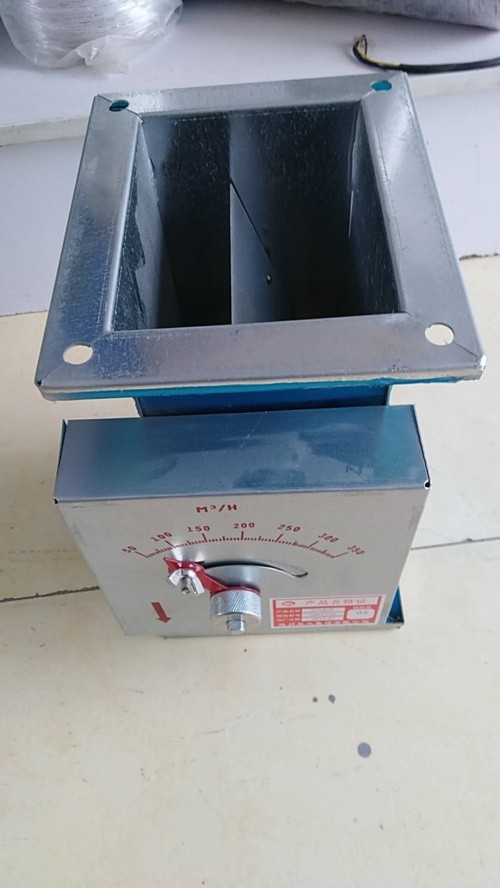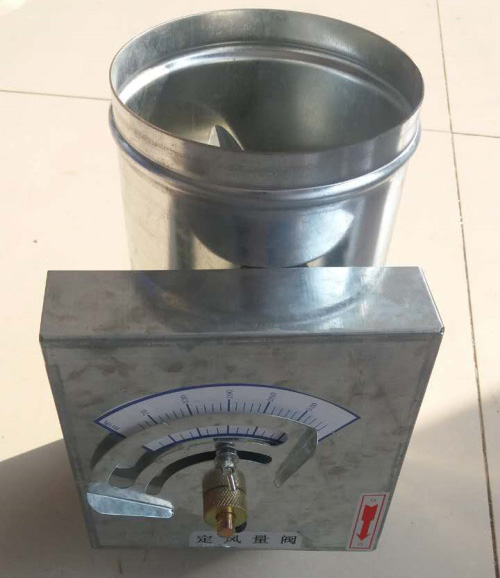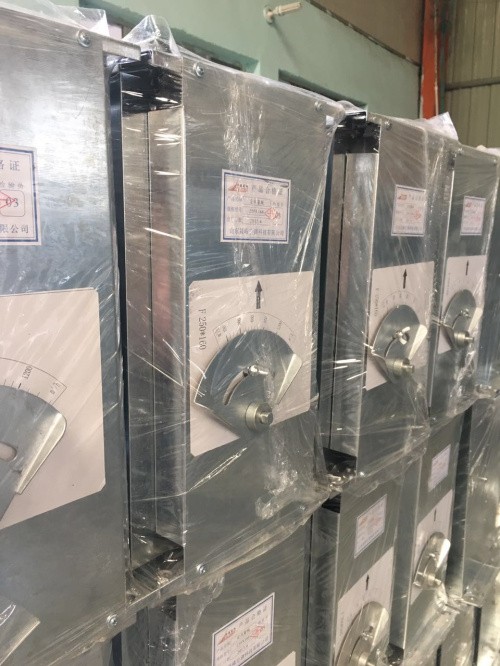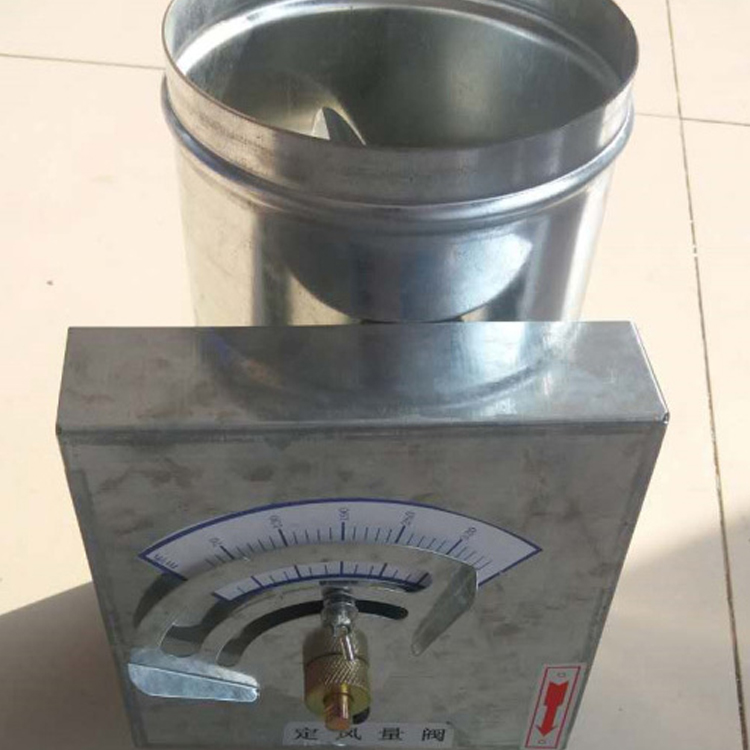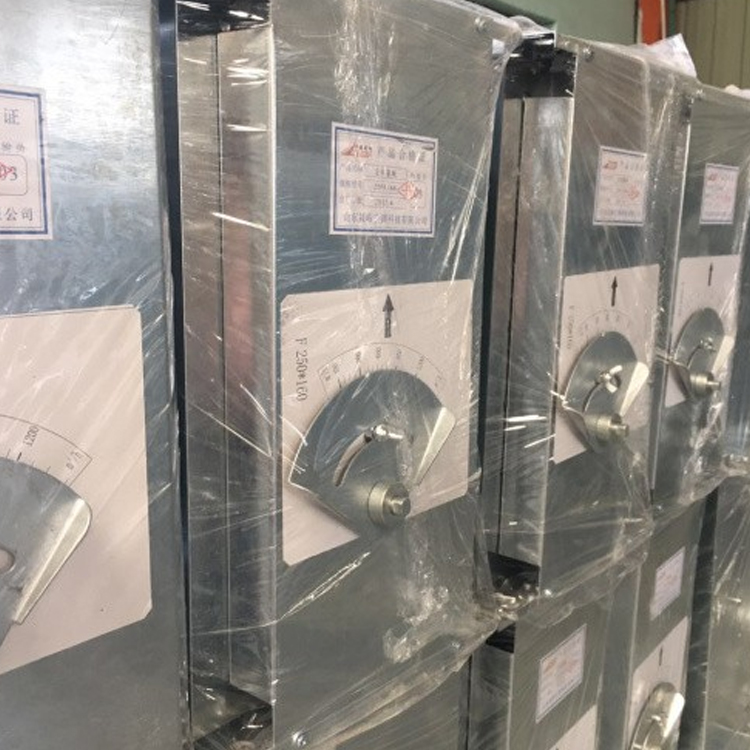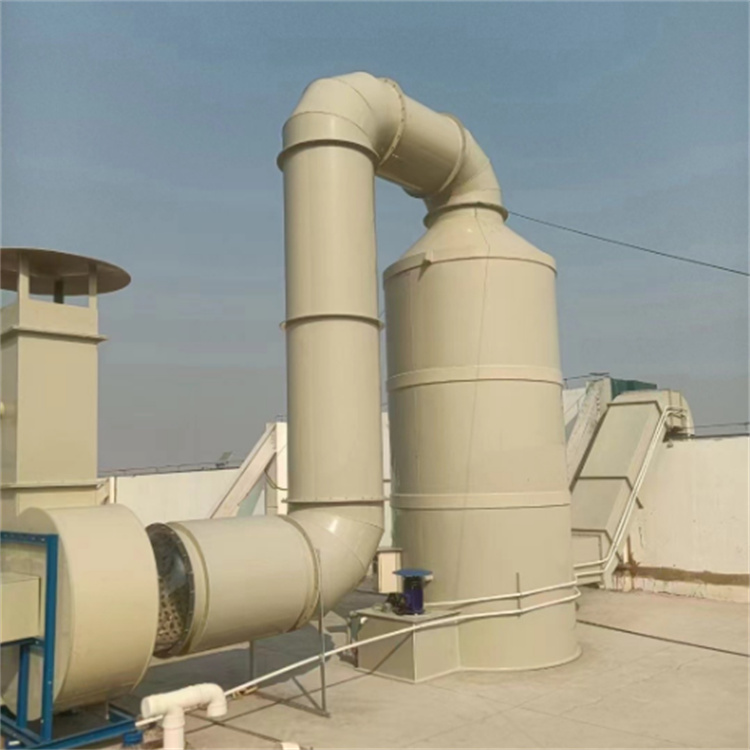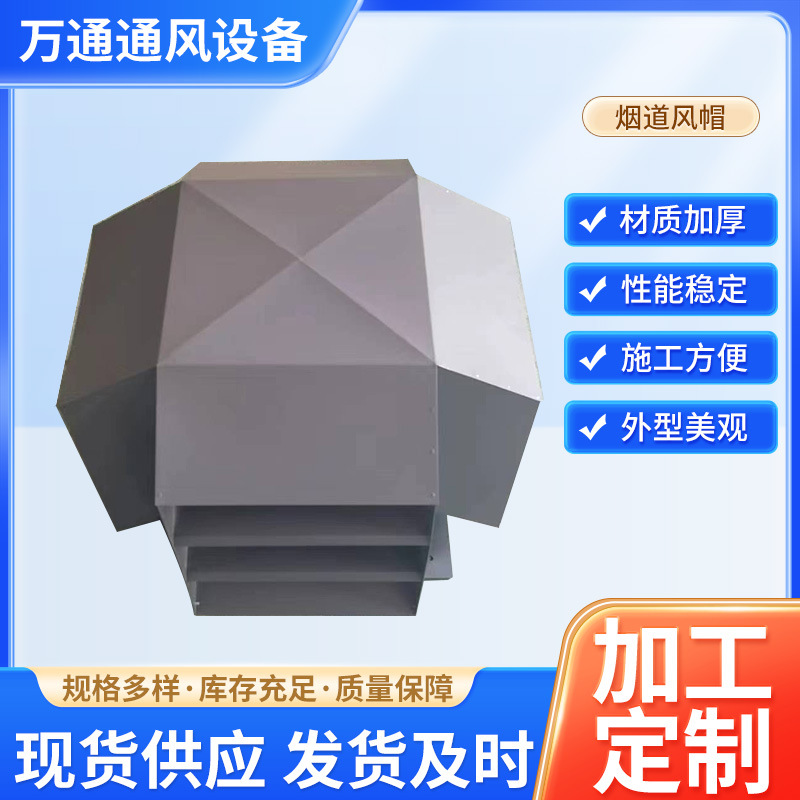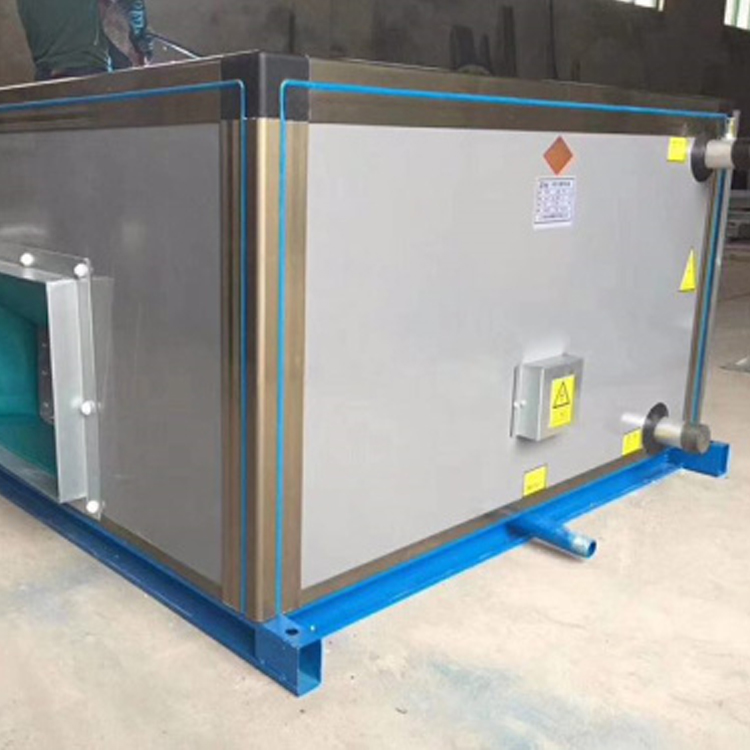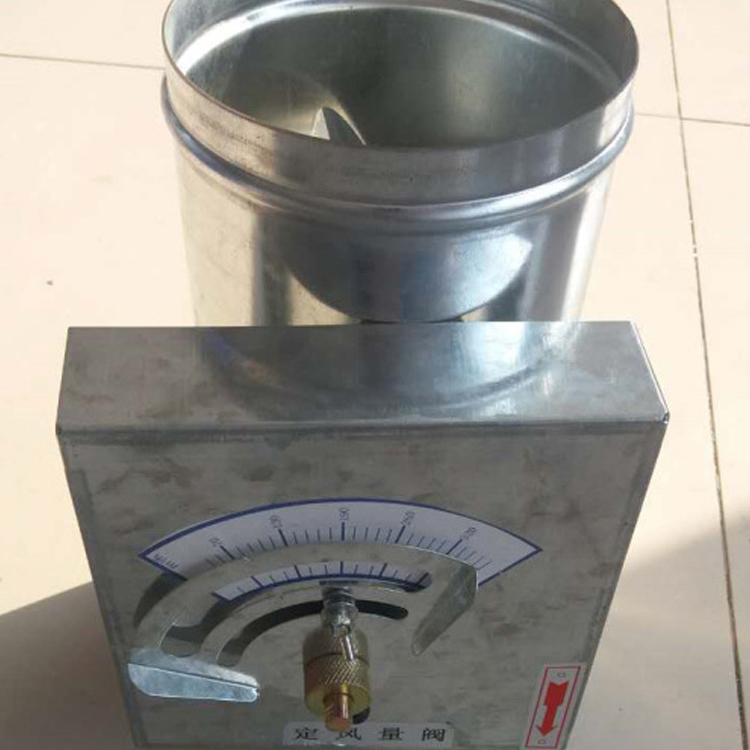
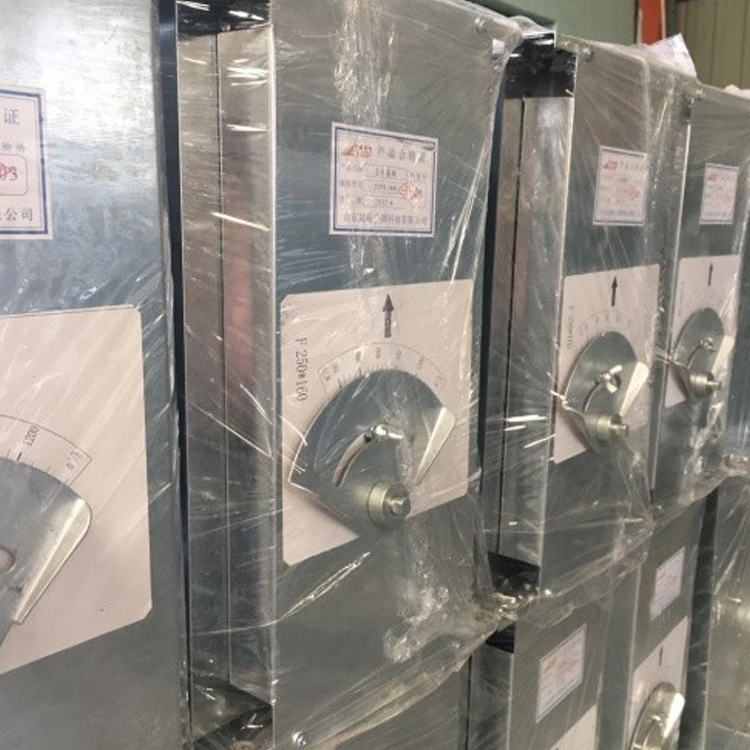


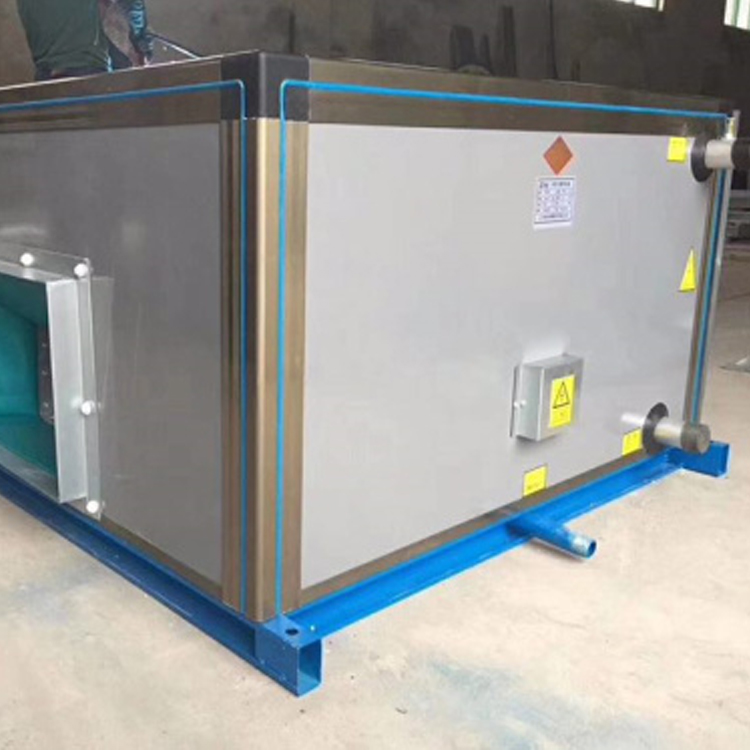
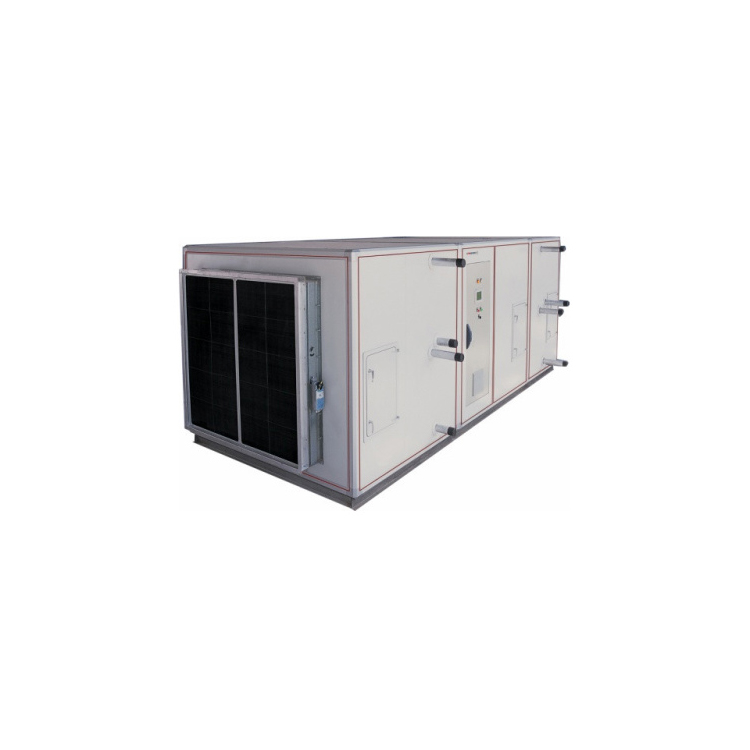





Flow control damper, a mechanical self-regulating device, is suitable for ventilation and air conditioning systems requiring a constant airflow. The flow control damper does not require external power for air volume control; it relies on the air flow force within the duct to position and control the damper, thereby maintaining the air flow at the pre-set rate across the entire pressure difference range.
In variable air volume (VAV) air conditioning systems, the outer zones typically use VAV, while the inner zones employ constant air volume. In a supply air system with continuously varying air flow and pressure, the constant air volume design in the inner zones is inseparable from the use of constant air volume valves.
Airflow Regulator Categories:
A type is a mechanical self-contained device that positions and controls the valve's location by relying on the air pressure within the duct, thereby maintaining the air flow at a pre-set rate within a certain pressure difference range. It operates without external power and can be equipped with an electric actuator to change the flow rate setting via remote control signals.
Another type maintains a constant airflow by using silicone bladders in the balancer to sense the airflow through the ducts, automatically contracting and expanding based on different static pressures. When the static pressure at the inlet and outlet is at its lowest, the bladders are in a contracted state. As the static pressure at the inlets and outlets increases, the bladders begin to expand, reducing the gaps around them. This keeps the flow rate constant within a certain wind pressure range.