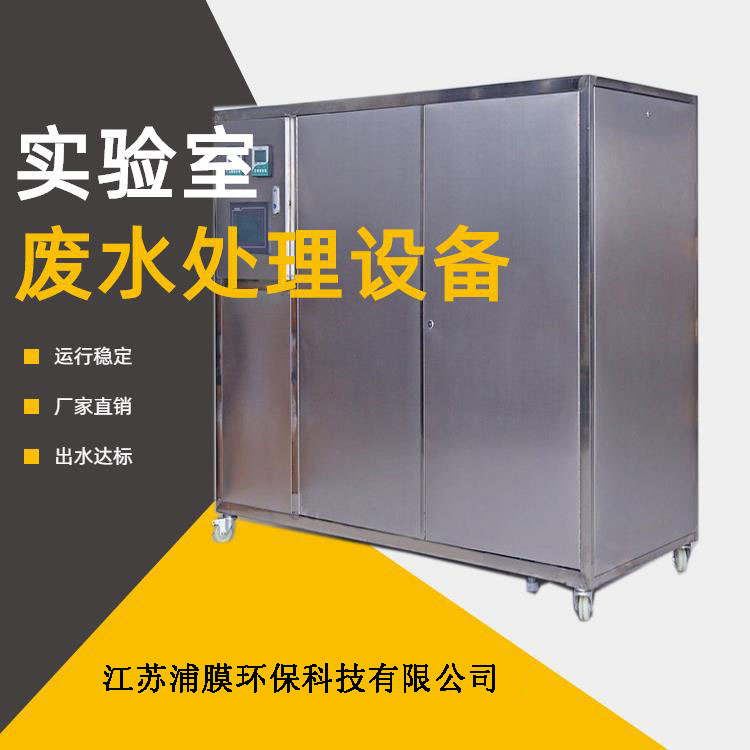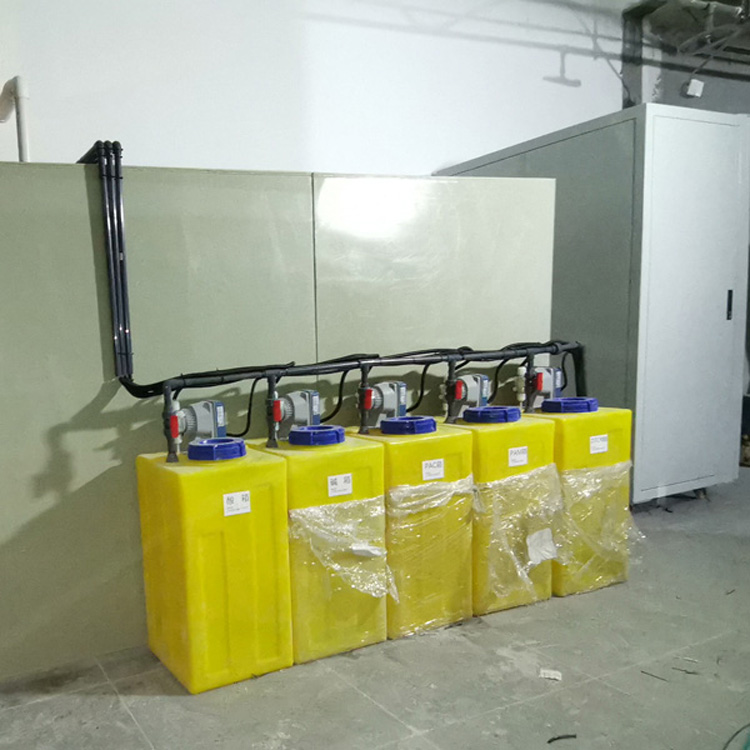
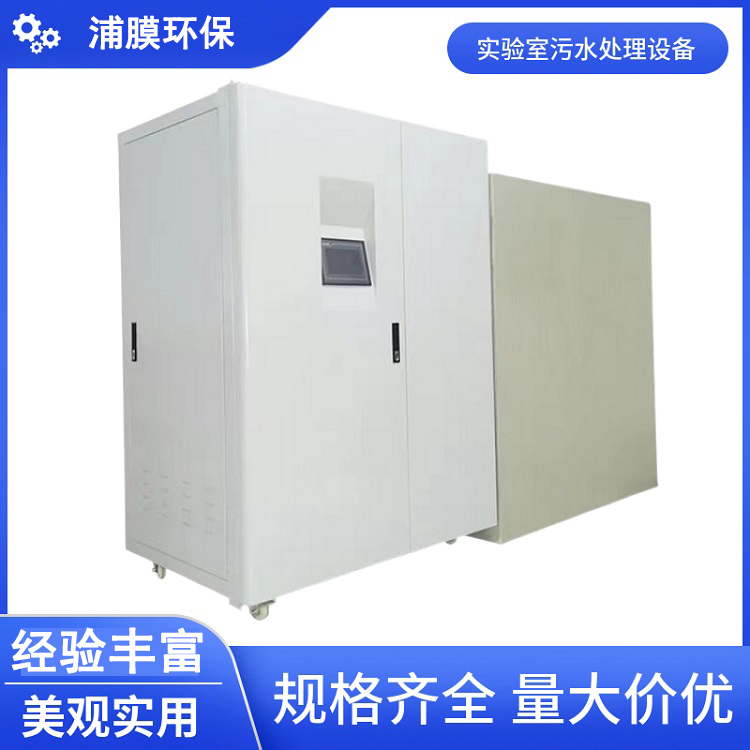
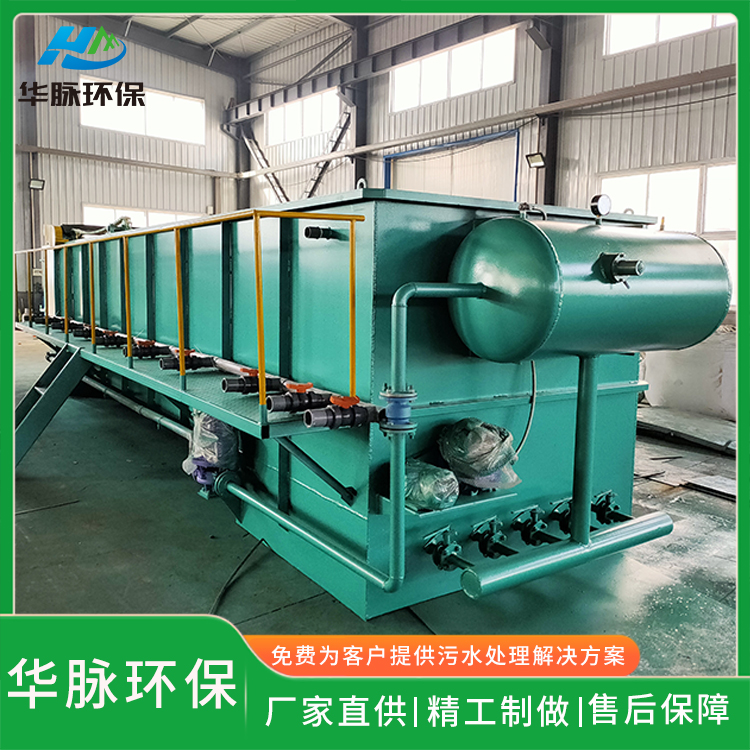
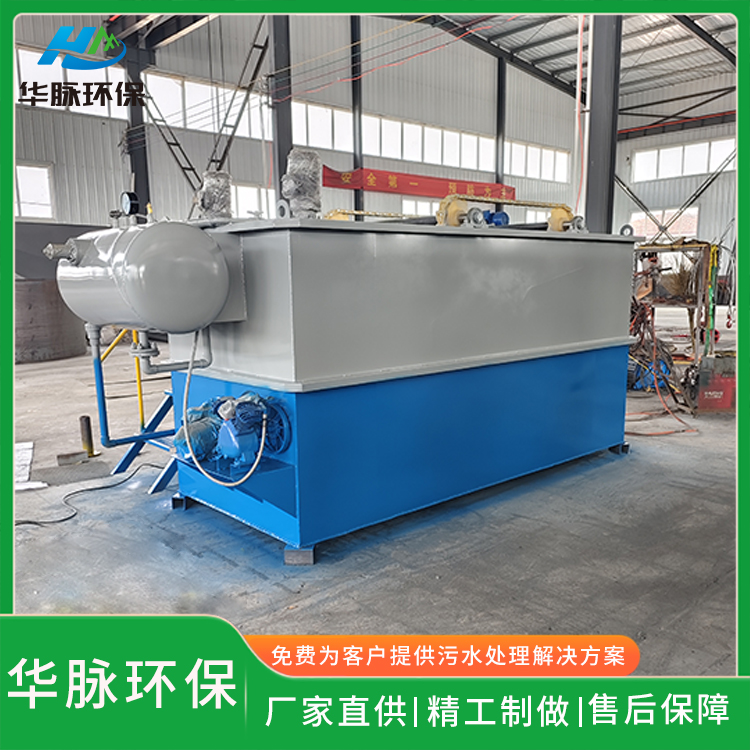
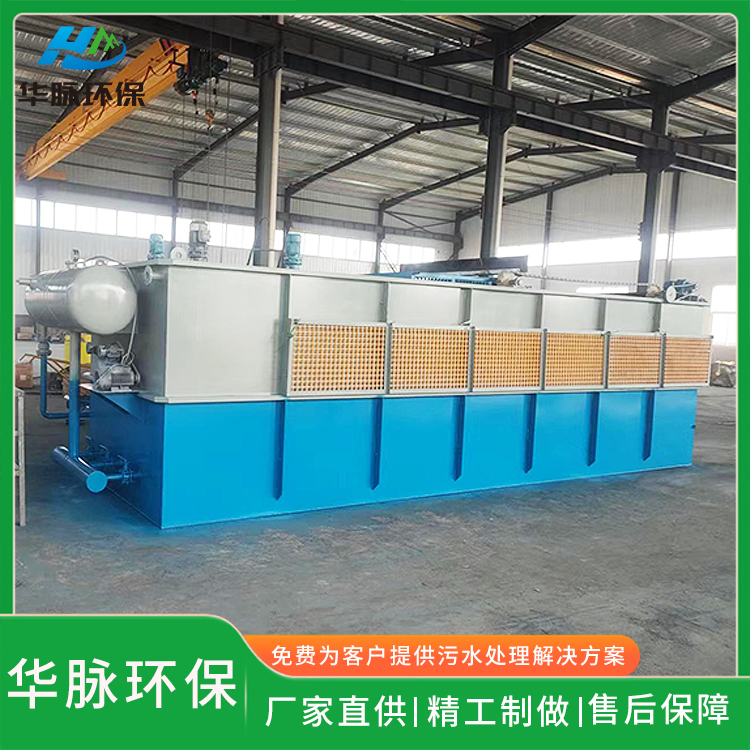







MBR Intelligent Greywater Reuse Integrated Treatment Equipment
The MBR wastewater treatment equipment, utilizing the Membrane Bioreactor (MBR) technology, is a new device that combines biological treatment with membrane separation techniques, replacing the secondary sedimentation tank in traditional processes. It efficiently separates solids from liquids, yielding stable reclaimed water for direct use. It also maintains a high concentration of microorganisms within the bio-reactor, resulting in minimal sludge remaining after the process and effectively removing ammonia nitrogen. The effluent has near-zero suspended solids and turbidity, with significantly reduced bacteria and viruses. It is energy-efficient and requires less land area. Research on the application of MBR in wastewater and sewage treatment began in the 1970s in the United States, Japan, South Africa, and many European countries. Its water source is derived from domestic wastewater (such as shower, lavatory, laundry, kitchen, and toilet drainage) and cooling water.
MBR process characteristics
Membrane biological treatment technology applied in wastewater recycling has the following characteristics:
(1) Efficiently separates solids from liquids, isolating suspended particles, colloidal substances, and microorganisms from the biological unit in wastewater from purified water. The separation process is simple, requiring minimal space, and the effluent quality is high, usually allowing for reuse without the need for a third-stage treatment.
(2) Maintains high biomass concentration within the biological treatment unit, significantly increasing the volume load. The high efficiency of membrane separation also greatly reduces the hydraulic retention time of the treatment unit, thereby decreasing the required footprint for the bioreactor.
(3) Preventing the loss of various microbial populations, it fosters the growth of slow-growing bacteria (such as nitrifying bacteria), thereby ensuring smooth metabolic processes within the system.
(4) Prolongs the residence time of some large-molecule, hard-to-degrade organic substances, facilitating their decomposition.
〔5〕Like other filtration and separation technologies, membrane treatment technology experiences clogging of the membrane as a filtration medium over time during operation. The effective backwashing and chemical cleaning can slow down the decline in the permeate flow rate, maintaining the effective service life of the MBR system.
(6) MBR technology applications in urban wastewater treatment feature simple processes, easy operation, and can achieve fully automatic operation and management.
Process Flow Description
Wastewater enters the equalization pond after passing through a格栅, then it's pumped into the bio-reactor. The PLC controller activates the aeration machine to oxygenate the water. The bio-reactor effluent is pumped into the membrane separation unit, with the concentrated water returned to the equalization pond. The water from the membrane separation is chlorinated using quick-mixing method (sodium hypochlorite, bleaching powder, chlorine tablets) before entering the reclaimed water storage pond. The backwashing pump uses treated water from the cleaning pond to backwash the membrane treatment equipment, with the backwash wastewater returned to the equalization pond. The pump's on/off is controlled by the water level within the bio-reactor. The filtration and backwashing operations of the membrane units can be controlled automatically or manually. When chemical cleaning of the membrane units is required, close the inlet and wastewater recycling valves, open the cleaning solution and chemical recycling valves, start the cleaning solution circulation pump, and perform the chemical cleaning.