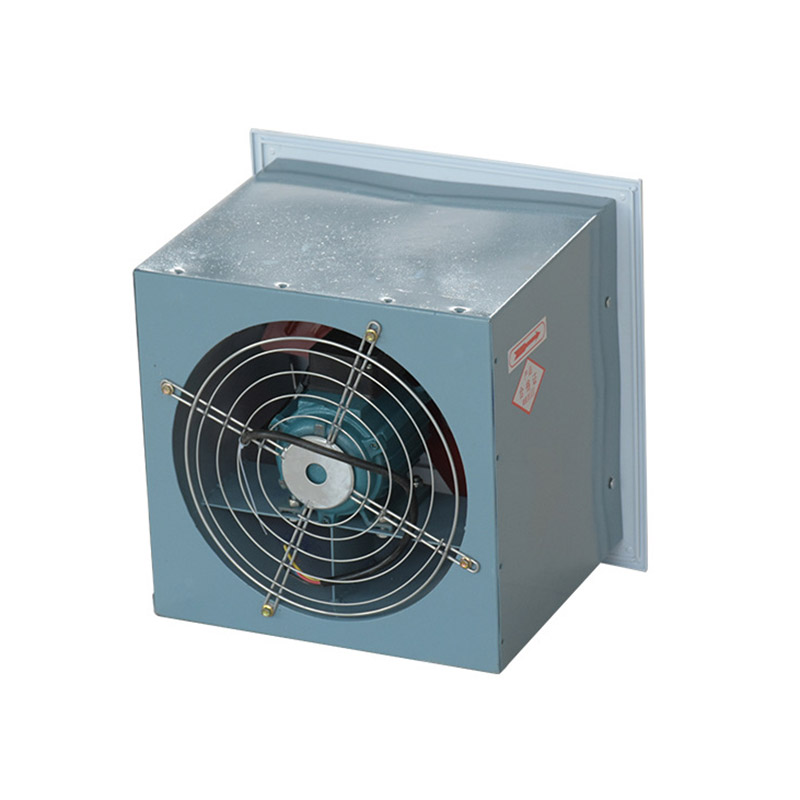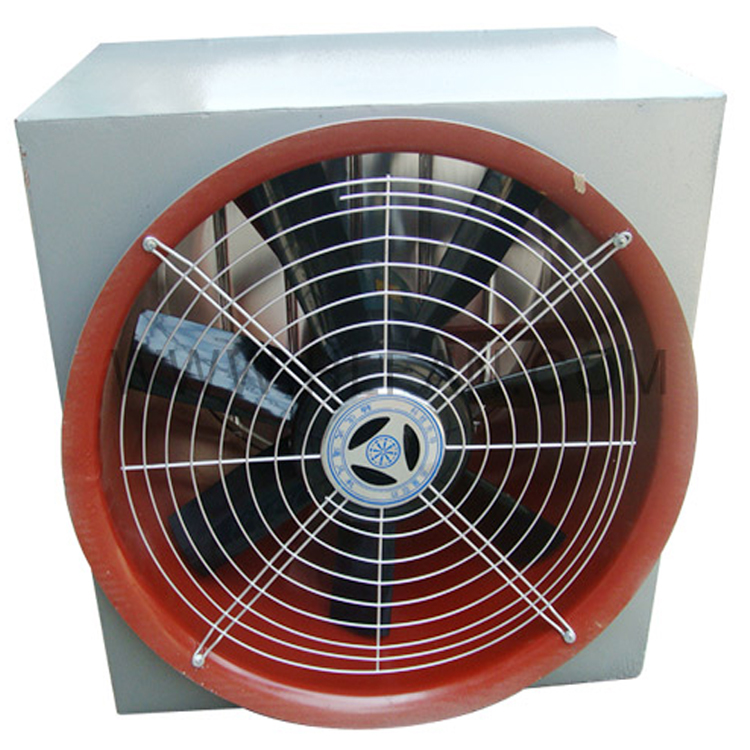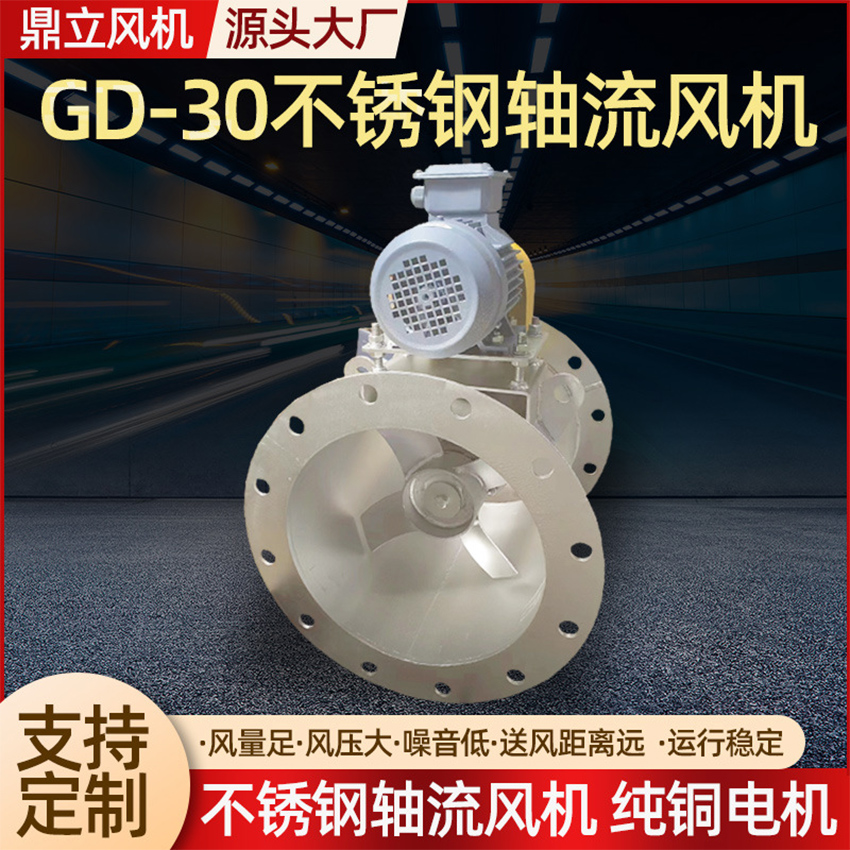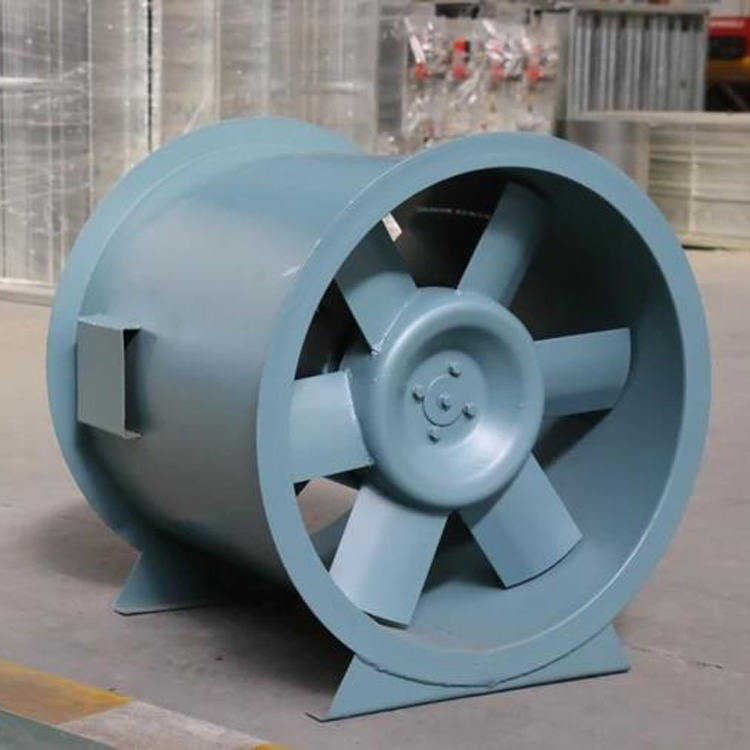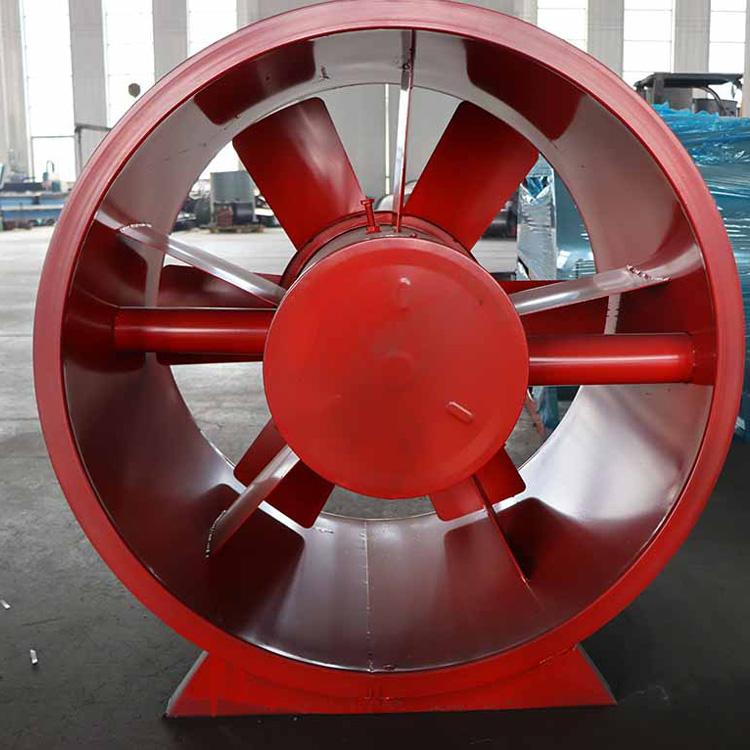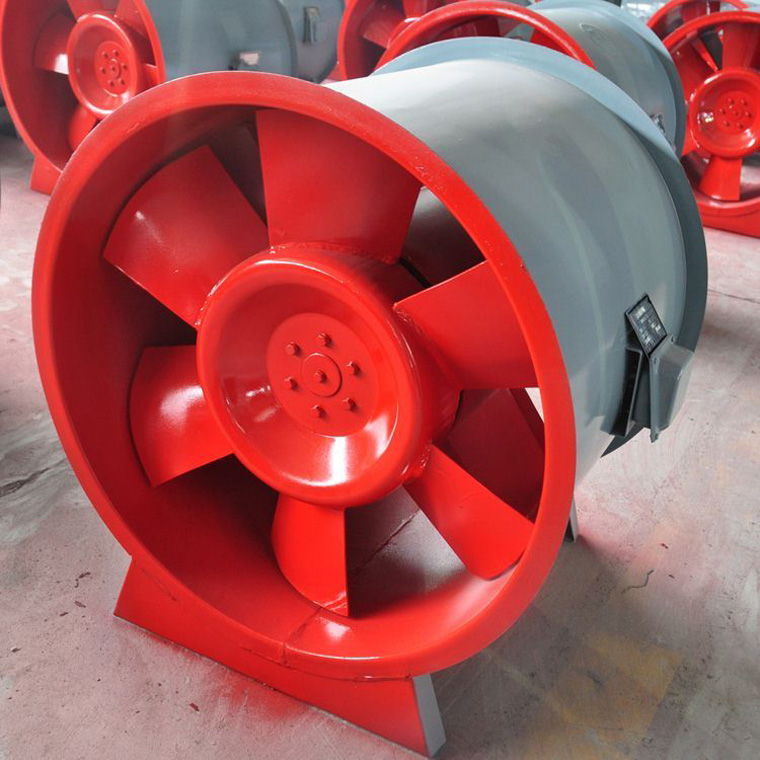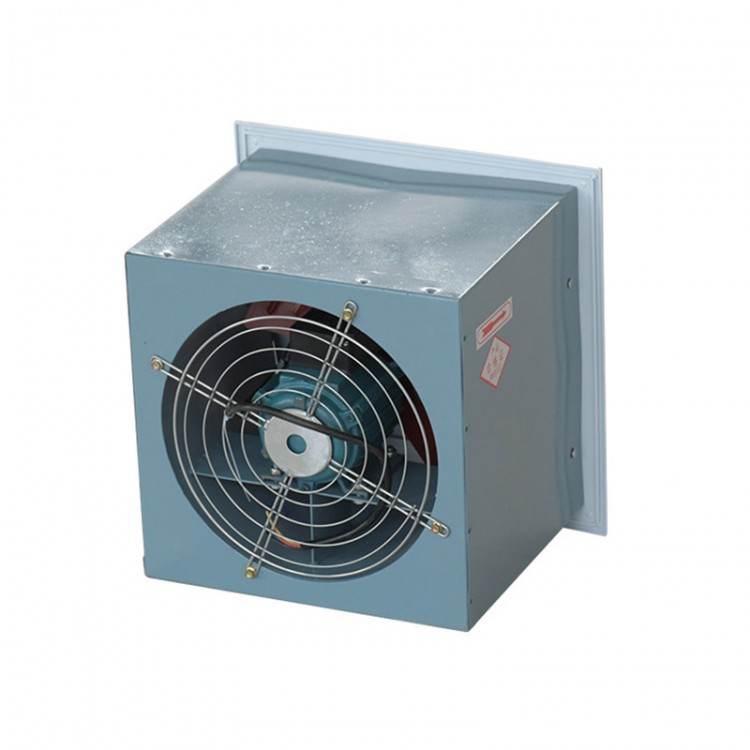

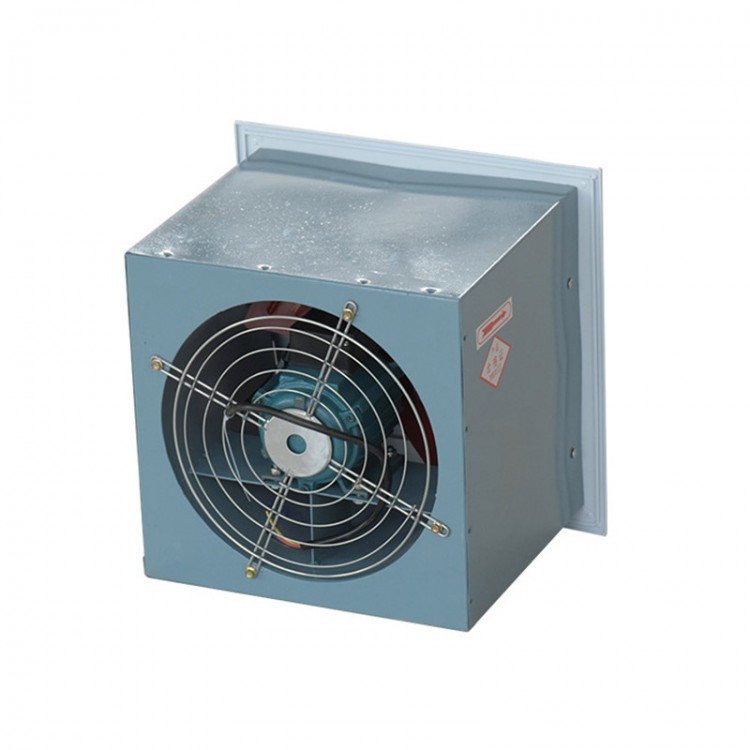
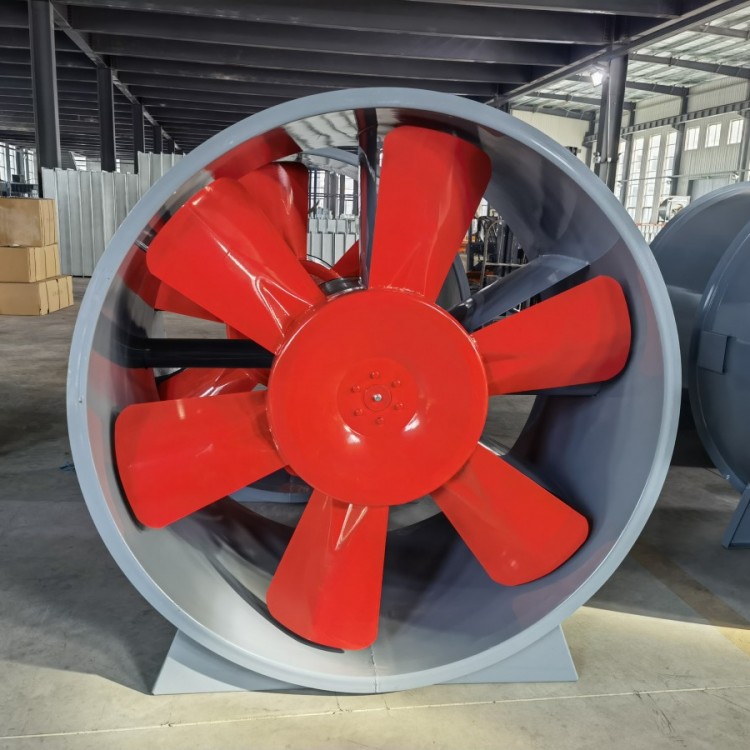
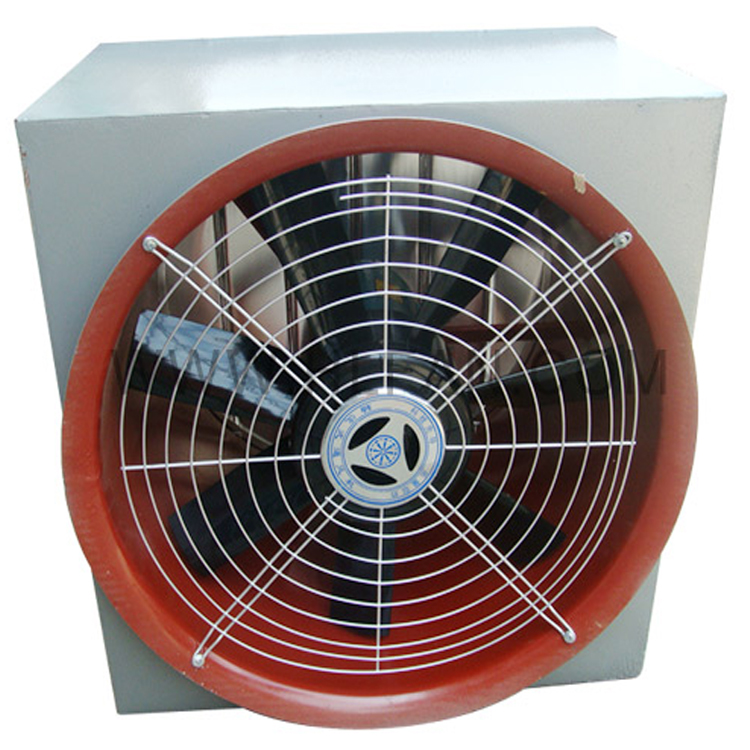


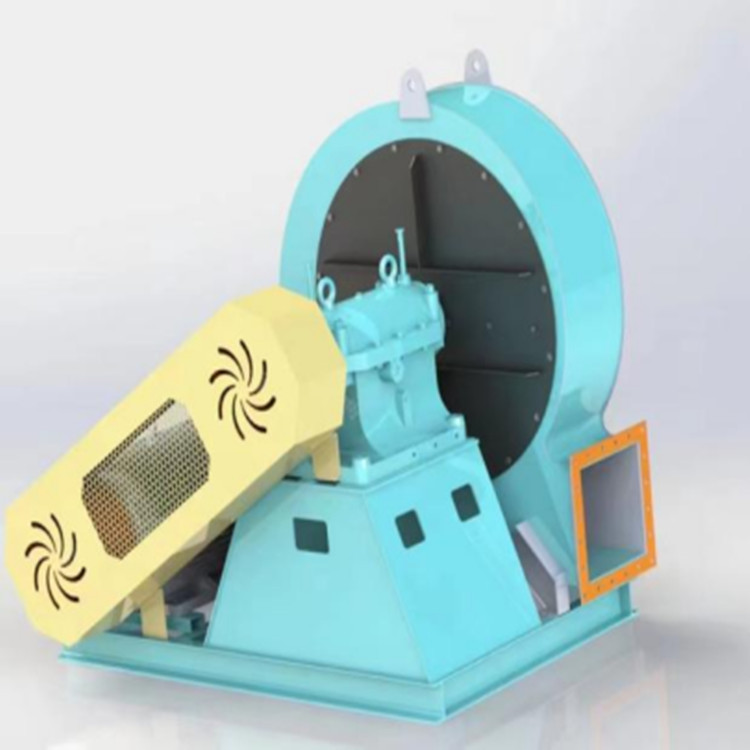





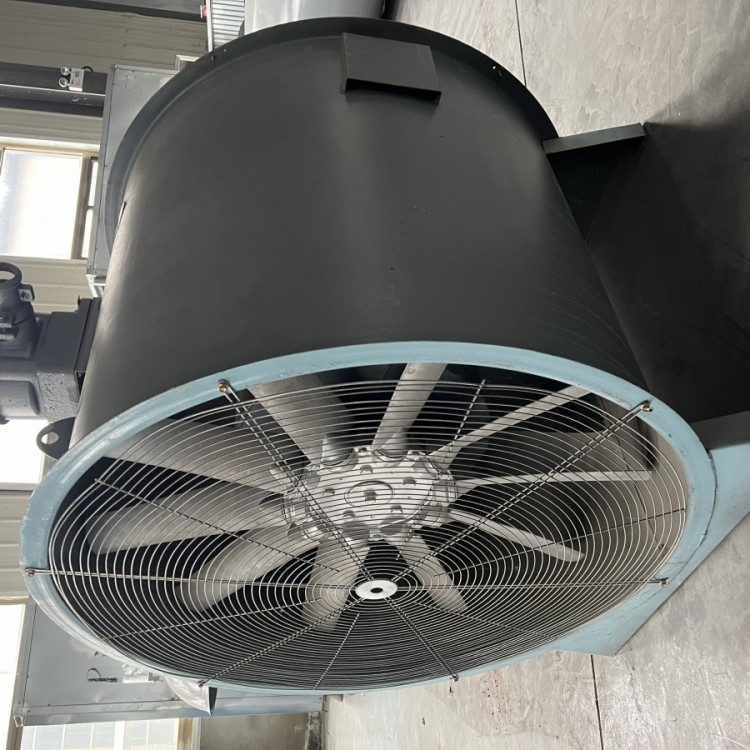


The working principle of an axial flow fan blade is similar to that of an airplane wing. However, the latter applies lift upward to the wing, supporting the weight of the aircraft, whereas the axial flow fan is stationary and moves the air.
2. The cross-section of an axial flow fan is typically an airfoil shape. The blades can be fixed or rotate around their longitudinal axis. The angle of the blades to the airflow or the spacing between the blades can be either non-adjustable or adjustable. Changing the blade angle or spacing is one of the main advantages of an axial flow fan. A smaller blade spacing angle produces lower airflow, while increasing the spacing yields higher airflow. Advanced axial flow fans can change the blade spacing during operation (similar to a helicopter's rotor), thereby adjusting the airflow. This is known as a Variable Pitch (VP) axial flow fan.
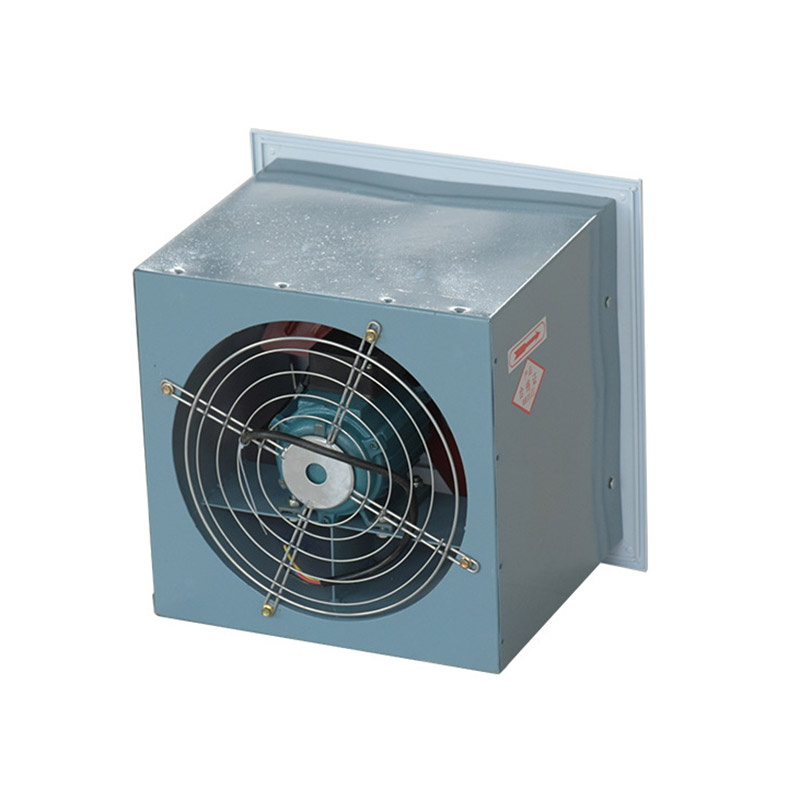
3. Axial fans, also known as local ventilation fans, are a commonly used type of fan in industrial and mining enterprises. Unlike standard fans, their motor and blades are housed in a cylinder, giving them a tubular shape. They are designed for local ventilation, easy to install, and highly effective in air exchange. They can be connected to a duct to direct air to a specific area.