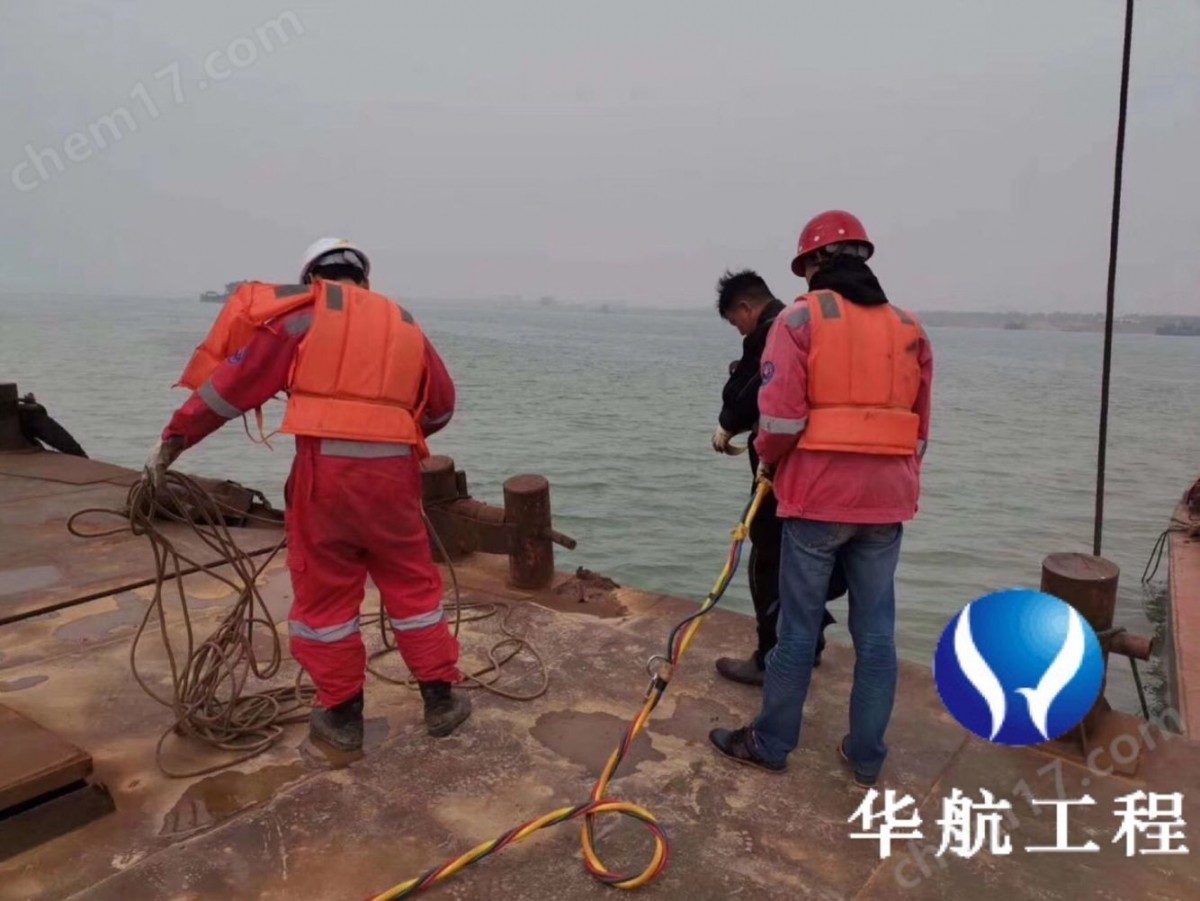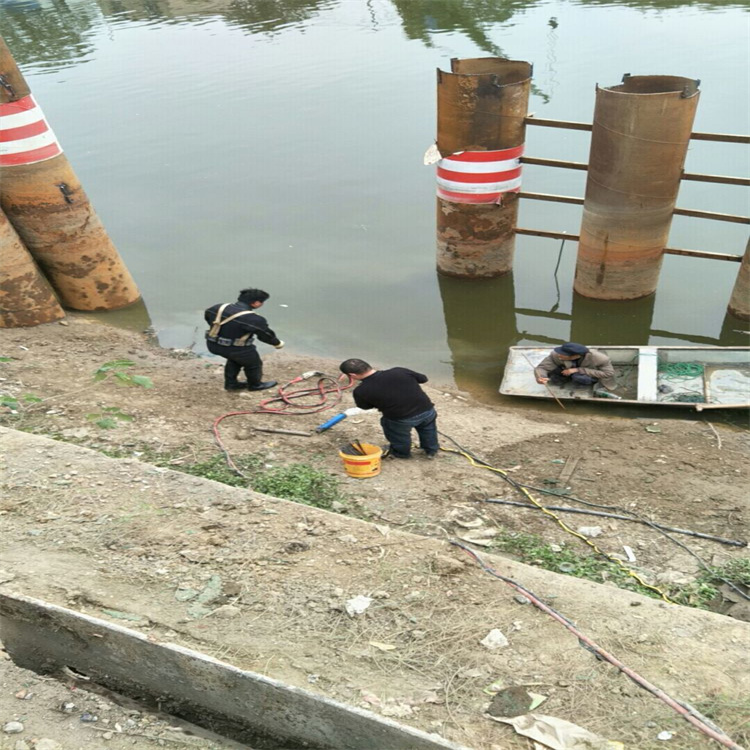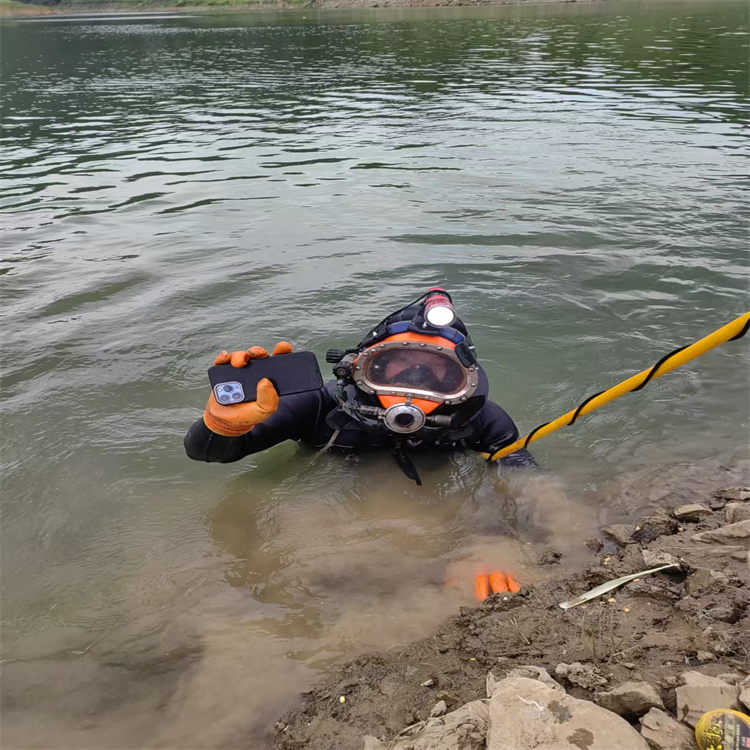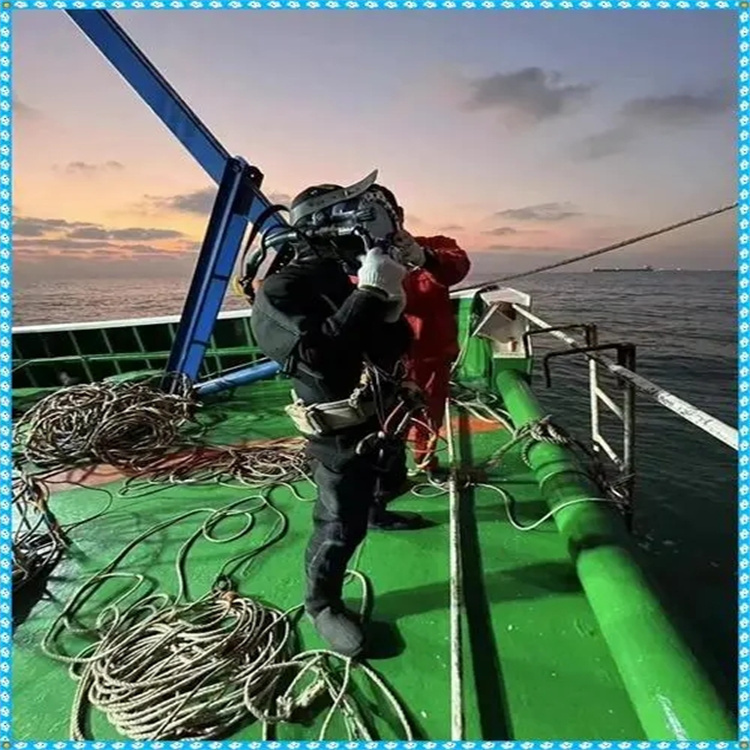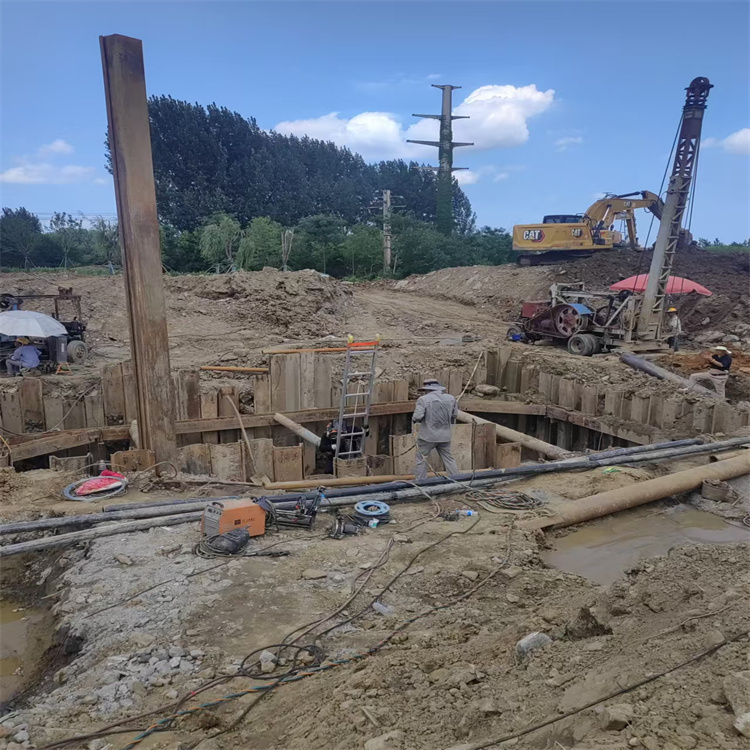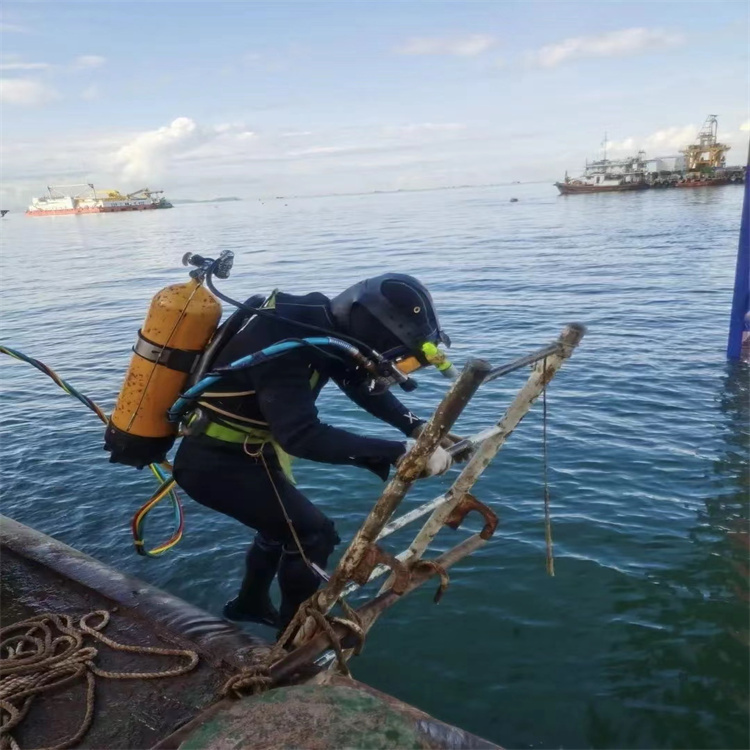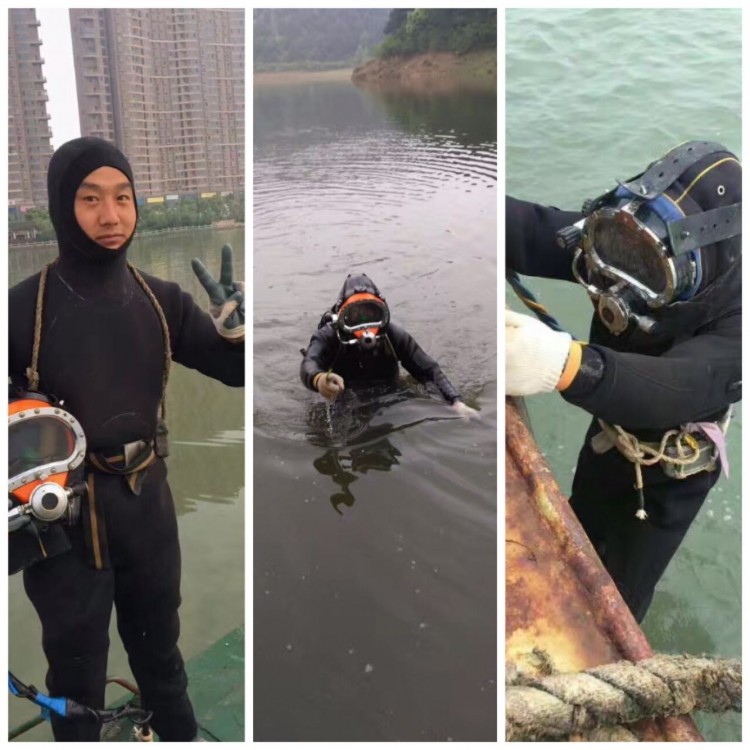


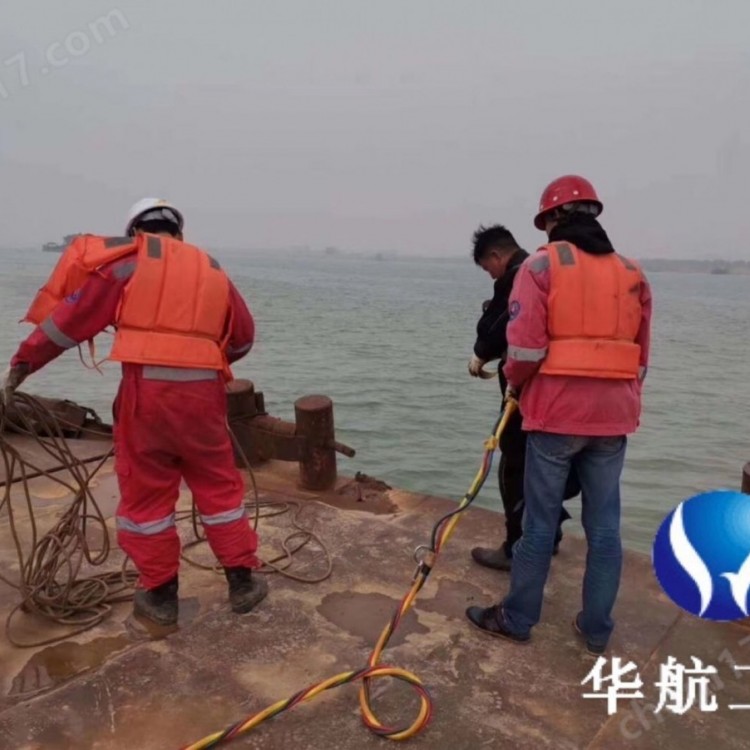
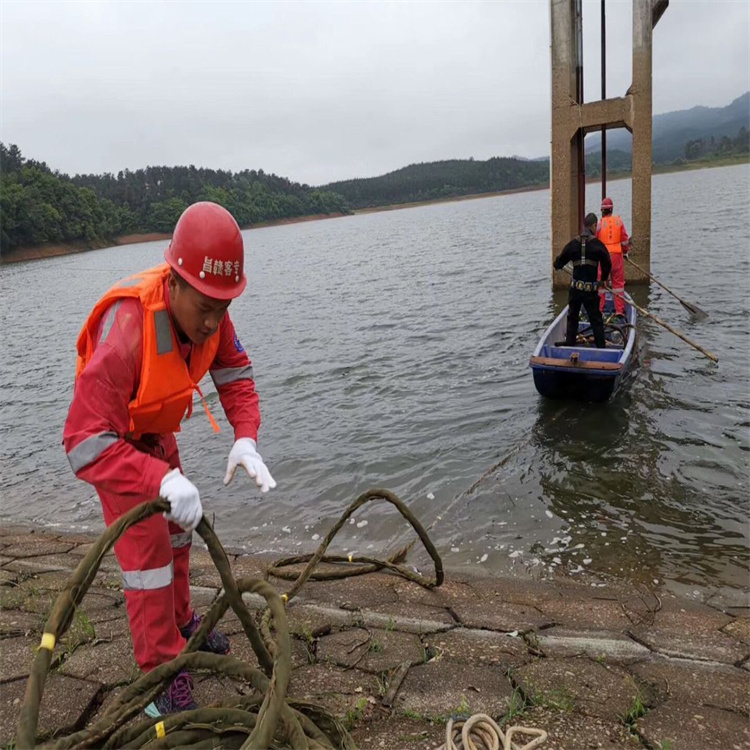


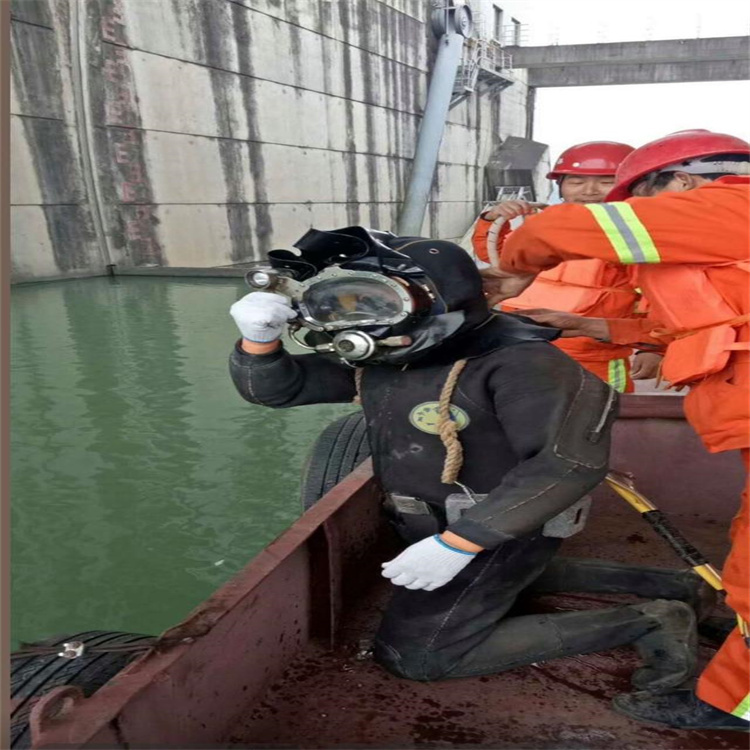
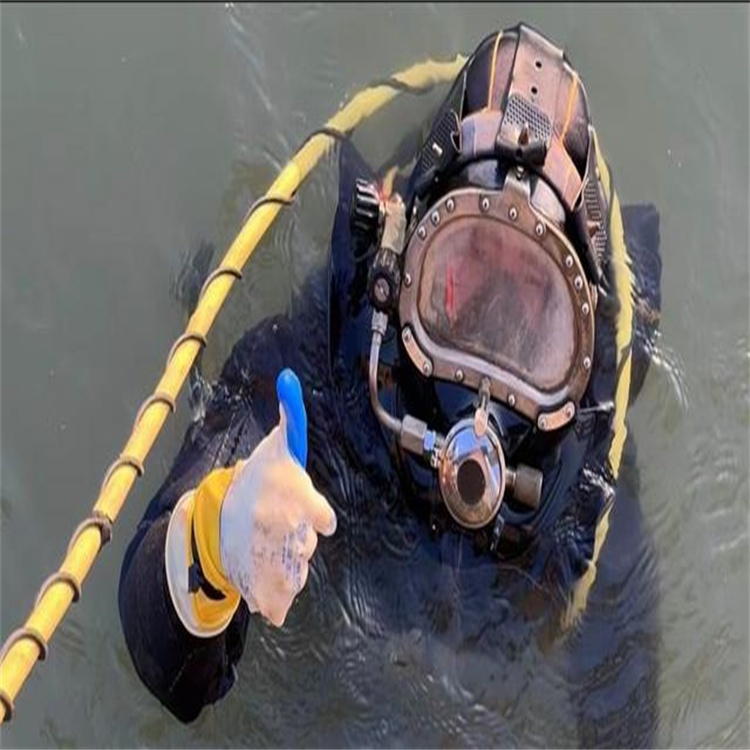
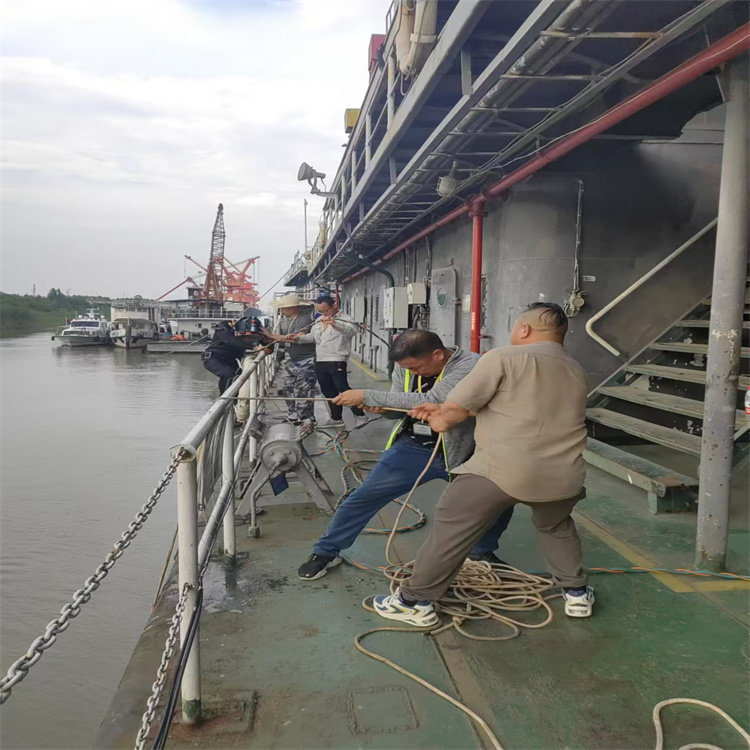

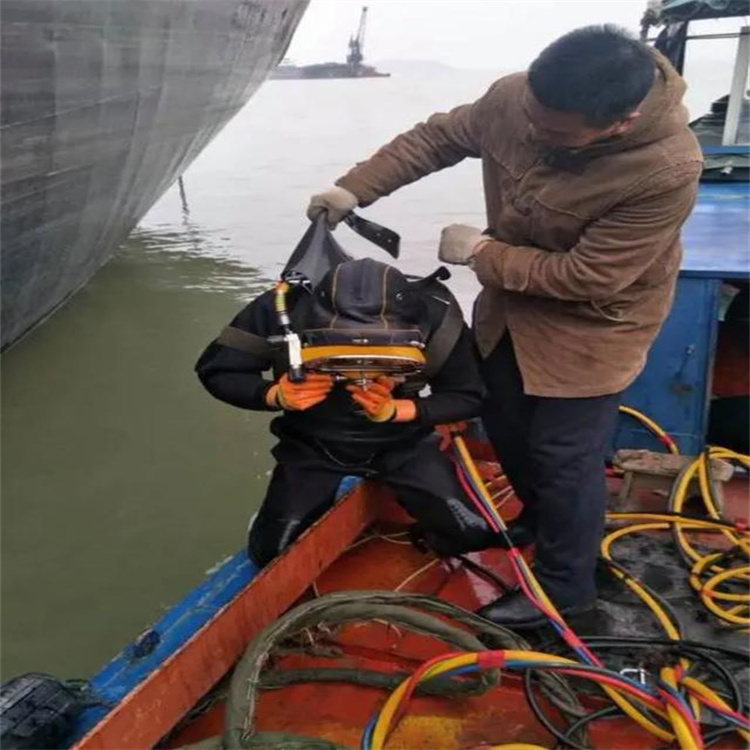







In cases where cofferdams are not backfilled promptly after storage or installation, and if the foundation at the bottom of the cofferdam is poor, with an abundance of silt-like soil beneath, they are prone to sliding in the presence of strong winds and waves. Alternatively, if during a long tow, the tug encounters adverse weather conditions necessitating the abandonment of the cofferdam, parts or the entire cofferdam may become submerged underwater. To address this situation, the cofferdam is recovered using steel formwork to elevate it, allowing for underwater floating and upright positioning.
Template for underwater recovery of sunk boxes is suitable for lifting submerged boxes standing underwater. This method, compared to the traditional construction technique of sealed storage sinking box recovery, significantly saves labor, materials, and construction costs while being safe and easy to operate. It combines box storage and lifting technology for the recovery and floating of the box, making it simple and time-saving.
I. Basic Requirements Before Commencement
1. Prior to the commencement of underwater engineering, a task directive must be issued by the Engineering Department and the Project Manager, approved by relevant leaders, and then distributed to departments such as the Quality Control Department, Business Department, and Safety Department.

2. Based on standards, drawings, equipment characteristics, and the client's requirements, the project manager (project leader) conducts a first-level technical briefing (in writing) to the construction teams (workshops). The technical leaders (technicians) of the construction teams (workshops) promptly prepare the construction organization design (construction plan), schedule, and layout drawings for submission to the company's engineering department and approval by the chief engineer.
3. Each construction team (workshop) technical leader (technician) shall, prior to the start of work, conduct a second-level technical briefing (in writing) to each team based on the above technical documents and sign it.
4. When the construction team (workshop) is picking up raw materials, they must simultaneously obtain material certification from the material supply department. Materials without certification are strictly prohibited from being used in the project.
Basic Requirements for the Quality of Underwater Engineering Projects:
1. All team leaders, technicians, quality inspectors, shift supervisors, and key construction personnel must be familiar with the drawings and specifications and strictly adhere to the technical documents, such as the construction organization design and operation guidance manuals.
2. Key process operators and special operation personnel, such as welders, electricians, crane operators, etc., must be certified and possess the corresponding qualifications.
3. Each construction team (workshop) must be equipped with quality inspectors who are responsible, familiar with the technology and the state-mandated specifications and standards, and have a strong sense of responsibility. The quality inspectors report to the company's quality inspector on work matters and receive guidance and supervision from them in business aspects.
II. Inspection Basis:
1. National or departmental regulations, standards, and evaluation criteria, as well as the quality management and supervision systems established by superiors and project departments.
2. Valid design documents (construction drawings and design modifications).
3. Equipment drawings, technical specifications, standards, and requirements provided by the manufacturing factory.
4. Approved construction organization designs, various construction technical plans, operation guidelines (technical handover) and the like.
5. Supervisor Company's Supervision Plan