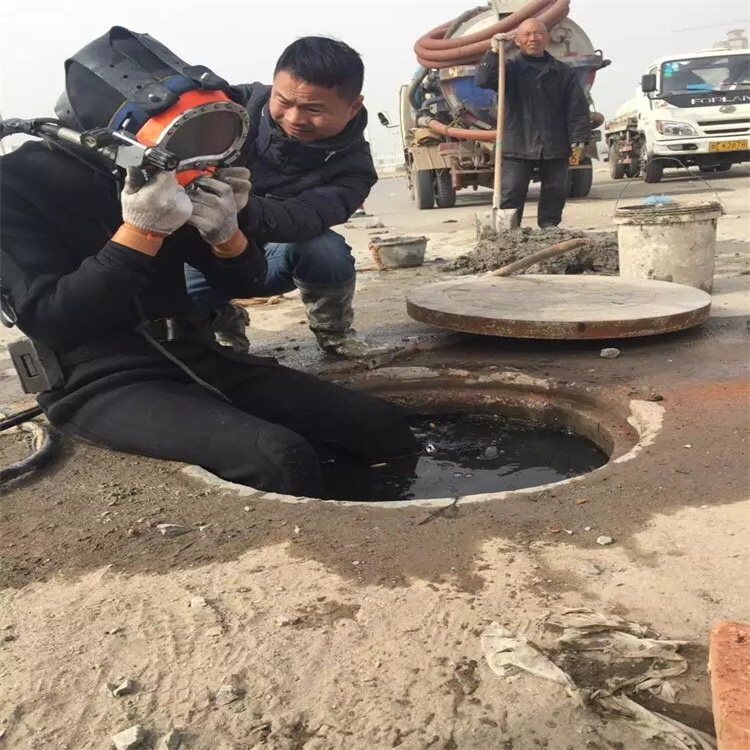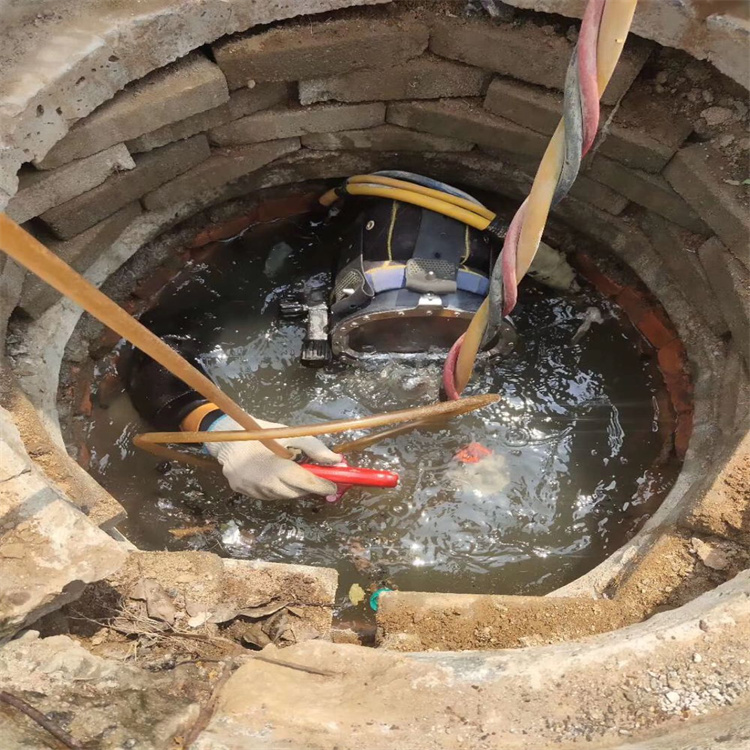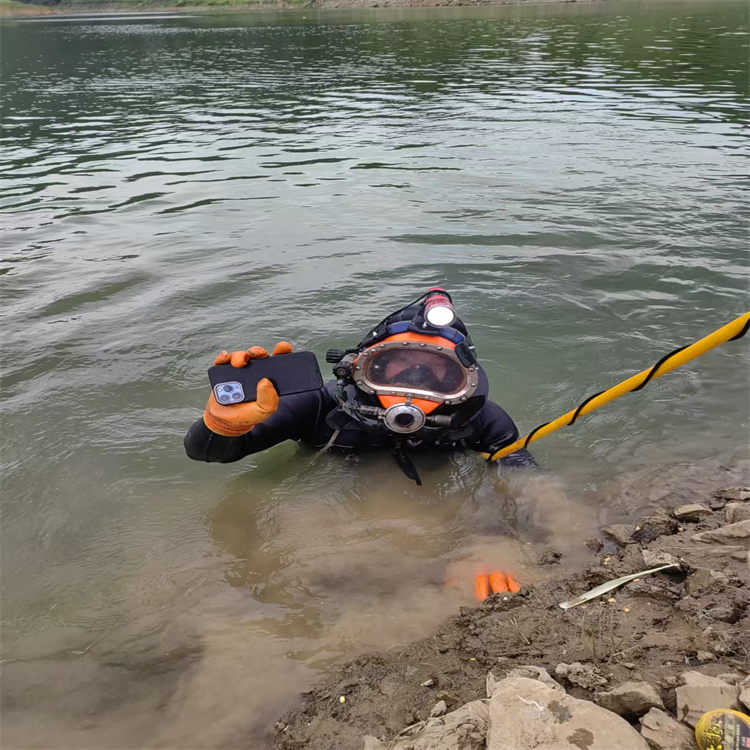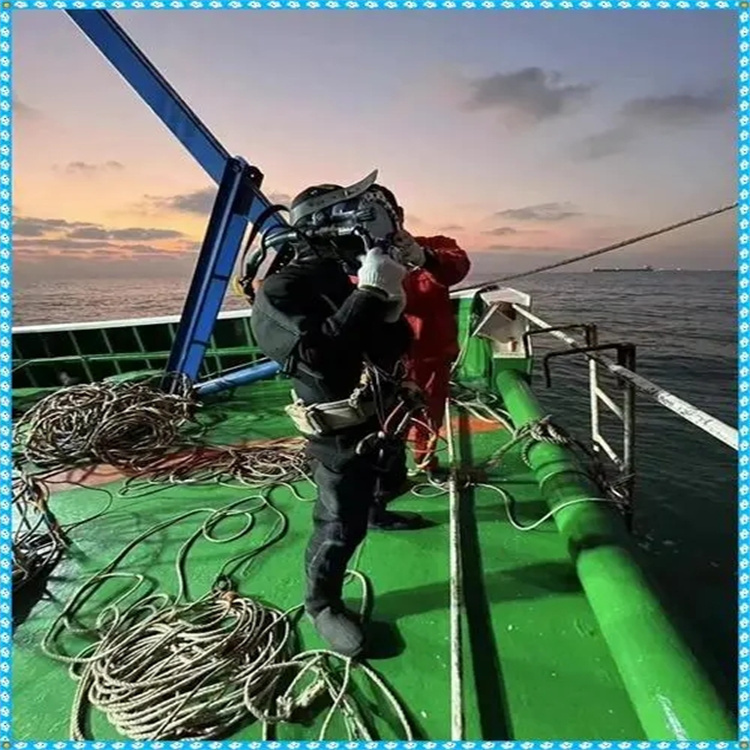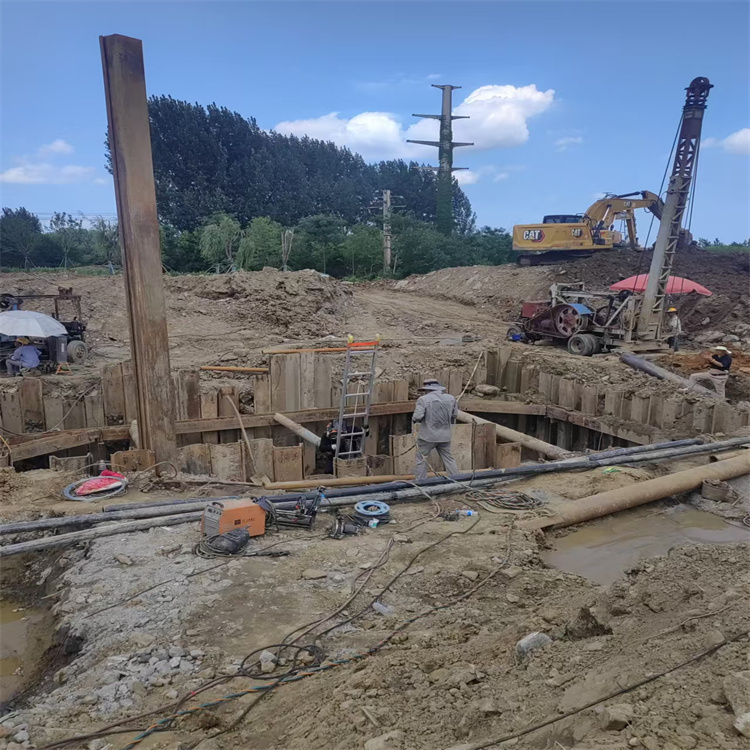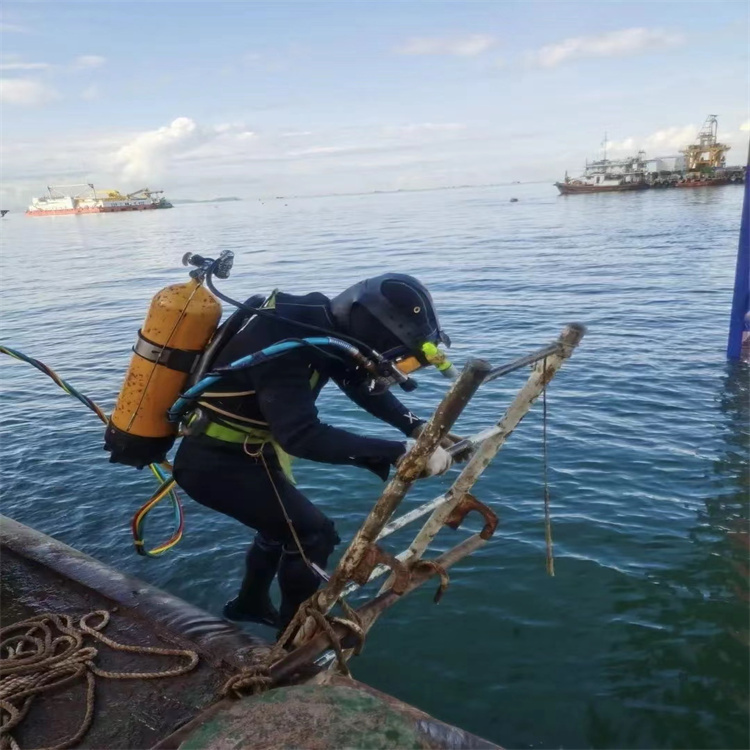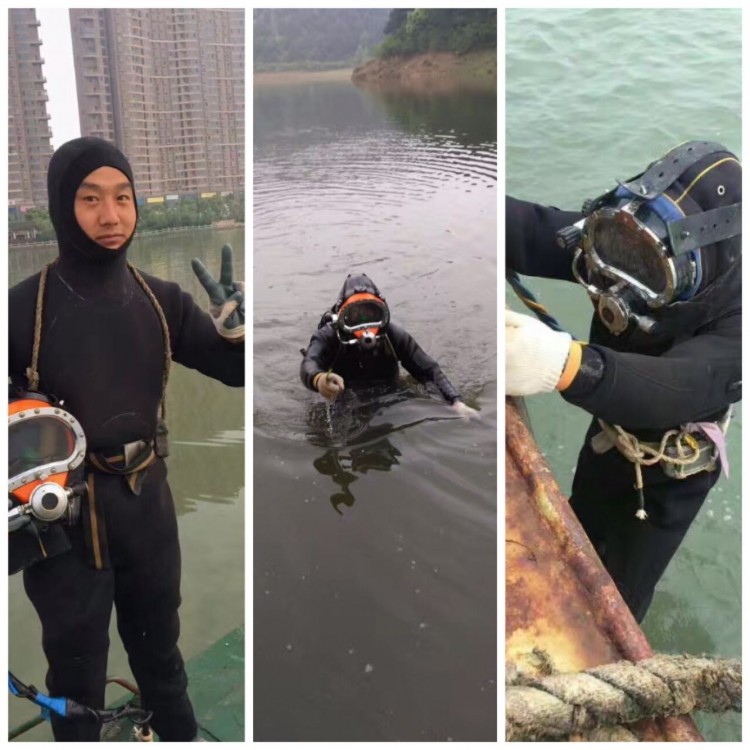


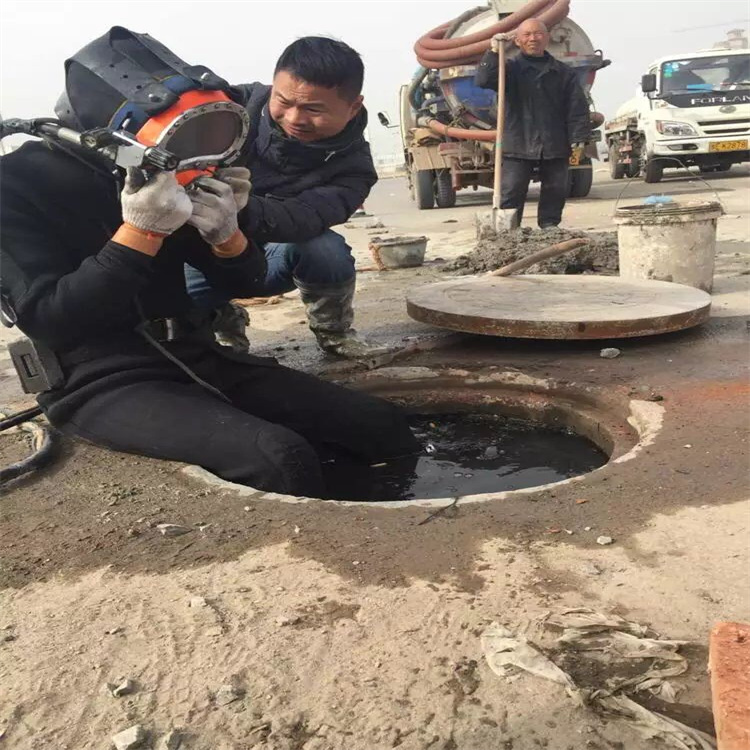










1. Prior to the start of the underwater leakage project, the engineering department and project manager must issue a task directive, which must be approved by relevant leaders before being distributed to departments such as the engineering, quality control, business, and safety departments.
2. Based on standards, engineering drawings, equipment characteristics, and the client's specifications, the project manager (project leader) conducts a first-level skill briefing (in writing) to each construction team (workshop). The skill team leader (skill technician) then, based on the above skill documents and the on-site conditions, promptly prepares the construction organization design (construction plan), progress schedule, and layout drawings, submits them to the company's engineering department, and awaits approval from the chief engineer.
3. Project leaders (skilled personnel) of each construction team (workshop) shall conduct a second-level skill briefing (in writing) to each team based on the above skill documents prior to commencement of work and sign off on them.

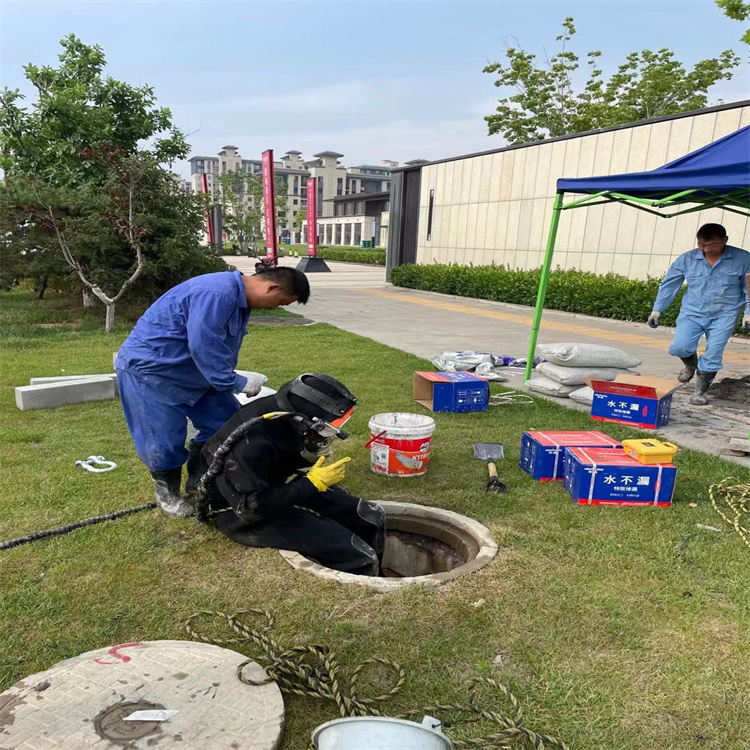

4. When the construction team (workshop) picks up raw materials, they must simultaneously provide the supplier with a material qualification certificate. Materials without a qualification certificate are not to be used for the project.
Underwater pipeline laying
Buoy Towing Pipeline Laying
The method for floating pipe laying involves first connecting the pipes into sections of a certain length on the shore, sealing both ends with caps. Then, tow the floatation device to the pipeline laying location, fill the pipes with water, allowing them to sink to the bottom or trench, remove the caps, and finally join the sections underwater.
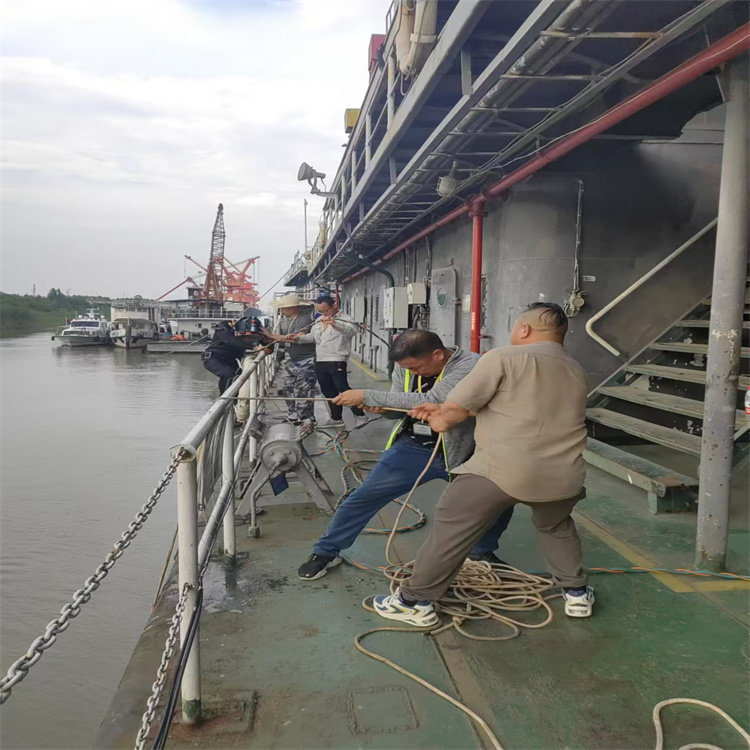
If the water is shallow with a deep shore and the height difference between the shore and the water surface is minimal, the pipe sections can be prepared on the original ground along the centerline extension of the river crossing. Alternatively, if the height difference between the shore and the water surface is significant, the shore must be excavated to reduce the height difference, and the groundwater level should be lowered in the excavation area before preparing the pipe sections. Pre-fabricated pipe sections are floated and towed by vessels or by traction equipment (winches, tractors, etc.) set on the opposite shore.
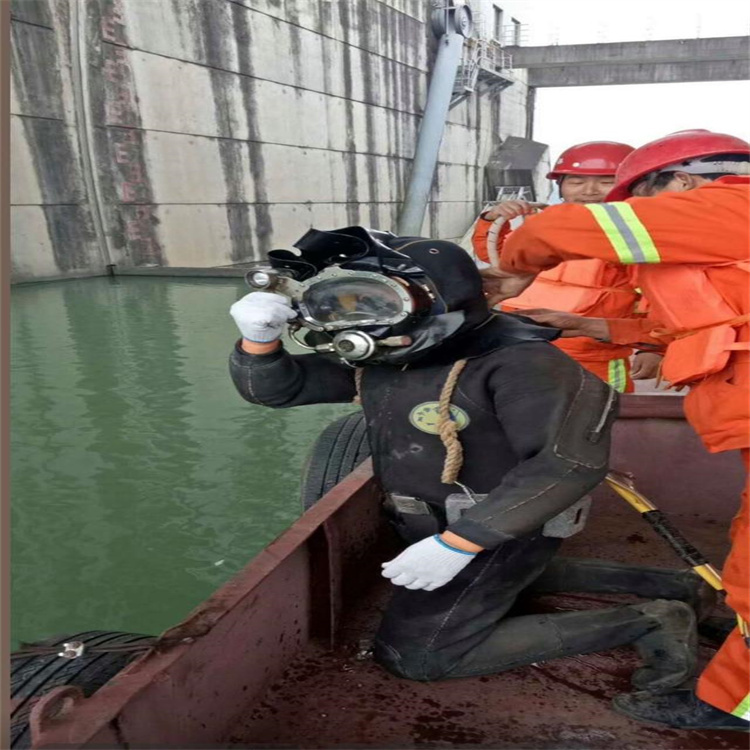
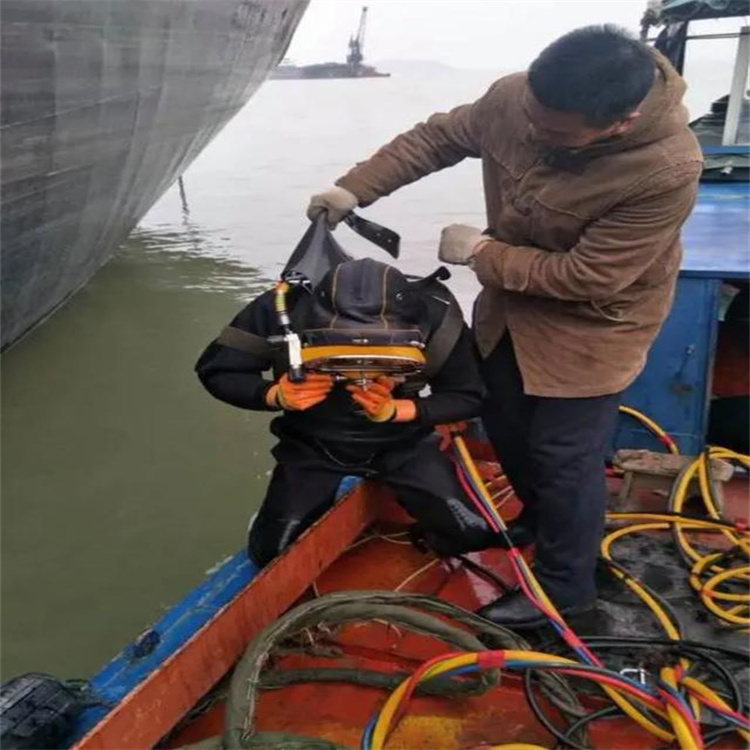
Hull damage requires divers to enter the water for sealing. The vessel's vulnerability is minimal based on the nature of the leak. The large area and severe damage make it difficult for divers to reach the site and blockage challenging. The vessel floating on the surface is fragile, and its proximity to the waterline and three types of water depends on the underwater position.
Upon discovering a leak in a boat floating on the surface, the following phenomena can be observed to judge: the boat's hull tilts left, right, forward, or backward with a significant water leak tilting; this leak becomes increasingly fragile; as the speed of water increases, the engine room determines the size of the leak; the sound of water can be judged from the volume and direction, as well as the diver's position outside. Exploration of the hull with a mop or other tools. If you can hook the edge of the leak or feel suction, the exact location of the leak can be determined; divers must use tools directly with their hands or feet. Otherwise, in the case of a large hole, divers may be pulled into the cabin by the water's suction pressure and the hull, making escape impossible.
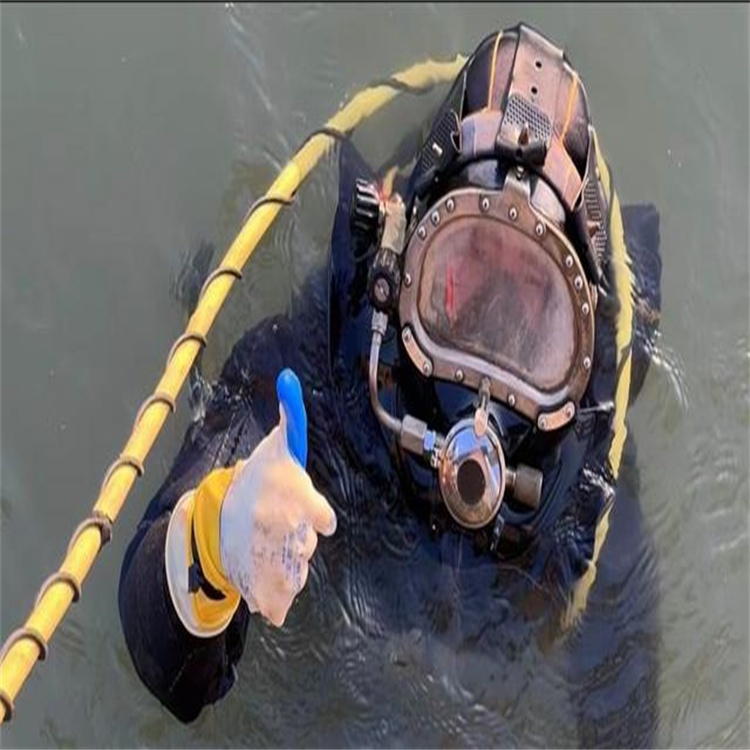
The diving company summarized four points.
First, understand the construction of the pool. To save time for divers during underwater maintenance, each staff member must be familiar with the underwater environment before entering the water. Additionally, they should be well-versed in the entire maintenance process. This way, once underwater, the staff can perform maintenance quickly.
Two, Diver Pre-Dive Conditions. It's crucial to understand the local hydrological environment before diving, especially the underwater conditions, temperature, and current speed. This helps staff select equipment suitable for them and avoid various unexpected underwater situations.
Three, underwater sealing operations must be handled with caution. When performing underwater cutting, welding, and other damage repair work, appropriate protective measures must be taken to avoid the risk of internal wastewater leakage during the repair process, which could harm the surrounding natural environment.
Four, Confirmation of Completion of Underwater Work. When repairing leaks or other engineering bodies, it must be confirmed repeatedly to avoid the need for a second repair, which could cause unnecessary trouble to consumers and divers.