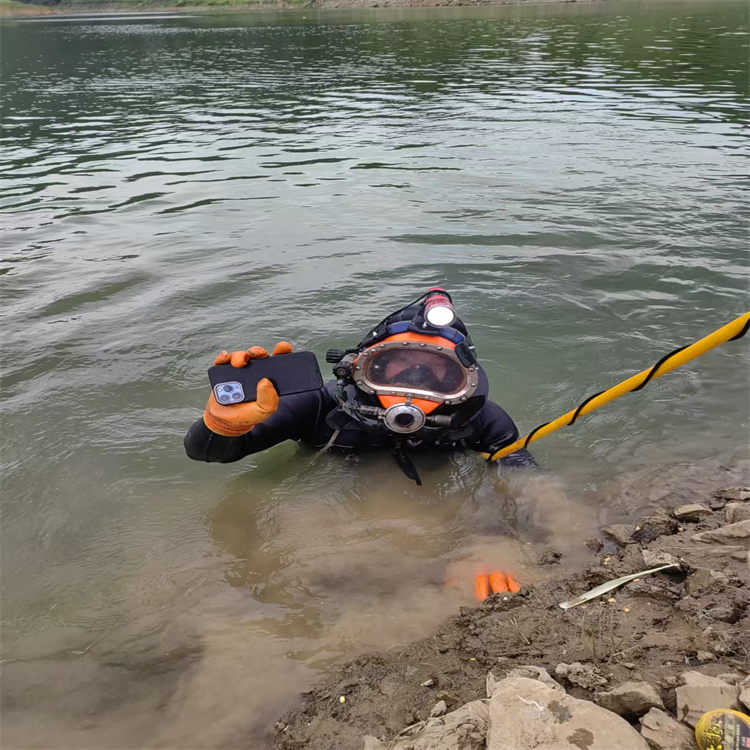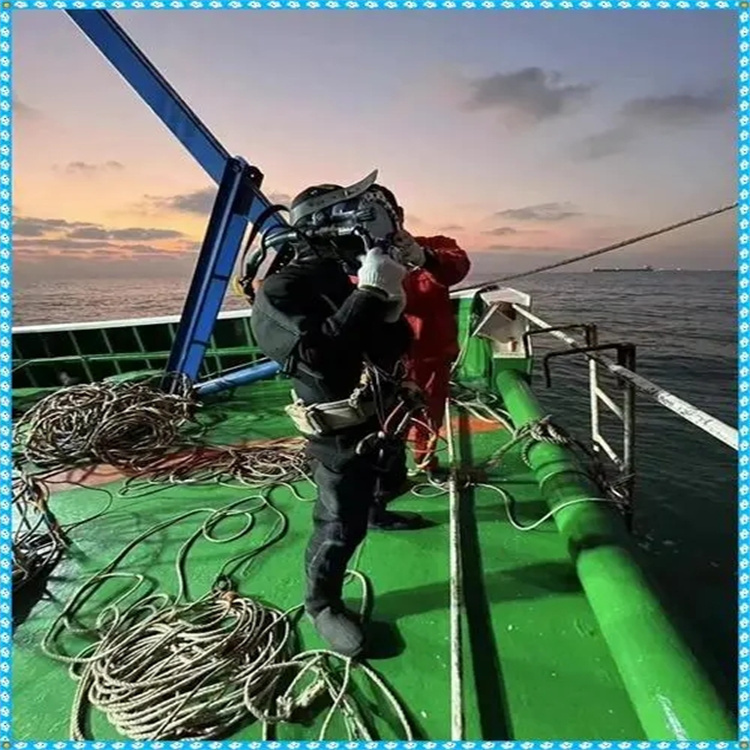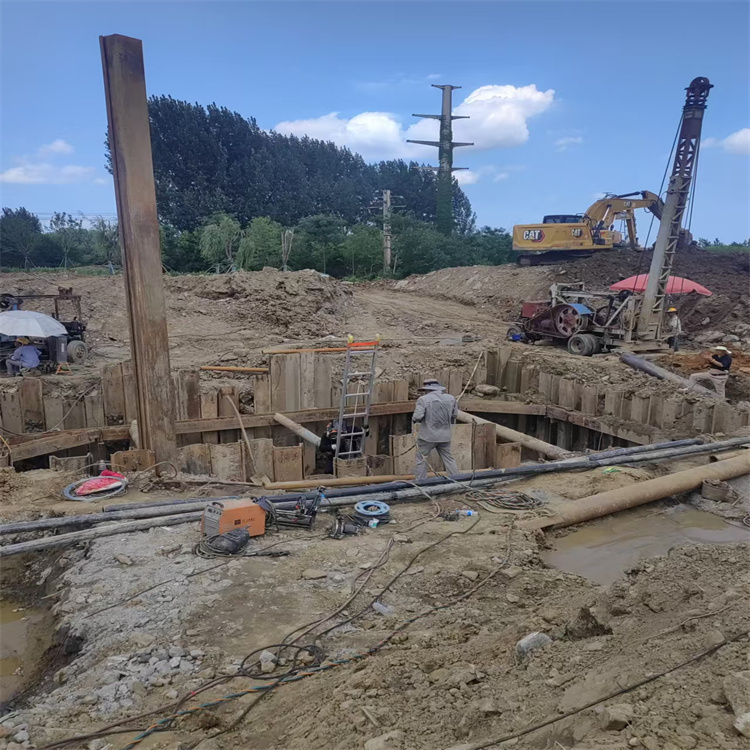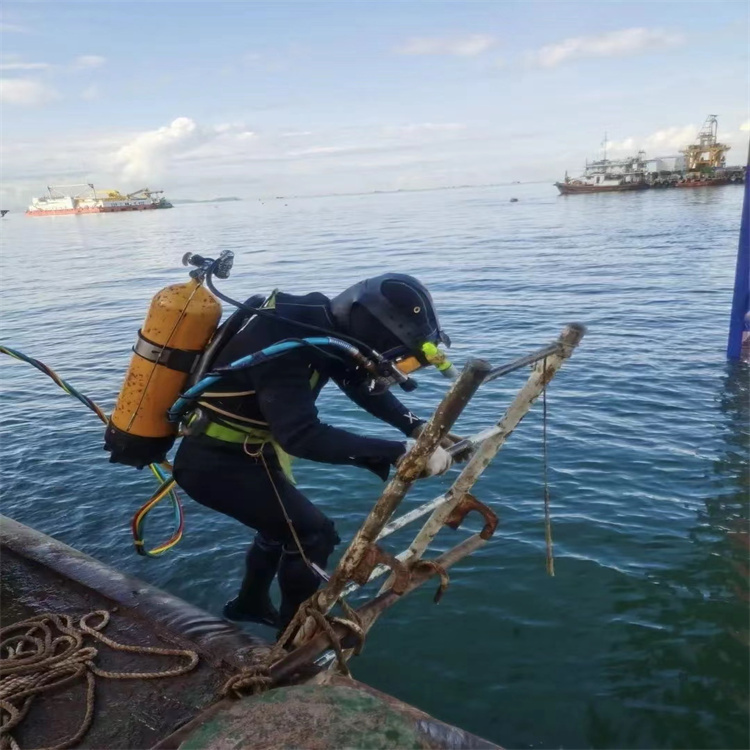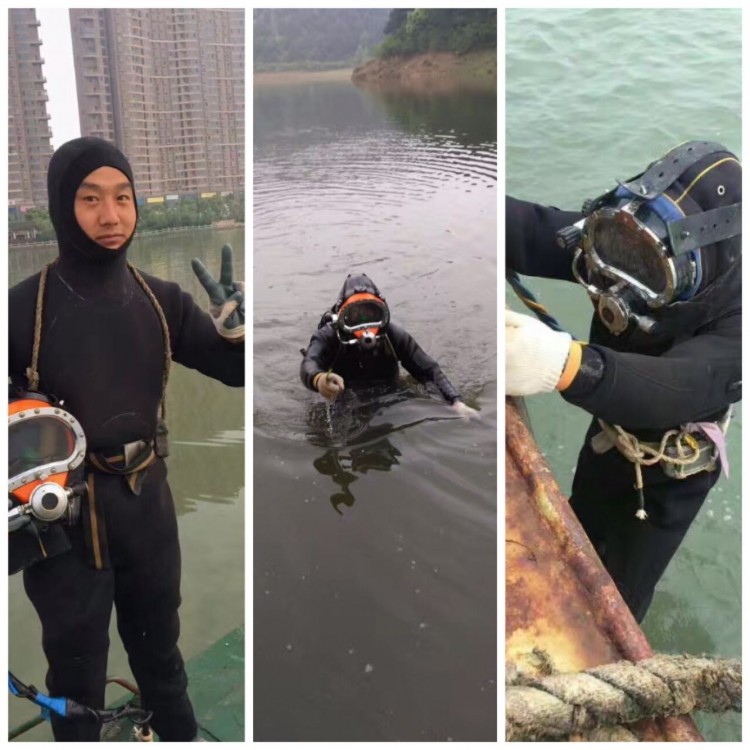


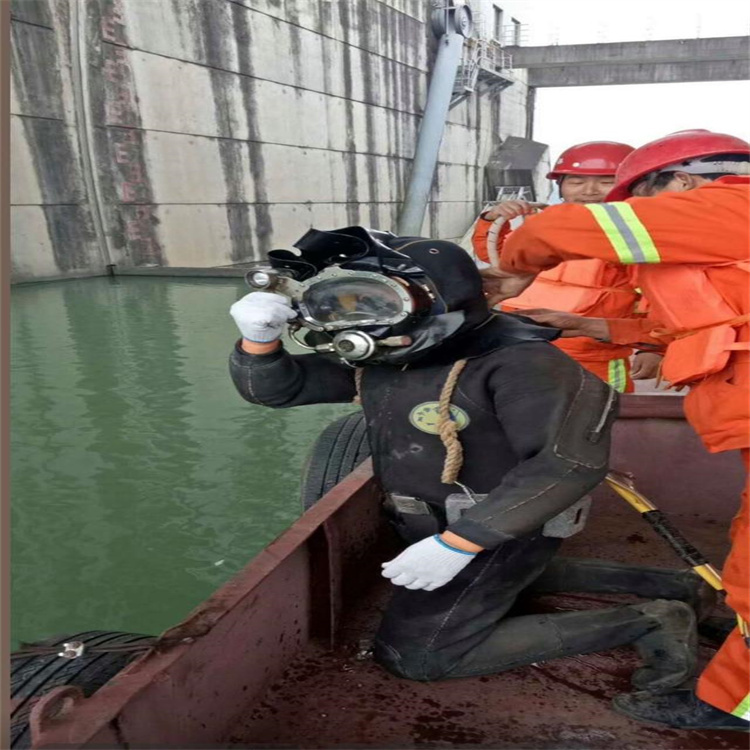
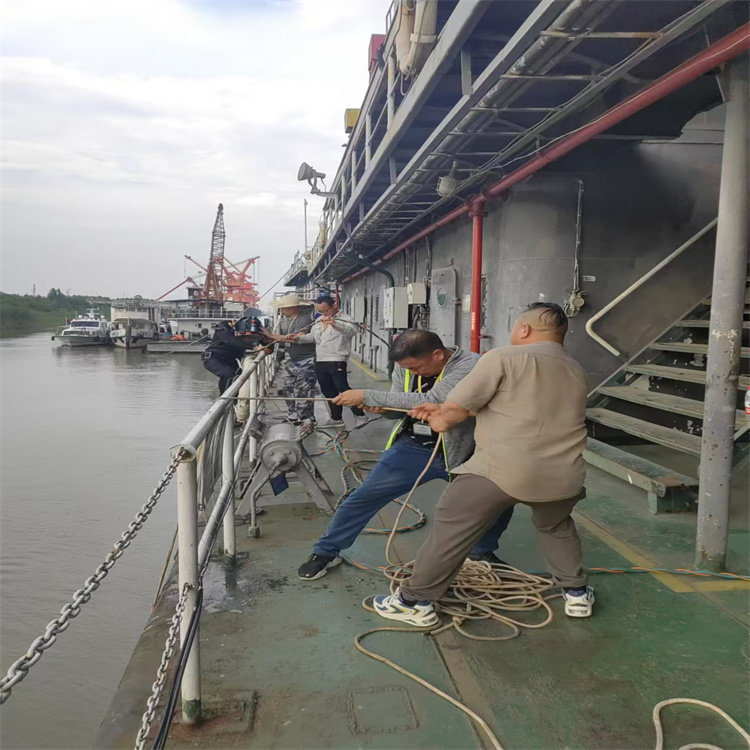

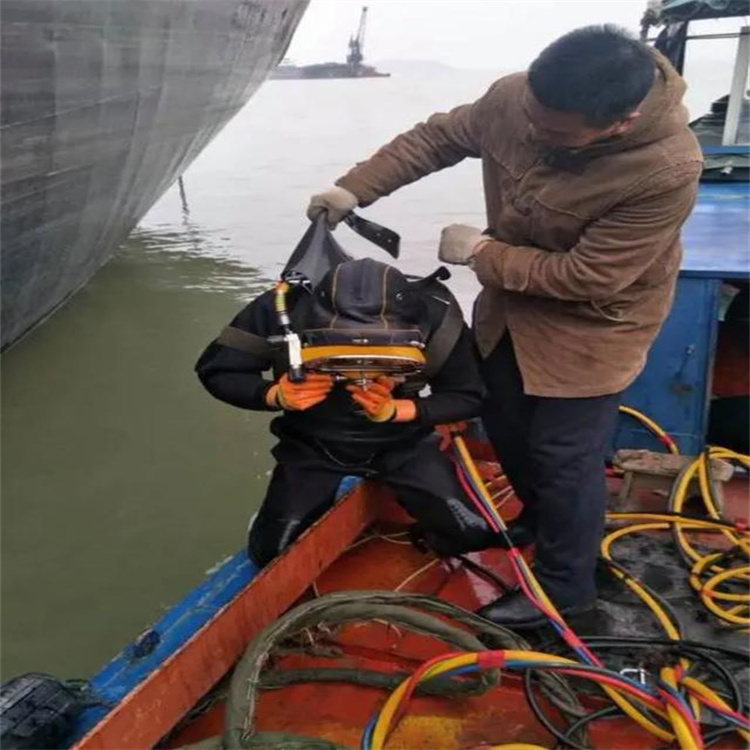







At times, everyone encounters difficulties that we cannot overcome on our own, such as underwater recovery. This is when it's necessary to seek assistance from professionals. It's a high-risk job, and for the safety of oneself and others, certain precautions should be taken: recovery personnel must undergo skill training to ensure their personal safety during operations. Additionally, standard safety equipment should be inspected to prevent malfunctions that could affect its use. Divers typically operate in groups of four, with tasks managed by designated personnel; substitution by others is not allowed.
Based on the size of the sunken vessel and the specific location of the incident, six different methods can be employed for handling the situation. These methods can be used individually or in combination, referred to as integrated salvage methods, depending on the specific event. Below is a detailed explanation of the six methods:
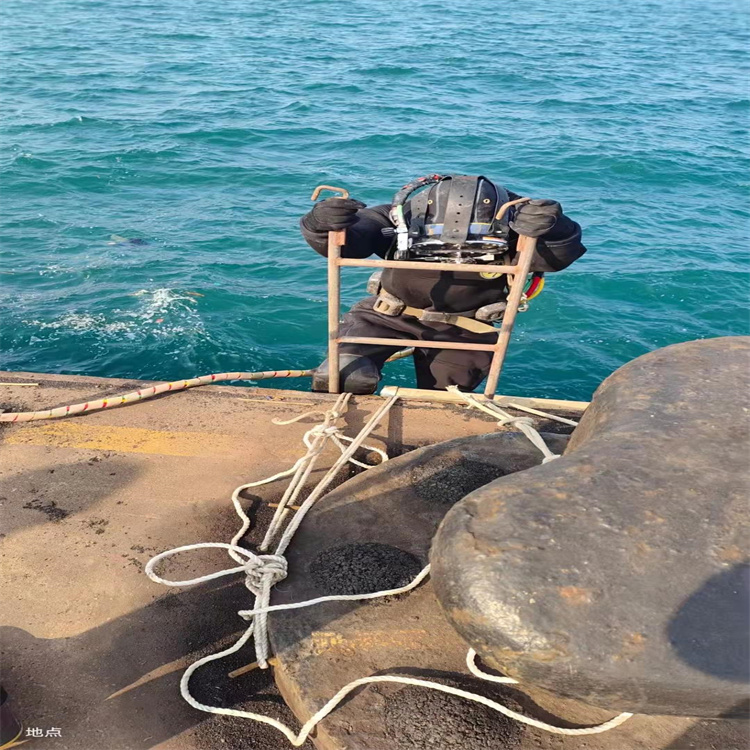


① The method of sealing the hold and pumping out water for recovery. This involves first sealing the breach of the sunken ship, then pumping out the water inside to float the ship. Due to the difficulty in achieving a tight seal and the challenge of operation in strong winds and waves, this method is less commonly used.
② Buoyant Recovery Method. By inflating several buoys underwater, the buoyancy is utilized to lift the sunken ship to the surface. This method offers strong and reliable buoyancy, with ease and safety in construction.
③ Ship lifting and recovery method. A steel cable is wrapped around the bottom of the sunken ship, and the lifting equipment on the recovery vessel is used to hoist the sunken ship. Generally, two or more recovery vessels need to work together during the recovery process.
④ Foam Plastic Recovery Method. Inject closed-cell foam plastic with low specific gravity into the sunken ship's hull, expel seawater, and lift the vessel using the foam's buoyancy. This method avoids the inconvenience of threading steel cables through the sunken hull and reduces or eliminates the need for sealing the hull, also suitable for operations under sea conditions with wind and waves.
⑤Berm recovery method. When a ship sinks in a shallow-water area, a berm can be constructed around the sunken vessel, the water inside the berm pumped out, and the ship sealed or repaired. Afterward, water is refilled to float the ship, and the berm is then removed.
⑥ Inflatable Drainage Salvage Method. It involves injecting compressed air into the sunken ship's hull to expel water, thereby causing the ship to float.
In summary, the risk factor during the sunken ship recovery process is extremely high, thus requiring the project manager to possess the ability to adapt to unexpected situations as well as technical requirements, and not to rigidly follow a one-size-fits-all approach. Often, a comprehensive recovery method is employed for sunken ship recovery.
The prerequisite for this method is that the soil layer at the bottom of the pipe is susceptible to liquefaction.
5. Comprehensive Operation Ship Pipeline Laying
The method of pre-excavating underwater trenches for pipeline laying has the drawback of potential sedimentation in the trench, and the volume of soil disposal and backfilling work is substantial. To overcome this drawback, a comprehensive operation ship for pipeline laying can be employed.
We are responsible for the construction safety of the entire project, inspecting the construction plan and steps with danger signals before and after construction to ensure the safety of all personnel and the project. Our company specializes in underwater construction within 60 meters, offering services such as underwater cutting, welding, recovery, detection, cable and pipeline laying, facility maintenance, dredging, pipeline plugging, municipal water conservancy projects, cofferdam sealing, underwater installation, port channel dredging, and underwater plugging. Bridge cutting involves concrete cutting as well. Here, the senior diver from the diving team of the Hua Hang project will explain the methods available for bridge cutting. Nowadays, concrete is the main material for various types of construction projects. To ensure bridge safety, high-quality concrete is now used. With proper maintenance, some bridge structures can last for decades or even longer. Due to the high strength of this bridge, it is not easy to cut it open. Regardless of the reason for cutting the bridge, the ultimate goal is to ensure a safe cut.