


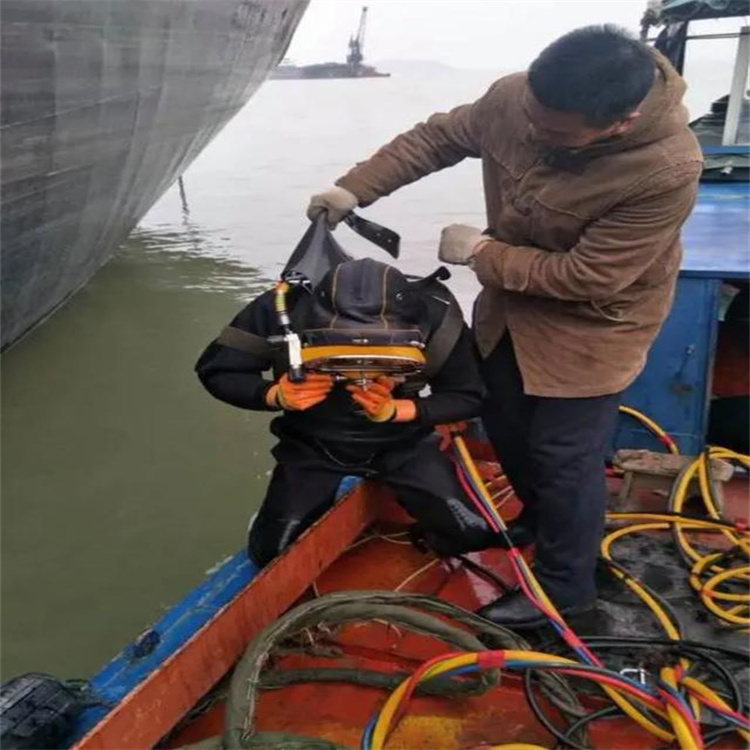







Underwater pipeline leak prevention and waterproofing; in the presence of water, the water level is blocked. Solution:
(1) 2/3 well depth, stone backfill → pre-buried part φ50 galvanized steel pipe → 100mm sand backfill → repeated grouting to seal leaks 500mm thick → second grouting to seal leaks 500mm thick → grouting under working pressure in galvanized steel pipes → graphite sealant at the upper end, using brick and stone backfill on the basic raft surface below 2 meters, large diameter stone masonry does not exceed 1/3 of the pipe diameter.
(2) The components embedded at the top of the masonry are 32mm galvanized steel pipes, internally filled with grout to fill the gaps between the masonry and water-resistant pressure.
(3) The road sand layer is 100mm thick.
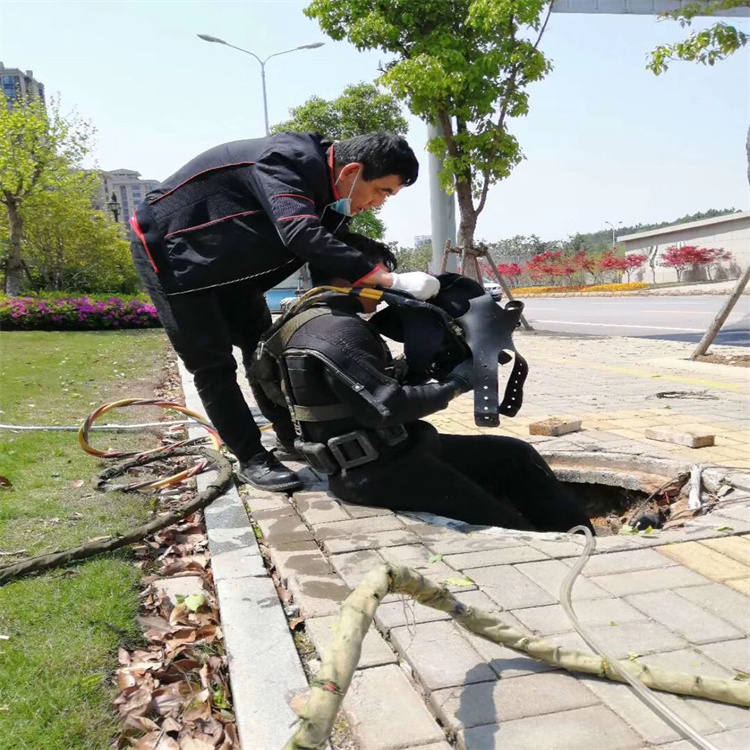
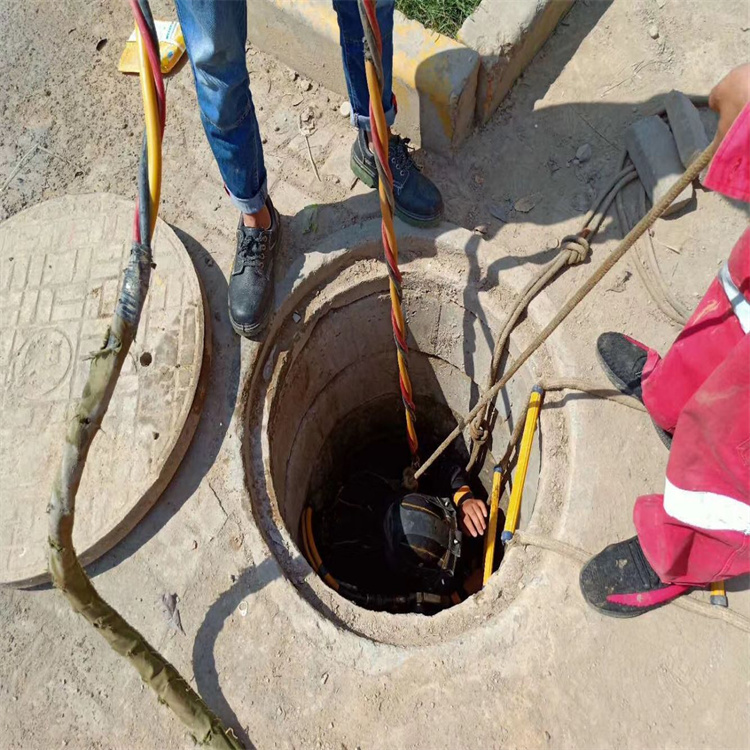
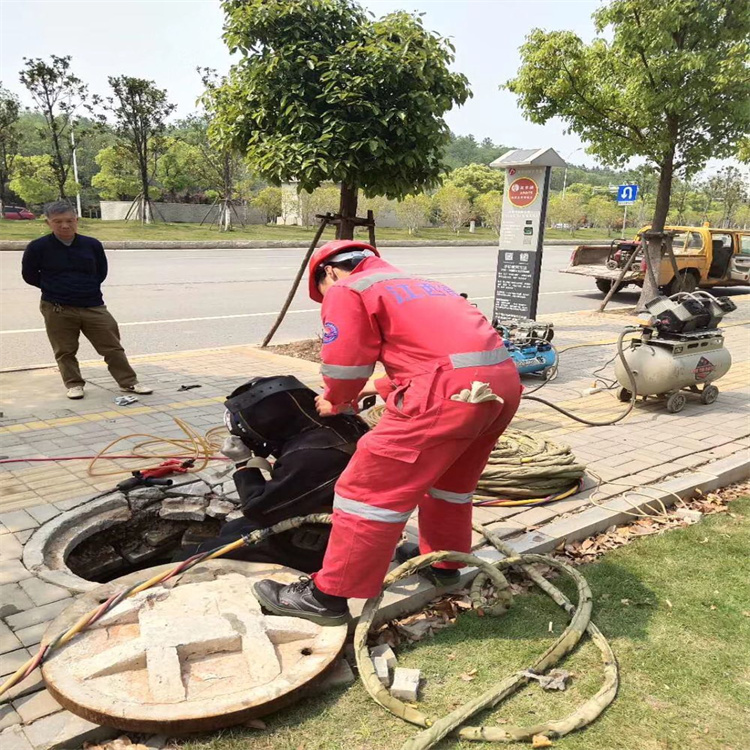
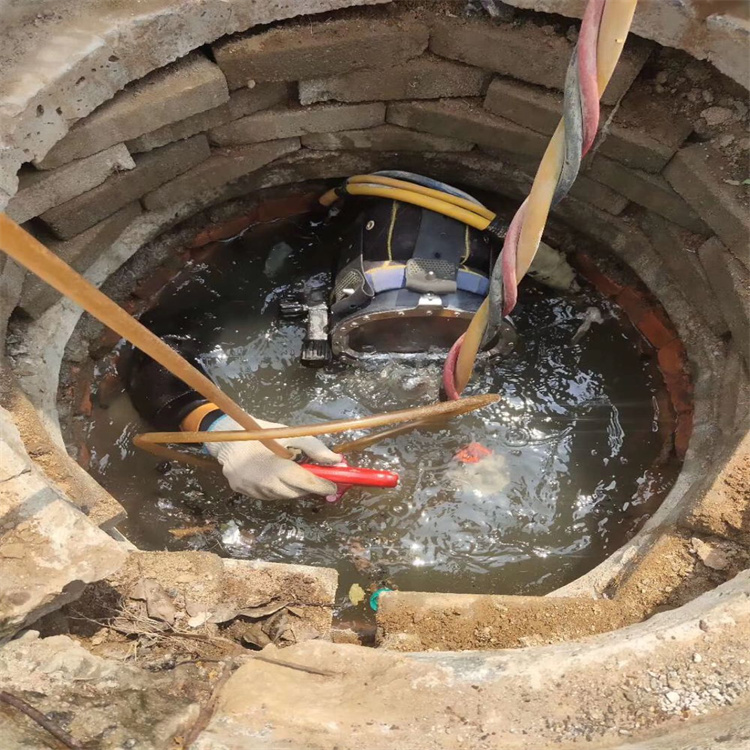


(4) Select quick-setting grouting material for 1 leak-sealing application, pour 500mm of concrete
(5) Cut the deep well filter pipe, select quick-setting grouting material for leak sealing, and pour concrete from scratch for a height of 500mm.
(6) 1/2" galvanized steel pipe with external grouting; select grouting for pressure grouting during operation; maintain pressure for 12 hours post-grouting; the compressive strength of the grouting material exceeds the pressure after unloading.
(7) Concrete base layer pre-buried 100mm sealed, waterproofing grade sealed, only blocks the entire rainfall process, submersible pump during rain (cable and water pipes selected from the phone cover) → use 20-40mm gravel backfill soil → grouting* times to block the foundation down to 1000mm → insert the second grouting material into the surface of the foundation plate.
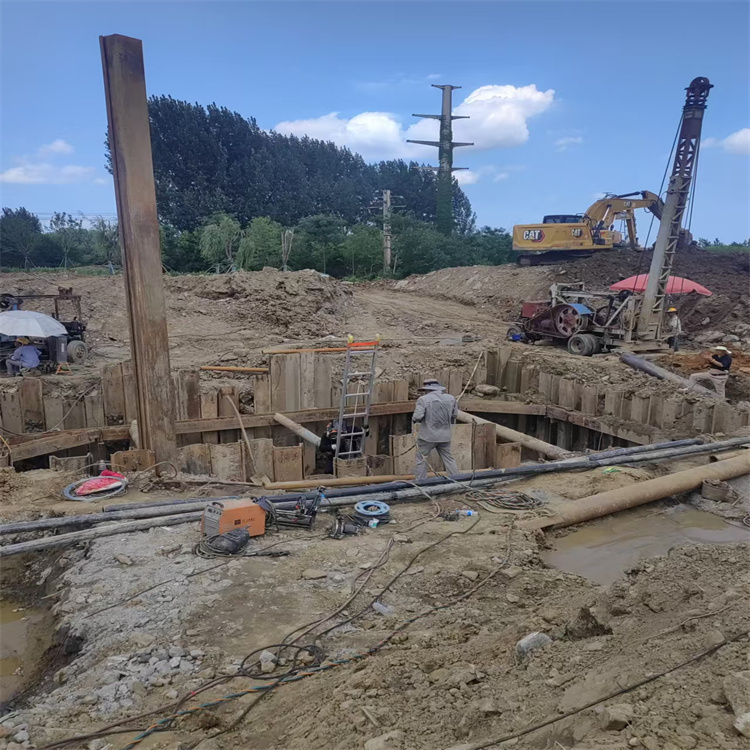
The safe distance at the downstream slope bottom groove of the cofferdam should be determined based on the height of the dam body, the depth of the upstream water, the height of the groove, underwater geological conditions, and factors such as transportation, soil stacking, and drainage facilities during construction. Establish the excavation edge line of the groove, then remove the soil inside the groove to the design elevation, lay the bedding layer, pour the concrete foundation, install the pipes, conduct the water-tightness test for the main pipeline, and then backfill according to the design requirements before dismantling the cofferdam. Check pits should be constructed at the connection points of the inverted siphon sections and other pipelines. A water-tightness test should be conducted after the pipeline installation is completed.