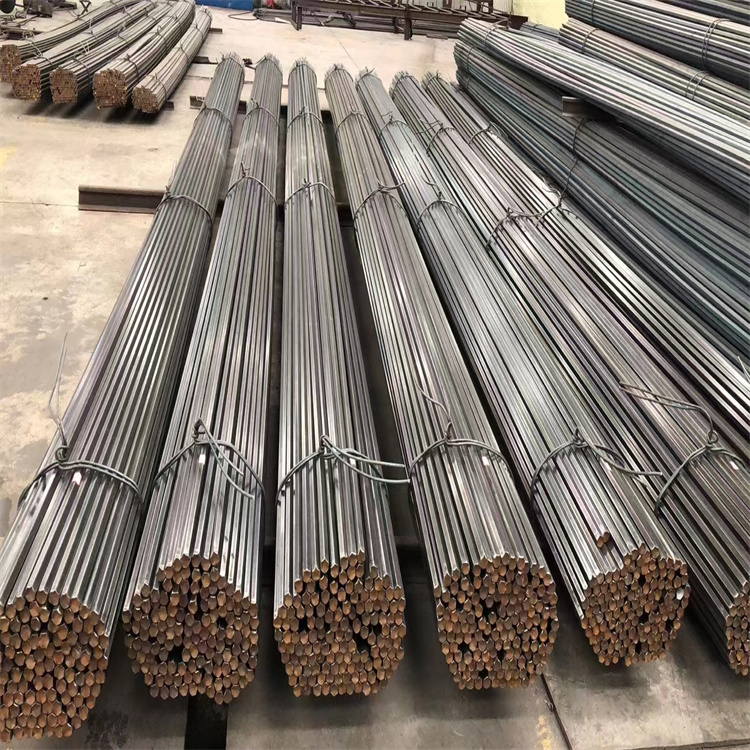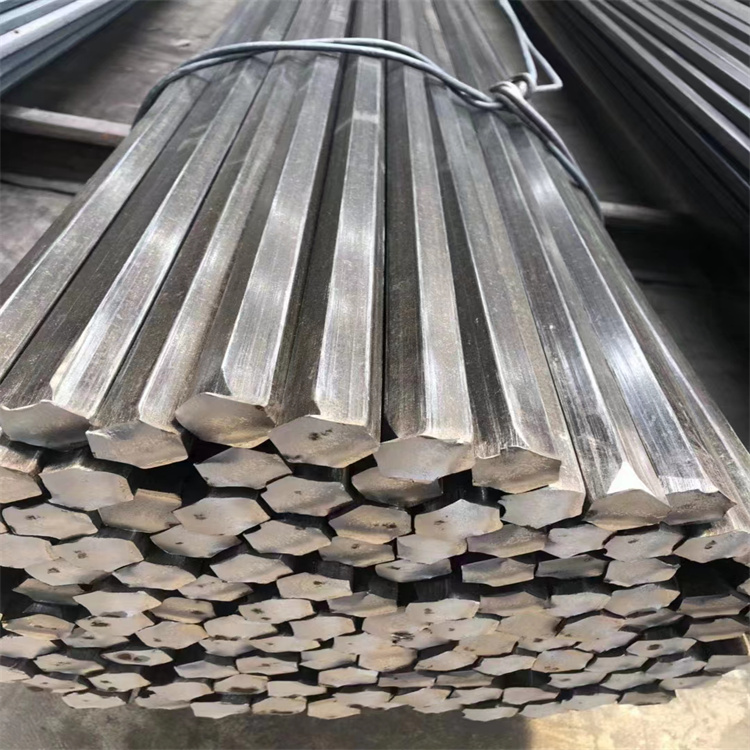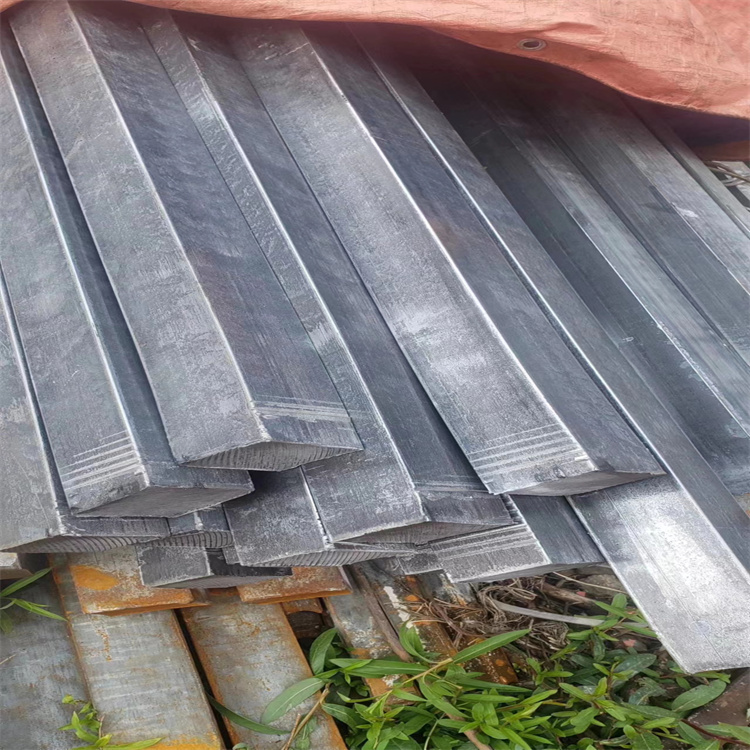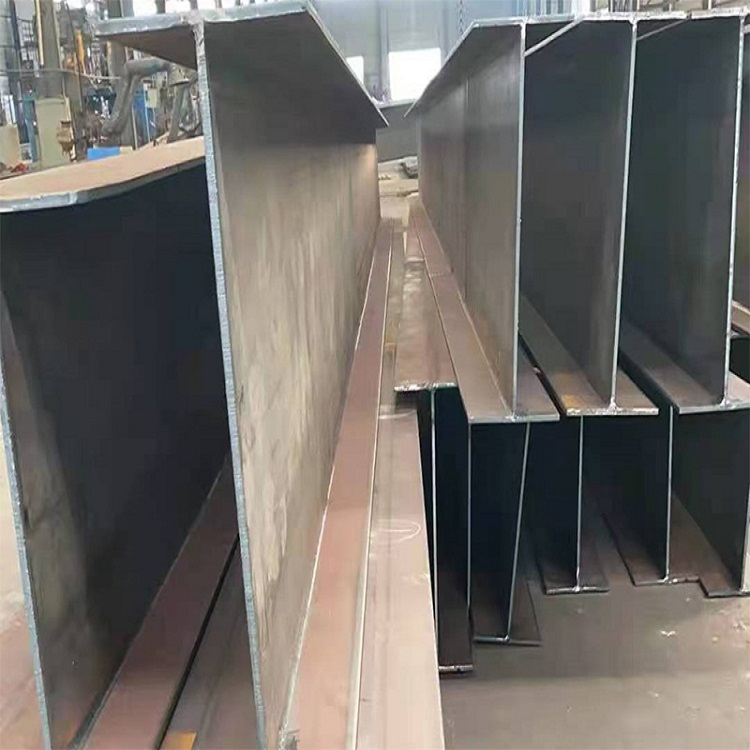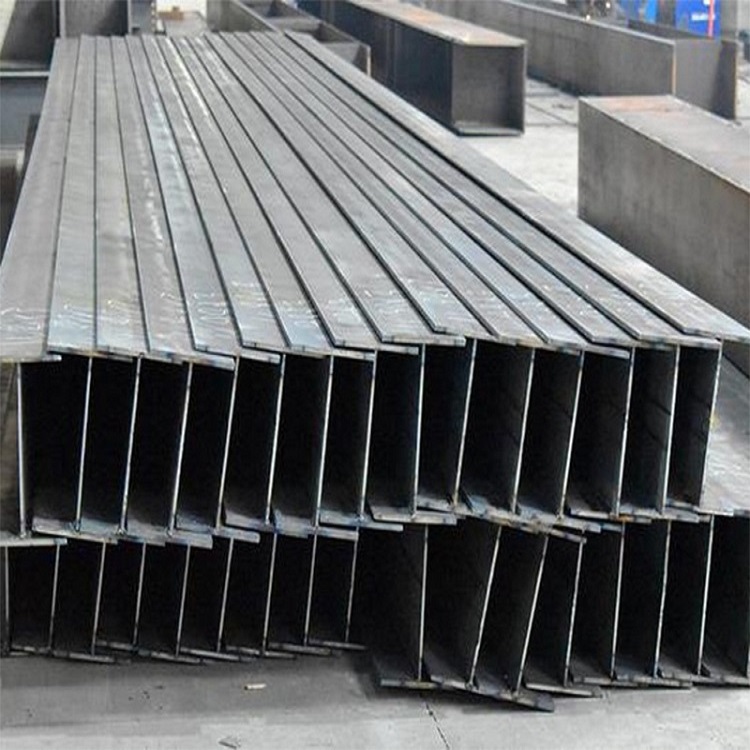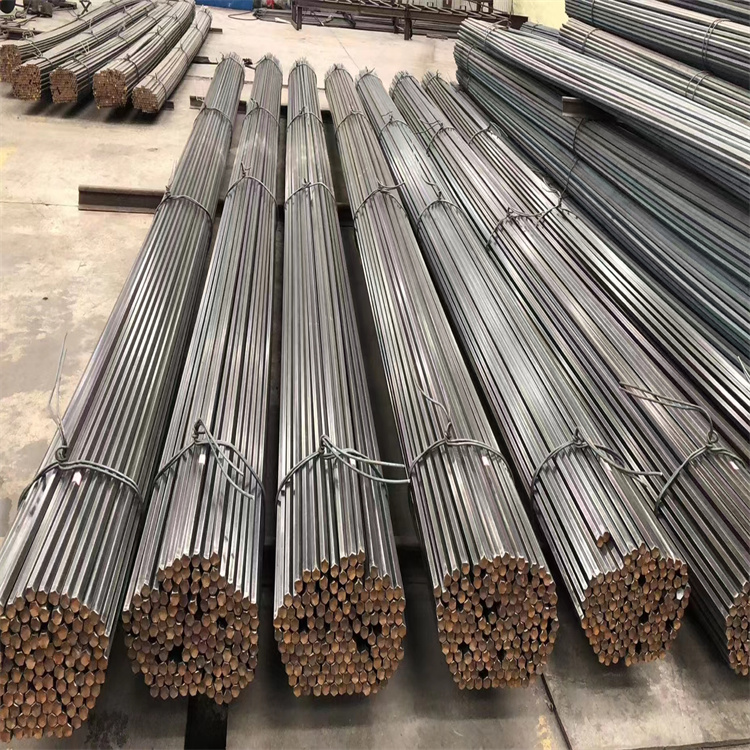

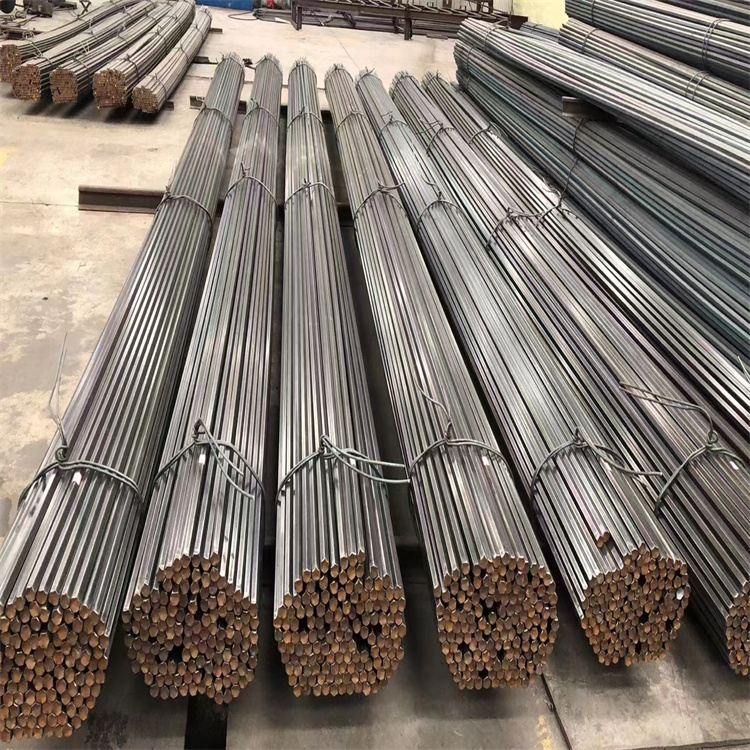
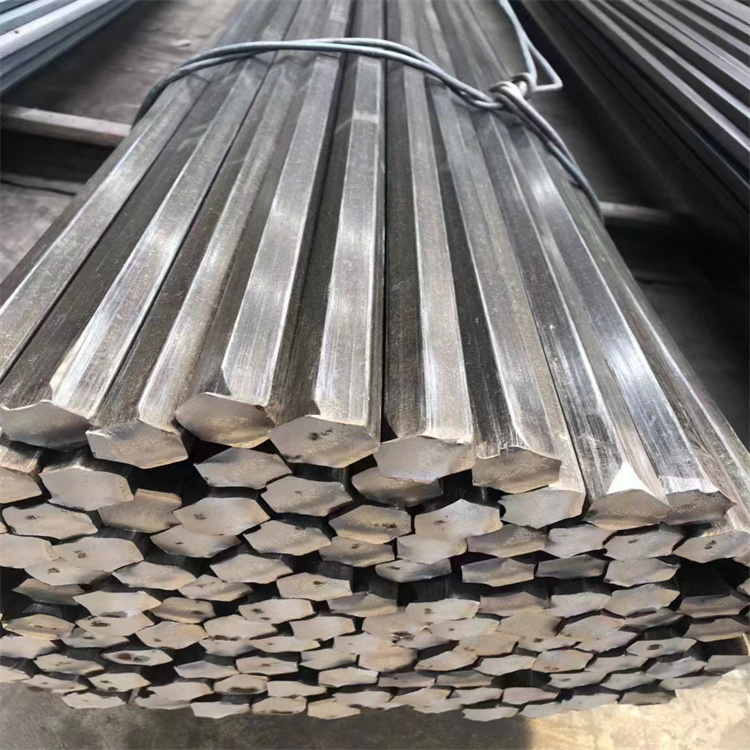












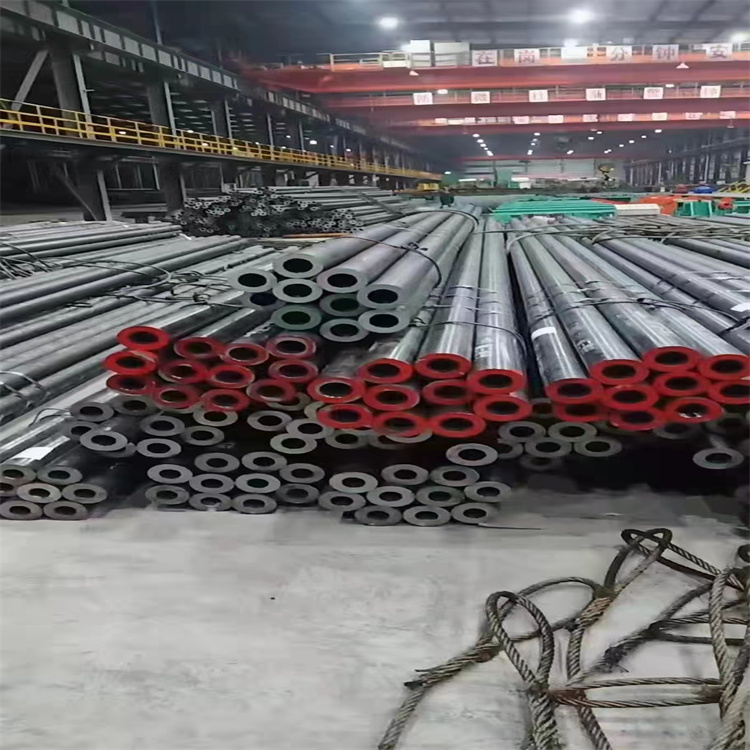
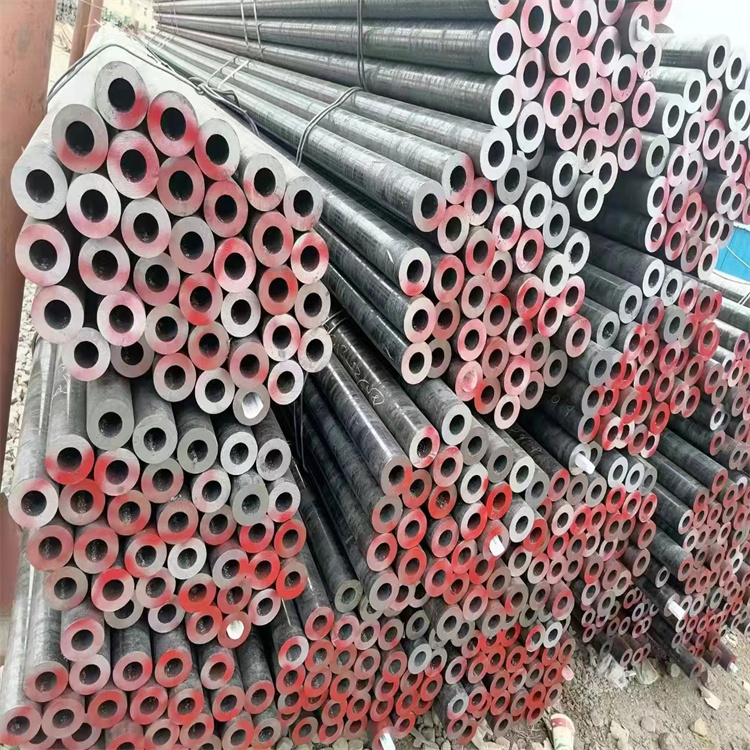
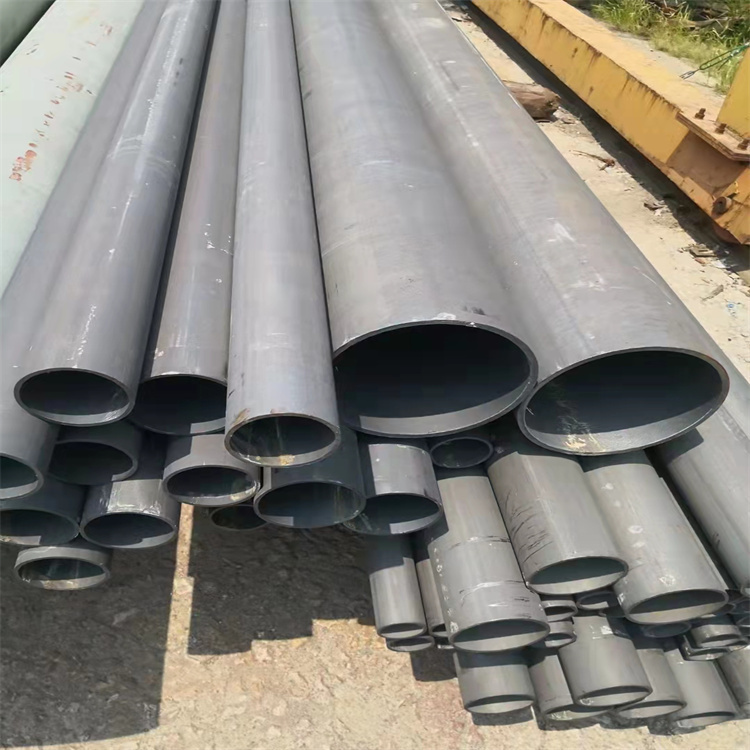
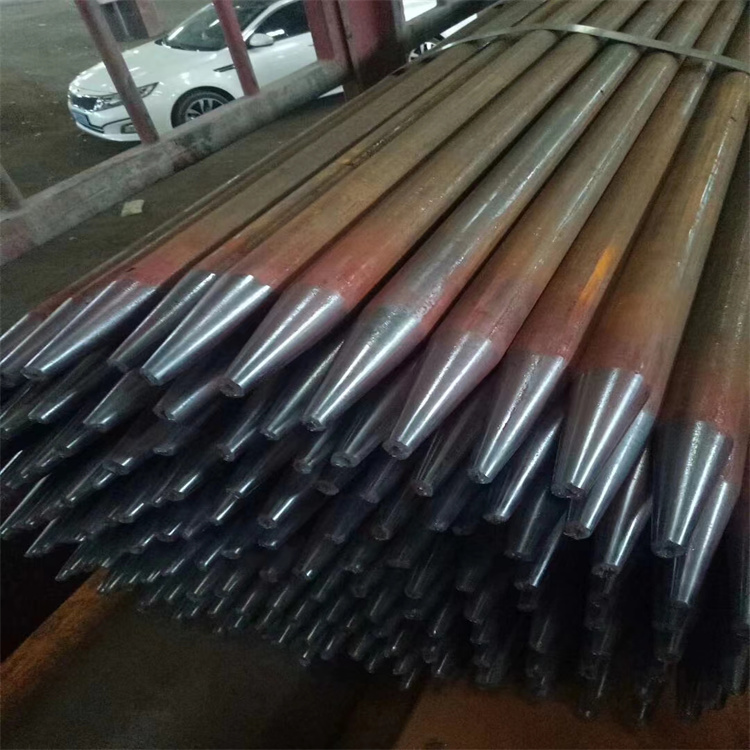
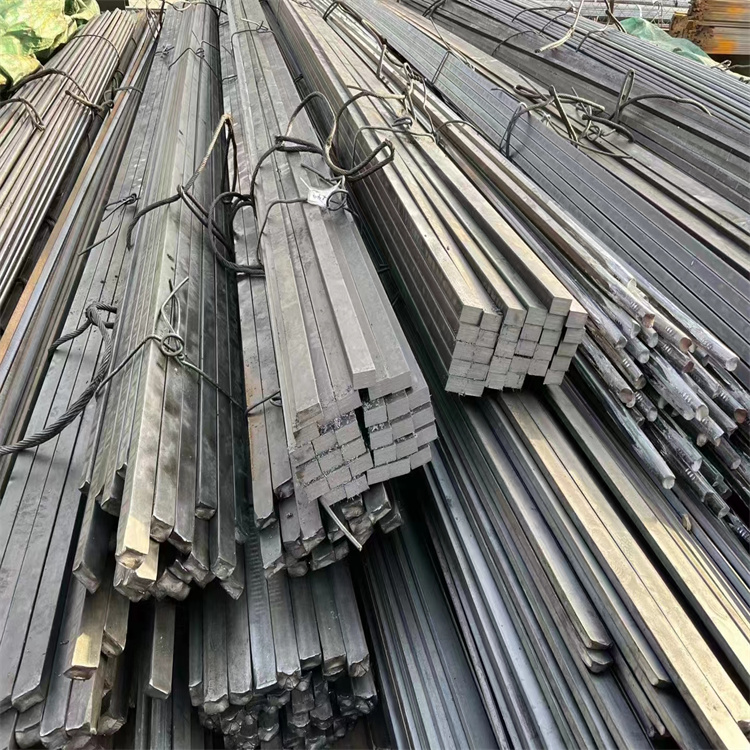
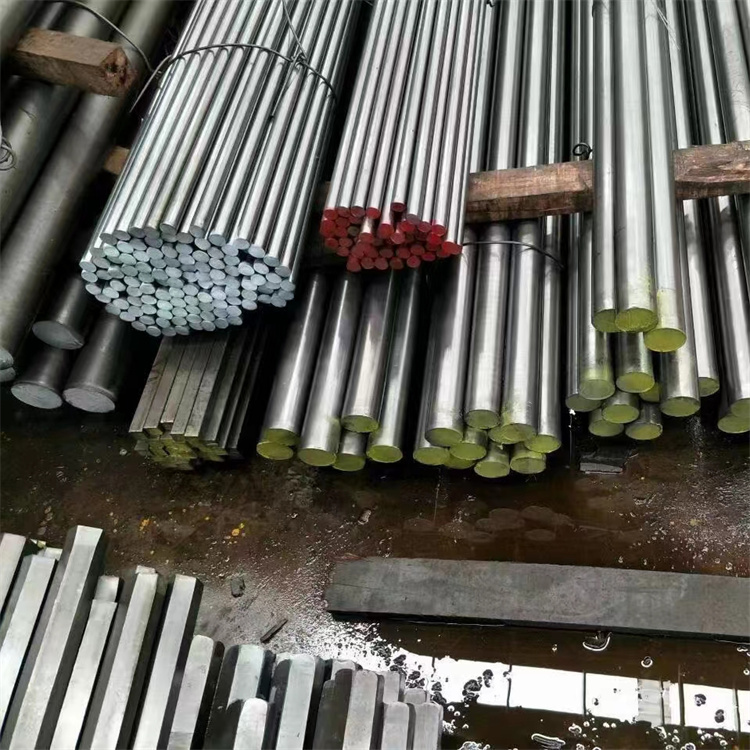
16Mn, also known as Q345, is a carbon steel that is generally not corrosion-resistant. If not stored properly, especially outdoors or in damp, cold environments, it will rust. This necessitates rust removal treatment.
One method: Pickling
Generally, acid washing is done using two methods: organic chemistry and electrolysis. For steel pipe anti-corrosion, only organic chemistry acid washing is selected, which can remove scale, rust, and old coatings. Sometimes, it can be used as a post-sanding treatment to further remove rust. Although chemical water treatment can achieve a certain level of cleanliness and surface roughness, it has shallow anchor lines and is prone to environmental pollution.
Two: Cleaning
Utilize organic solvents and solvent cleaning for steel surface treatment to remove oil, vegetable oils, dust, lubricants, and similar organic compounds. However, it cannot remove rust, scale, and flux from the steel surface, thus it is only used as an auxiliary method in corrosion prevention manufacturing.
Three: Tool Rust Removal
Key applications, such as steel brushes and other tools, are used to sand and polish the surface of steel, which can remove loose or lifted oxidation scales, rust, weld spatter, and more. Manual rust removal on cold drawn seamless pipes can achieve Sa2 level, while power tool rust removal can reach Sa3 level. If the steel surface is adhered with strong zinc scale, the rust removal effect with tools may not be ideal and may not meet the anchor pattern depth requirements for glass fiber reinforced plastic corrosion protection.