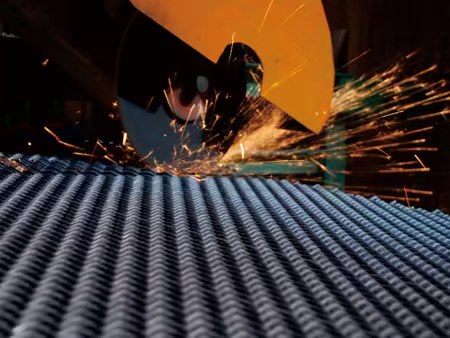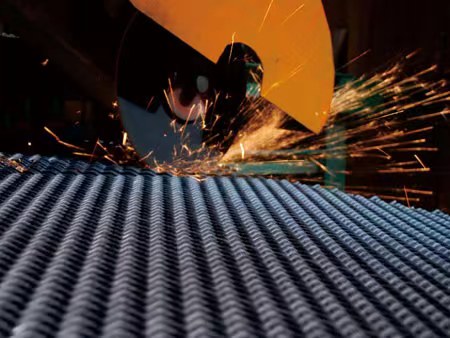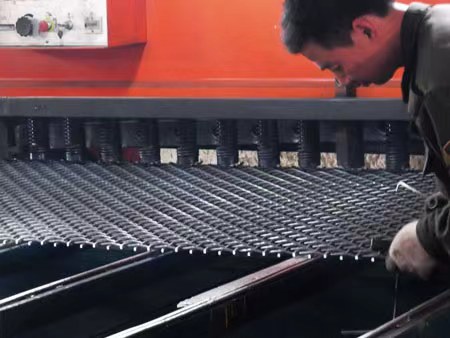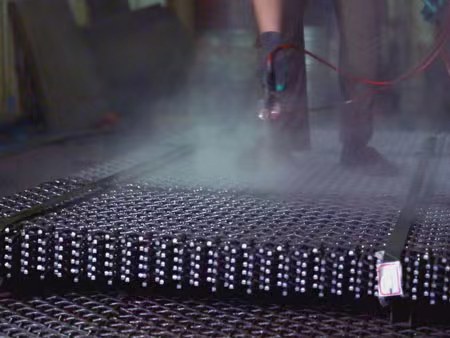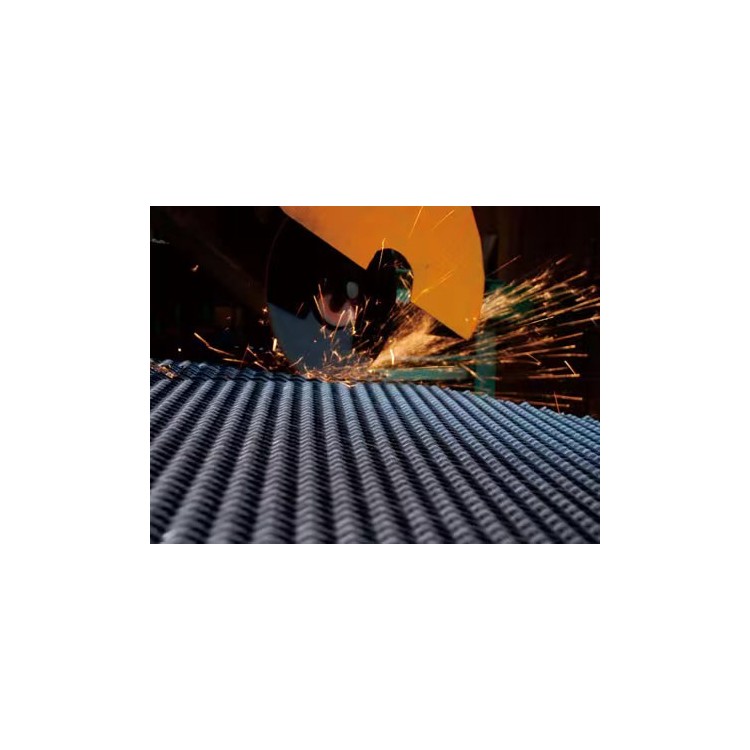


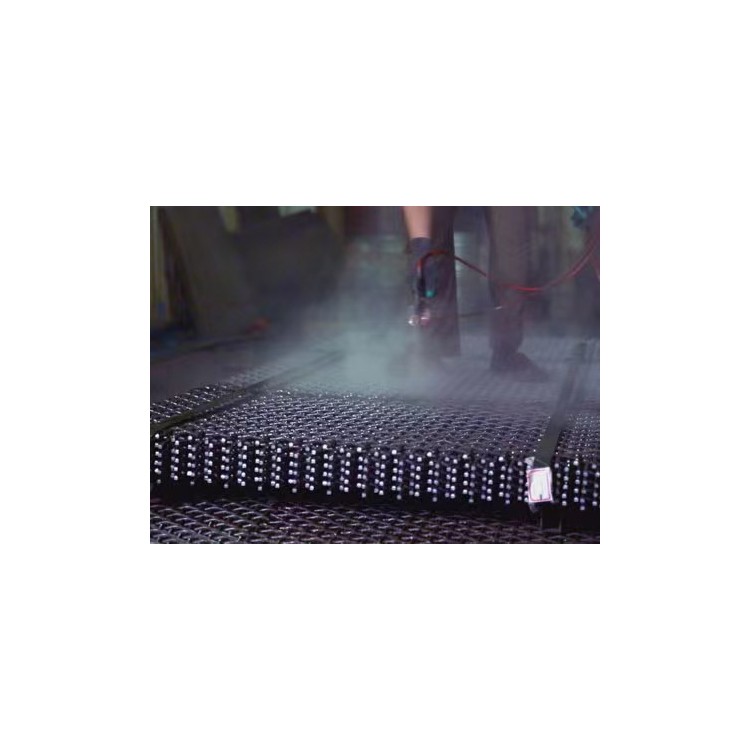








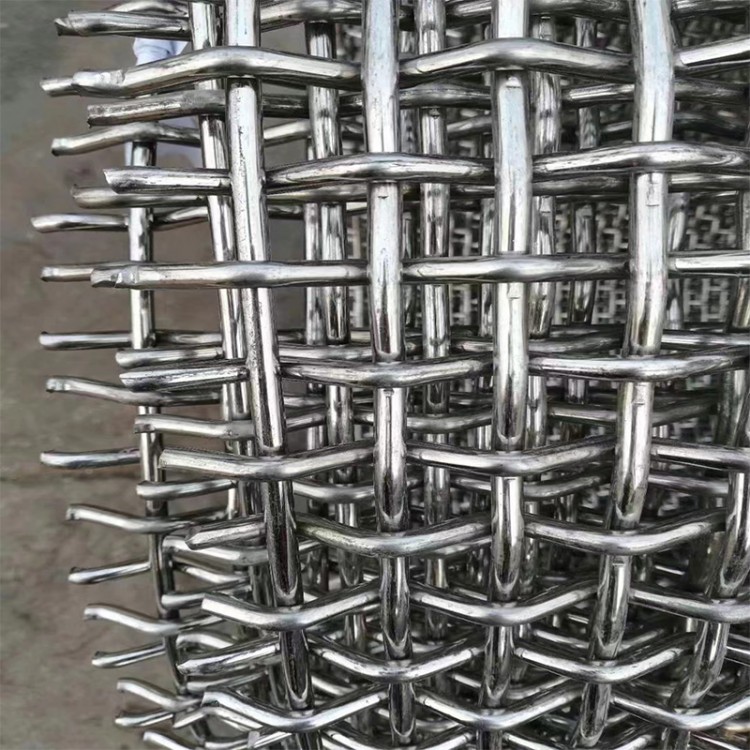
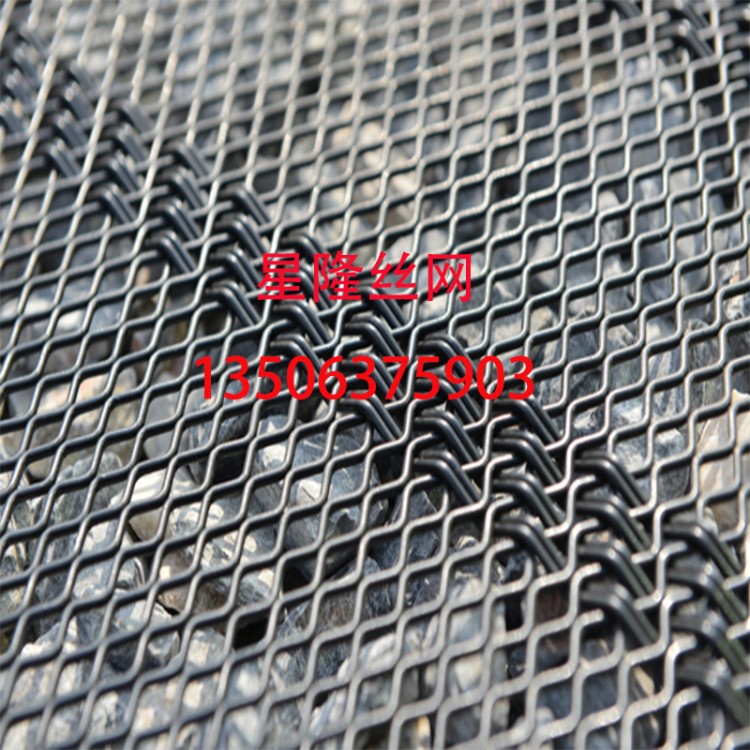
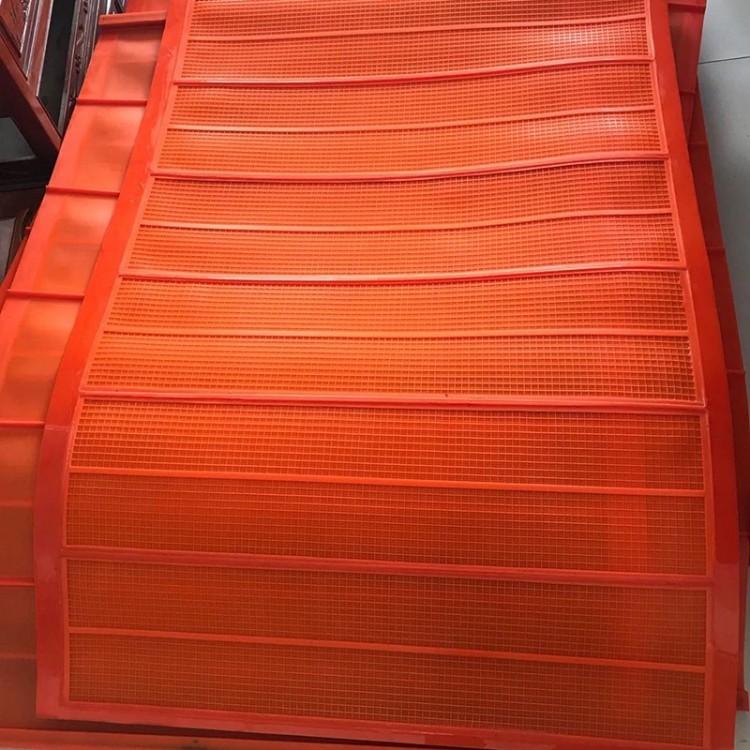
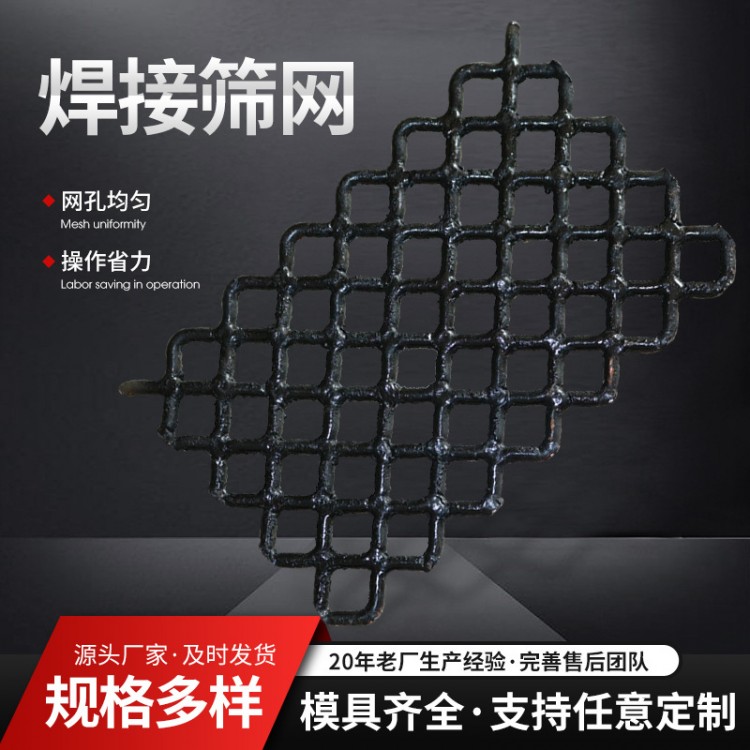
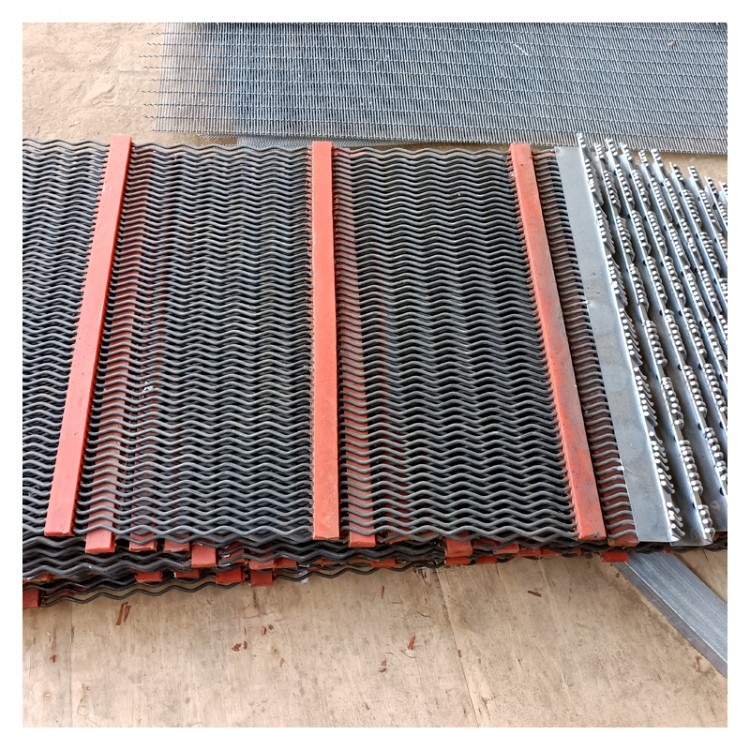
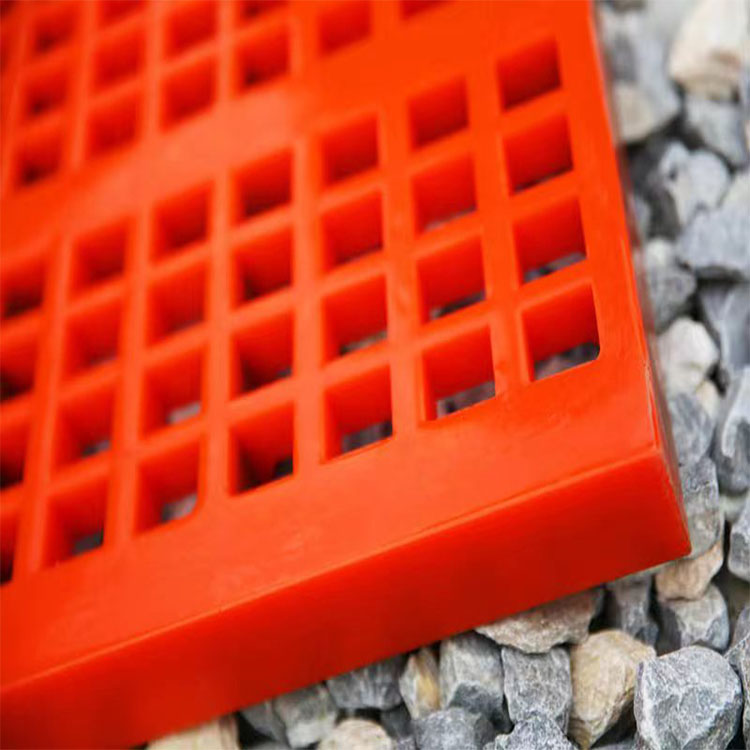
Welded mesh screens are a common screening tool, and with the continuous development of China's screening industry, the application of robotic welding mesh screens is becoming increasingly widespread.Traditional ore screens and sand and stone sieve meshes are generally woven from different grades of steel wire.锰steel wire meshes are prone to frequent replacement due to their poor wear and corrosion resistance, leading to high costs. Furthermore, woven meshes have poor elasticity and tensile strength, which often causes sieve holes to clog during the screening process. This results in low screening accuracy, fluctuating aperture values, and negatively impacts the screening efficiency.。
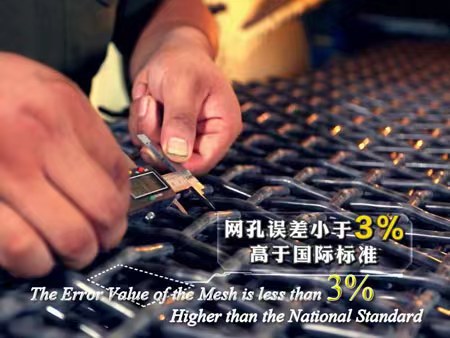
Welded wire mesh offers significant advantages over traditional mesh in terms of service life and performance. Robot-welded wire mesh is made of high-carbon, high-manganese steel wire, with the mesh surface being robot-welded uniformly. It features high wear resistance, high-temperature toughness, impact resistance, and tensile strength, while not being tightly bonded. Its mesh permeability is higher than that of other materials. It is widely used in large-scale applications such as stone processing, coal, metallurgy, chemical industry, processing, crushing, shaping, and screening.