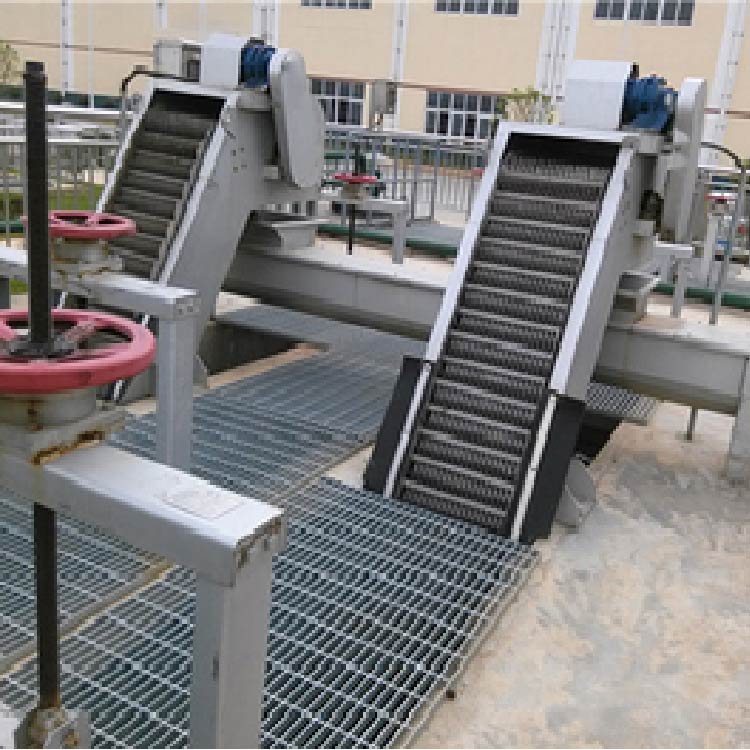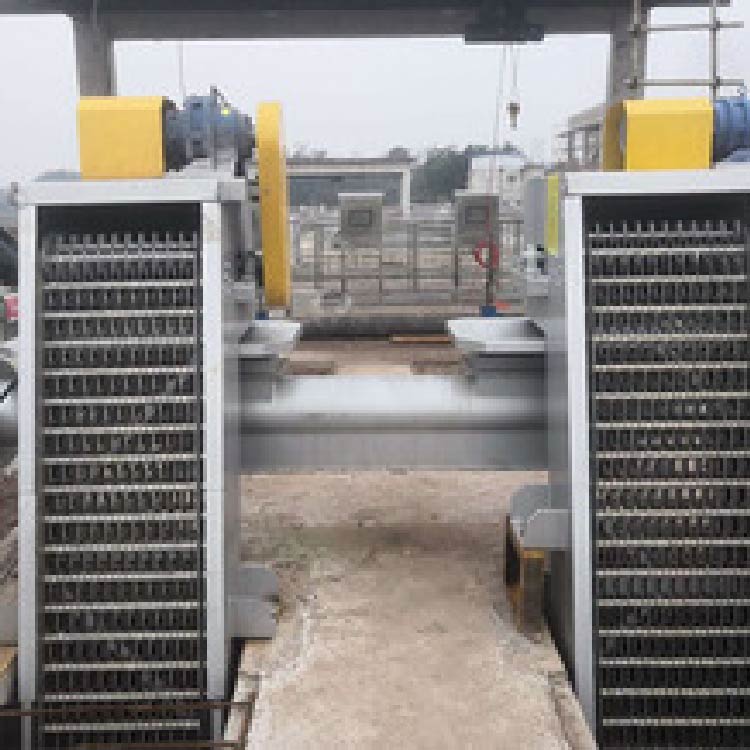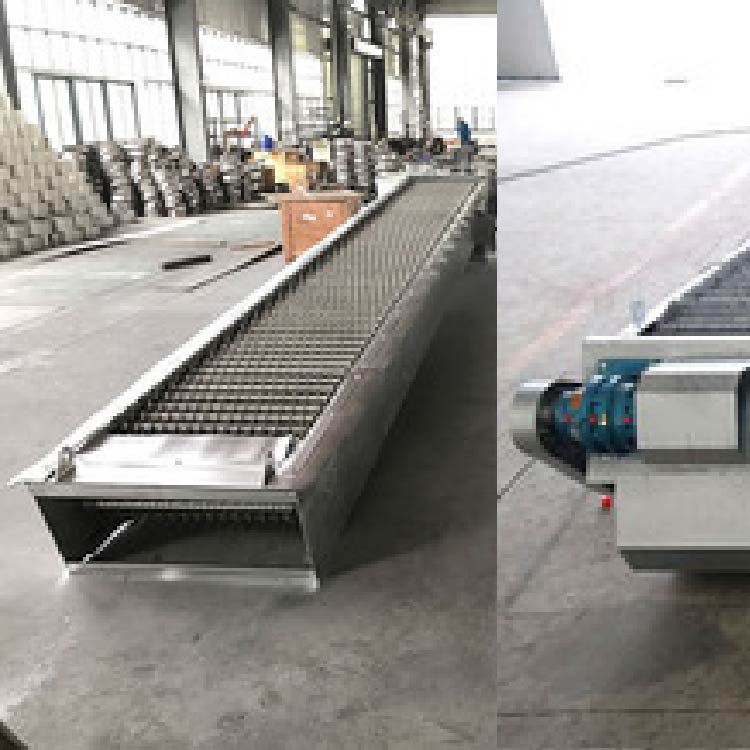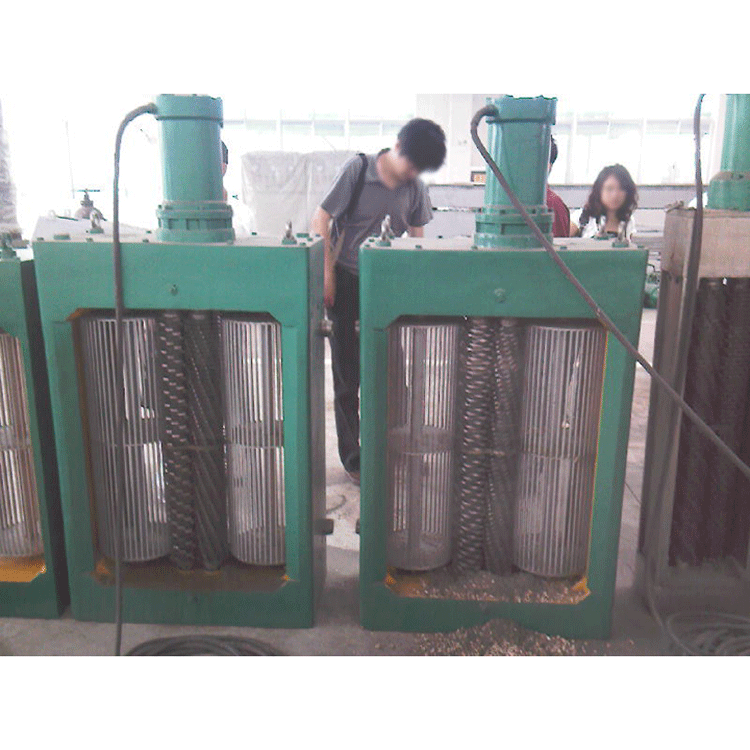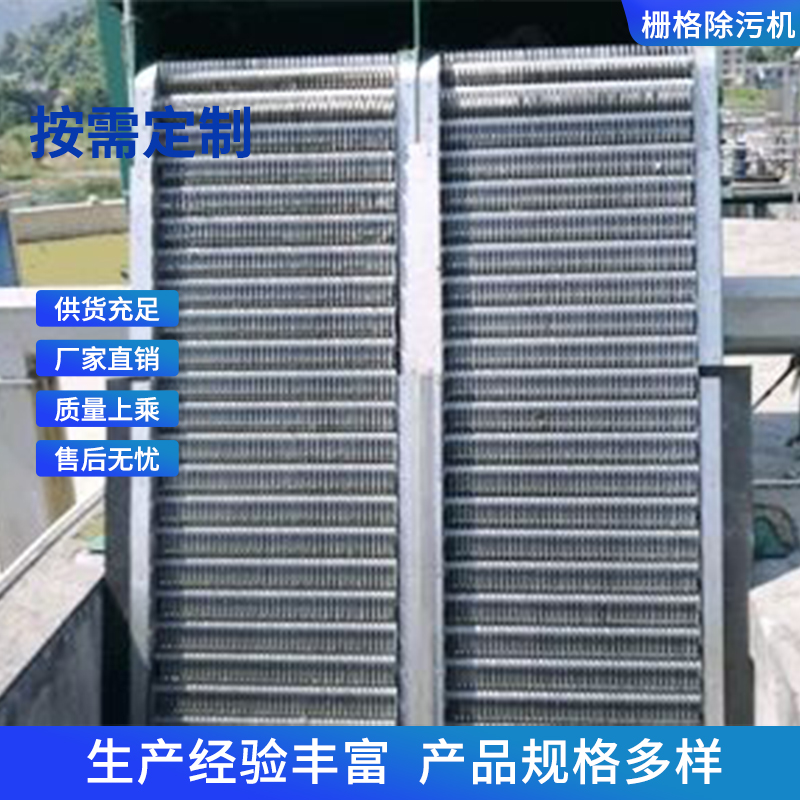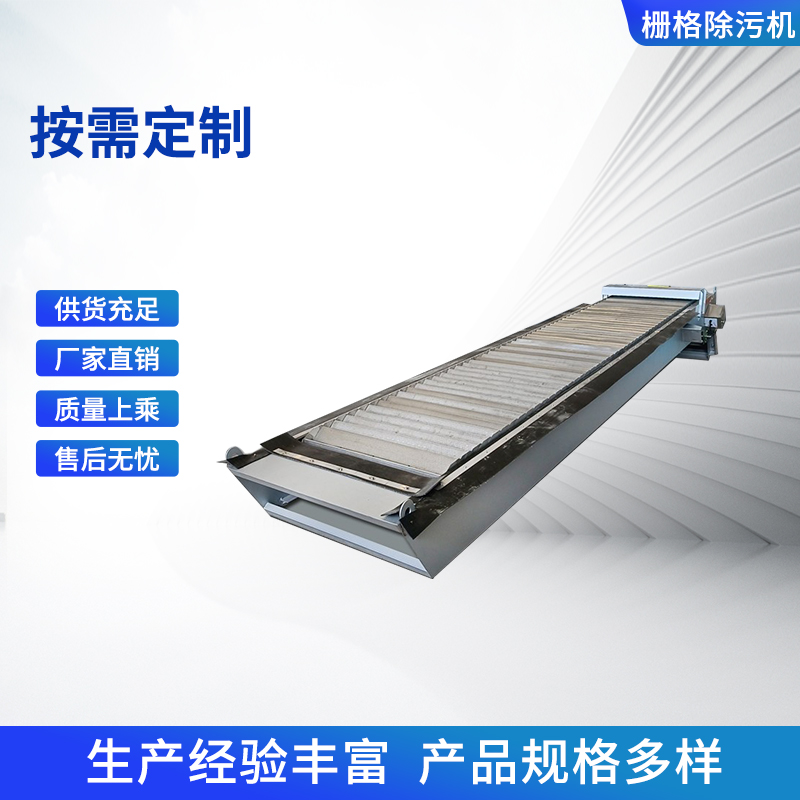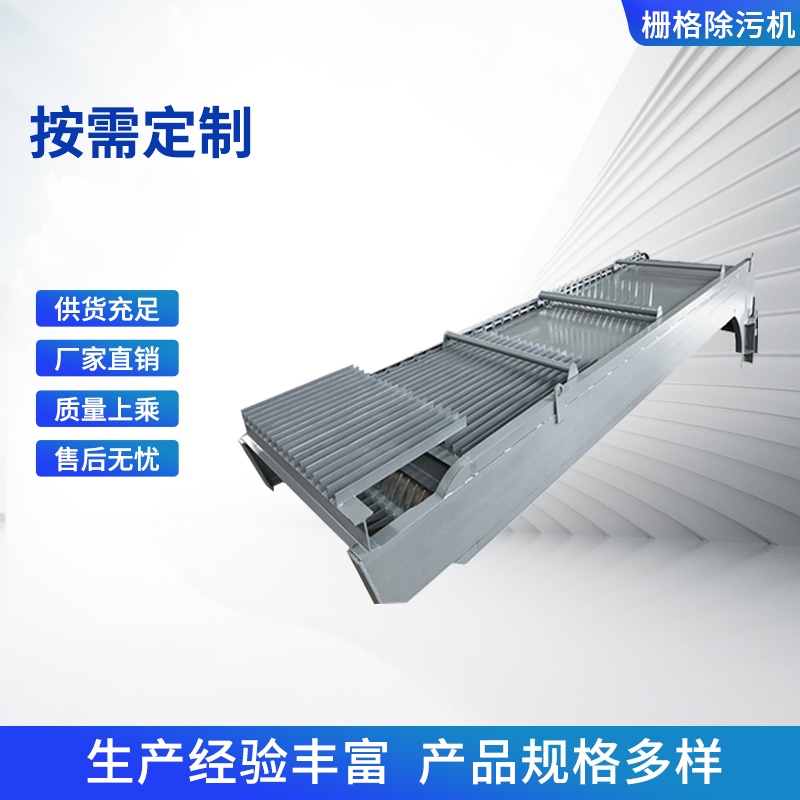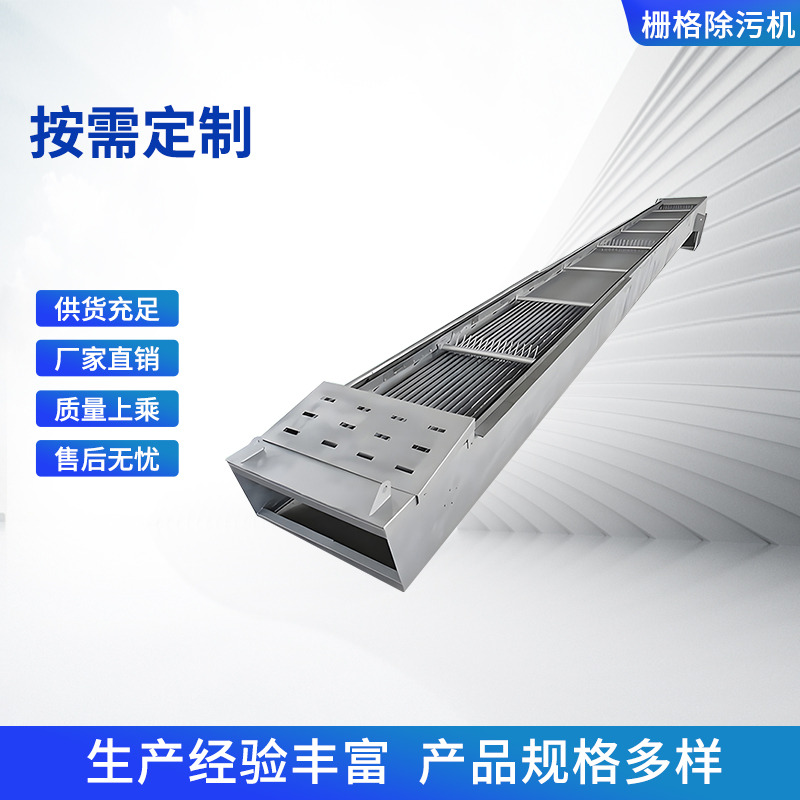

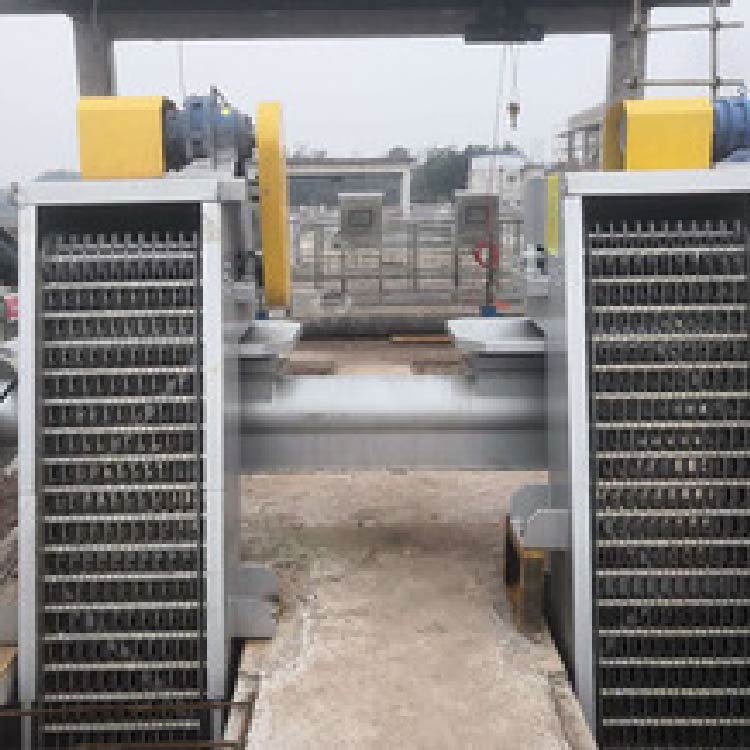
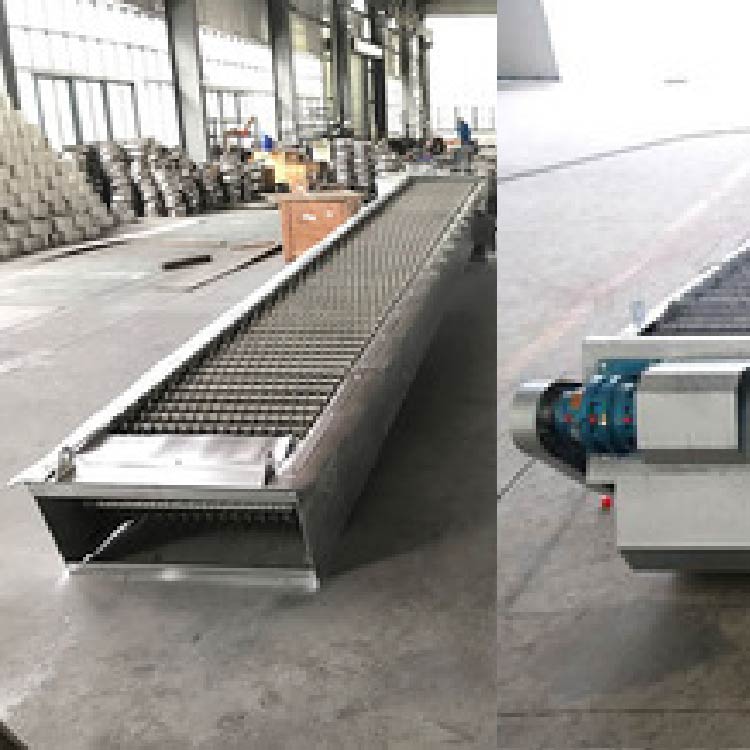


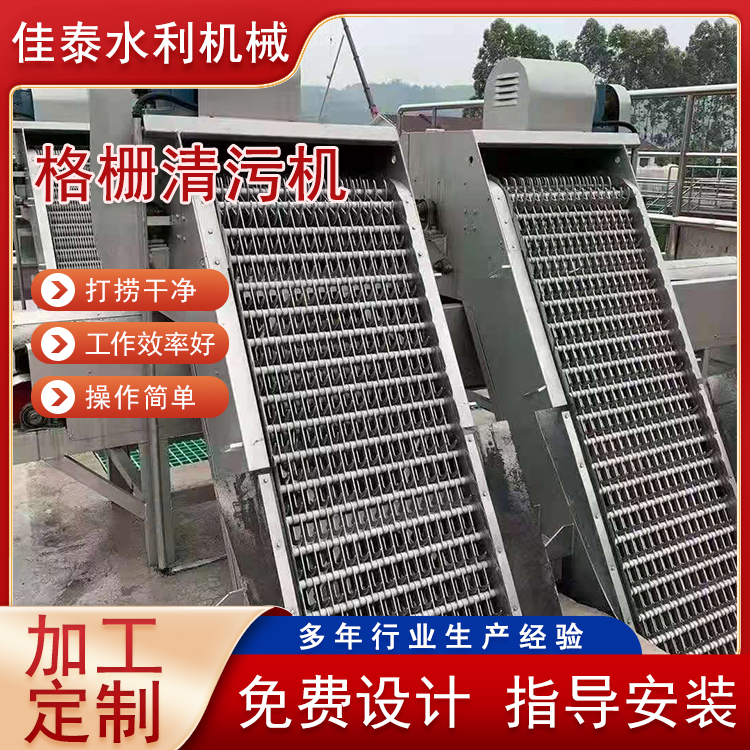
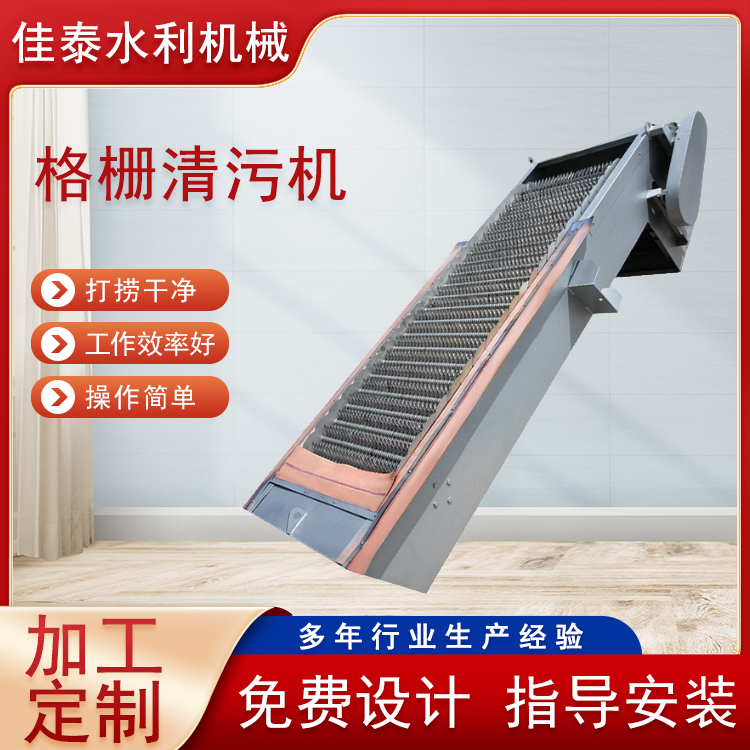







Structure and Working Principle:
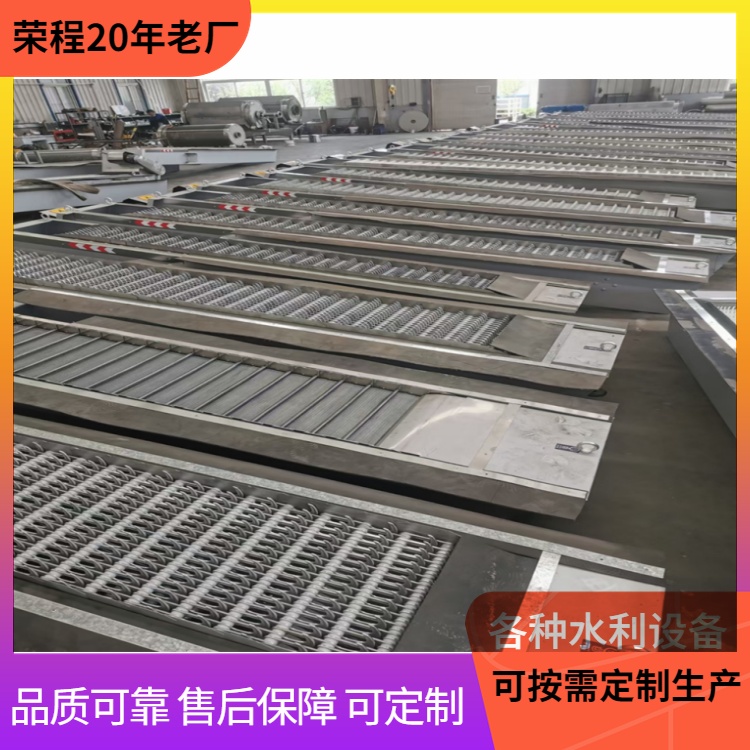
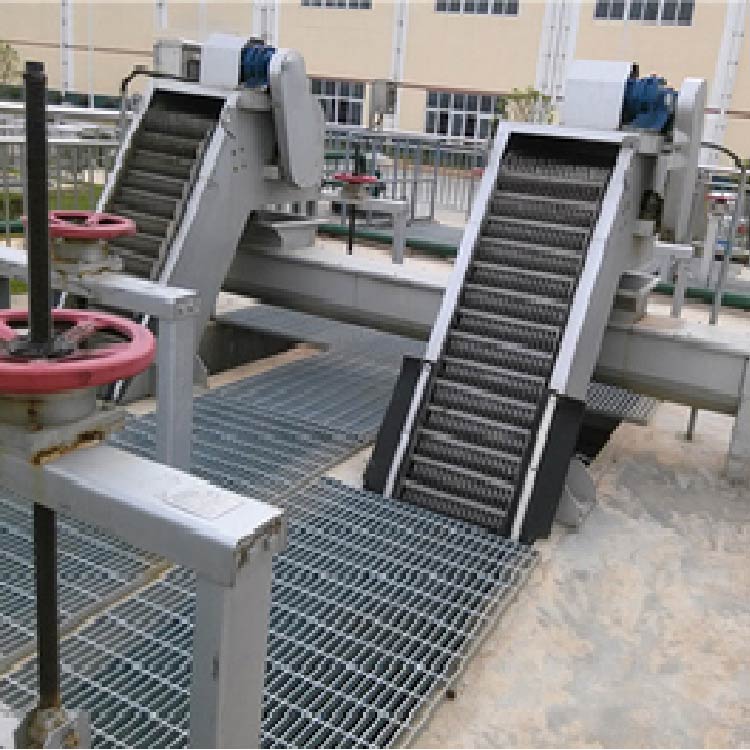
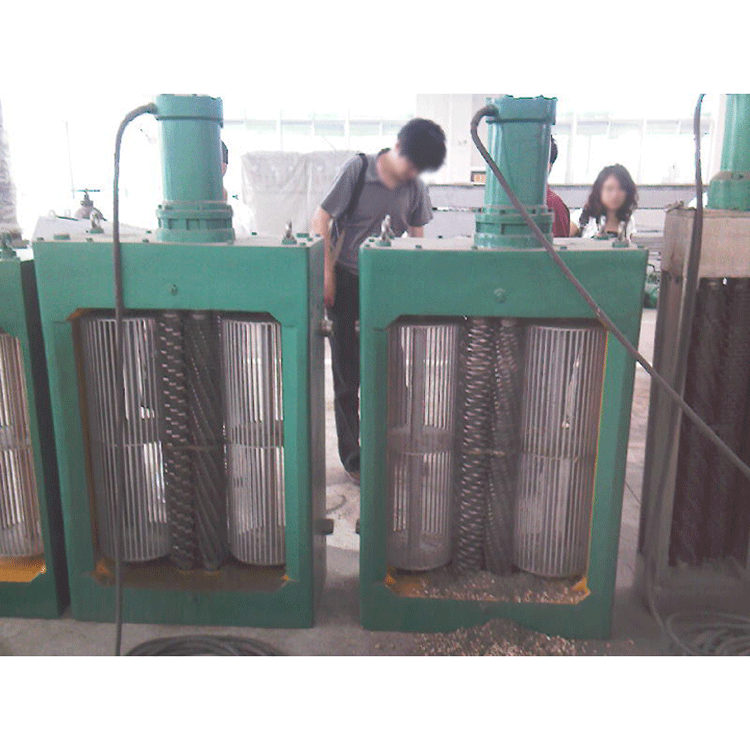
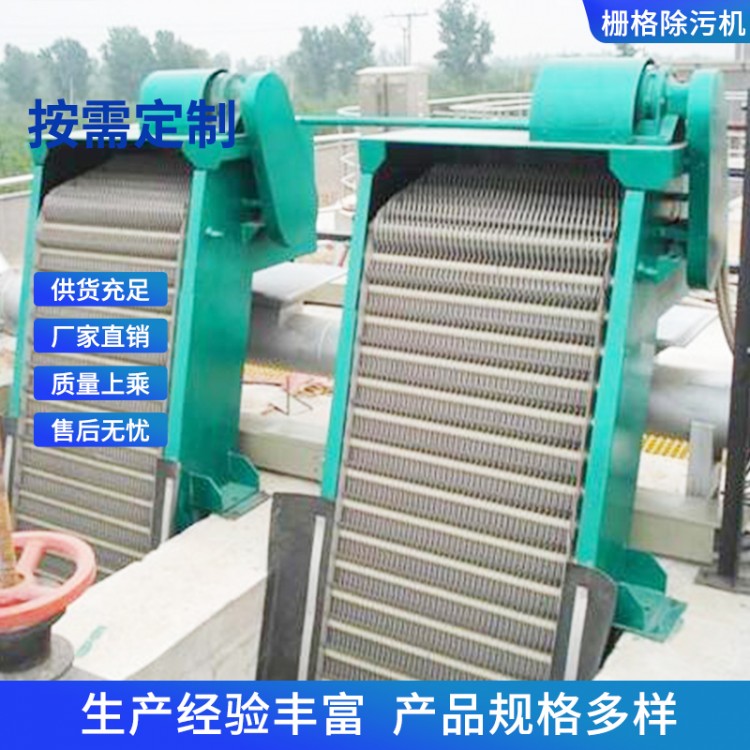
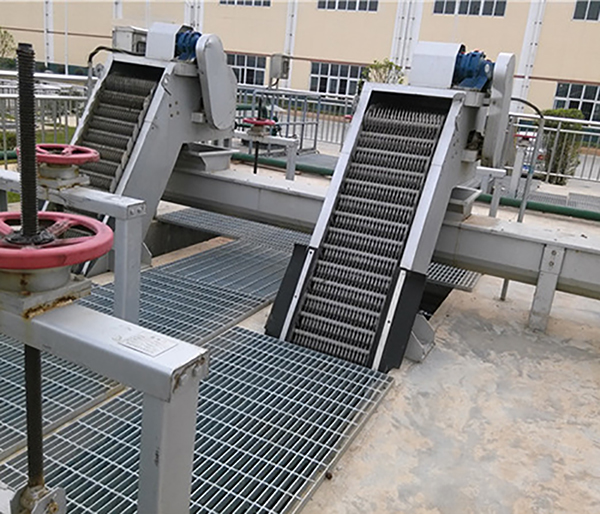
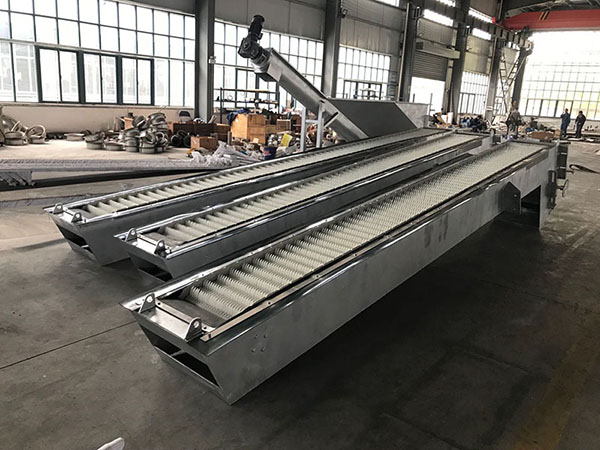
This unit consists of grid teeth, grid shafts, and chain plates to form a grid, replacing the traditional grille bars. The grid rotates within the frame, intercepting and continuously separating suspended solids from the wastewater, resulting in high work efficiency, smooth operation, minimal water level difference between the grille's front and back, and it is less prone to clogging. It is suitable for both coarse and fine grille applications. The grid teeth can be made from engineering plastic or stainless steel, while the grid shafts and chain plates are made of stainless steel, significantly enhancing the overall grille's corrosion resistance. Generally, smaller gap grilles are best suited for stainless steel grid teeth. The equipment operates by using rake teeth to carry debris caught on the grille from bottom to top to the discharge point. When the rake teeth reverse their direction from top to bottom, the debris falls off under gravity and falls into the conveyor or into a waste bin, after which it can be transported out or further processed.
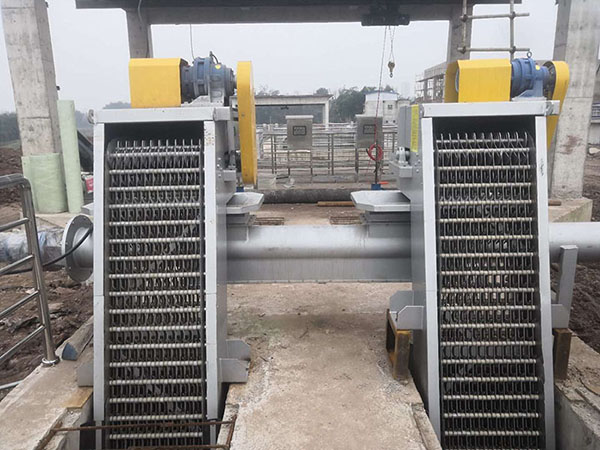
Key Features:
Low noise, compact structure, and smooth operation.
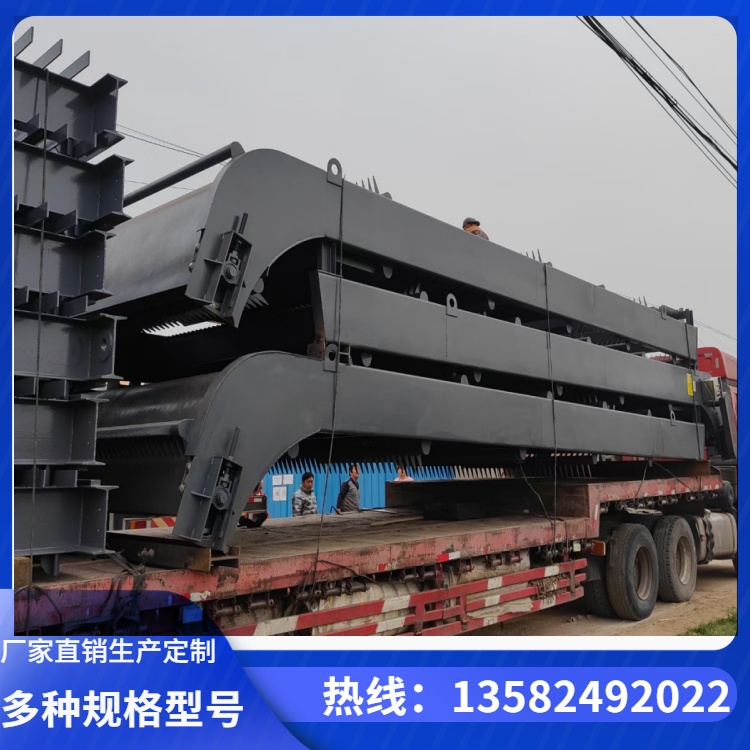
2. The rack is designed with an integral framework structure, offering high rigidity, easy installation, and minimal daily maintenance work.
3. Equipment operation is simple, allowing direct local or remote control of the equipment's operation.
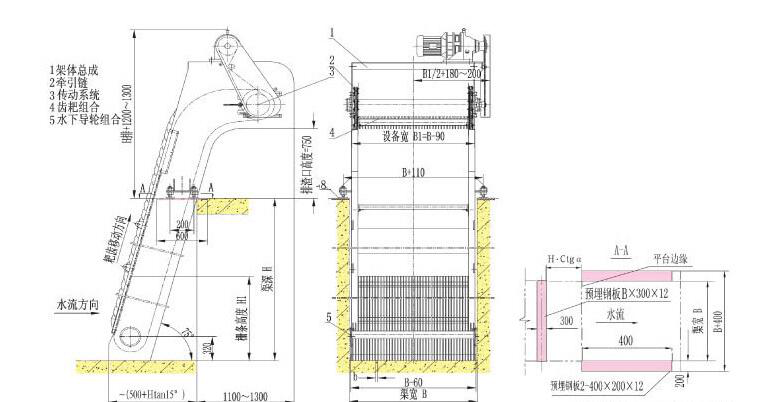
Installation Diagram:
Technical Specifications:
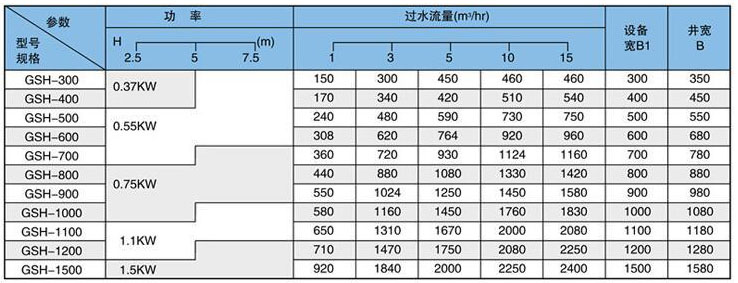
Dimensions:

Operation and Maintenance Precautions:
Operation Precautions
Pre-start Inspection
① The turntable mechanical grating has fixed ends on the格栅 rods, but improper handling during transportation or handling can cause the rod ends to detach from the fixed bases. Therefore, it is essential to inspect and confirm that each grating is securely in place before starting the machine. If any rod ends have come loose from the fixed bases, they must be reinserted into the corresponding holes of the bases. Additionally, it is important to ensure that no more than two格栅 rods are placed between adjacent tines.
② Grille bars must not bend or deform.
③ The rotating mechanical grate teeth can freely rotate between the grate rods.
④ Confirm the tension of the chain. Although adjusted at the factory, improper handling during transportation and handling can lead to incorrect tension. Please adjust according to the (daily maintenance precautions).

2. Startup Precautions
To prevent the reducer from reversing, as reversal can damage the teeth and rods of the rotating mechanical grating. Before starting, first power on the motor to confirm that the rotation direction matches the directional arrow symbol, then start the machine. If reversal is detected, adjust the motor wiring and restart the motor to confirm the correct direction of rotation.
Ensure the rotating mechanical grate teeth move smoothly in the correct gaps of the grate rods.
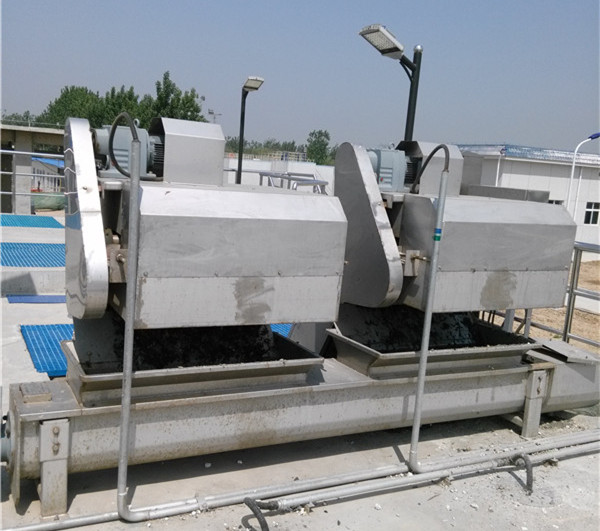
Daily Maintenance Precautions:
1. Chains: Initial wear extends the chain. After about 30 days of operation, check its tension and adjust it as follows:
Verify the parallelism of the chain and chain sprocket.
Check the tightness of the inspection chain.
Press the chain between the two axles with your fingers to measure its tension. If no slack is felt, the chain is too tight. If the slack exceeds 20mm, the chain is too loose.
Adjustment: Loosen the reducer's fastening bolts, move the reducer longitudinally to adjust the chain tension to an appropriate level, and then secure the reducer's fastening bolts after confirming that the two sprockets are parallel.

2. Lubrication: For the Y series 380V self-cooled waterproof reducer motor, with a power of 120W, add 10g of 50-grade oil to the oil filling port of the reducer every 100 hours using an oil gun. It is mandatory to disassemble, inspect, and clean once a year thereafter, and 50-grade oil should also be added during installation.
3. When not in use for a long period: Operate 1-2 times every week, each session for 5 minutes.