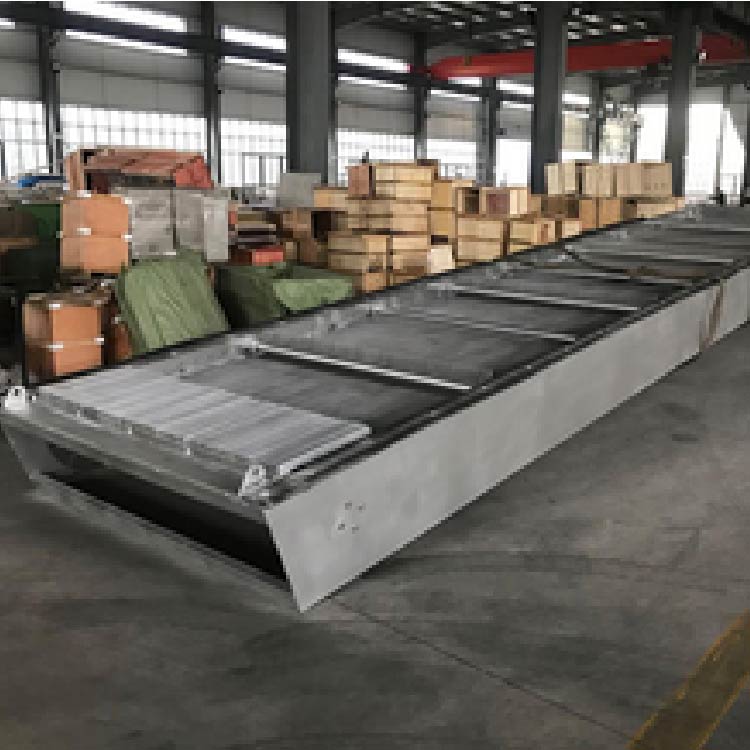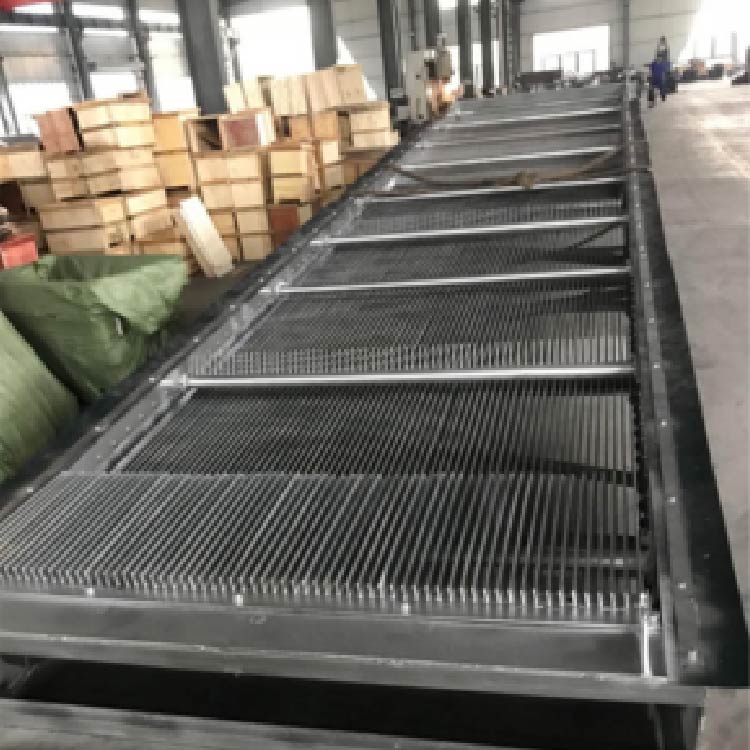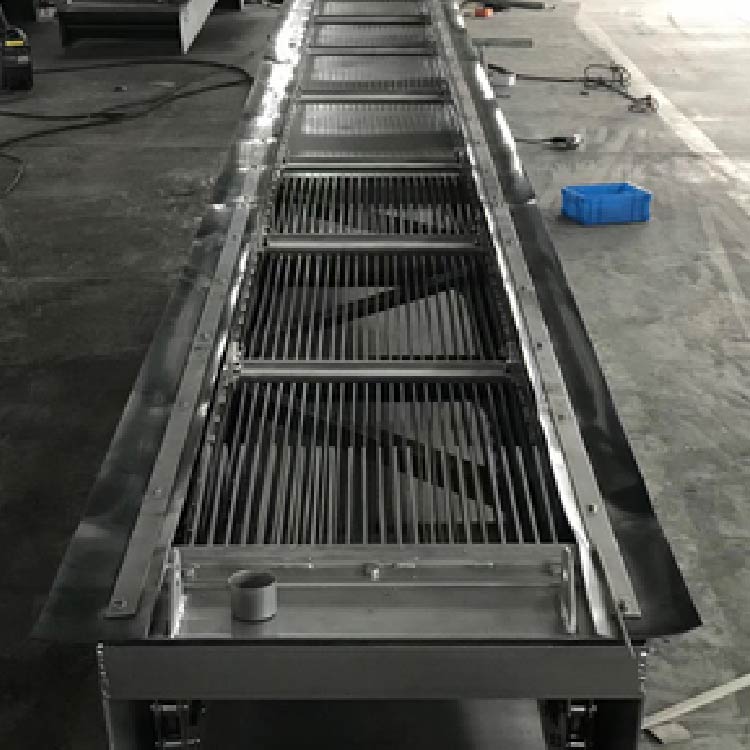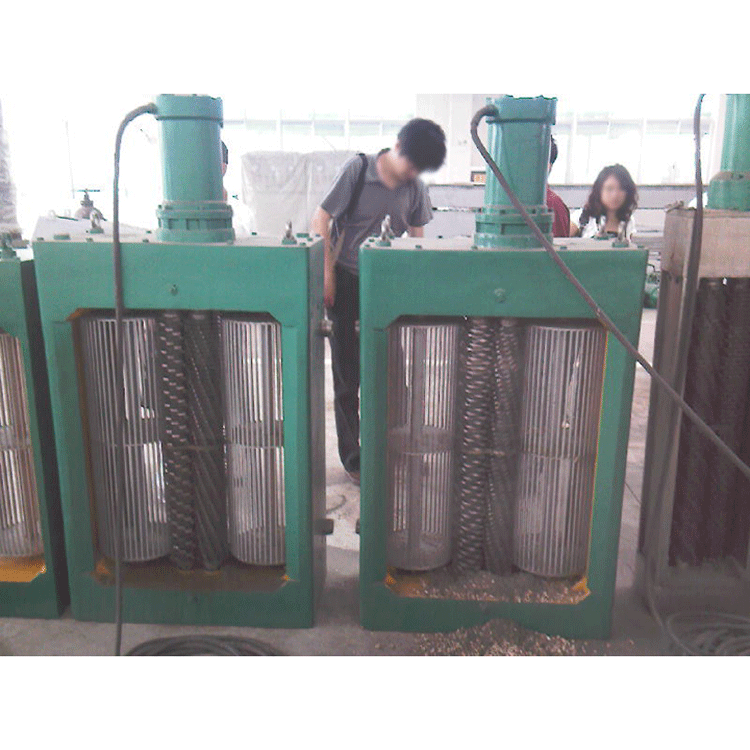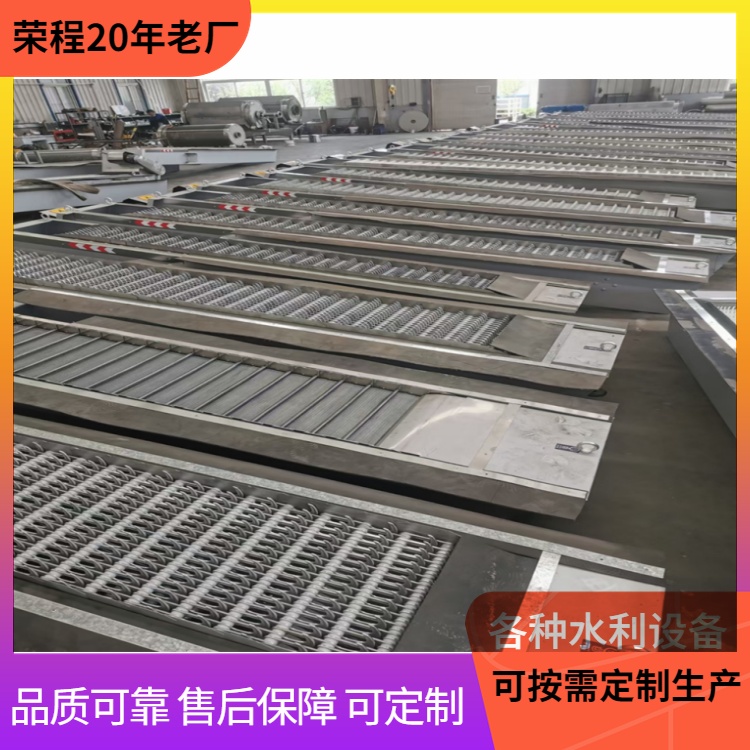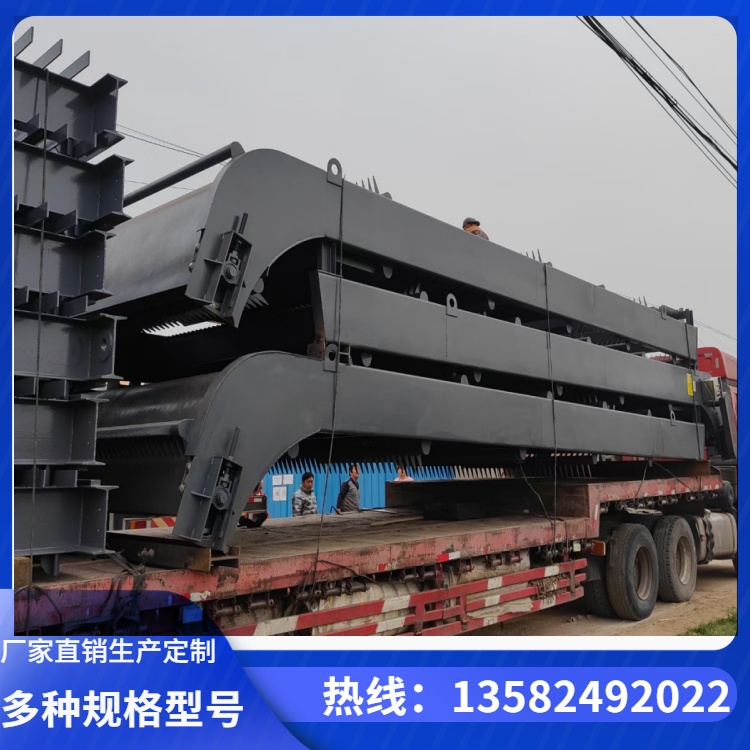


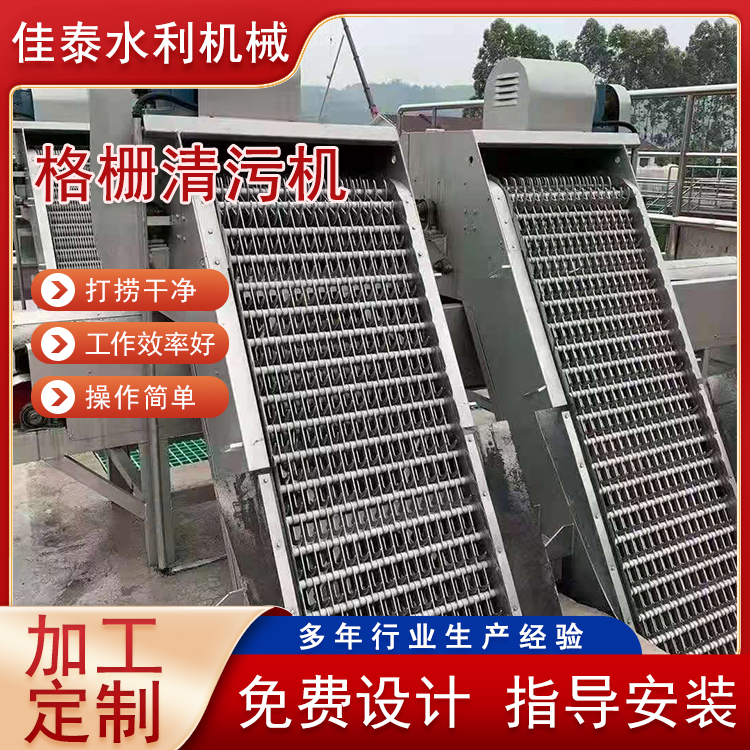






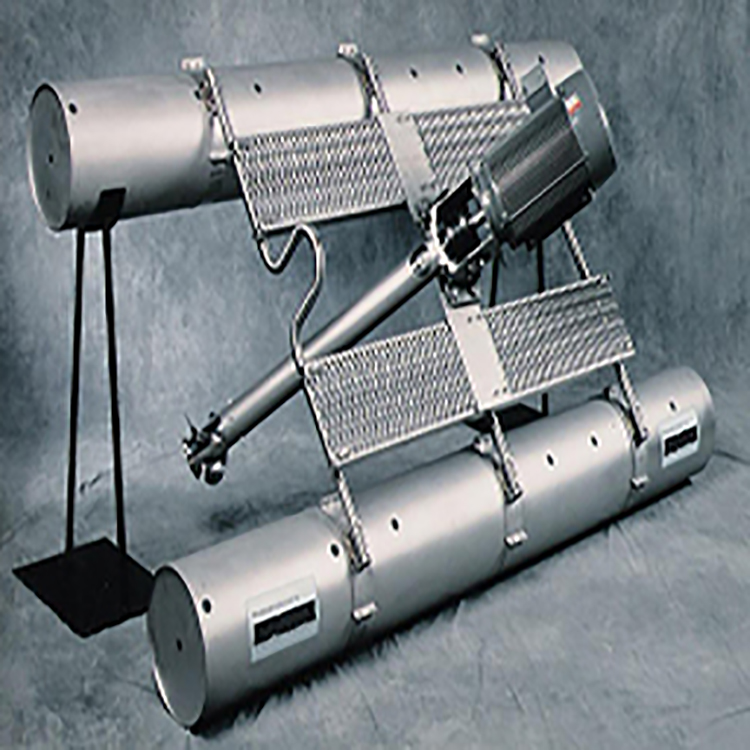
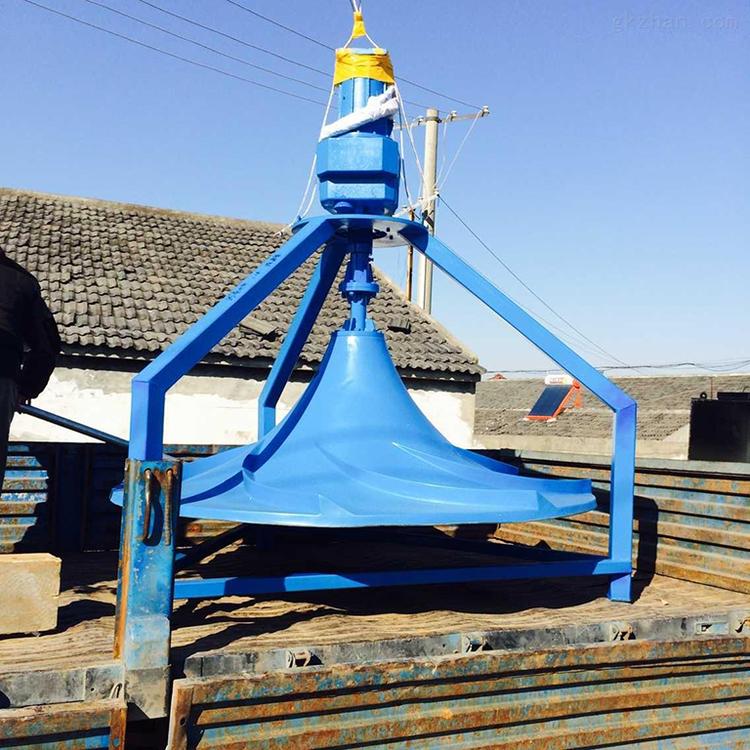

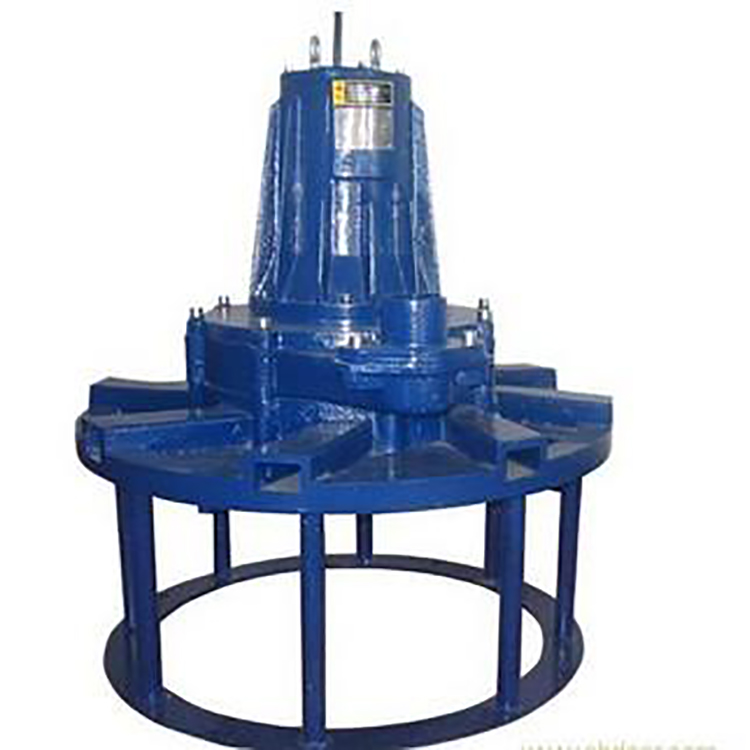
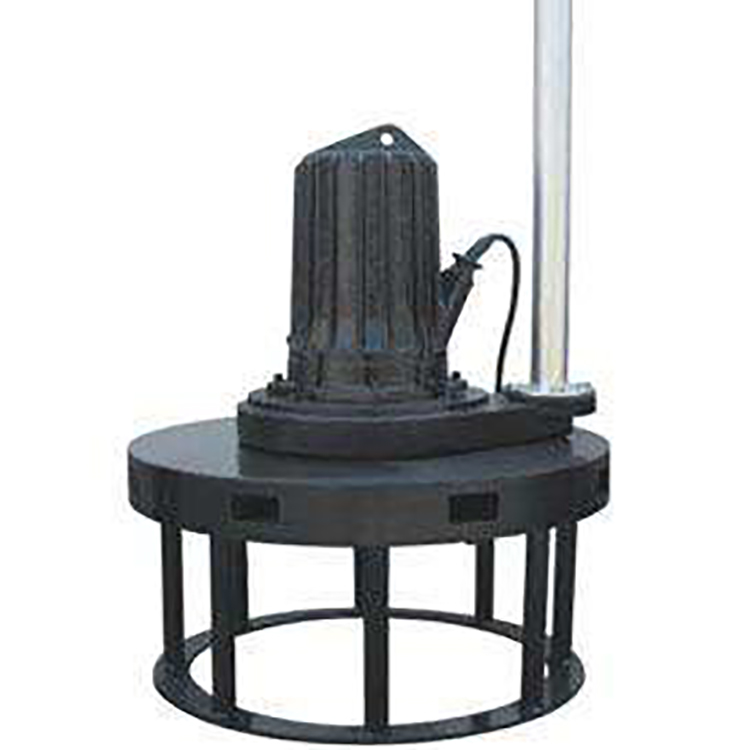
Also known as: coarse grating, rainwater grating, bar grating debris removal machine, reverse retrieval grating debris removal machine
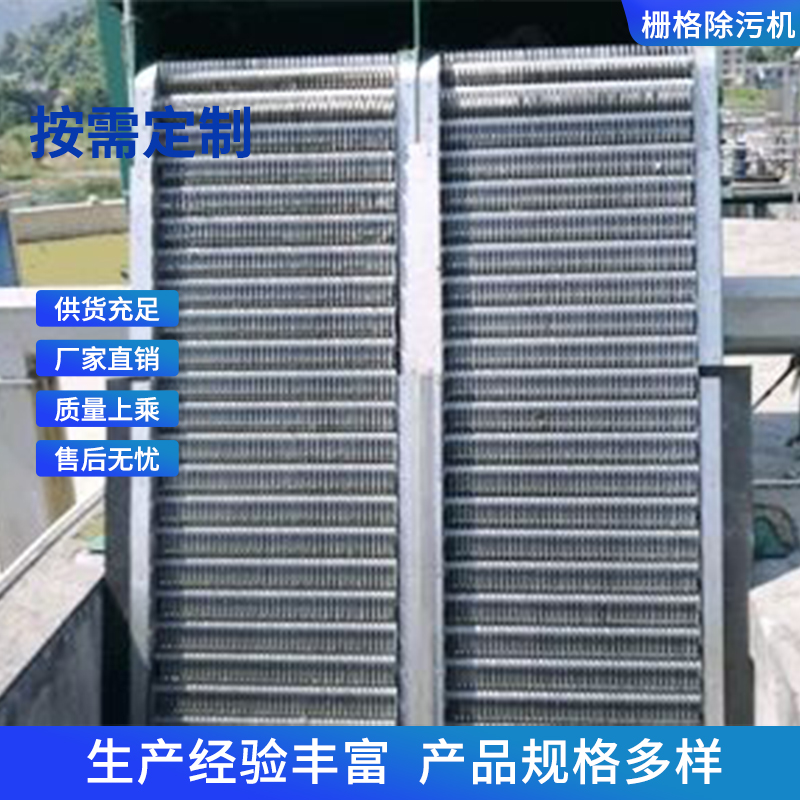
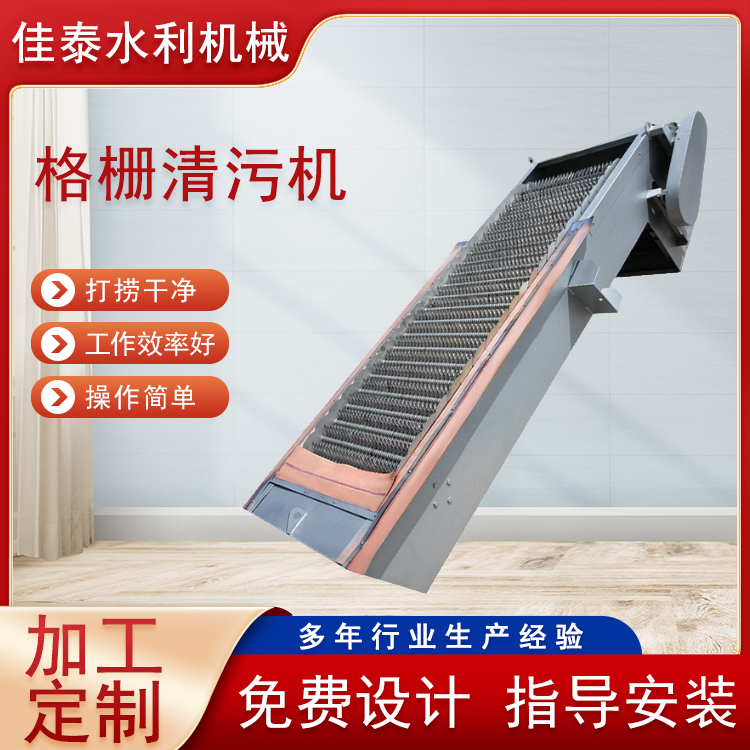
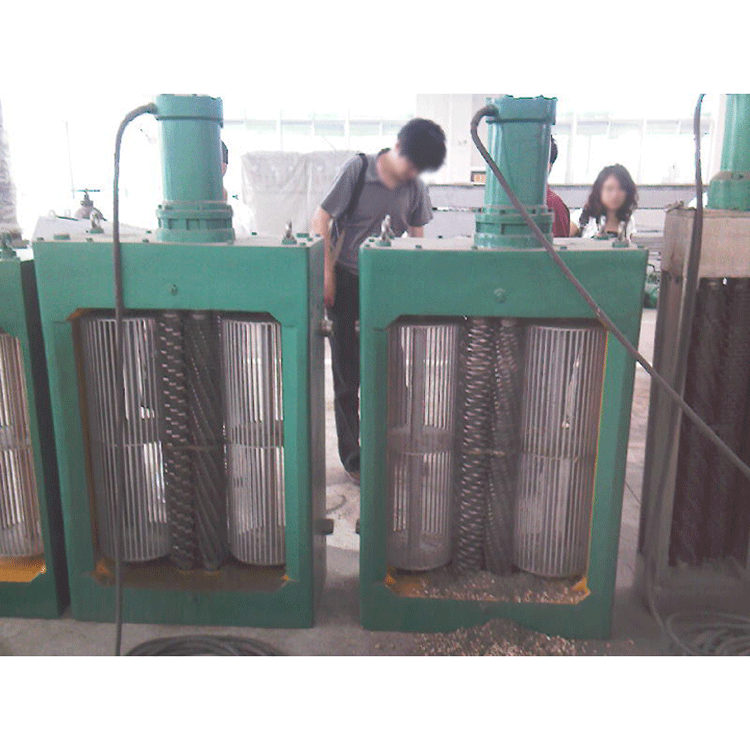
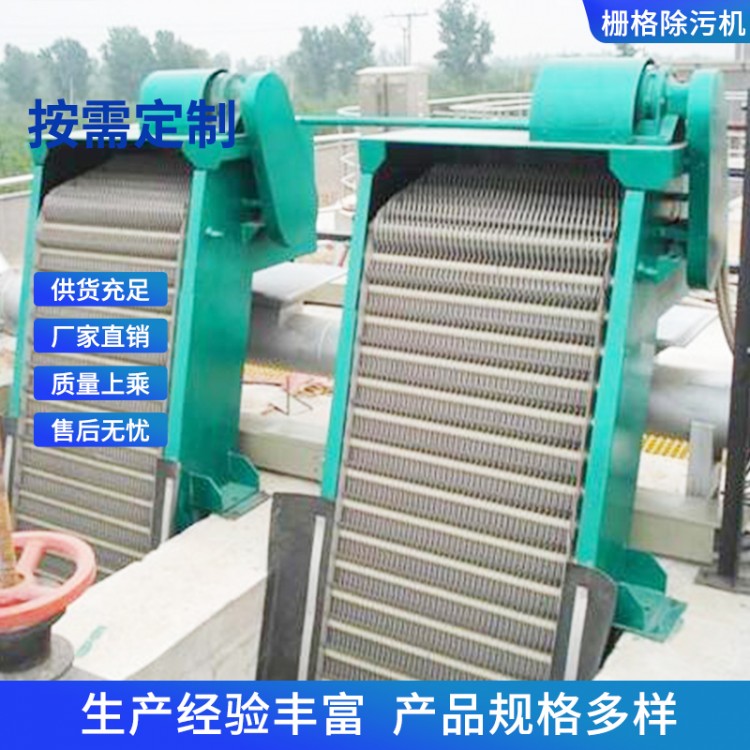
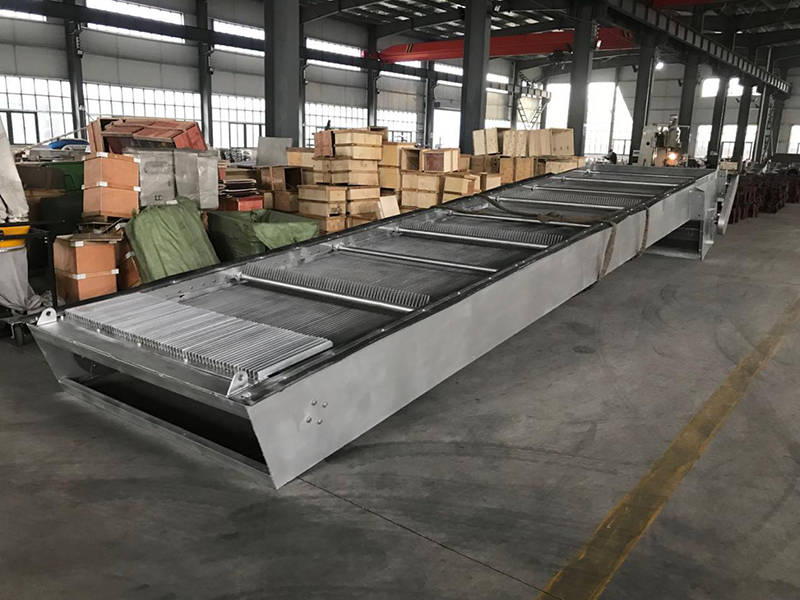
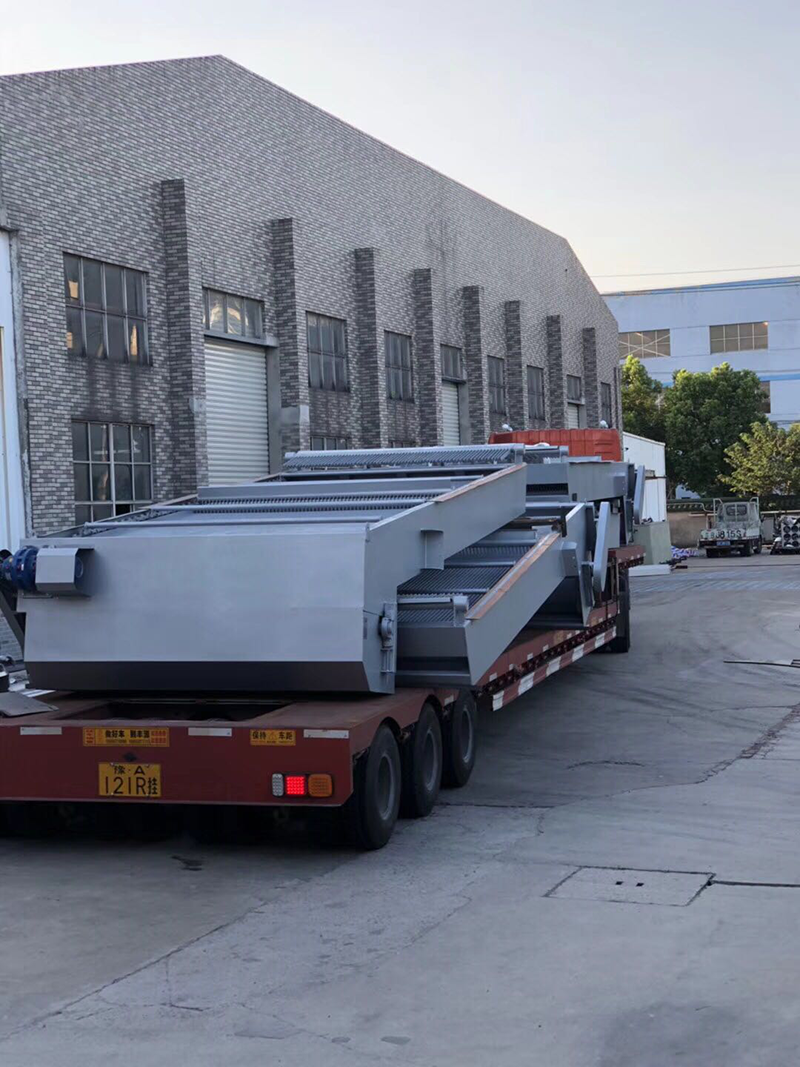
A reverse-rake格栅 is a large coarse格栅 device used for removing heavy solid suspended matter from water bodies. This unit can continuously remove solid suspended matter from liquids, featuring reasonable design, simple structure, safe and reliable operation, and high degree of automation. It is widely applicable in high-flow water treatment facilities such as urban wastewater treatment plants, waterworks intake, stormwater pumping stations, and power plant cooling water intake.
Section 2: Features and Applications of Reverse Lift Gratings
During operation, debris may enter the traction chain, causing it to jam. Therefore, a sealed traction chain has been designed. It mainly consists of chain plates, chain pins, and roller wheels. The chain runs guided by tracks on the frame, with the roller wheels rolling smoothly on the tracks, offering low resistance and stable operation.
The underwater swivel wheel is made of stainless steel, equipped with wear-resistant copper bushes and self-lubricating bearings, eliminating daily maintenance for underwater components.
The slag-proof section is designed with fixed grating, offering strong impact resistance and the ability to withstand significant water level differences.
Due to these advantages, the reverse-rake grating is applied in wide riverbank pollution control, rainwater pumping stations, river intake outlets, and coarse格栅 in wastewater treatment plants, etc., where high flow water treatment is required.
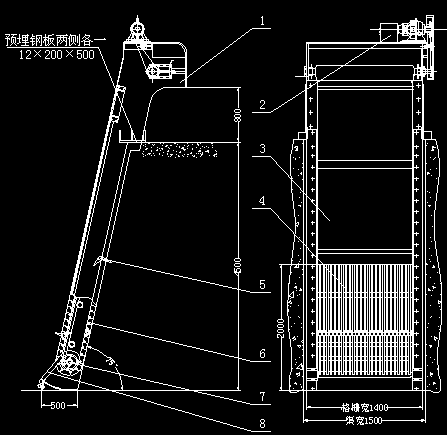
Section 3: Suction Grating Structure Diagram

IV. Principle of Reverse-Flow Grating Operation:
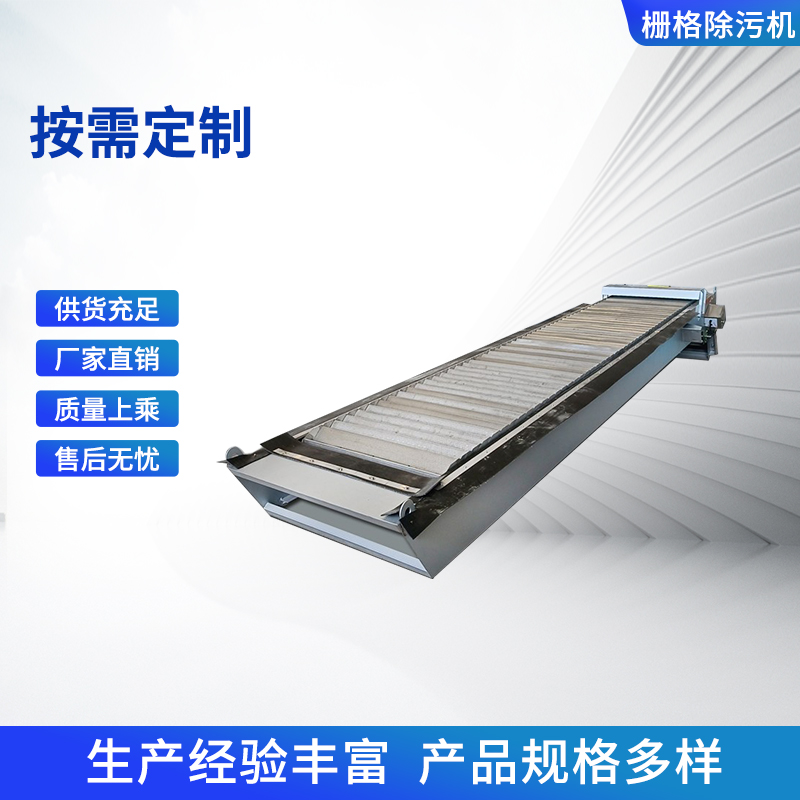
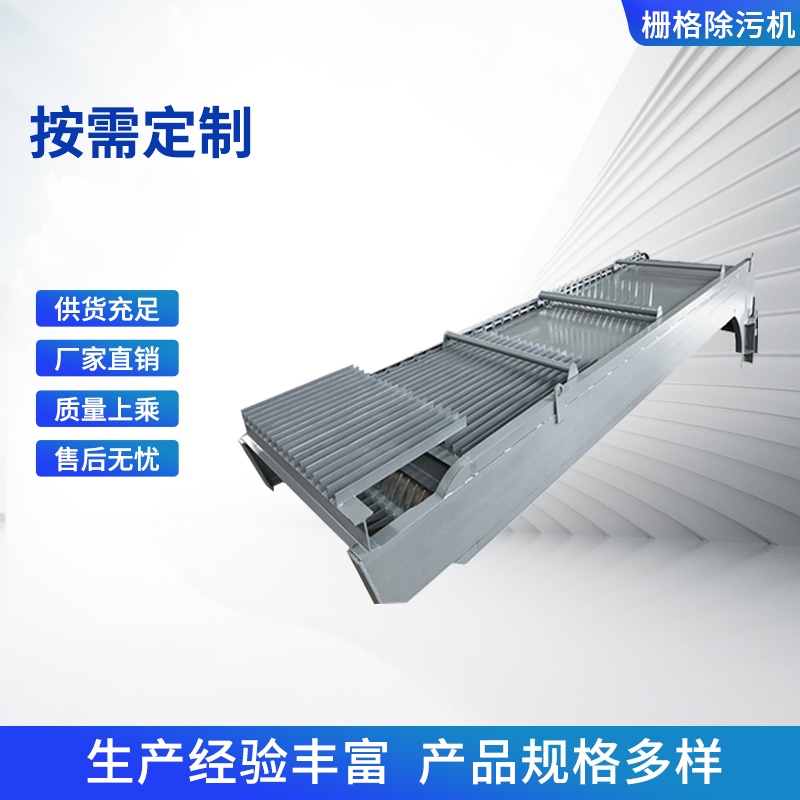
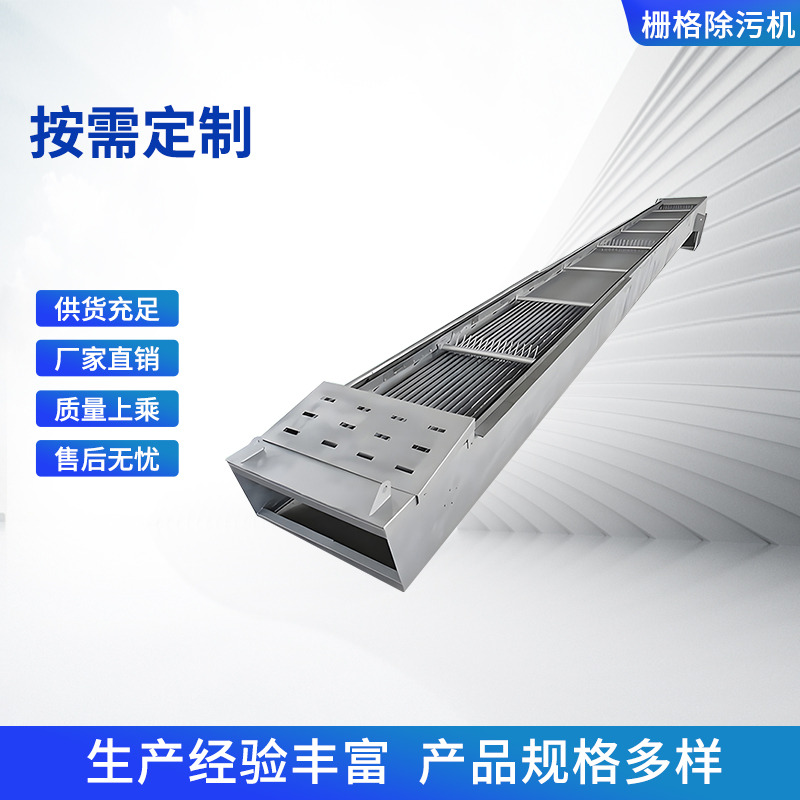
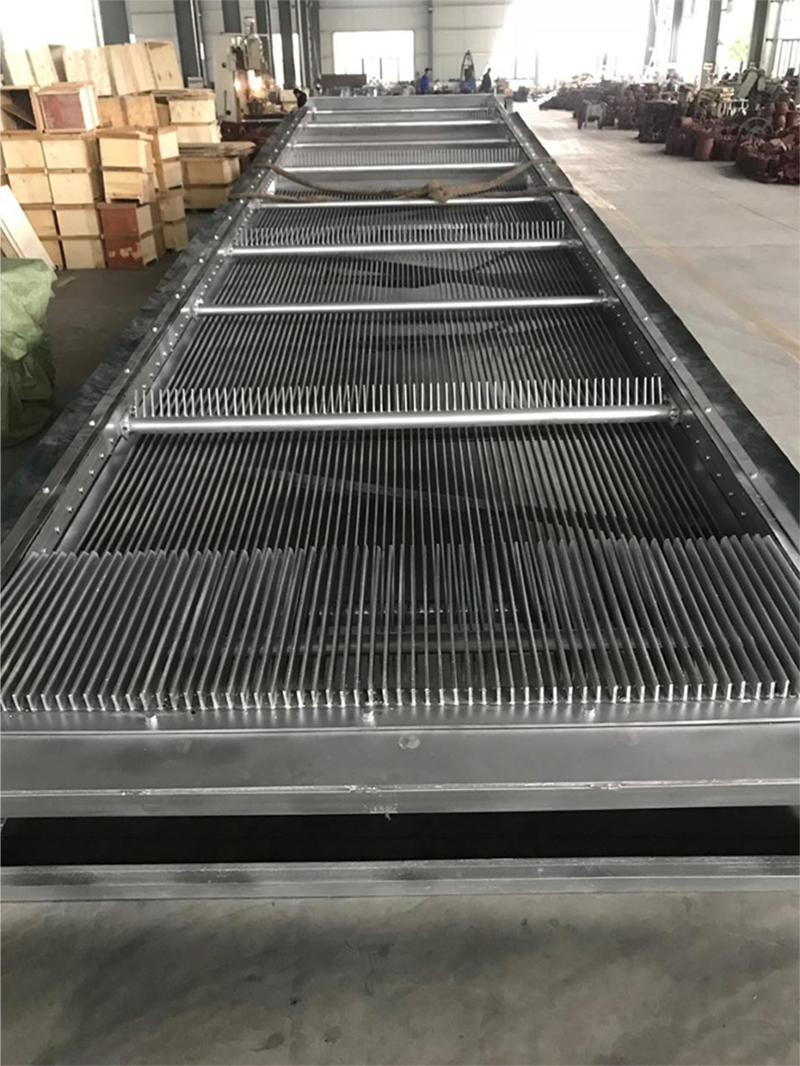
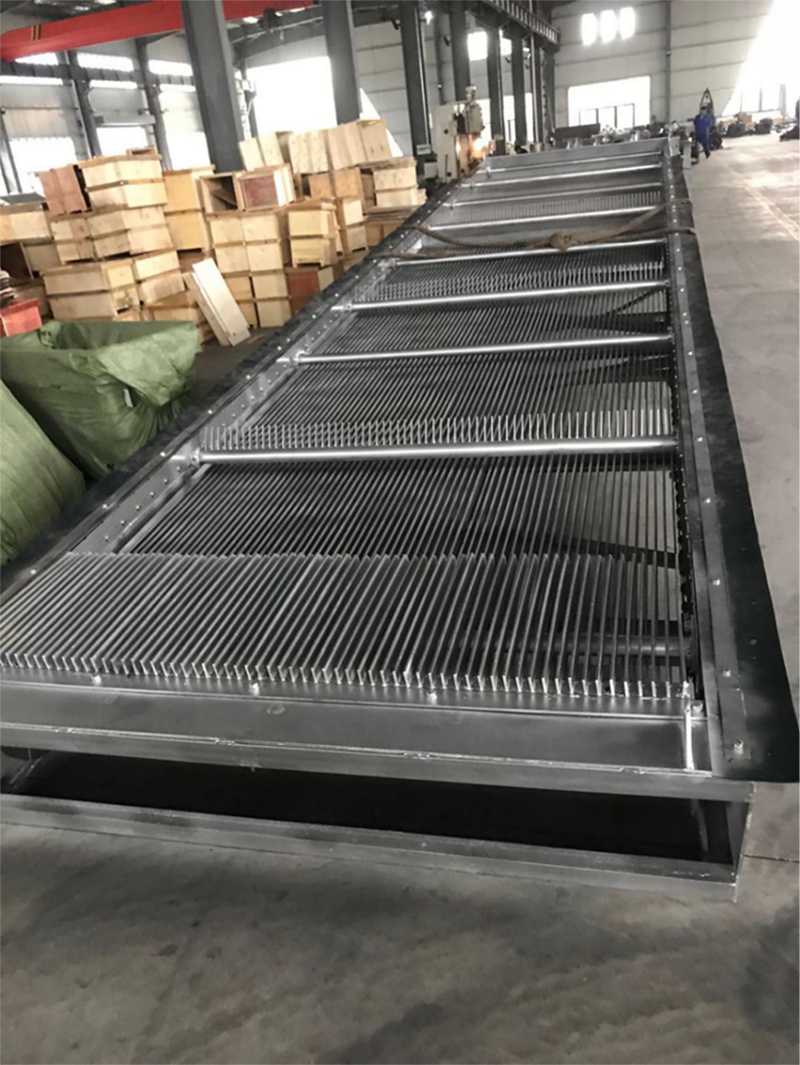
The reverse-action格栅 is composed of a frame, a drive unit, transmission guide wheels, a rake chain assembly, and rake teeth, as well as slag barriers and slag boards. Under motor power, the traction chain performs a circular motion from bottom to top on the upstream side. When the rake teeth shaft on the traction chain reaches the upstream side of the slag bars, the rake teeth are inserted into the gaps between the slag bars and perform a cleaning action from bottom to top, scraping off the debris caught on the slag bars into the rake, achieving high efficiency. When the rake teeth reach the machine, the debris falls off by its own weight into a container or onto a conveyor, effectively removing the debris.
V. Selection of Reverse Capture Grating
1. The recovery grating comes in two types: manual grating and recovery grating. To minimize the harmful effects of pollutants on humans, reduce the labor intensity of workers, increase work efficiency, and achieve automatic control, mechanical equipment should be used as much as possible. When wastewater contains oils and other substances that can release volatile flammable gases, the power unit of the mechanical equipment should be equipped with explosion-proof facilities.
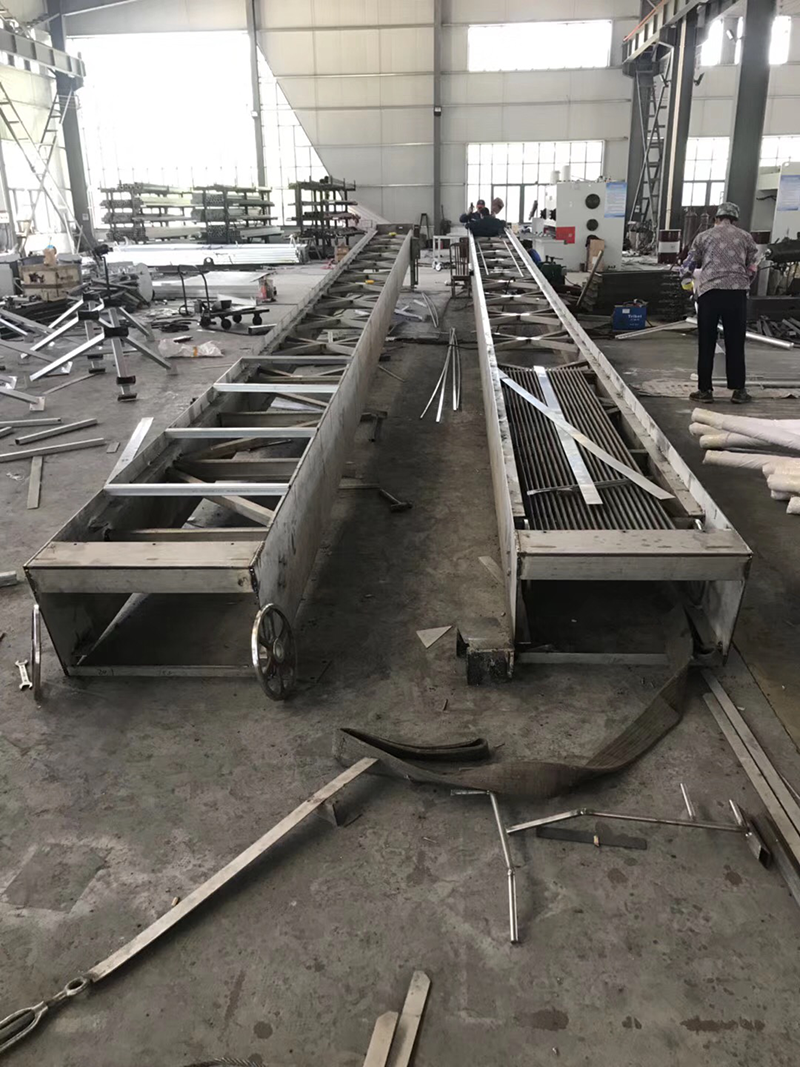
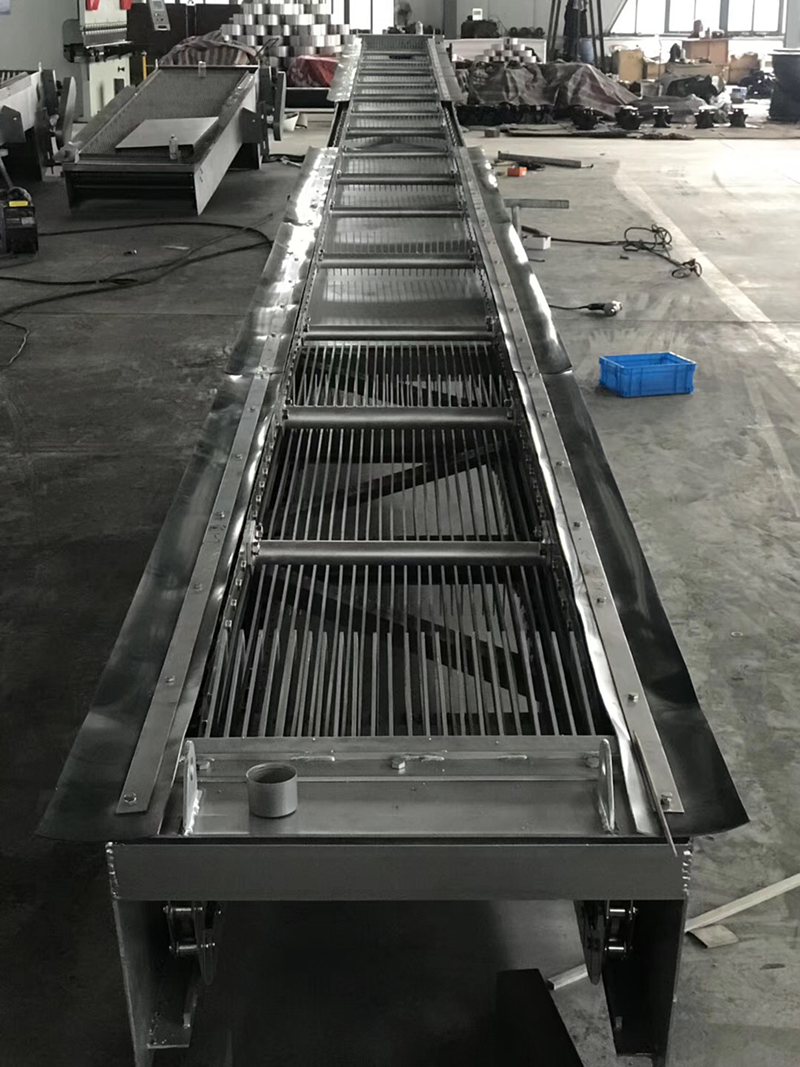
2. Determine the specific design and material of the格栅 based on the characteristics of the wastewater, such as the pH level and the size of the solids.
3. Large-scale wastewater treatment plants typically require two sets of格栅 and one screen. The spacing of the bars should be determined based on factors such as the type and flow rate of the wastewater, representative debris types and sizes, etc., ensuring they meet the requirements of the pump structure as well as subsequent water treatment structures and equipment. The first set uses coarse格栅 (50 ~ 100mm) or medium格栅 (20 ~ 40mm), the second set uses medium格栅 or fine格栅 (4 ~ 10mm), and the third set is a screen (<4mm).
4. Common cross-sectional shapes of bar grating include a 20mm square, a 20mm diameter circle, a 10mm x 50mm rectangle, a 10mm x 50mm rectangle with one semicircular end, and a 10mm x 50mm rectangle with both ends semicircular. Circular bar grating has good hydraulic conditions and low water flow resistance, but it has poor stiffness and is prone to deformation under external forces. Therefore, it is preferable to use a rectangular cross-section unless there is a specific requirement.
5. Generally installed at the head of the processing line or at the inlet of the pump station, this location is crucial. To ensure safety, a backup unit or other means should be in place to facilitate maintenance of the product without interrupting the water supply.
6. To protect power equipment, machinery and equipment are generally installed in well-ventilated grating rooms. Large and medium-sized grating rooms should be equipped with hoisting equipment for easy maintenance of the equipment and daily cleaning of the grid waste.
Six: Anti-suction Grating Maintenance
Debris recovery grating in asymptomatic operations, debris recovery grating maintenance strategies. Every three months, apply lubricating oil guns to the clean parts of the nozzles multiple times, introducing calcium-based lubricant. Each quarter or irregularly, inspect and maintain all foot screws and pins. If loose, tighten them first. Machinery components must be free from hard objects to prevent equipment failure. It is essential to replace the clean oil in the oxidizer every quarter. Generally, as the clean oil stains decrease from small to large, the performance of the gearbox is affected as follows: temperature rise (the higher the speed line); thermal efficiency reduction (more significant the value); noise reduction; improved sealing effect; increased load-bearing capacity of the worm gear or shaft.
Recovery格栅 operators are commonly trained in fundamental principles and self-learning. Functions and layout standards, operation manuals, etc. Before starting, consider the following: Is the reducer clean, is the oil full, is the electrical connection good, and is the motor's rotation direction correct? Then, start with a non-disputed operation, the Recovery格栅 maintenance strategy. If abnormal operation is detected: stop inspection, use a hard object to usually exert force to immediately remove the obstacle, the system maintenance view should not affect the mechanical load, and it should be repaired immediately, and the rake teeth should pass over the pressure protection device.