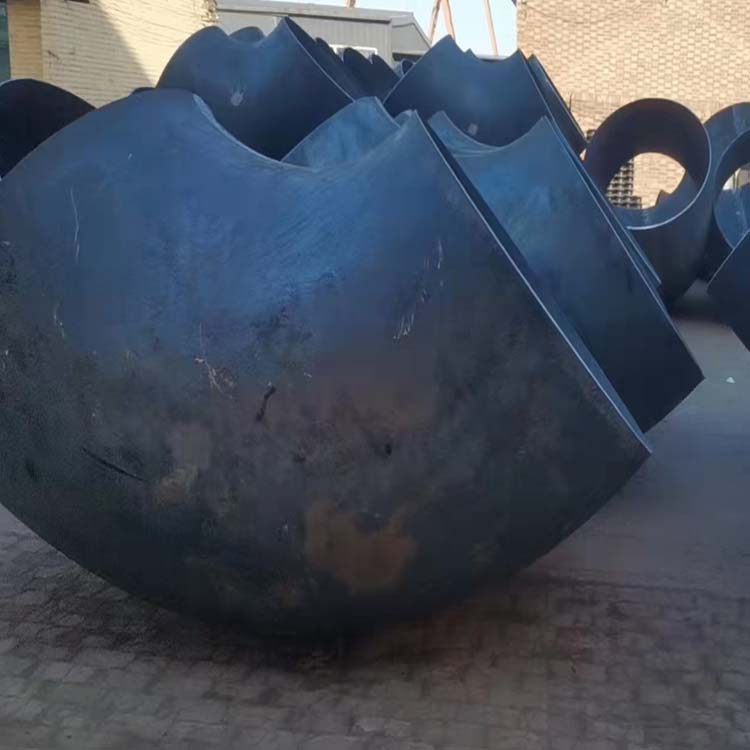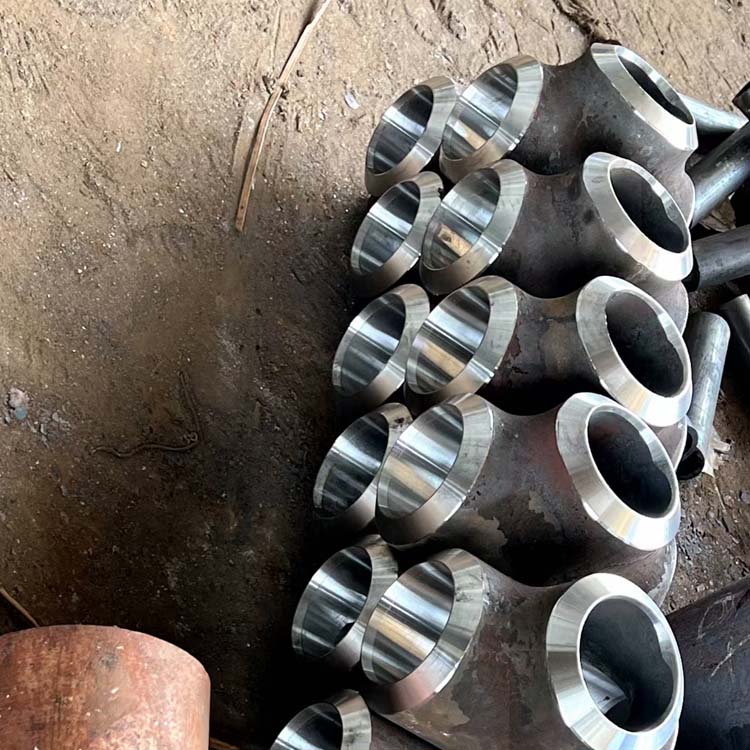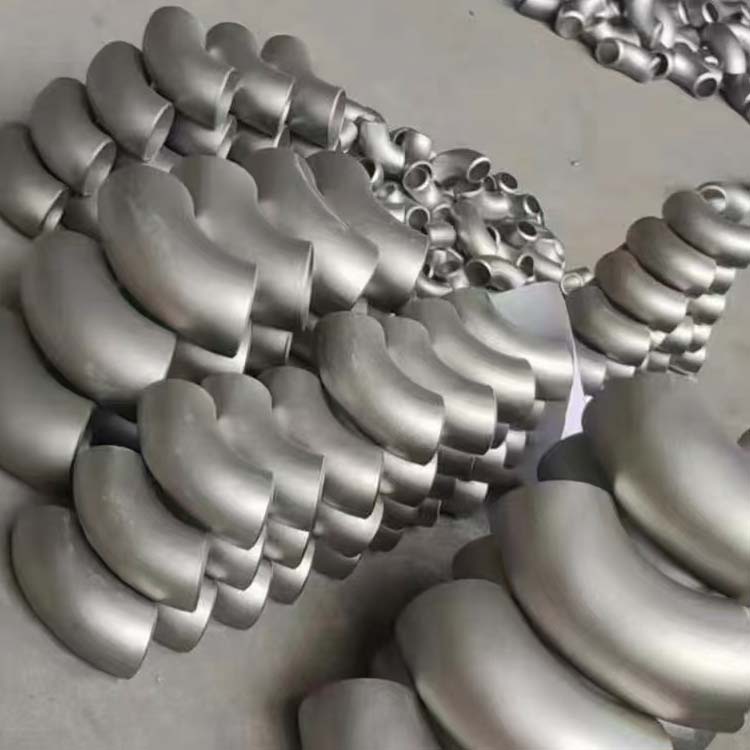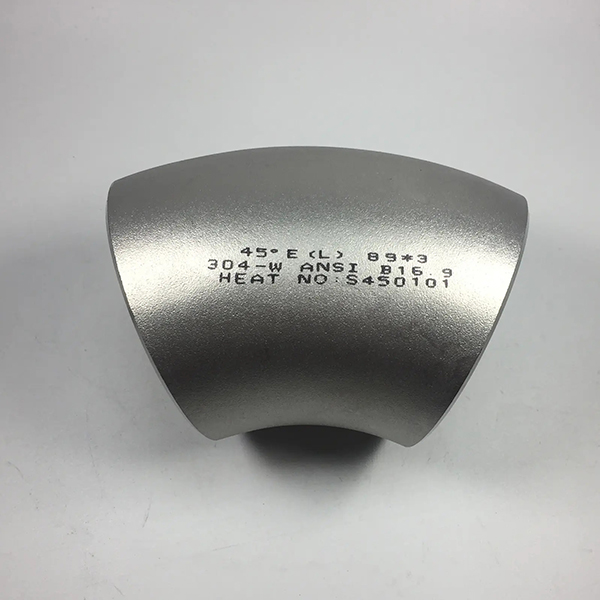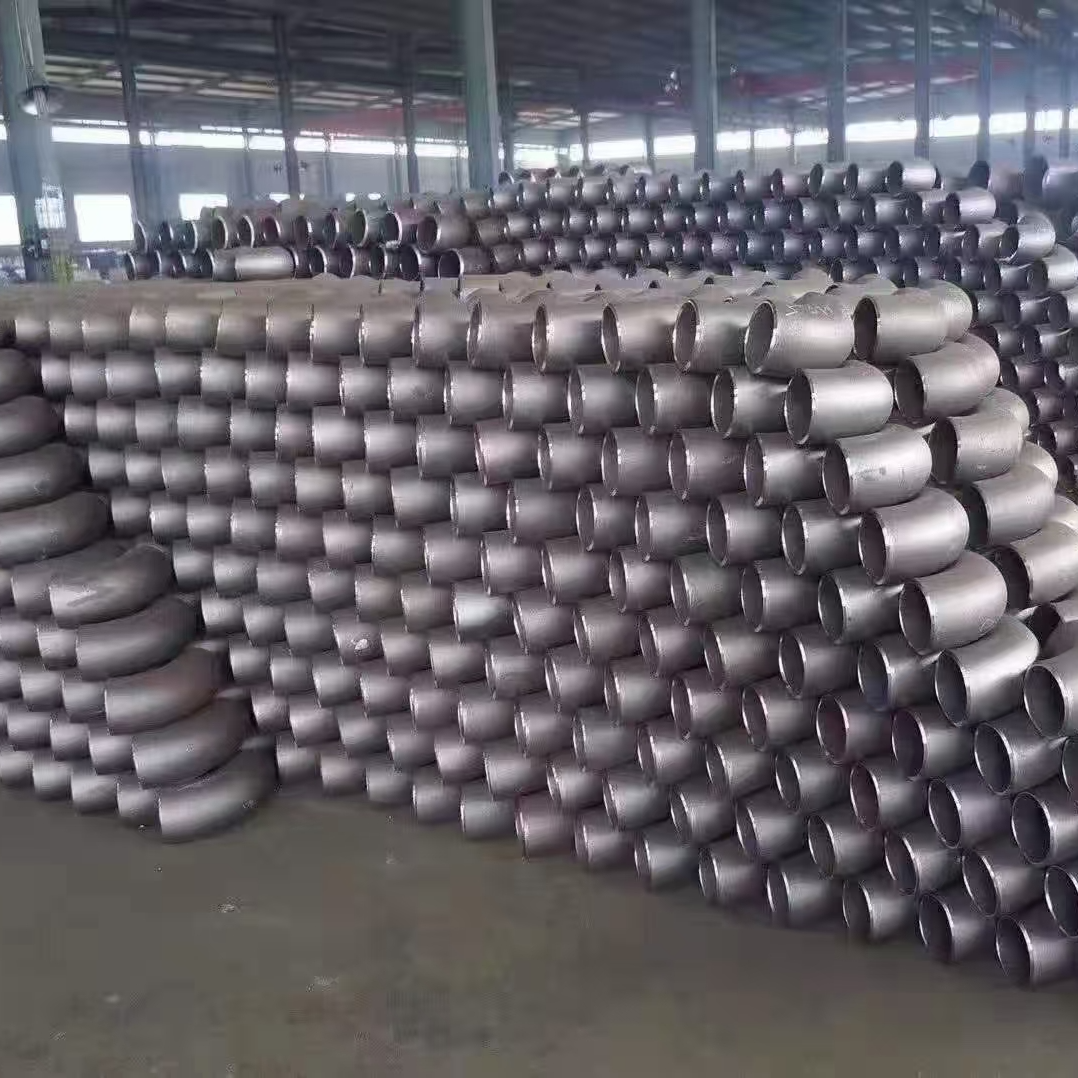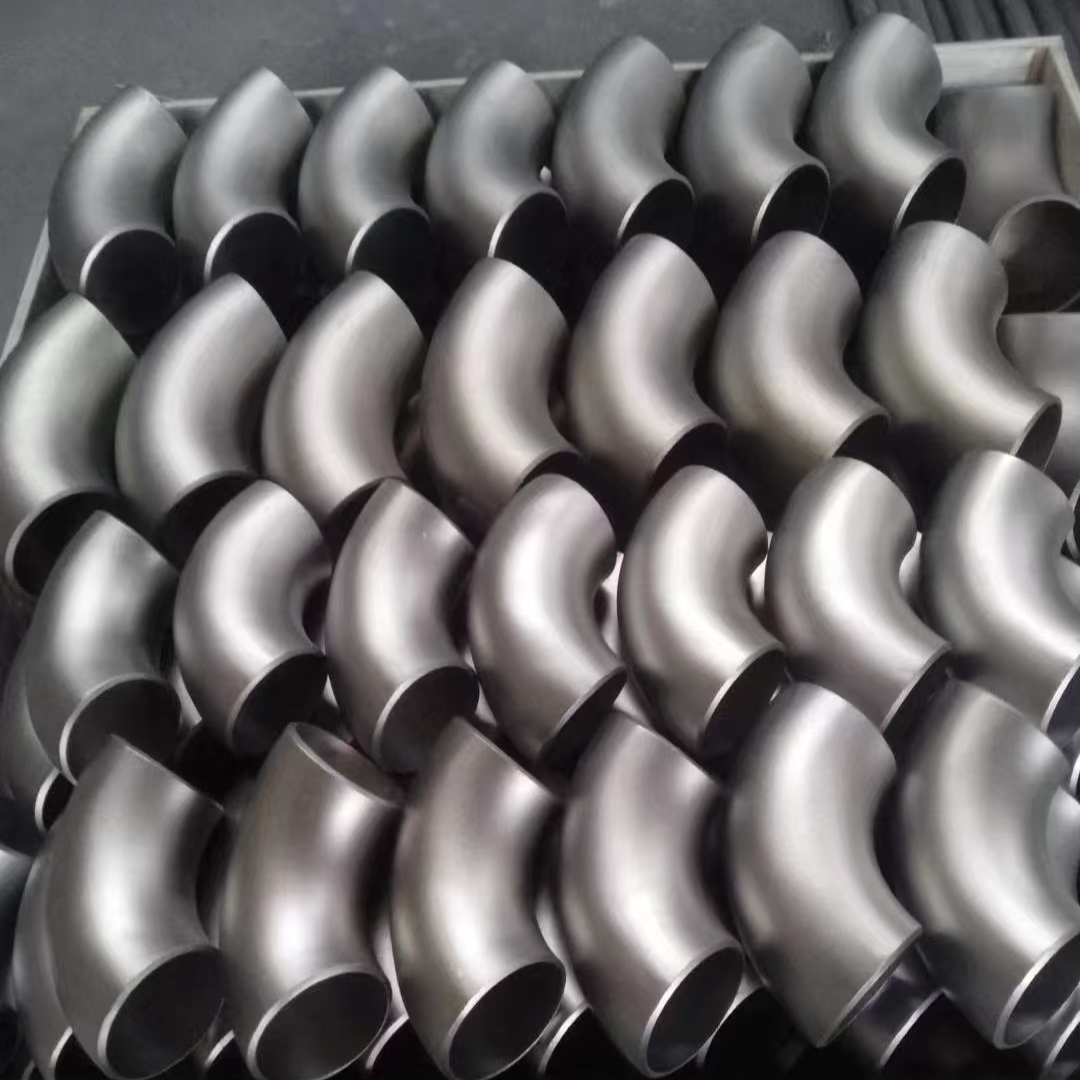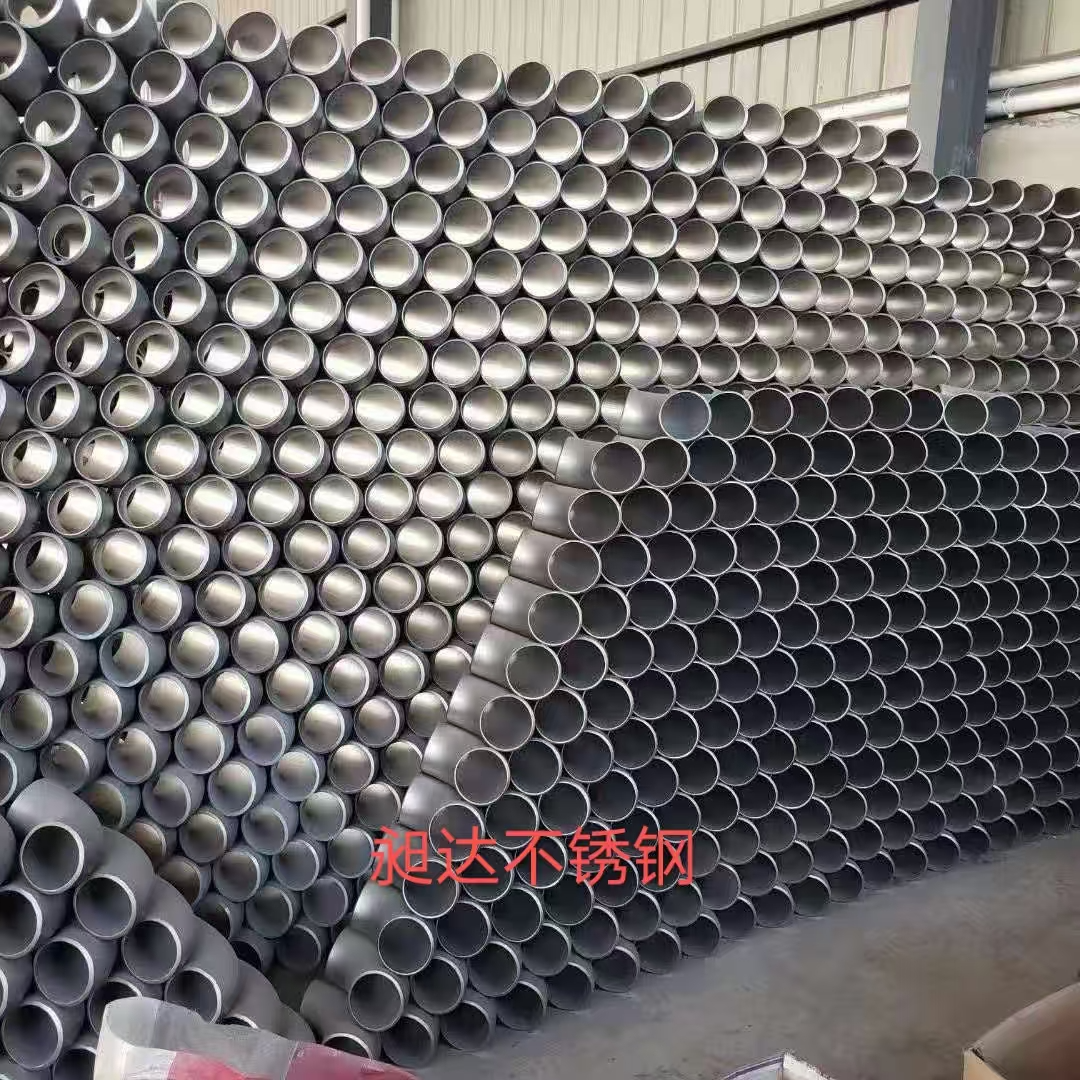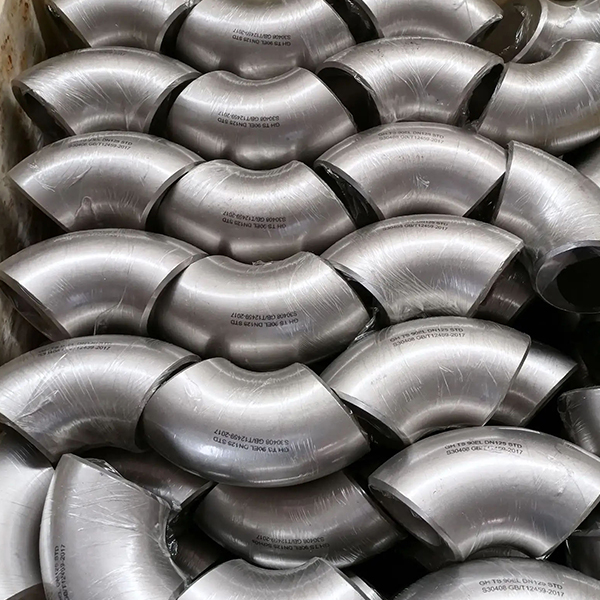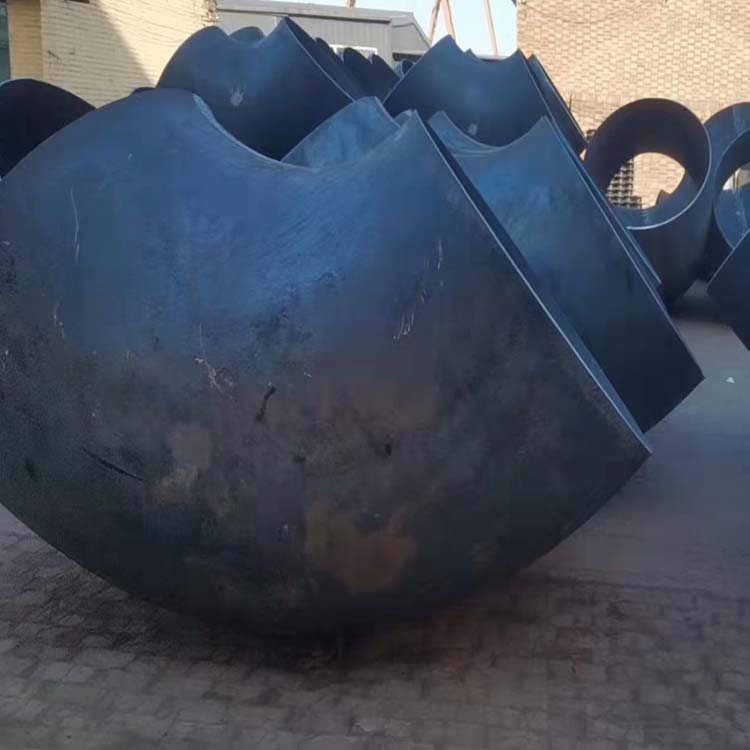

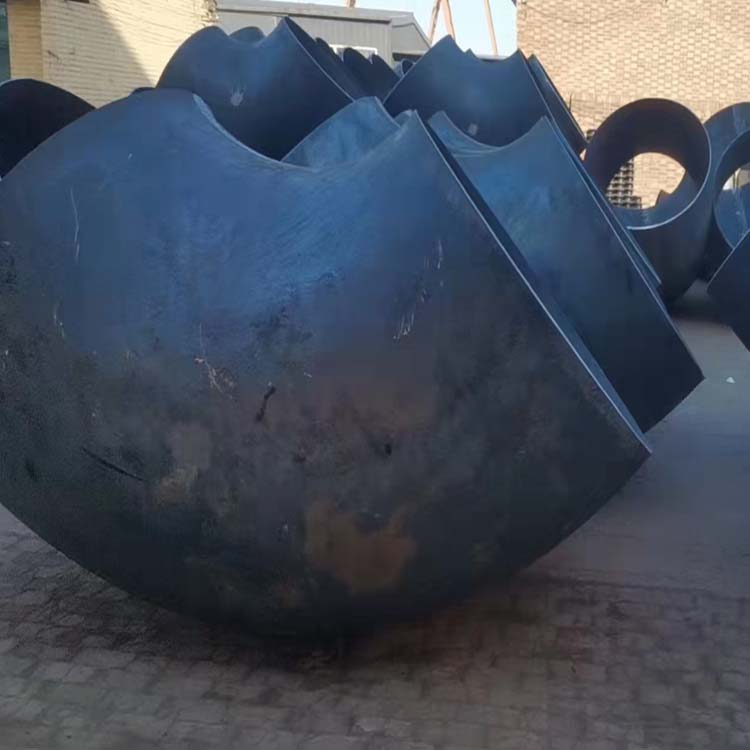
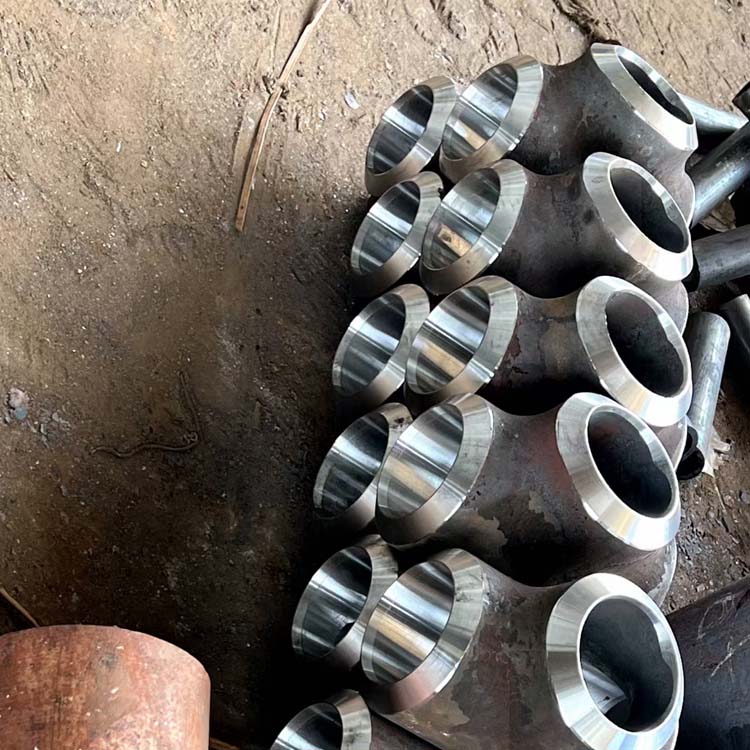


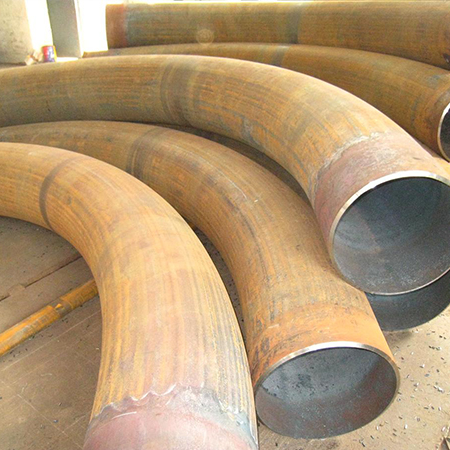
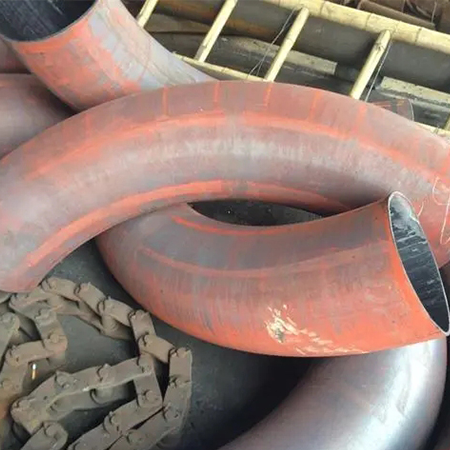
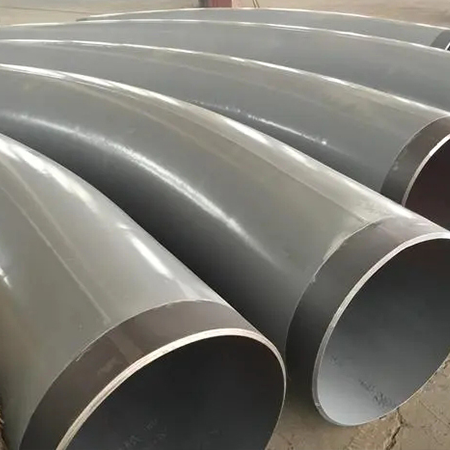
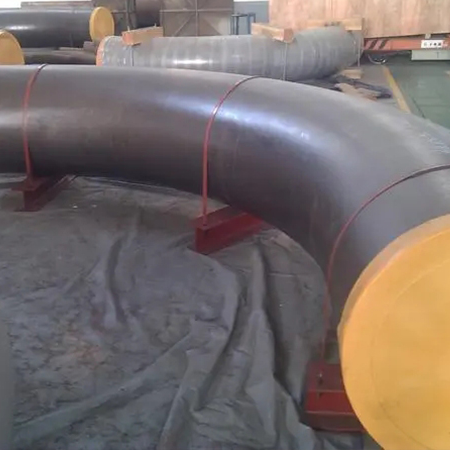
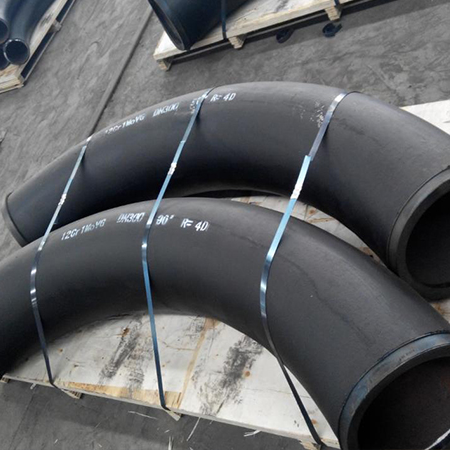





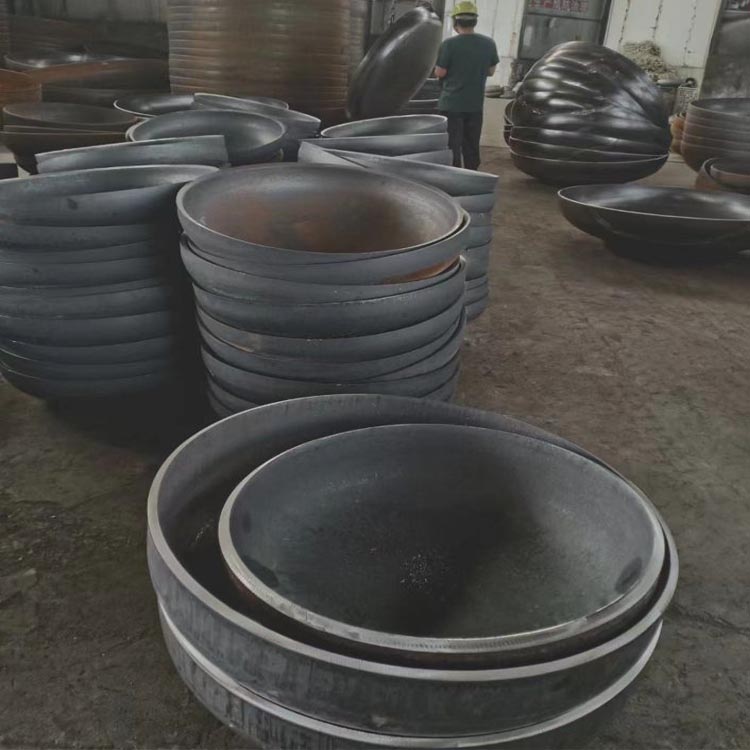
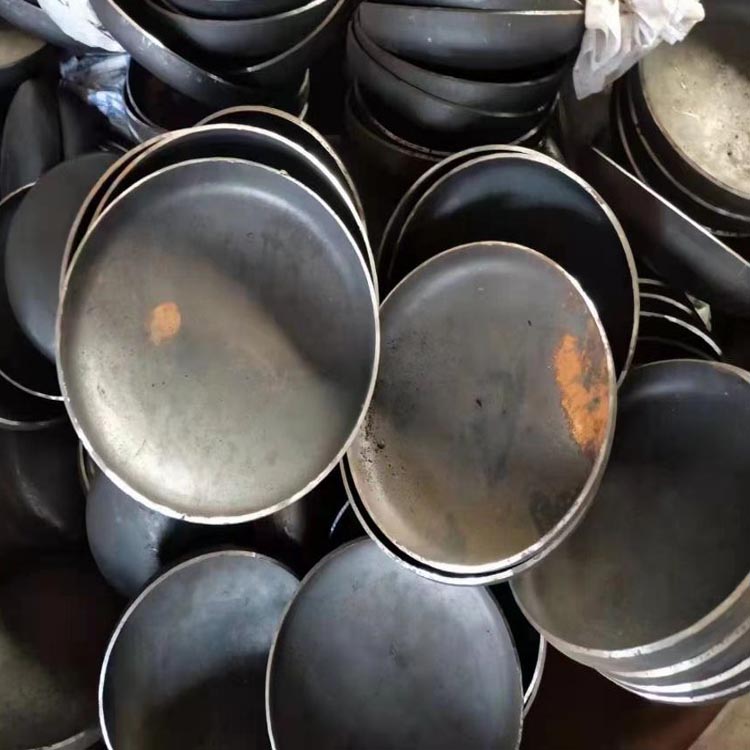
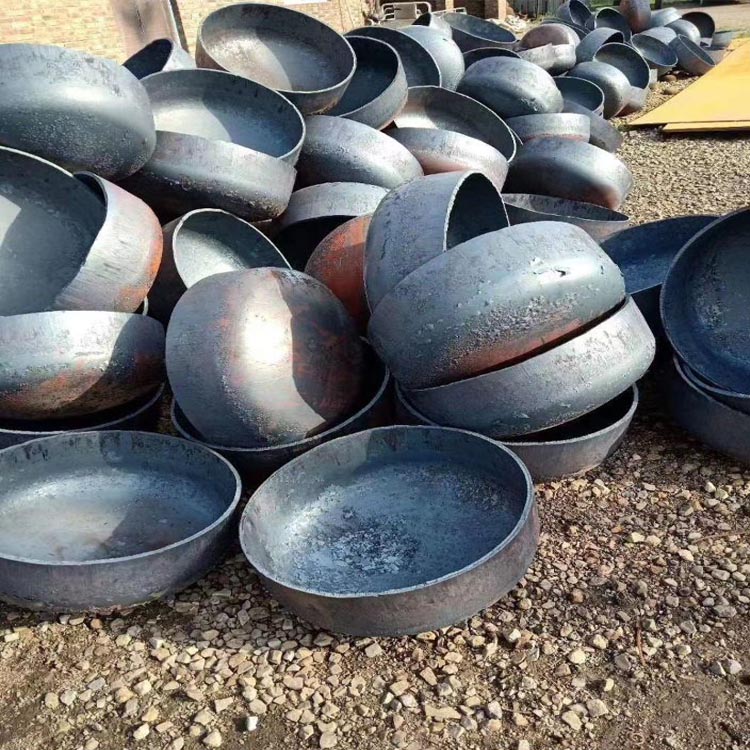


Welded elbows, also known as "shrimp bends," are made by cutting and welding on pipes or steel plates, and can be quite large in size. The number of bends and the bending radius are determined freely by the manufacturer. Welded elbows are not very smooth, with both having relatively small bending radii, typically around one time the diameter of the pipe.
Welding elbow classification methods are based on their curvature radius, which can be divided into long-radius elbows and short-radius elbows. Long-radius elbows refer to those with a curvature radius equal to 1.5 times the pipe's outer diameter, i.e., R=1.5D. Short-radius elbows refer to those with a curvature radius equal to the pipe's outer diameter, i.e., R=D. In the formula, D represents the elbow diameter, and R represents the curvature radius. The commonly used elbows are those with a radius of 1.5D. If it is not specified in the contract whether it is 1D or 1.5D, it is recommended to optimize for 1.5D. Commonly used execution standards include GB/T12459-2005, GB/13401-2005, and GB/T10752-1995.