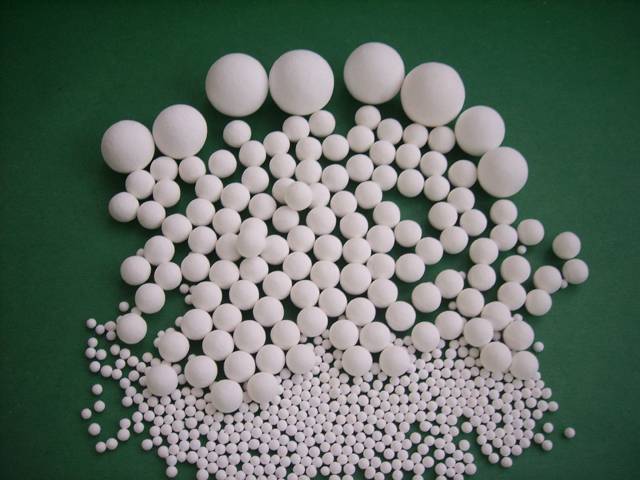








The key quality indicator of ballstone is its wear resistance. Some testing agencies can conduct wear tests, and these test reports can display the quality of the ballstone; however, the data should be taken as a reference only, as there are significant differences between the testing environment in the lab and the production environment. Firstly, the test is conducted under water grinding conditions, whereas many manufacturers use dry grinding; secondly, the test often does not involve other materials, just the friction between ballstones, whereas in actual production, various materials are added. In actual use, to measure the wear of the ballstone, extensive records must be kept. After the initial batching, by recording the amount of ballstone added and combining it with the yield, the wear of the ballstone during production can be calculated, thereby comparing the cost of high-alumina balls with other grinding balls and also comparing the quality of ballstones among different manufacturers. Factors affecting the wear of ballstones include the hardness and fineness of the feed material, the grinding method (such as the difference between dry and wet grinding), the speed of the ball mill, the rationality of the ballstone ratio, the viscosity of the feed material, and more.