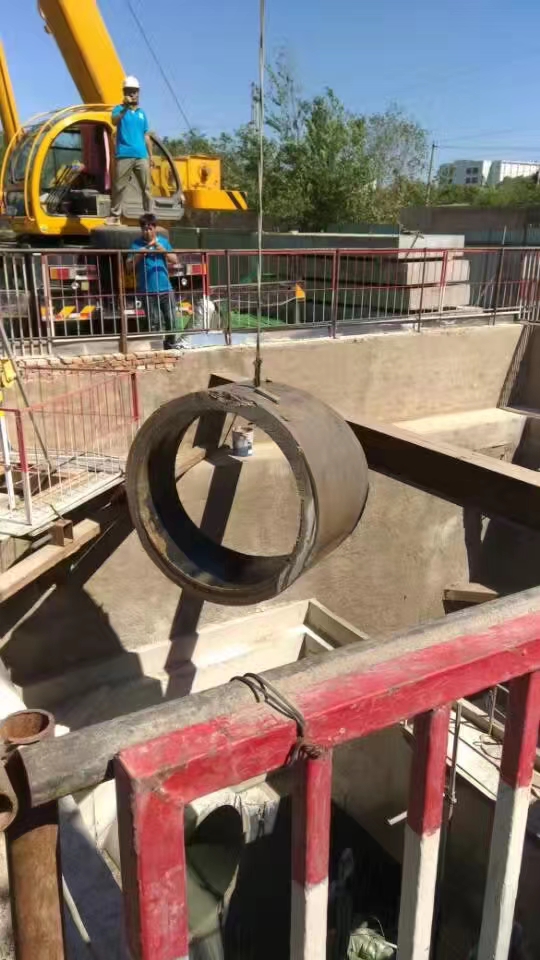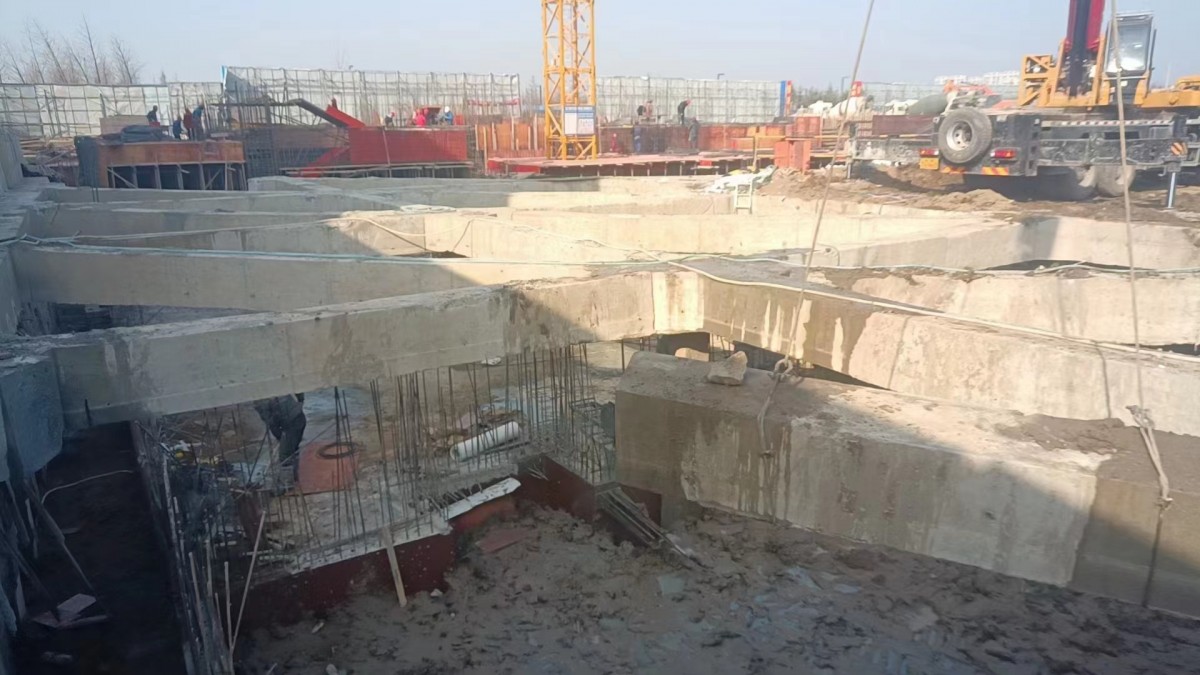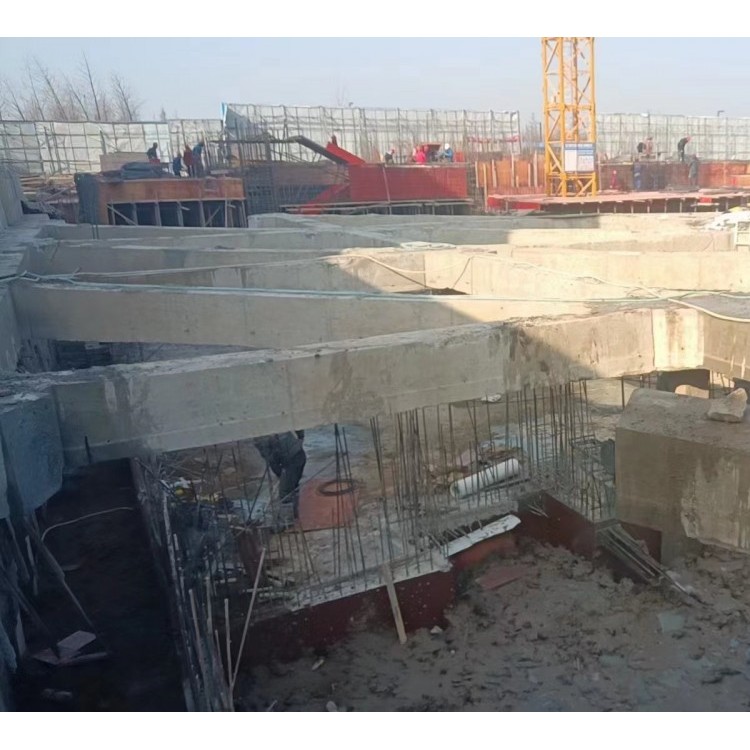

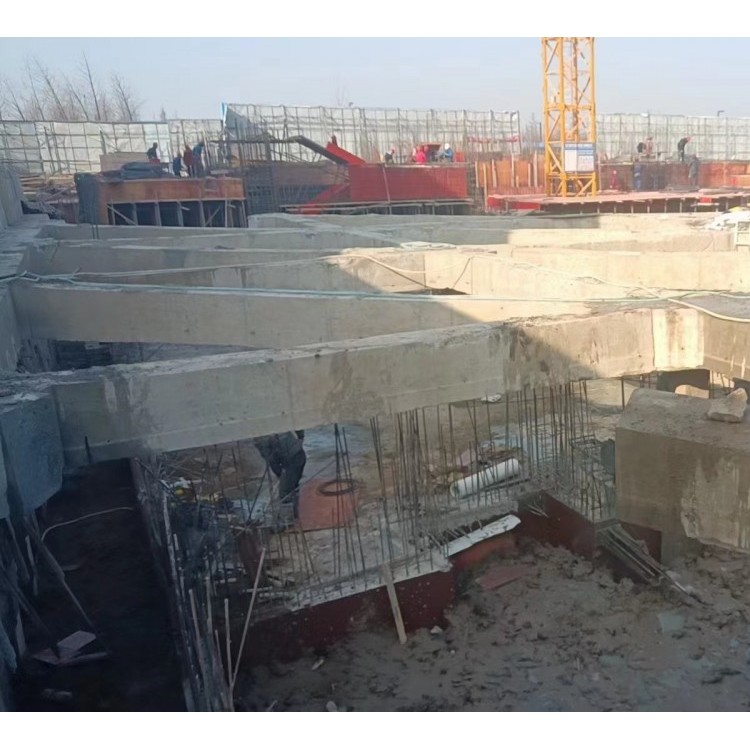
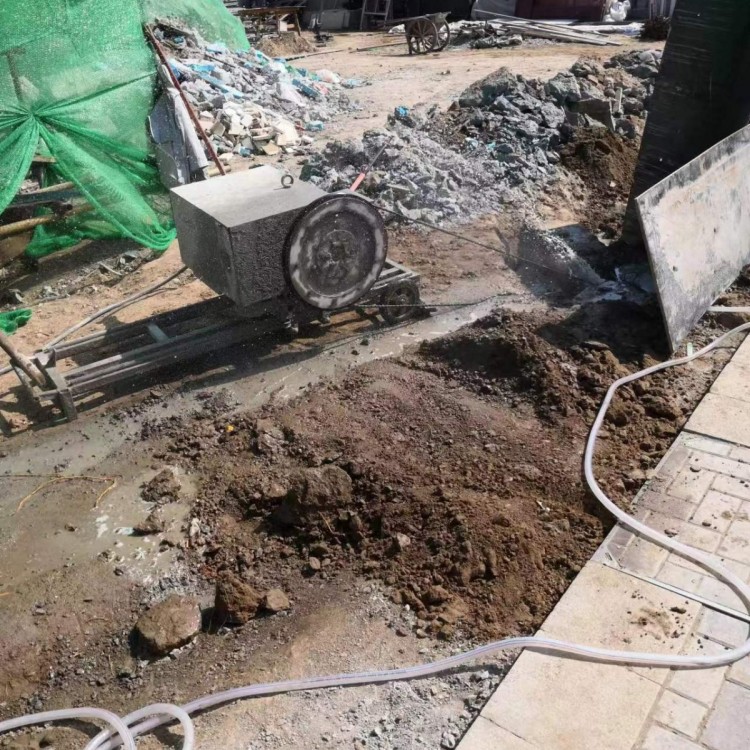
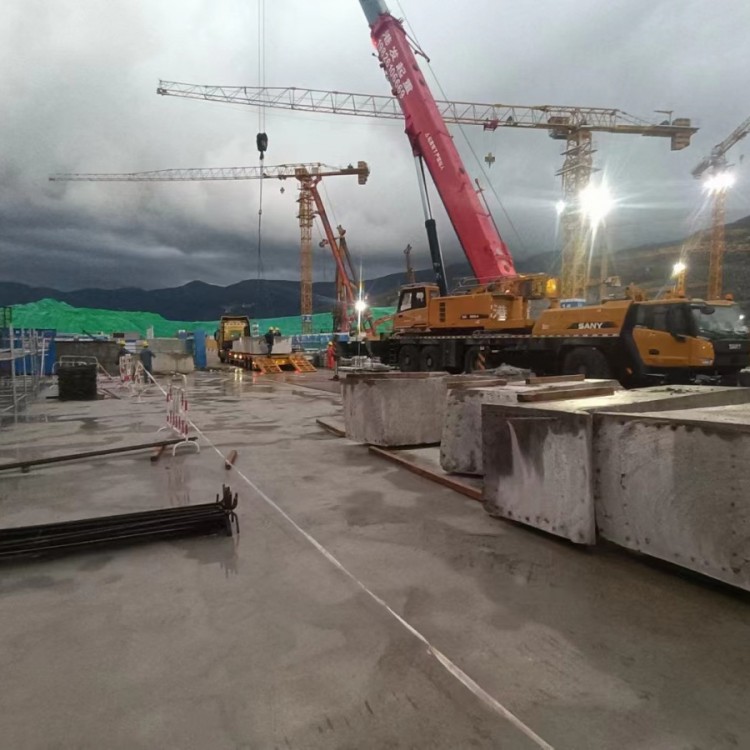







Concrete static cutting and removal
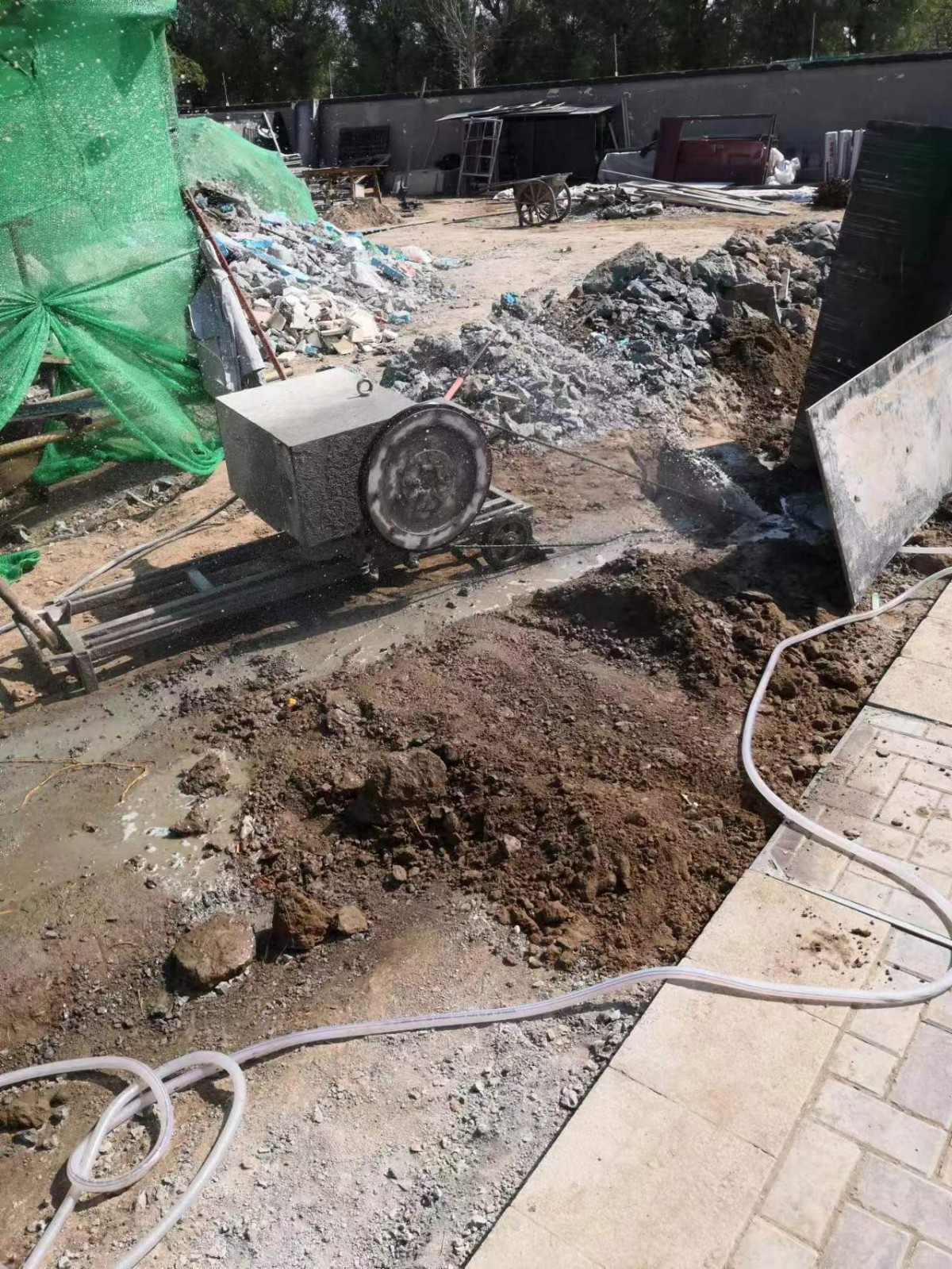
Wall sawing
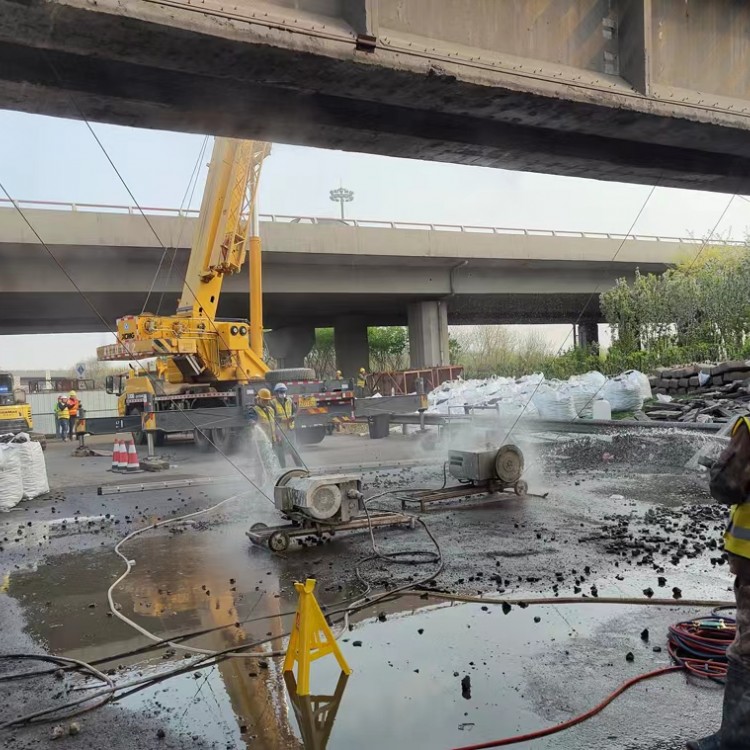
Since static cutting is a wet process, it generates saw slurry, which can negatively impact the surrounding environment. The method for dealing with this is:
1) Use oil cloth or color to cover the bottom of the切口 and collect the sawdust with strips.
2) Use fine sand around the cutting area for maintenance to prevent the saw slurry from flowing freely.
5. Security Measures

Large cutting equipment used in the cutting process poses potential safety hazards for this project. Therefore, ensuring the safety of this part of the construction is a key focus of the overall project's safety management.
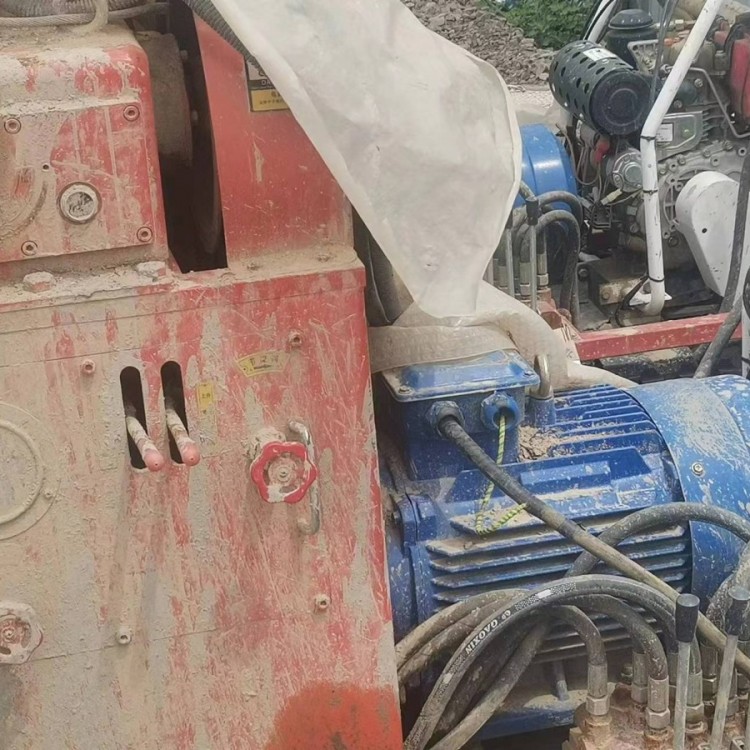
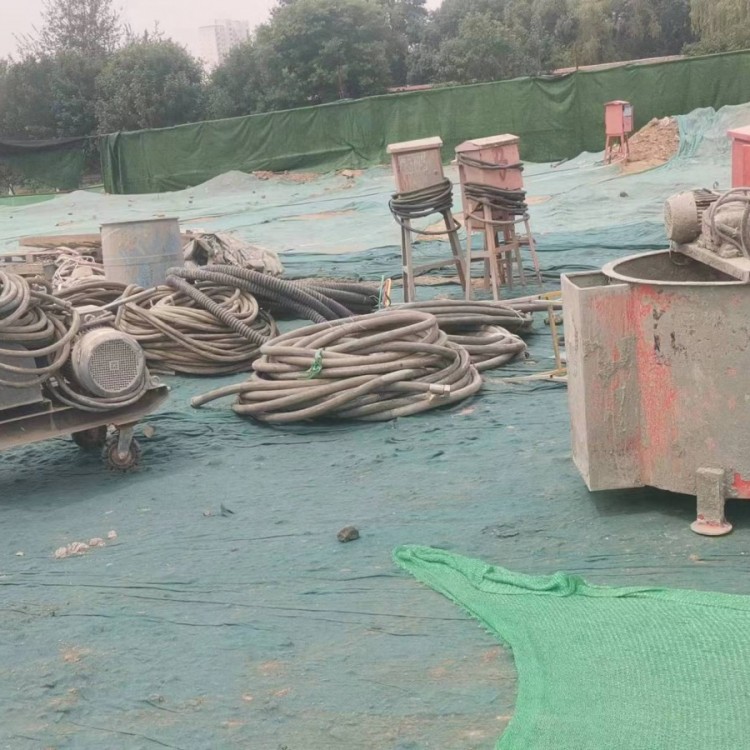
Prior to using the cutting equipment, a trial run must be conducted according to the equipment's operation procedures, and the layout of the power distribution lines should be checked for rationality to ensure the equipment operates normally during cutting; train operators and provide safety disclosures.
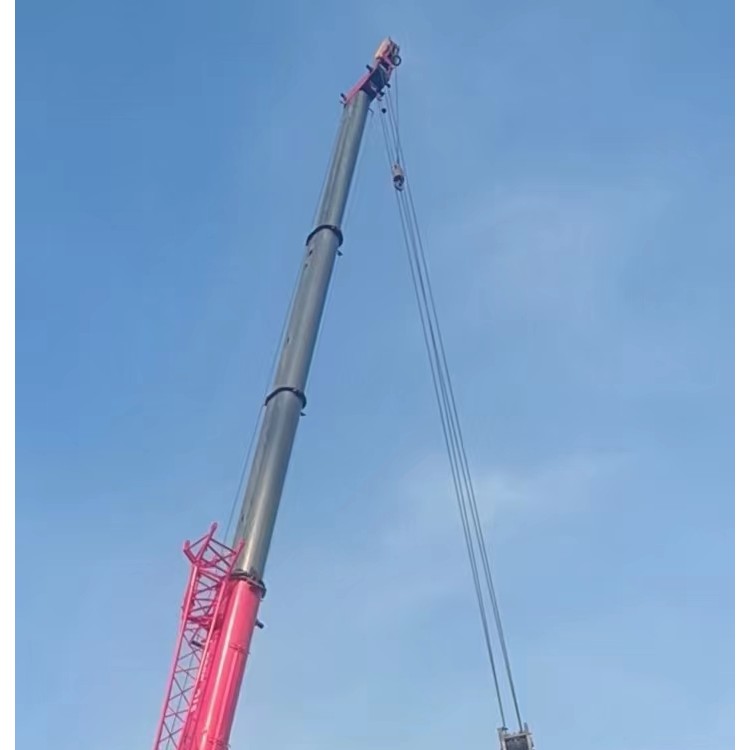
Prior to cutting, strictly cordon off the site according to the cutting safety zone and install clear safety warning signs; conduct safety inspections on auxiliary cutting equipment (crane equipment, etc.).
During cutting, assign a dedicated person to supervise and inspect the safety of the surrounding area (including below the cutting area) throughout the process.
6. Progress Control
Utilize state-of-the-art static pressure hydraulic cutting machines or diamond wire saws, with experienced operators and maintenance staff to ensure smooth construction progress.
Arrange the cutting sequence logically to ensure more simultaneous cuts.
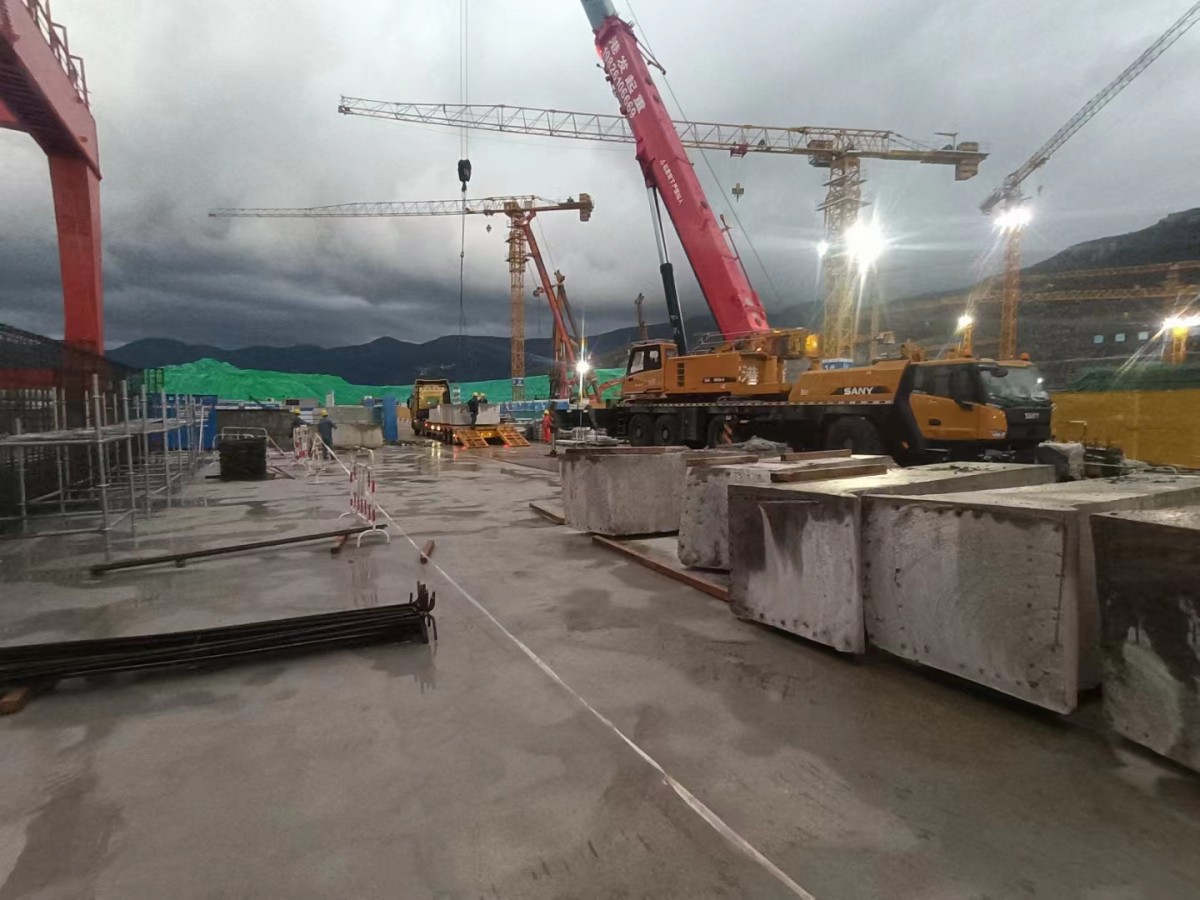
Cut concrete blocks should be crushed and cleared promptly to provide operational space for subsequent construction.