





Direct Manufacturer of Paint Mist Treatment Equipment Professional Spray Booth Waste Gas Treatment Spiral Classifier Supplier


The waste generated during the painting process consists of two parts: one forms paint slag, and the other is paint mist waste. These painting emissions generally exhibit high air volume and low concentration, including toluene, xylene, solvent gasoline, alcohols, esters, etc.
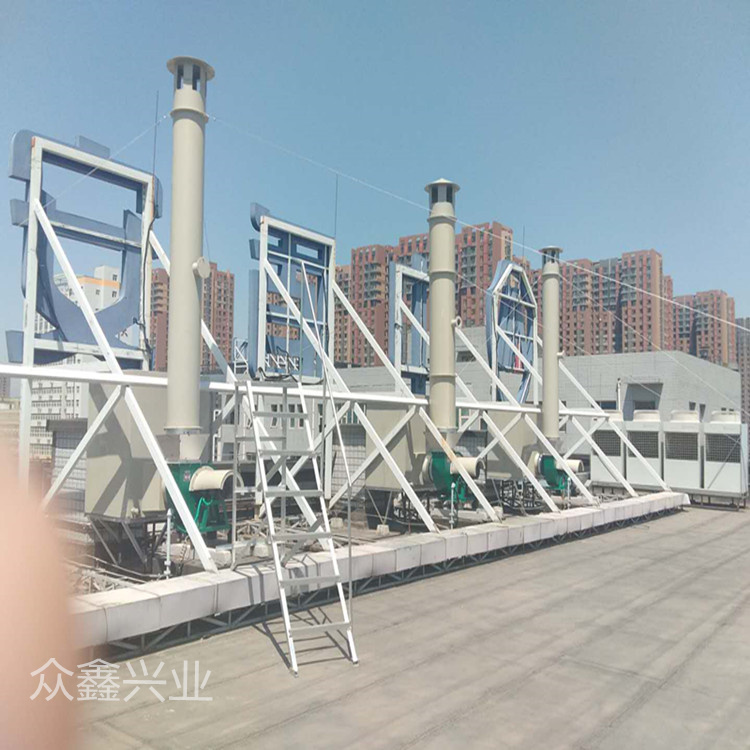
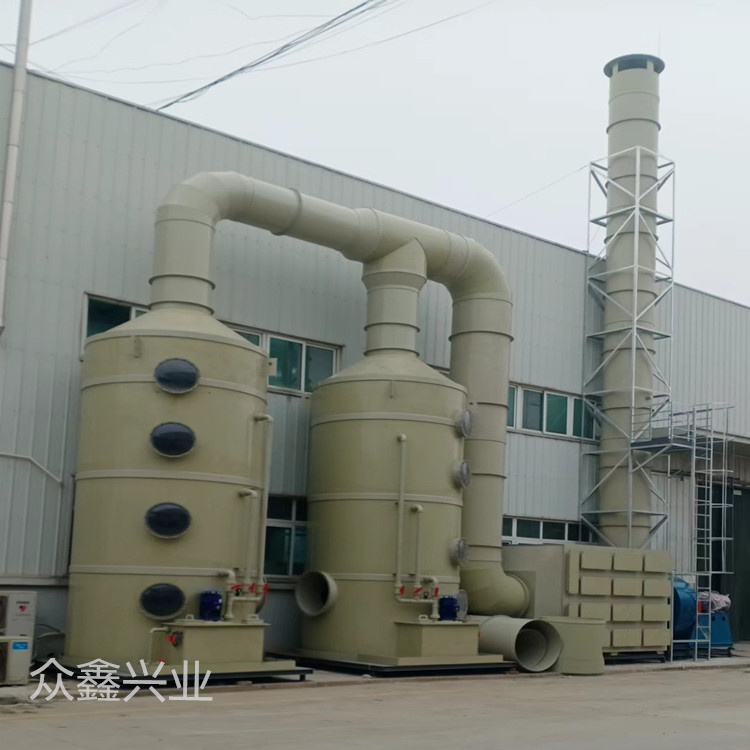
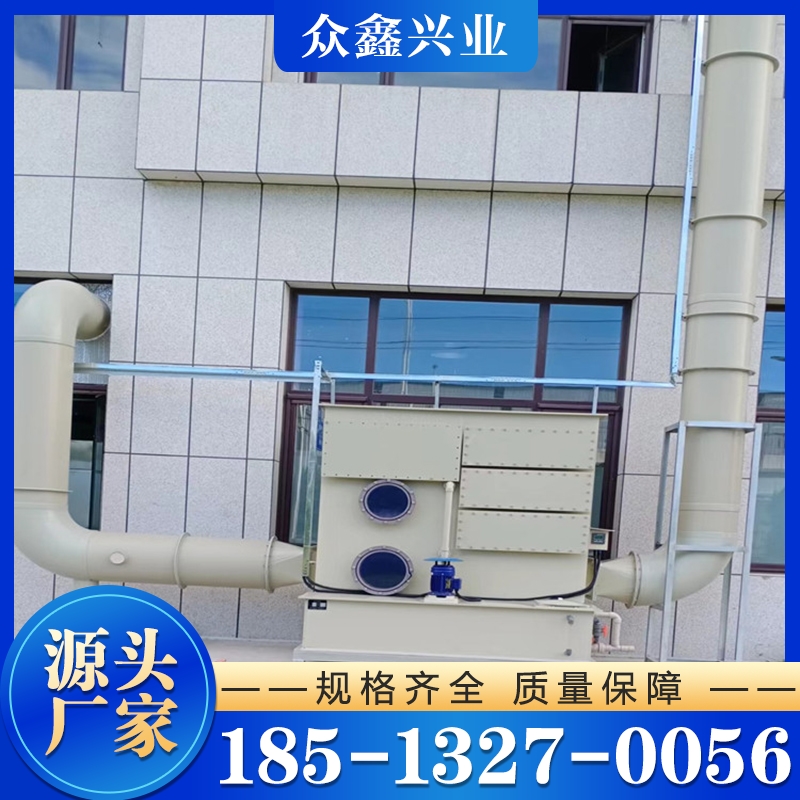
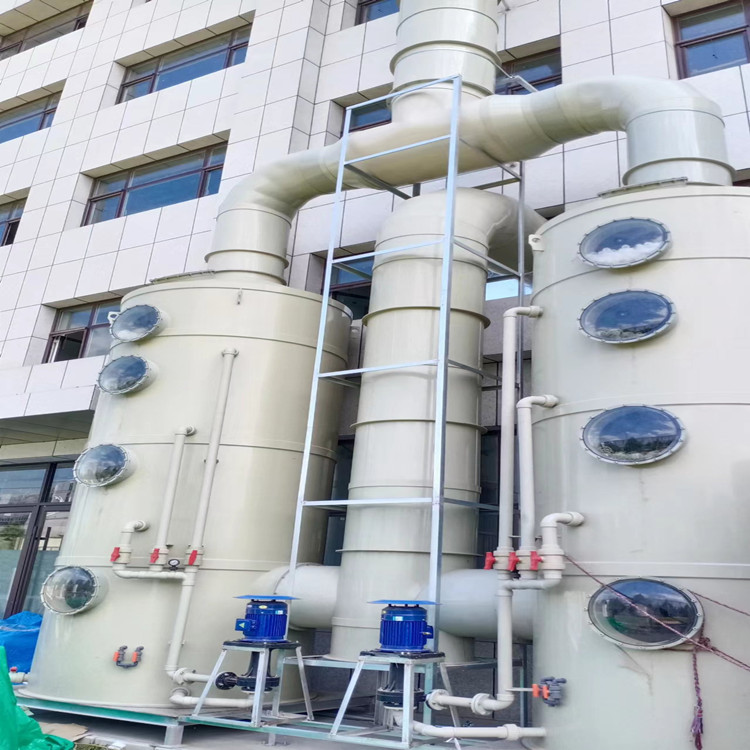
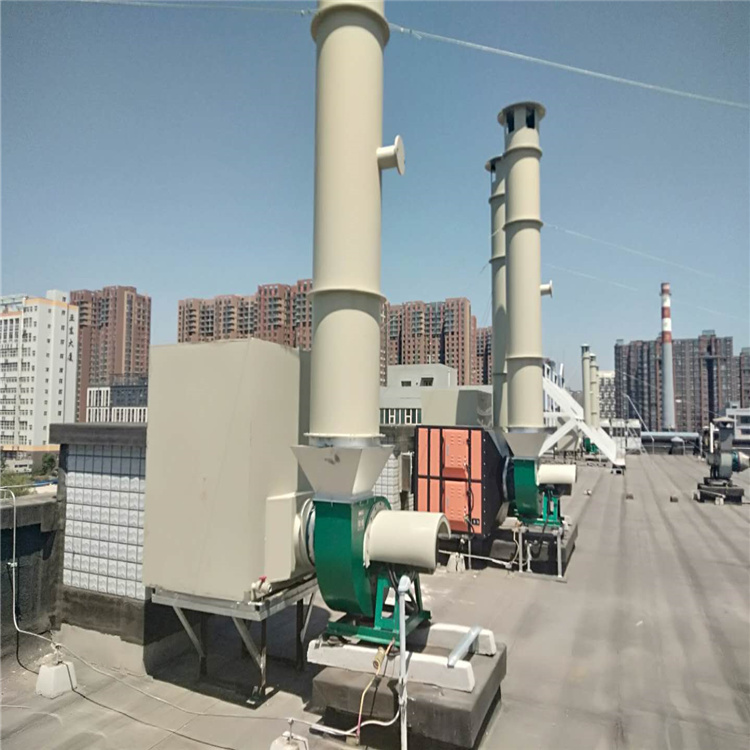
The methods for handling paint mist can be divided into dry mist treatment and wet mist treatment. Traditional wet mist treatment methods mainly include cyclone separators, cyclone towers, water curtain cabinets, and the like, which is referred to as wet spray in our painting process.The paint mist is treated through water spray filtration, activated carbon absorption, adsorption, or combustion before being discharged through ducts or directly. Filtration employs a filter layer to retain paint mist and solid particles, with the filter material primarily consisting of glass fiber cotton, slag, activated carbon, and water spray. The filter layer can remove most of the paint mist and solid particles, adsorb a small amount of organic pollutants, and handle up to 80% of the paint mist.
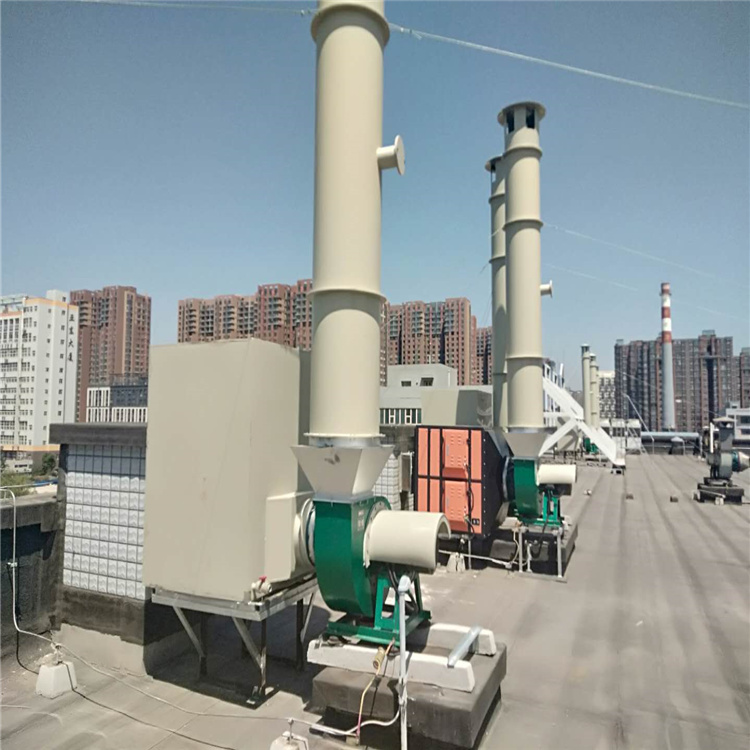
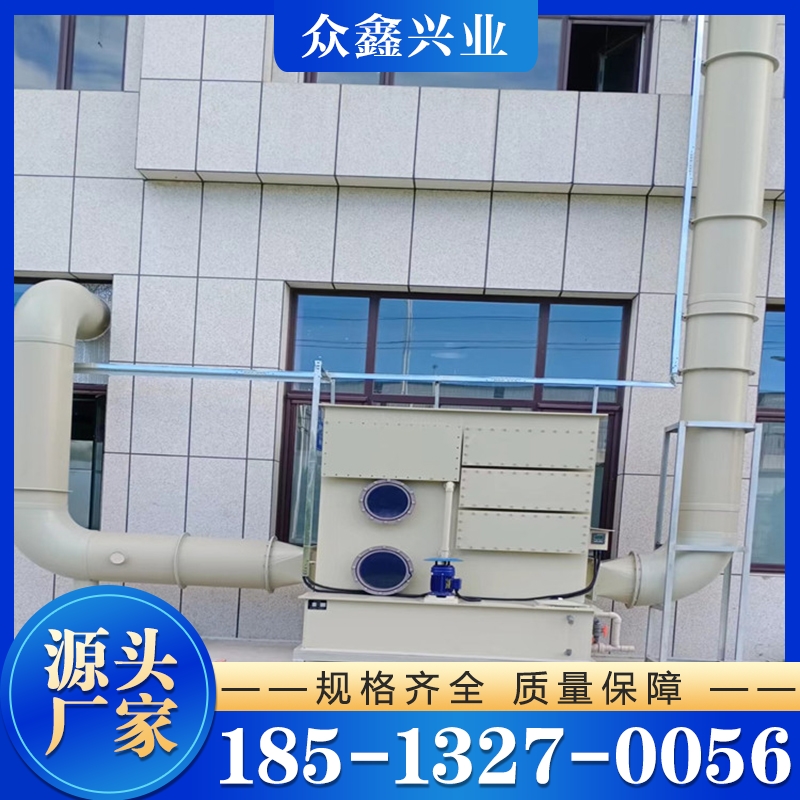
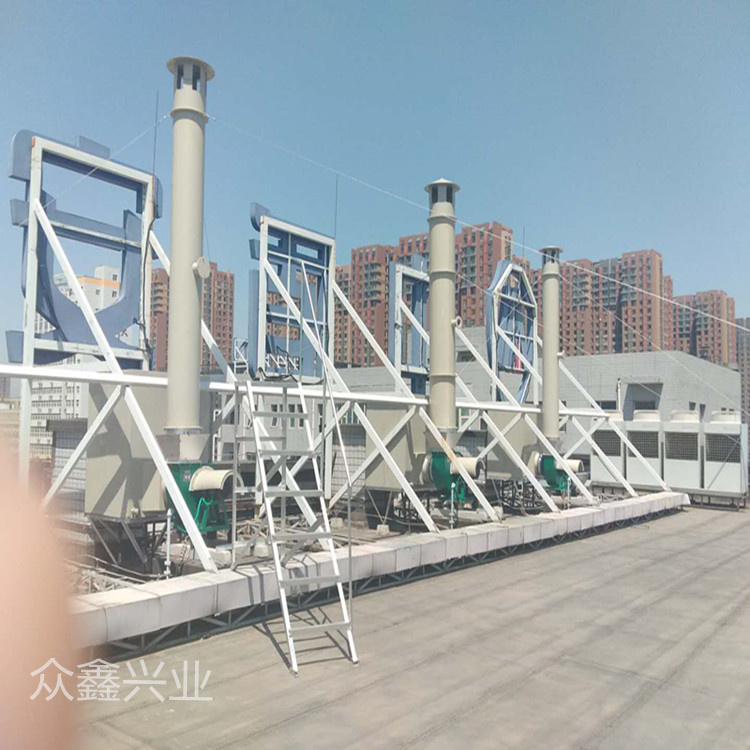
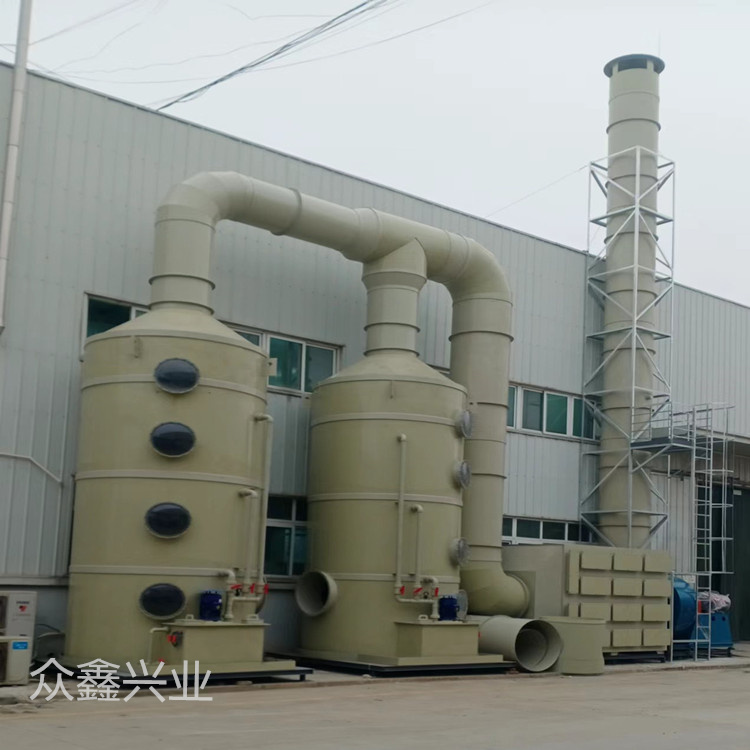
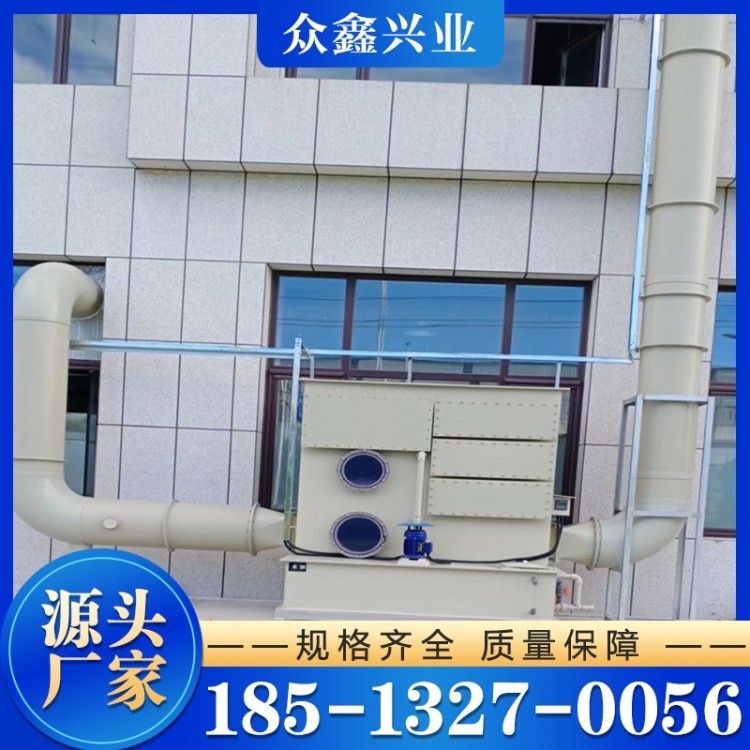
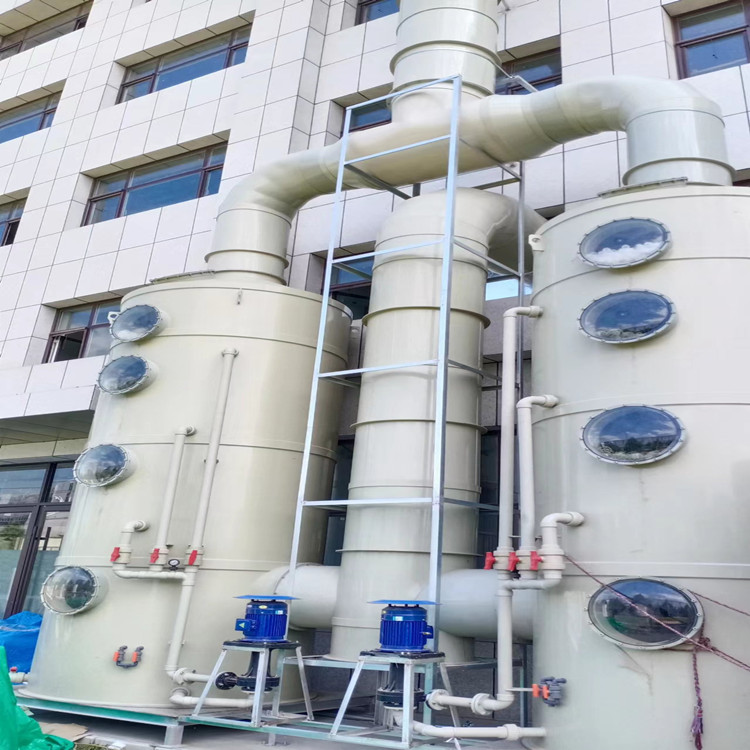
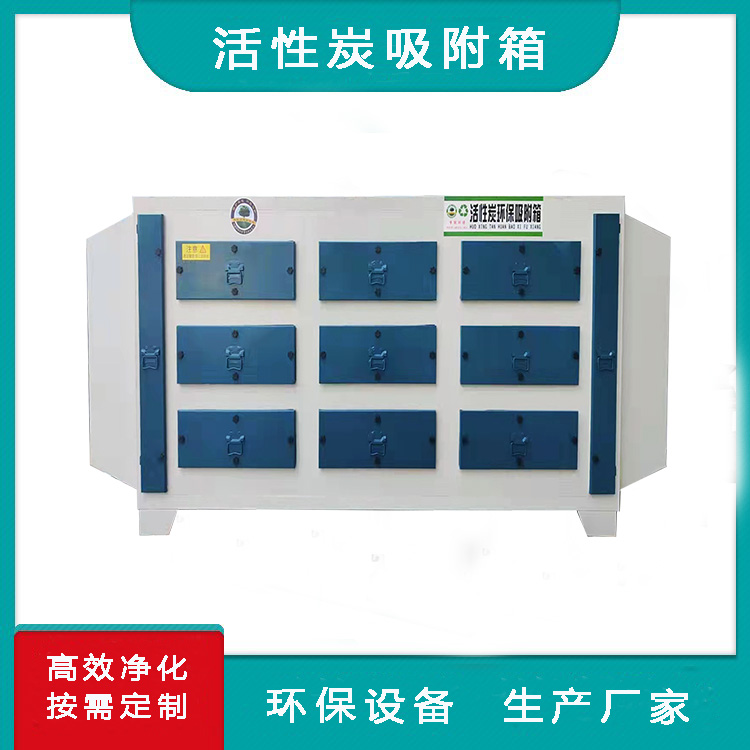
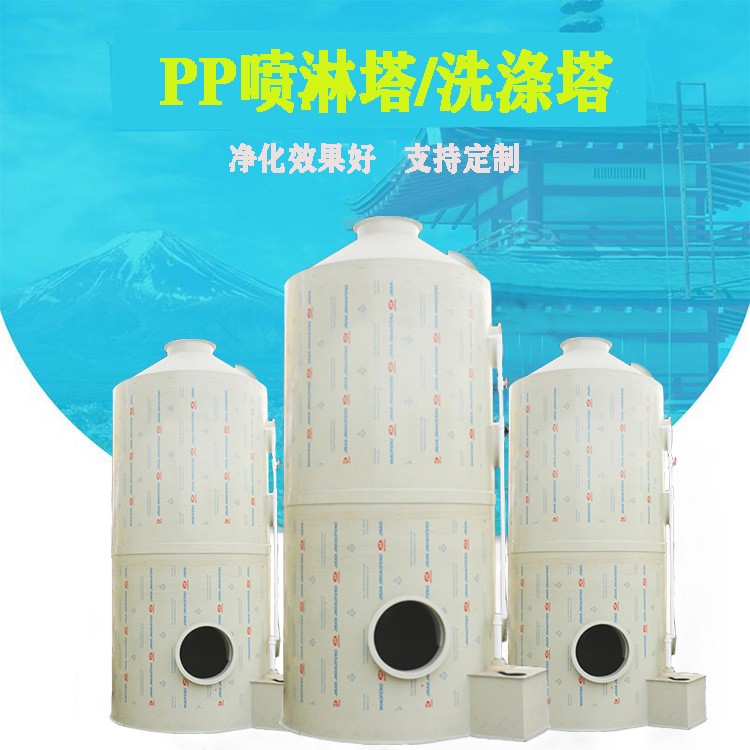
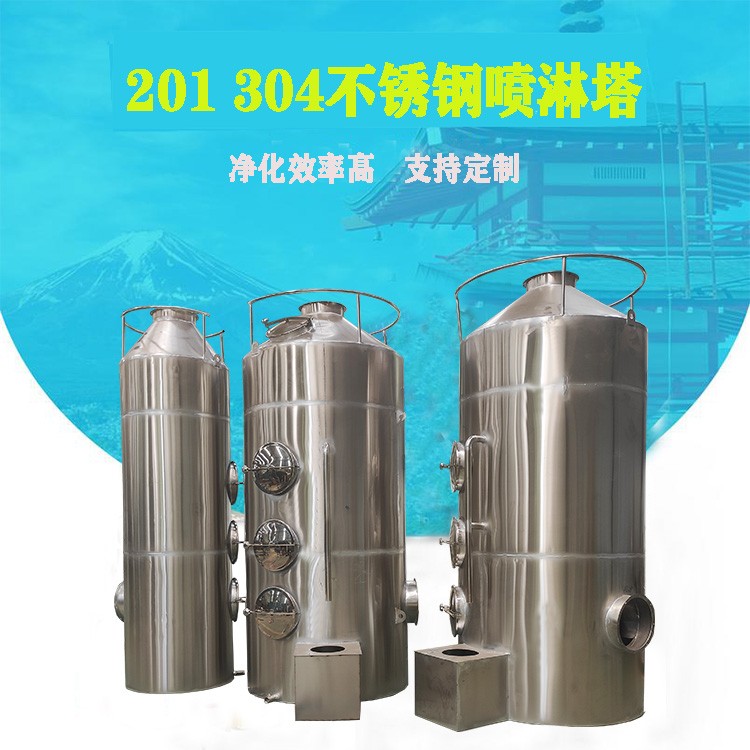
High-efficiency cyclones are available in different models based on the size of the painting area. The water spray of the cyclone provides excellent purification for paint mist and particulate matter, allowing the mist to dissolve in water. It is also the most commonly used method for mist treatment. The principle involves spraying water onto exhaust gases, where water-soluble substances or large particles settle, achieving the separation of pollutants from clean gases. The pumpless water curtain spray booth utilizes this method for exhaust treatment. As workers spray paint against the water curtain, the air containing paint mist collides with the curtain, passes through it into the air-water channel, and undergoes a strong mixture with the water in the channel. Upon entering the gas collection box, the flow rate suddenly drops, separating the gas and water. The air passes through water baffles and is then drawn into the activated carbon adsorption unit by the fan. The separated water collects in the gas collection box and flows into the overflow channel, where it overflows onto the weir plate to form a water curtain, returning to the water tank. During this process, the paint mist solidifies into lumps, thereby adsorbing and removing paint particles.