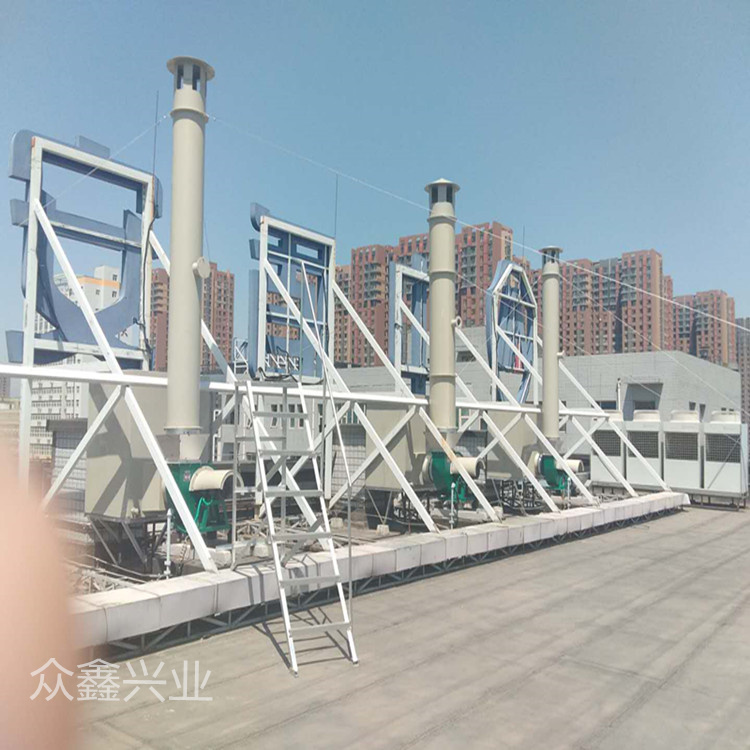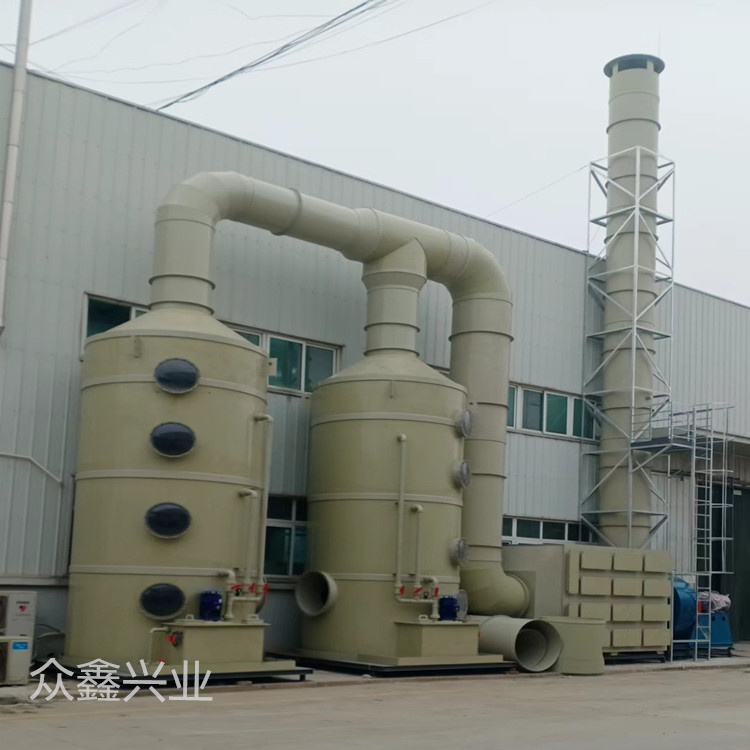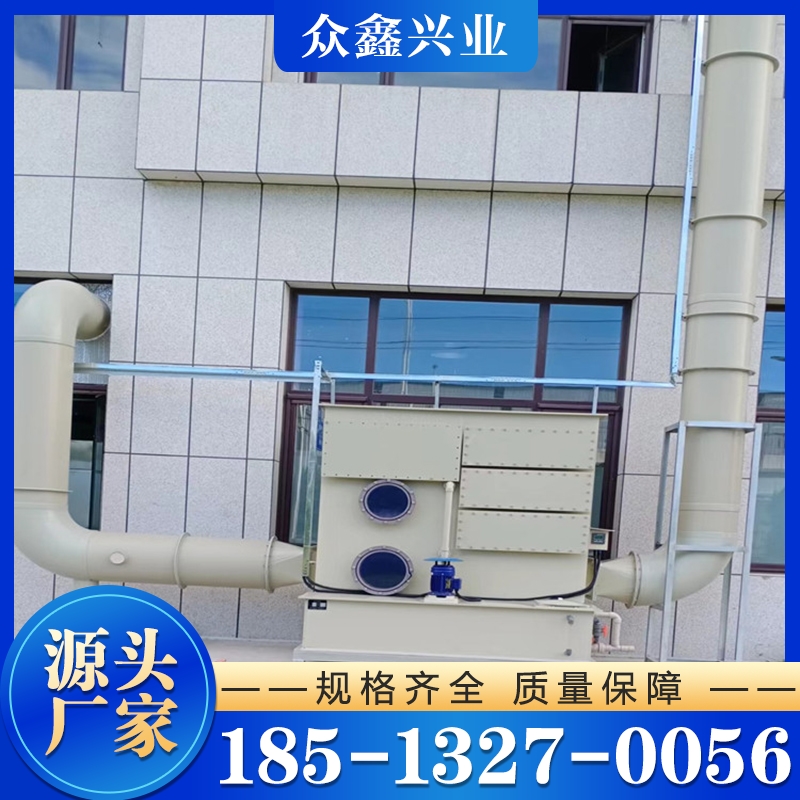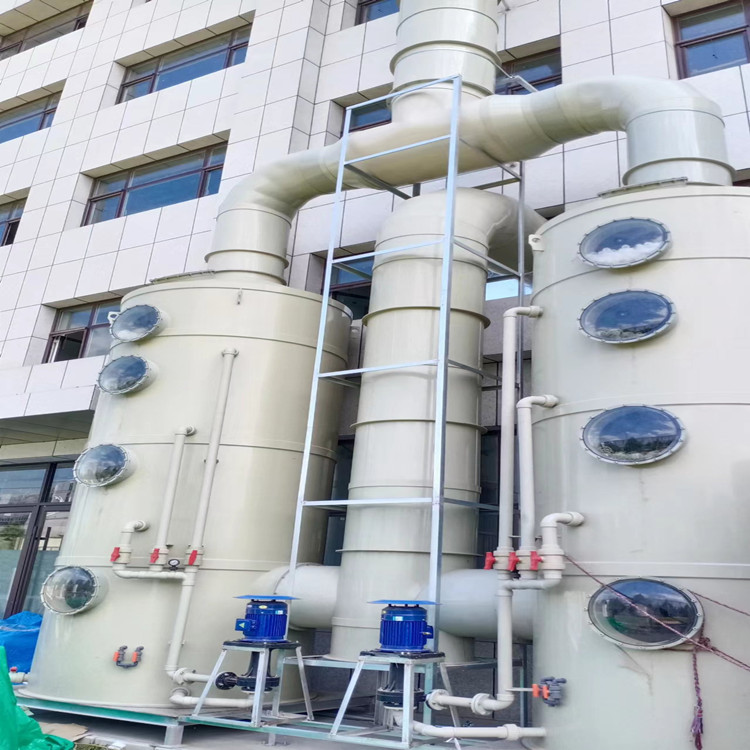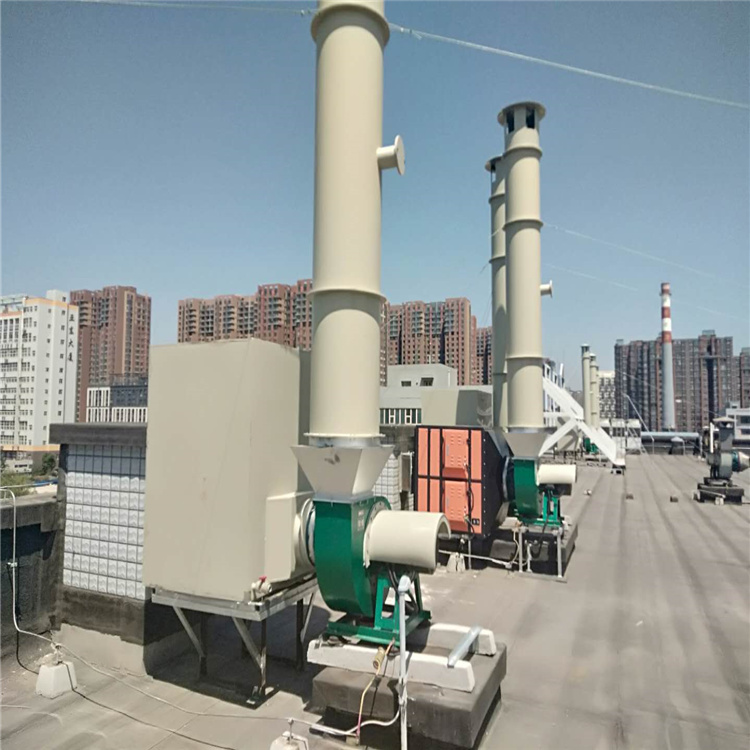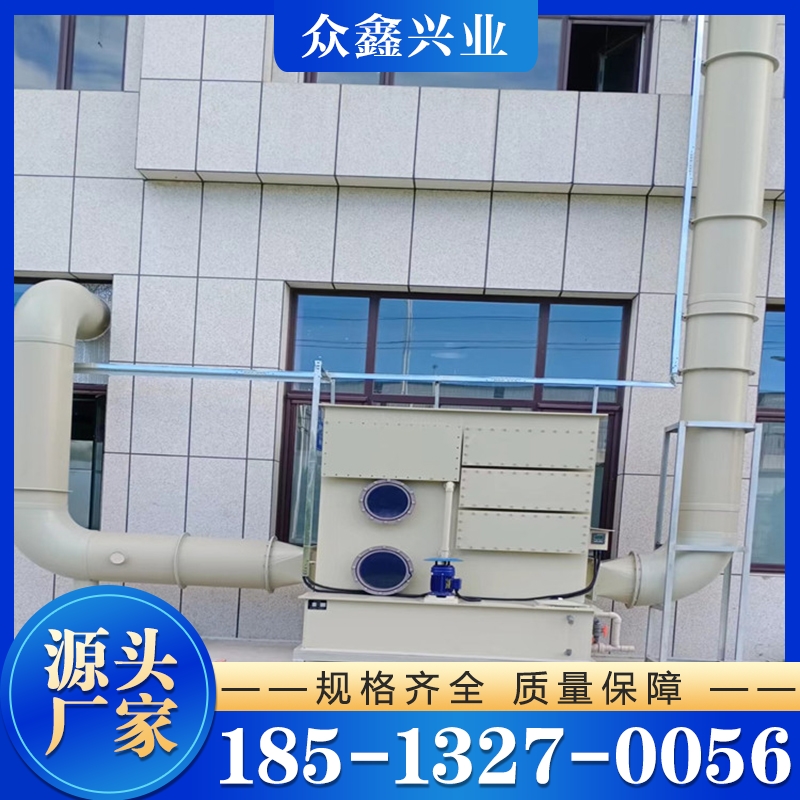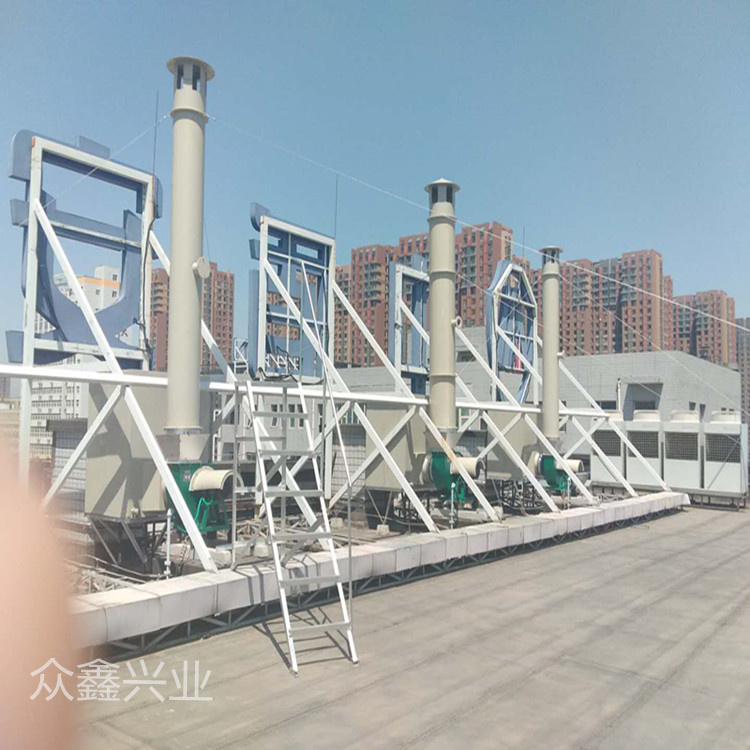
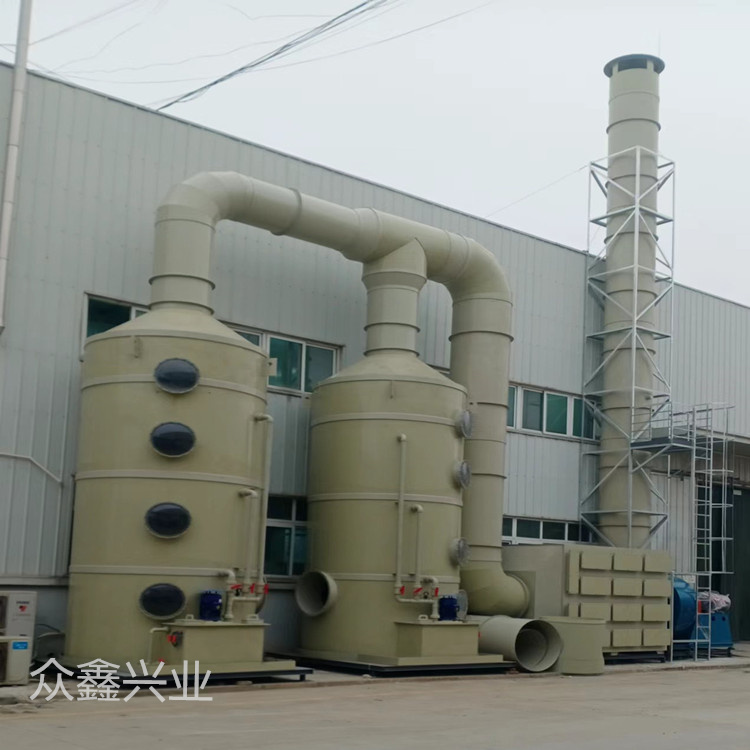
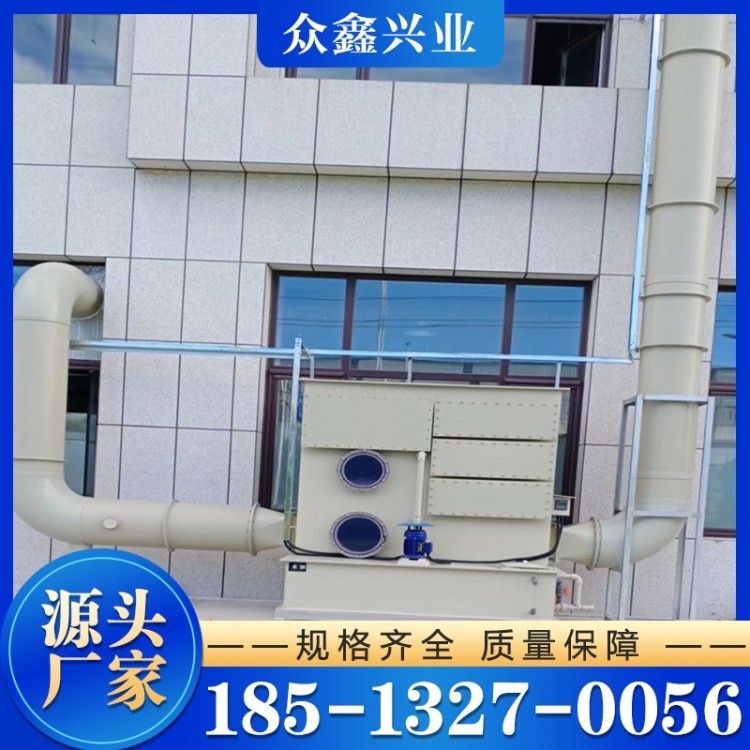
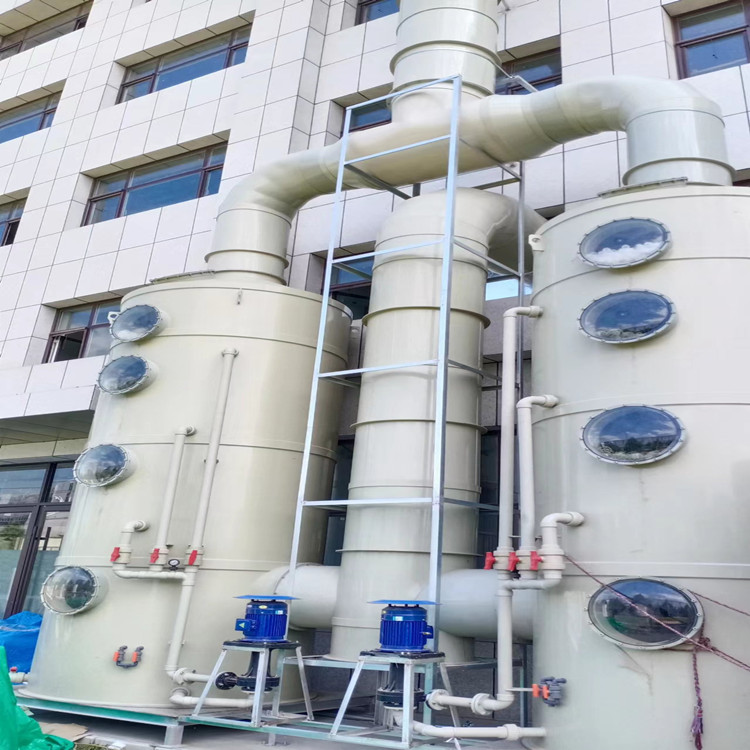
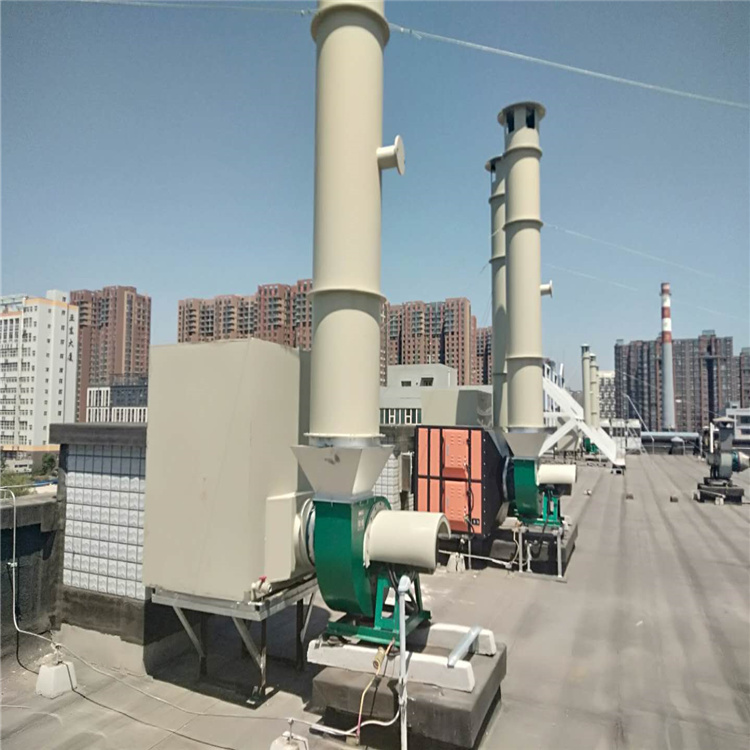






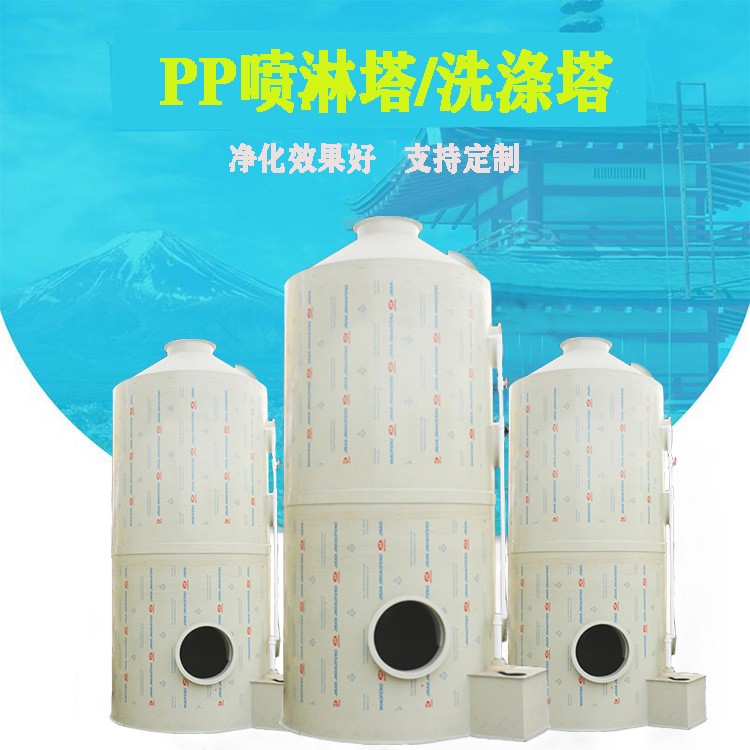
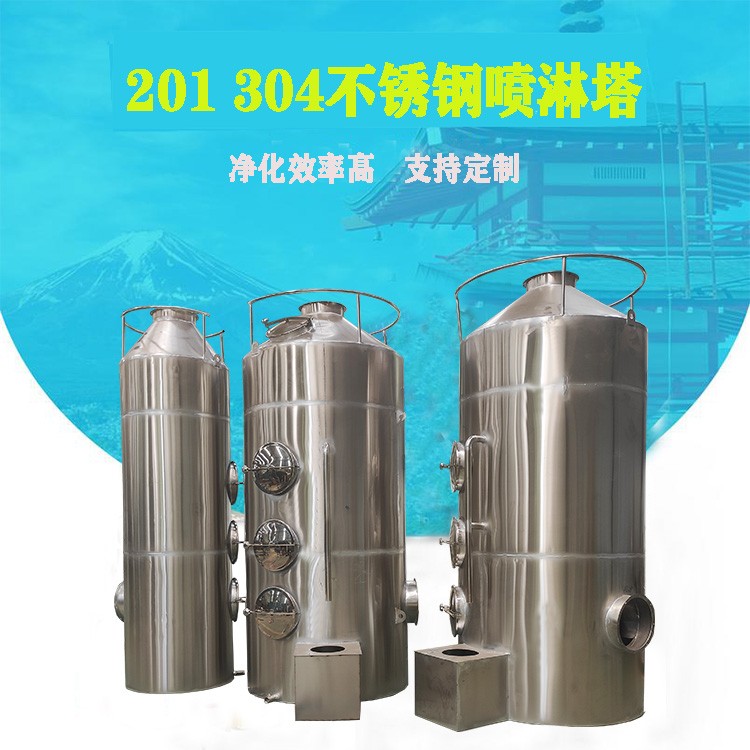


The Cyclone Tower, under the action of centrifugal force, allows the dusty gas to move in a horizontal centripetal motion, resulting in a longer residence time and enhanced washing effect. This thoroughly improves the technical deficiencies of the spray tower, such as incomplete dust removal under certain specific conditions and the tendency of the water spray tower to clog.
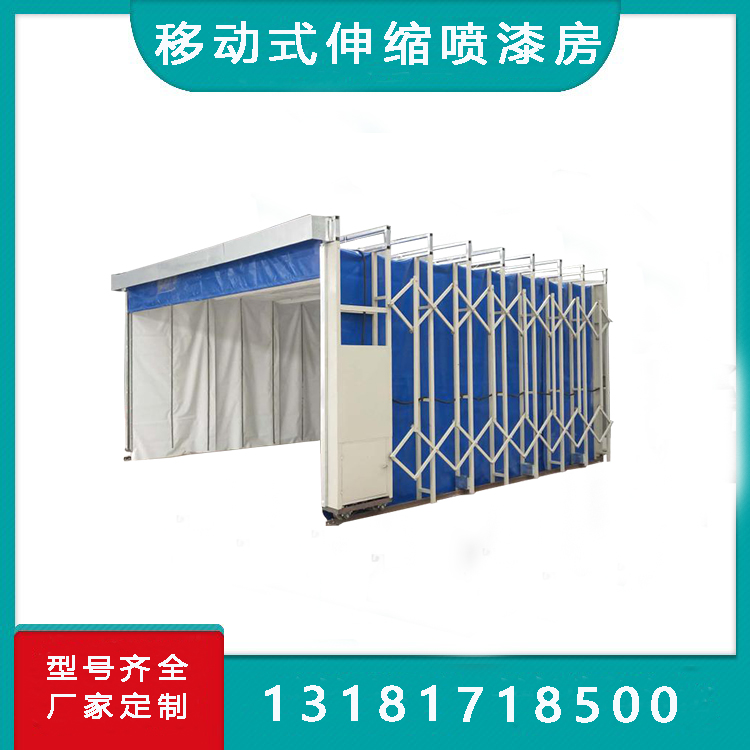
The cyclone spray paint cabinet utilizes fluid mechanics technology to prevent clogging of the pump and nozzle, significantly enhancing production efficiency. The water in the pool can be recycled, avoiding the hassle of secondary pollution and conserving water resources. Inside the cyclone tower, there are several "round swirl buckets" and high-efficiency demisting plates. Solid filling balls are placed inside the swirl buckets, and the upper demisting plates are used to purify water mist, achieving the goal of dehydration. Dusty gases swirl up inside the tower and come into contact with the liquid swirls entering from the top on each plate, completing the dust removal task. Through the force of centrifugal force, large particles in the waste gas settle into the pool, and then are manually removed and cleaned from the casing, thereby purifying the gas and ensuring compliance with emission standards. At the same time, the water in the cyclone tower can continue to be recycled.
Vortex spray painting cabinet panel blades are like fixed windmill blades. As the airflow passes through the blades, it generates rotational and centrifugal motion. The absorbent liquid is evenly distributed to each blade through a blind plate in the middle, forming a thin liquid film. This film creates a rotational and centrifugal effect with the upward airflow, resulting in fine droplets after spraying, which are then flung towards the tower wall. The droplets are collected by gravity into a collection trough and then flow through a downcomer to the blind plate area of the next vortex plate in the waste gas treatment tower. The待 treated air flow with certain wind pressure and velocity enters from the bottom and exits from the top of the tower; the absorbent liquid enters from the top and exits from the bottom of the aerodynamic vortex tower. As the airflow and absorbent liquid move relatively within the tower, a large surface area of water film is formed at the structural parts of the vortex tower plates, significantly enhancing the absorption efficiency. The absorbent liquid in each layer is dropped into the collecting trough at the edge due to the vortex centrifugal action, then enters the next layer tower plate through a conduit for absorption in the subsequent layer.