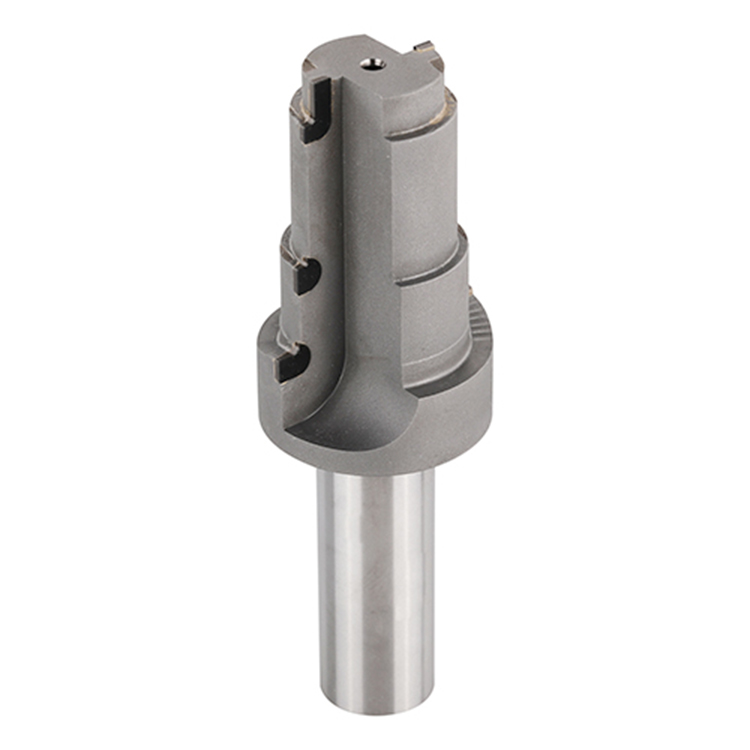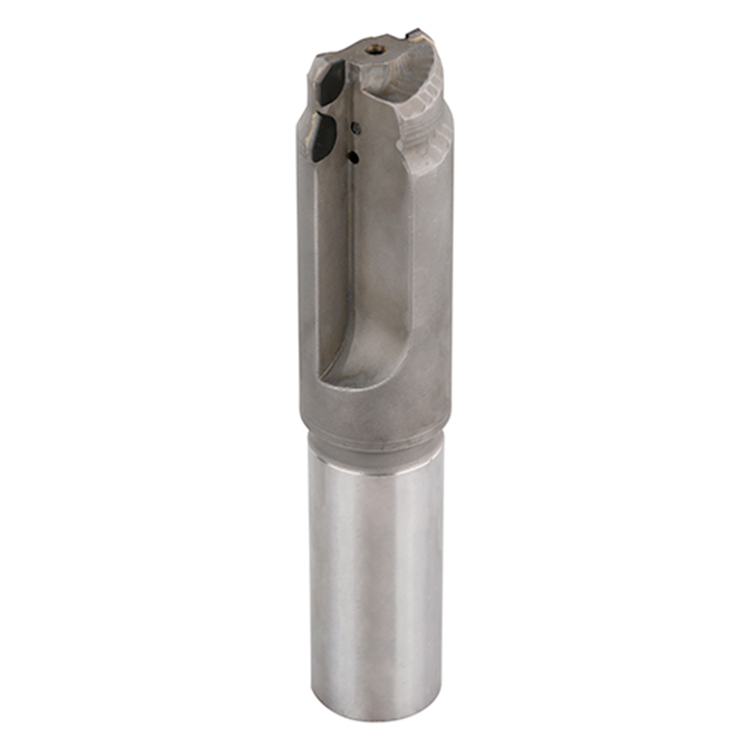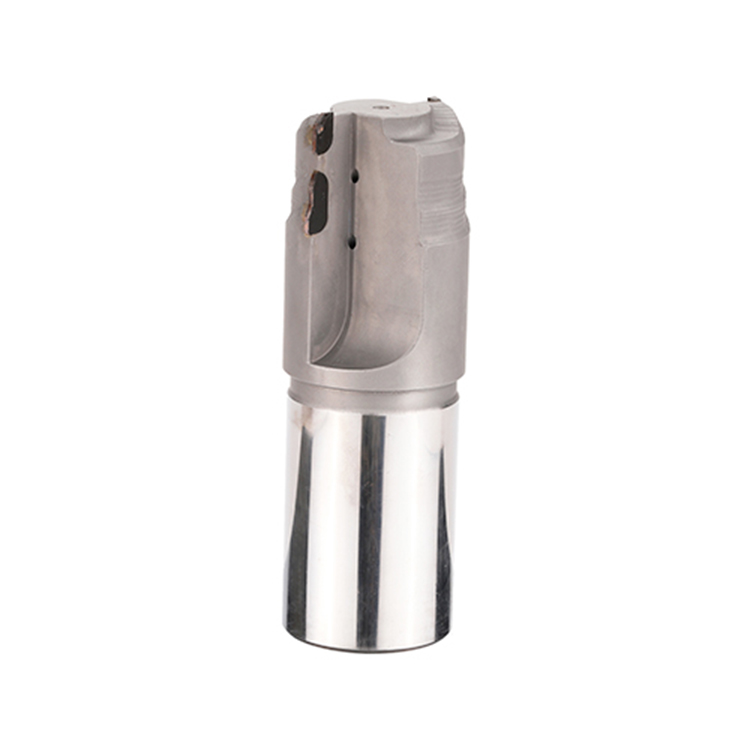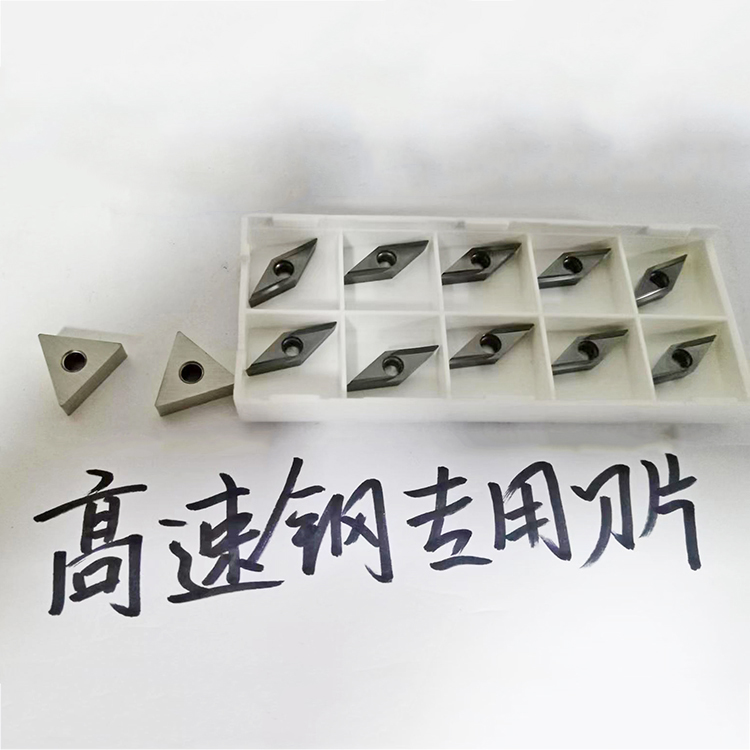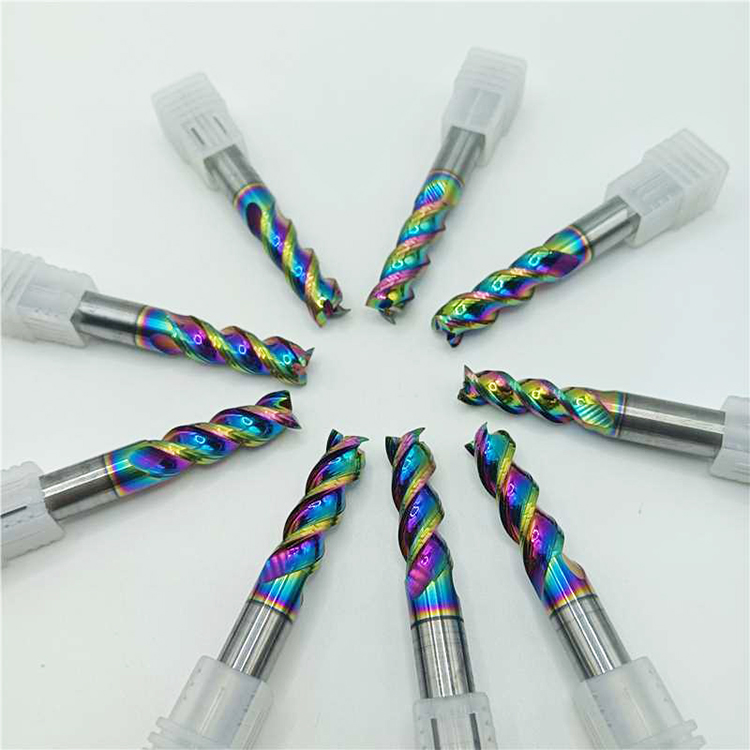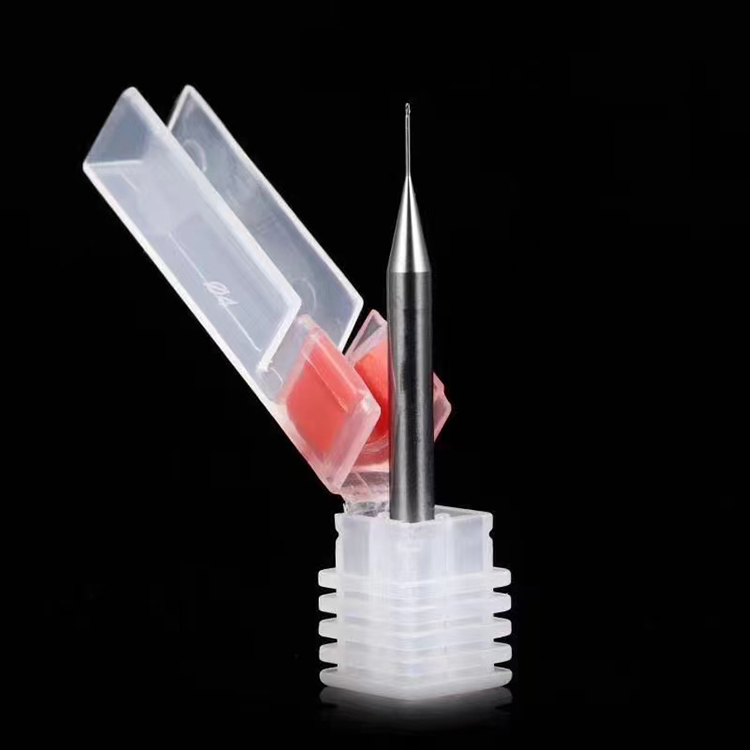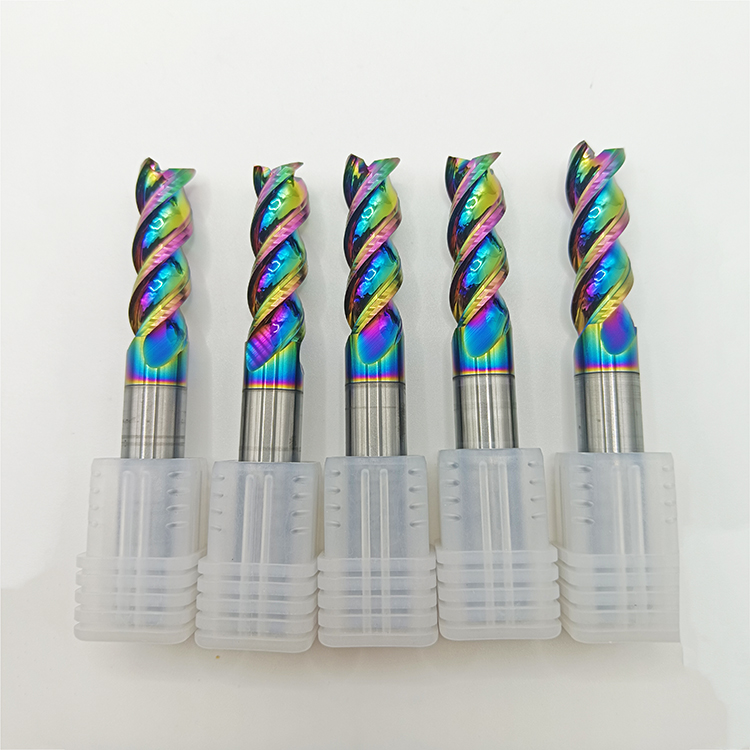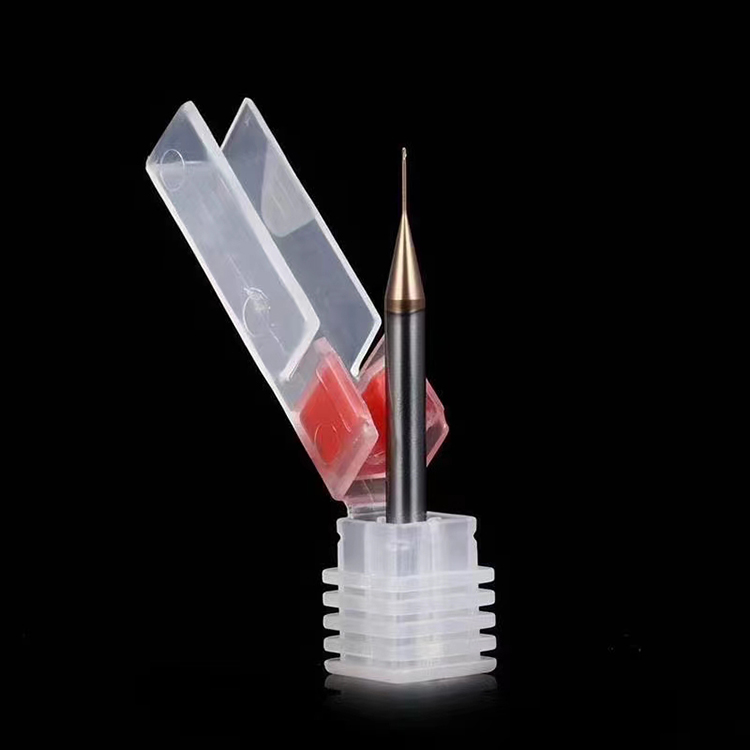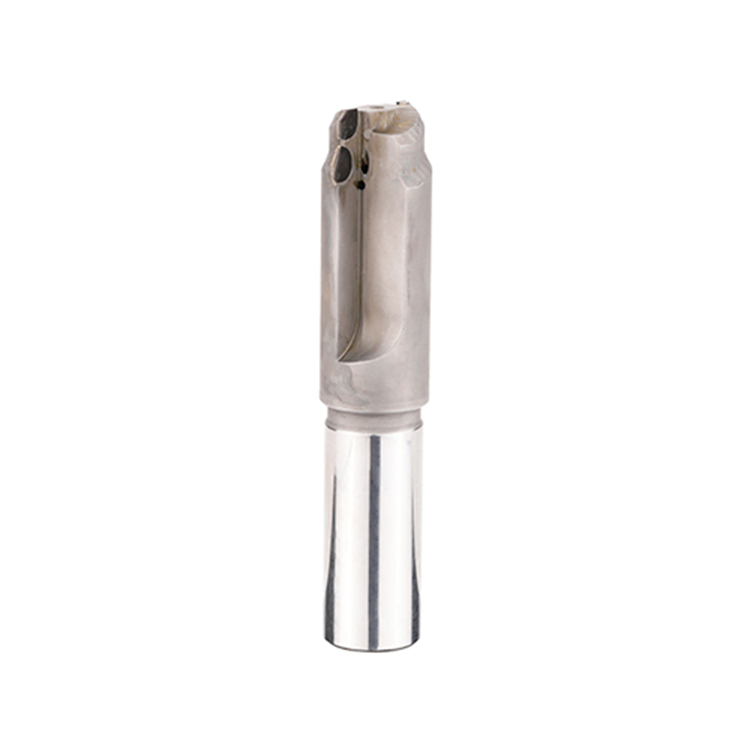
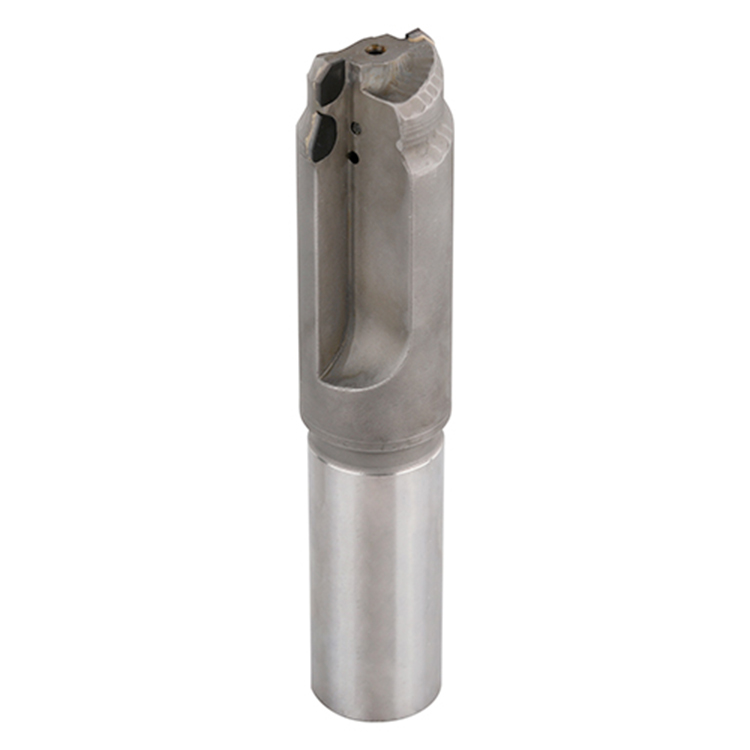









CNC Tool Recovery Company. Resource Conservation. Serving the Mold Industry. Hardware Manufacturers. Individuals, etc., extensively recycle idle CNC tools. It's a waste to discard unused hardware tools, as our company recycles them for mutual benefit. Due to cash payment, direct settlement, adherence to credit, timely on-site service, high prices, strict confidentiality, and other reasons, we have gained the trust and support of a wide range of customers in Shanghai, Suzhou, Kunshan, and other cities, and look forward to creating a future together with our clients. **Business includes high-price recovery of CNC inserts: Hitachi, Sandvik, Sankyo, Dajie, Sandvik Coromant, Sumitomo, Kyocera, Tungaloy, Kilo, etc.** Including imported milling cutters: Hitachi, Yosan, JJ, LINGS, Taiwan-made milling cutters, Double Fish, UKK, Siemens, SAP, and all other recyclable CNC tools. I am a professional buyer, handling a variety of goods. Cooperation is pleasant. Cash payment available. Our company can directly pick up large quantities in Kunshan, Shanghai, and Suzhou.
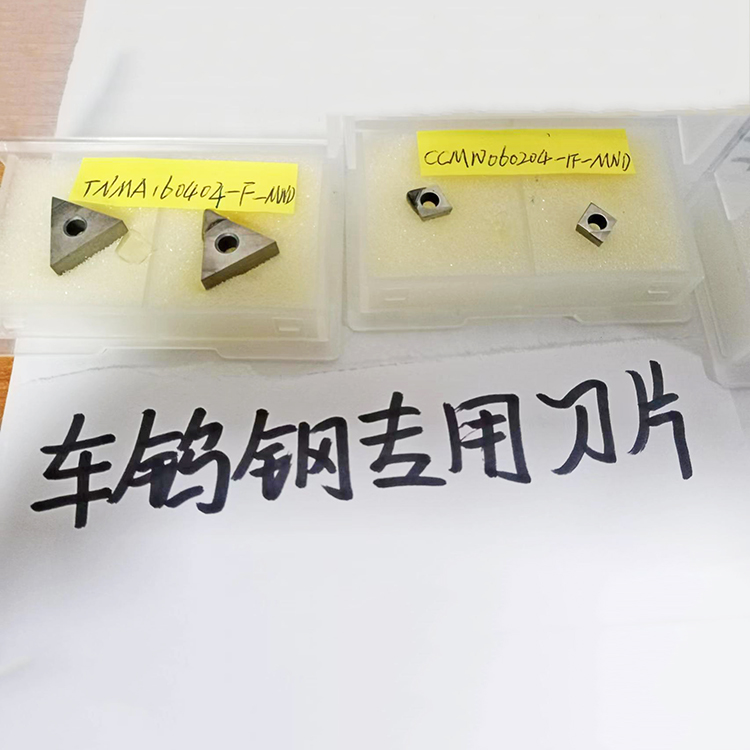
Numerical control (NC) inserts typically feature a series of letters and numbers that denote their model. It's quite simple for those in the field to understand the meanings of these letters and numbers, but for the average person, it can be quite challenging. In reality, one only needs to grasp the basic meanings of certain numbers and letters, such as the letter indicating the blade shape, etc. The models of NC tools can be categorized into three types: material being cut, tool structure, and cutting process. This article will briefly introduce how to identify NC tool models and their types. Let's take a look! 1. How to Read NC Tool Specifications Inserts are divided into metric (ISO) and inch (ANSI) types, primarily differing in the middle digits, with different tools having various representation methods.
Each letter and number holds a specific meaning: 1. The letter in the first position represents the blade shape, which is the same for both metric and imperial systems. H: Hexagonal, 120°; O: Octagonal, 135°; P: Pentagonal, 108°; S: Square, 90°; T: Triangular, 60°; C: Rhombic, 80°; D: Rhombic, 55°; E: Rhombic, 75°; F: Rhombic, 50°; M: Rhombic, 86°; V: Rhombic, 35°; W: Hexagonal, 80°; L: Rectangle, 90°; A: Parallelogram, 85° apex; B: Parallelogram, 82° apex; K: Parallelogram, 55° apex; R: Round. 2. The letter in the second position represents the blade's back angle, which is the same for both metric and imperial systems. A: 3°; B: 5°; C: 7°; D: 15°; E: 20°; F: 25°; G: 30°; N: 0°; P: 11°. 3. The letter in the third position represents the blade tolerance, which is the same for both metric and imperial systems and varies with the blade size. 4. The letter in the fourth position represents the hole/breakage slot symbol, with many types. For simplicity, two common ones are mentioned: general outside diameter knives are G (holed, double-sided with breakage slots), and boring tools are mostly T (holed, single countersunk hole, single-sided with breakage slots). 5. The number in the fifth position represents the ISO cutting edge length, while ANSI represents the inscribed diameter. 6. The number in the sixth position represents the thickness, with ISO in mm and ANSI in inches. 7. The number in the seventh position represents the tip angle, with ISO in mm and ANSI in inches. 8. The two letters represent arbitrary symbols, such as main cutting edge symbol, breakage slot symbol, etc. In addition, there may be further suffixes of numbers and letters, such as VP15TF, which represents the tool material. Different brands have different material numbers for their tools.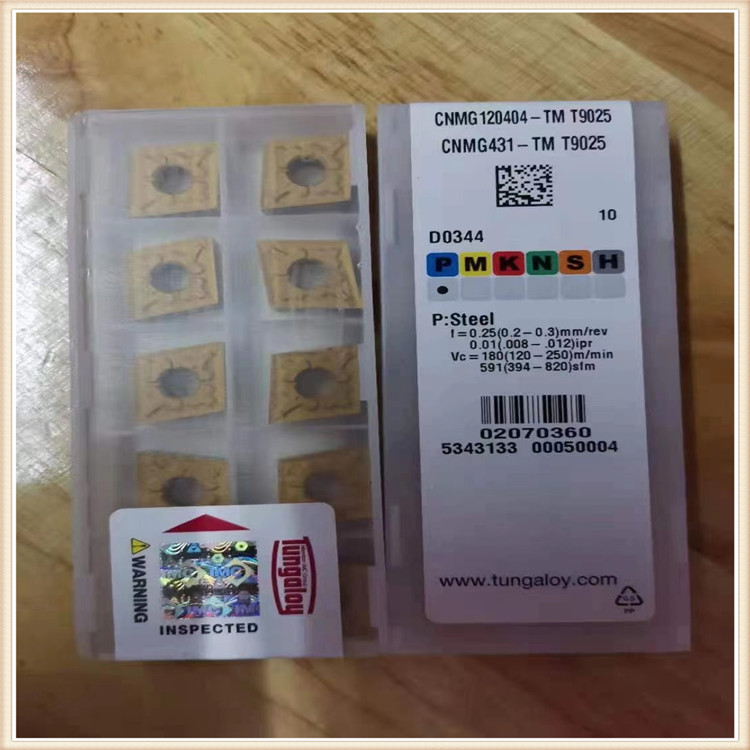

1. High rigidity (especially for rough machining tools), high precision, low vibration and thermal deformation; good interchangeability for quick tool change 2. Long service life, stable and reliable cutting performance 3. Tool dimensions are easily adjustable to minimize tool change setup time 4. Tools should reliably chip or curl chips to facilitate chip removal 5. Series and standardization for ease of programming and tool management