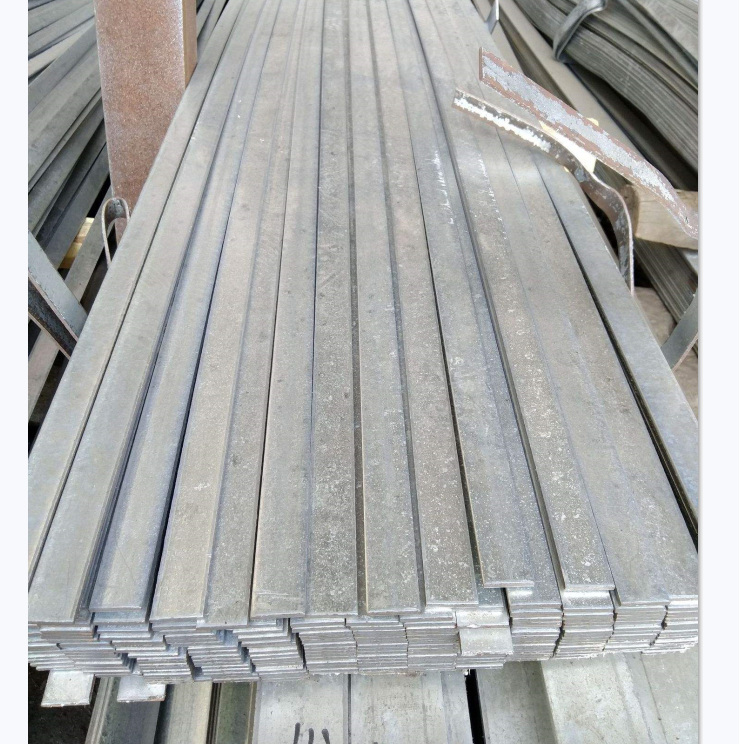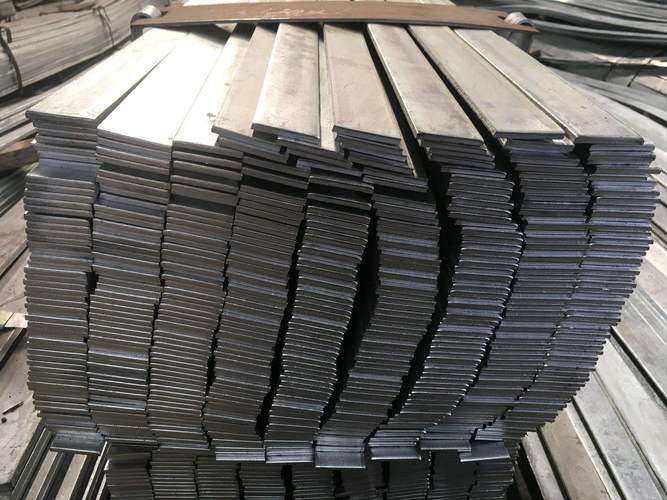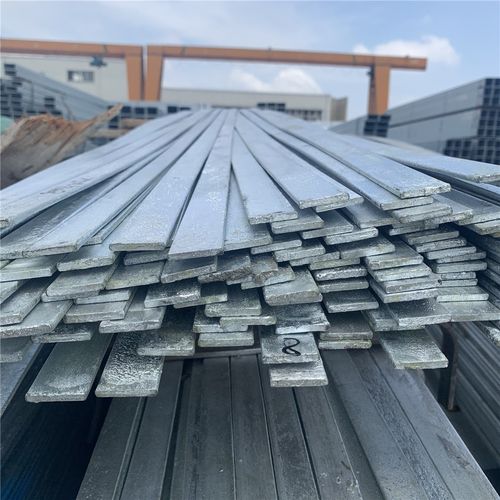











Primary corrosion forms of stainless steel square bars
Uniform Corrosion: Uniform corrosion refers to the phenomenon where the entire metal surface in contact with the corrosive medium undergoes corrosion.
(2) Pitting Corrosion: Pitting corrosion refers to a highly localized corrosion that occurs on the surface of metallic materials, where most of the surface is either unaffected or only slightly corroded. The dimensions of common pits are typically less than 1.00mm, and the depth often exceeds the diameter of the surface pores. Mild cases may have shallow pits, while severe cases can even lead to穿孔.
(3) Crevice Corrosion: Crevice corrosion refers to the formation of pinpoint pits at the gaps in metal structures, which is a type of localized corrosion.
(4) Intergranular Corrosion: Intergranular corrosion is a selective corrosion damage where the corrosion is localized at the microscale, but may not necessarily be localized on a macroscopic scale.
(5) Corrosion: Corrosion is a term used to describe the uniform corrosion that occurs over the entire surface of the alloy.
Common Causes of Rust on Stainless Steel Square Bar
Chemical Corrosion
Surface Contamination: Oil, dust, and acids, alkalis, salts, etc., adhering to the workpiece surface can transform into corrosive agents under certain conditions. They react chemically with certain components in stainless steel parts, leading to chemical corrosion and rust formation.
Surface Scratches: Various scratches can damage the passivation film, reducing the protective ability of stainless steel, making it more prone to reactions with chemical media, leading to chemical corrosion and rust formation.
Cleaning: Improper cleaning after pickling and passivation can lead to residue, causing direct corrosion of stainless steel components (chemical corrosion).
Applications of Stainless Steel Square Bar
(1) Vehicle/Automotive Industry: This is a fast-growing application area for stainless steel square bars.
(2) Water Industry: Stainless steel square bars are the preferred material for water preparation, storage, transportation, purification, recycling, seawater desalination, and other applications in the water industry. Their advantages include: corrosion resistance, earthquake resistance, water-saving, and hygiene (free of rust and copper green discoloration), and lightweight (reduces weight by 1/3).
Low maintenance, long lifespan (up to 40 years), low lifecycle cost (LCC), and recyclable green materials.
(3) Construction Industry: Stainless steel square bars are primarily used for the cladding of high-rise buildings' exterior walls, interior and exterior columns, balustrades, floors, elevator panels, doors and windows, curtain walls, and other decorative elements and components. The surface-treated, colored, and coated stainless steel square steel plates address issues like easy fingerprints after touching, thereby expanding the application scope of stainless steel square bars.
(4) Appliance Industry: In the appliance industry, the large consumers of stainless steel square bars are the automatic washing machine drum, water heater tank, microwave oven inner and outer shells, and refrigerator lining, with ferritic stainless steel square bars predominantly used.