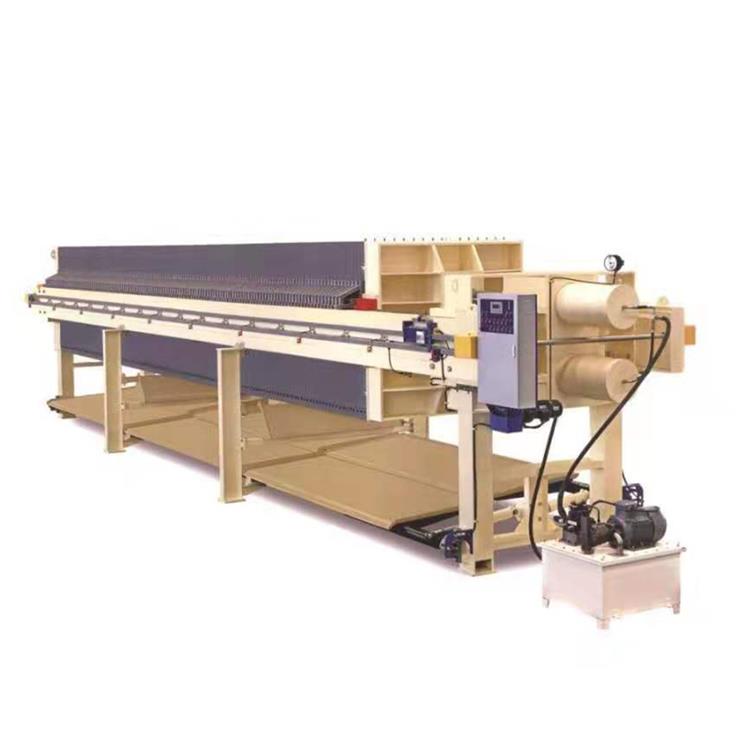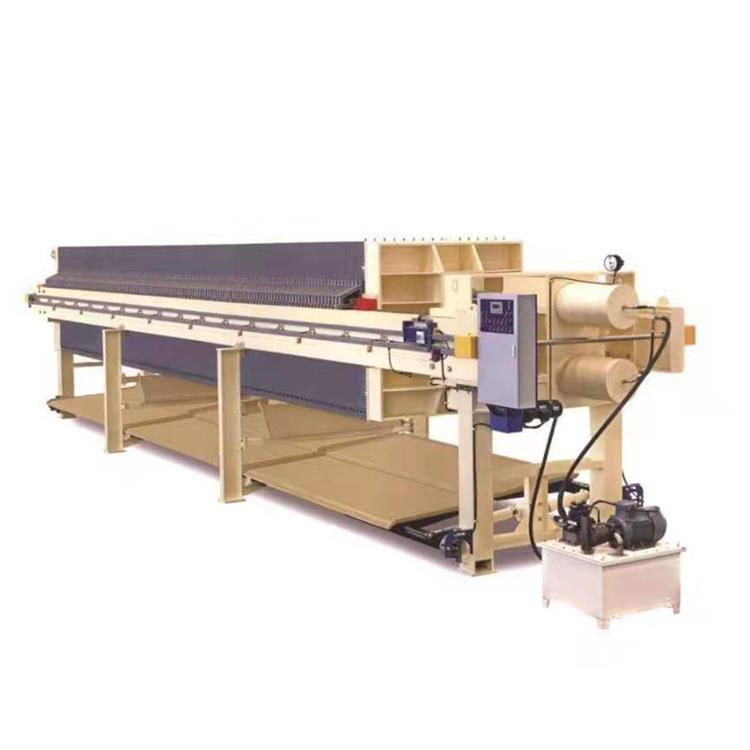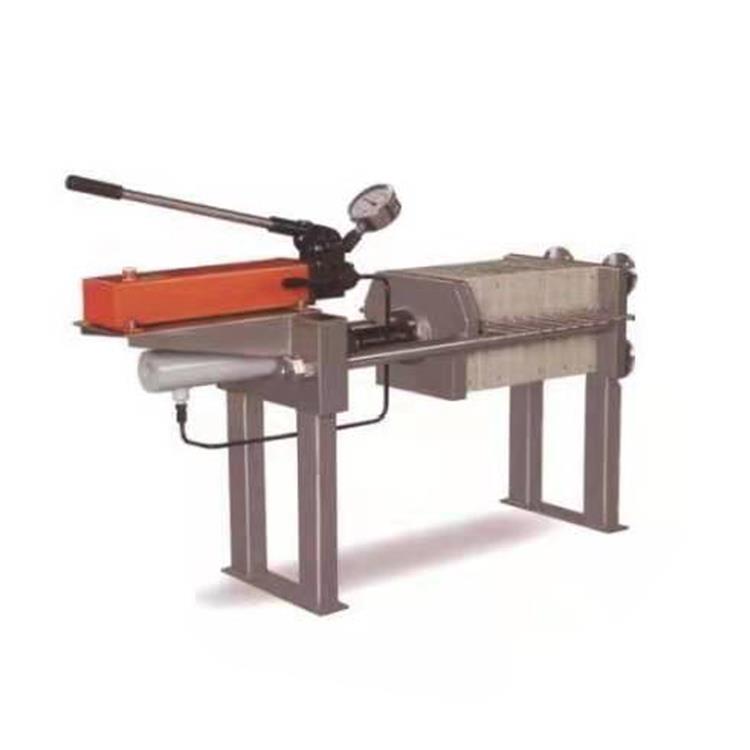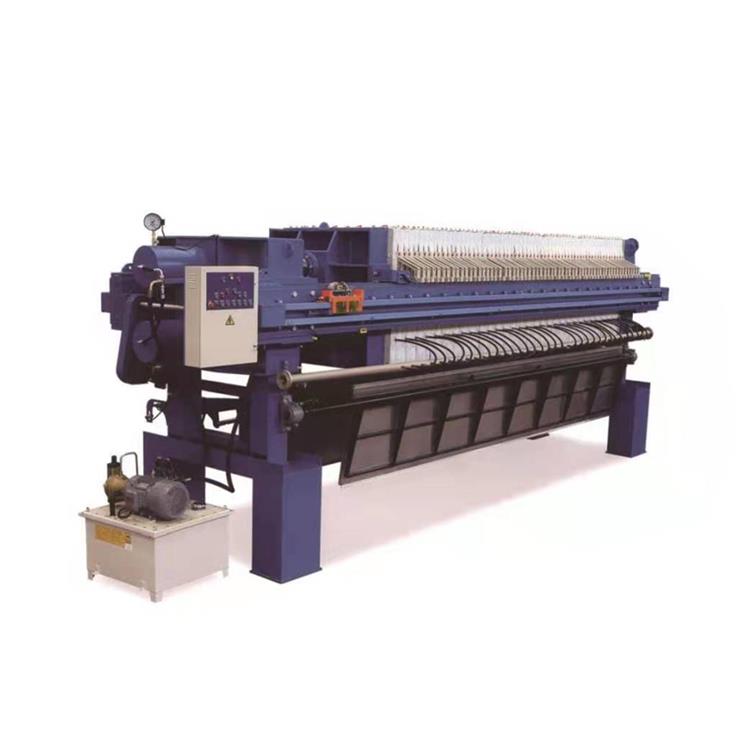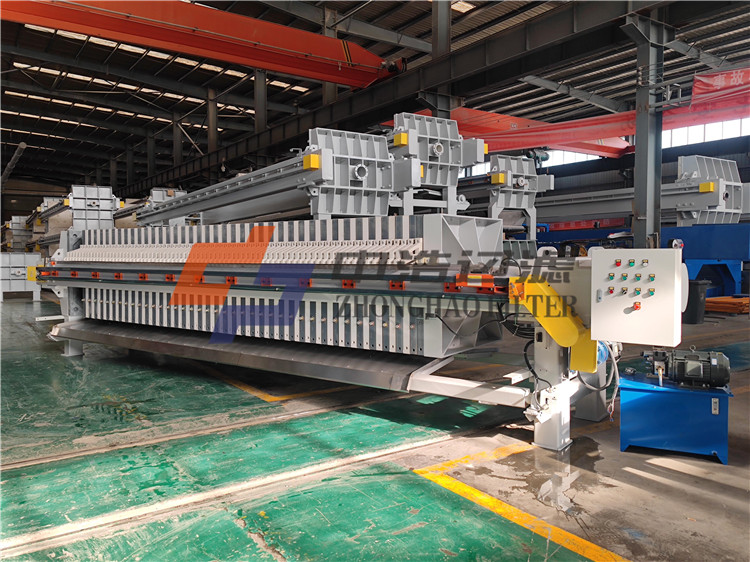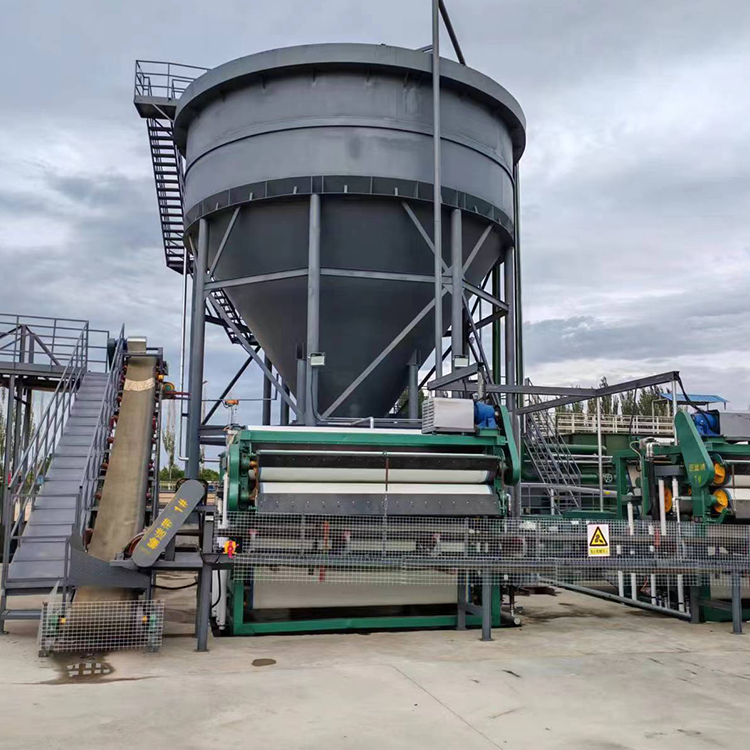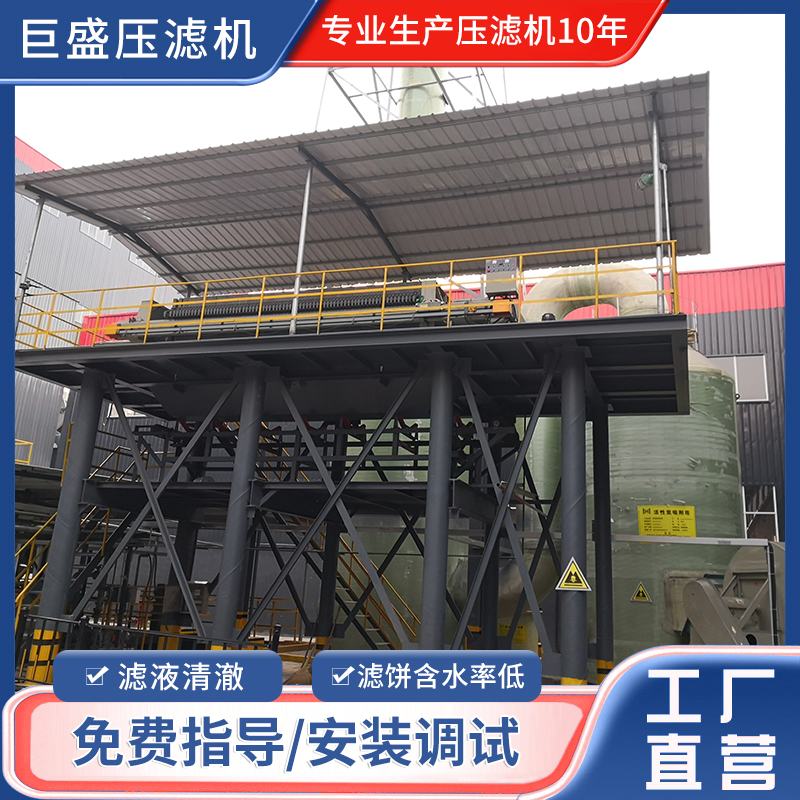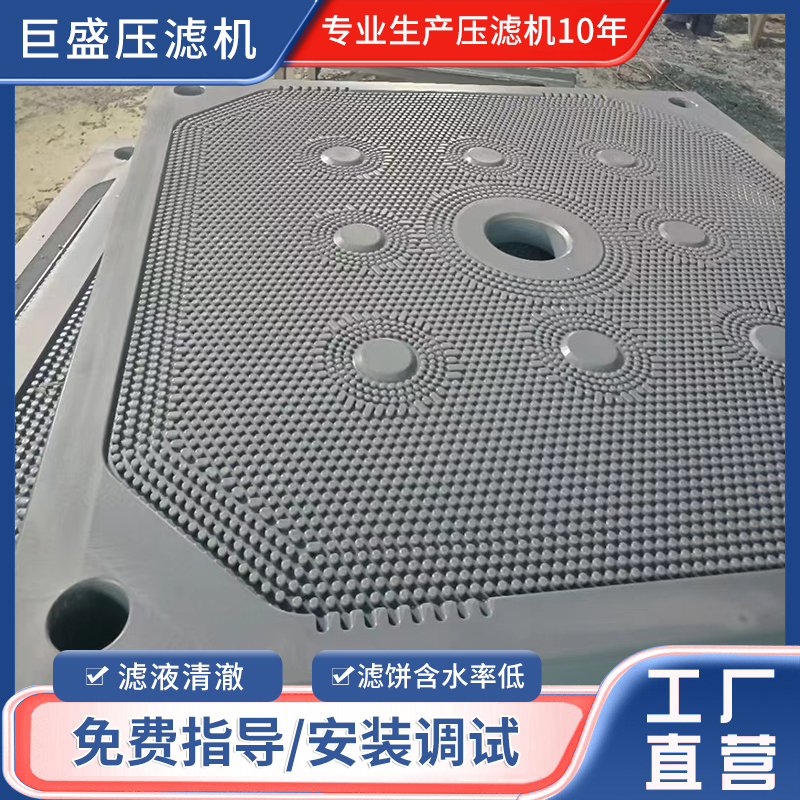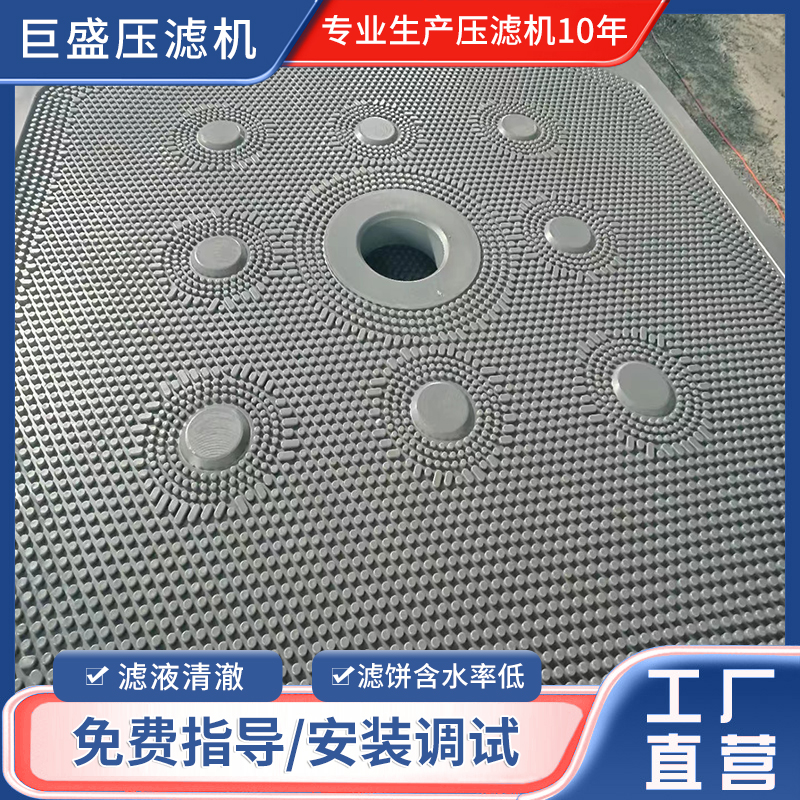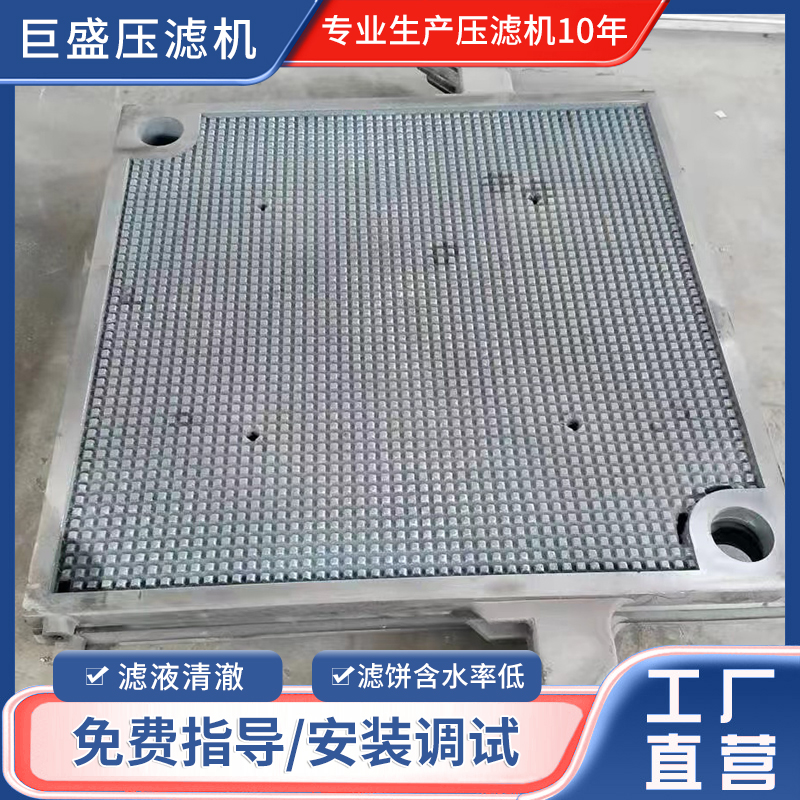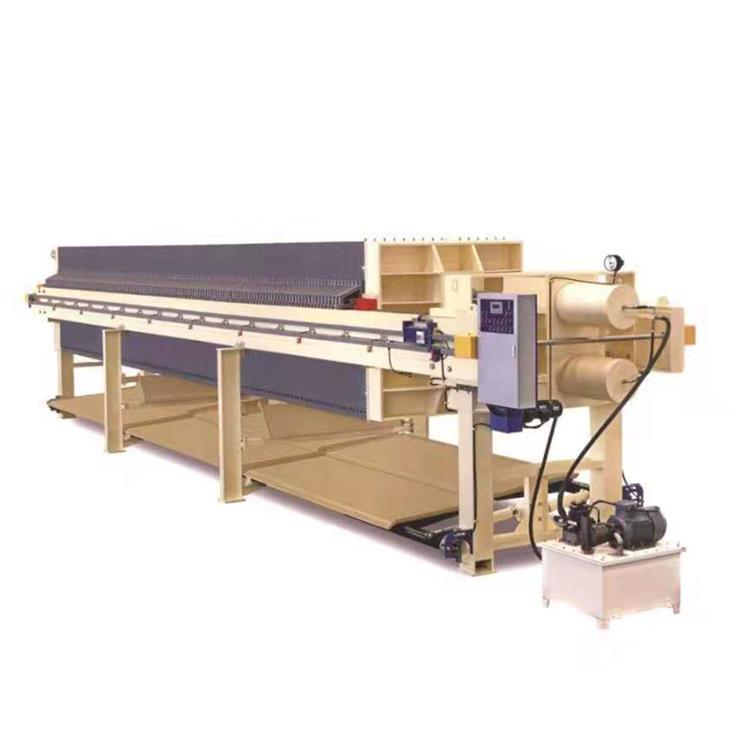

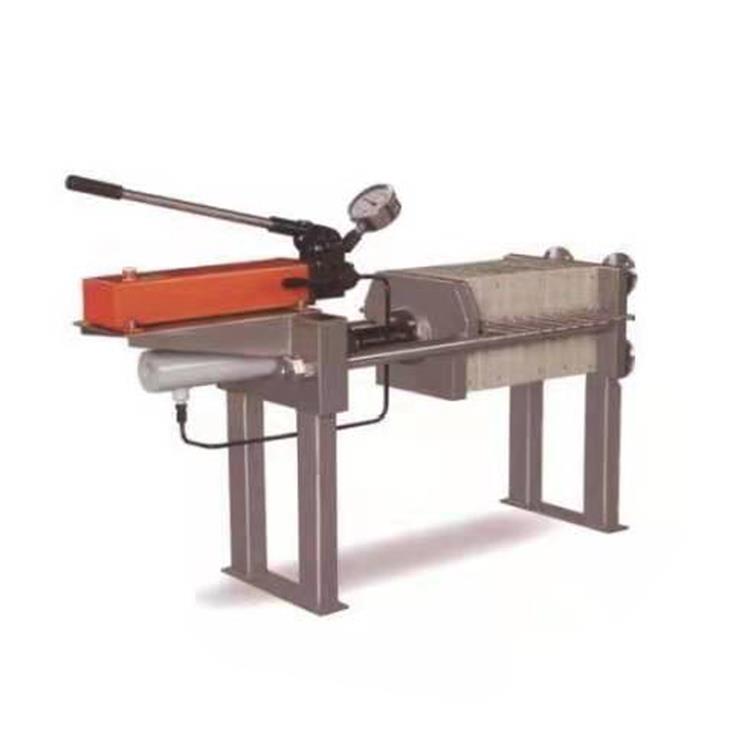
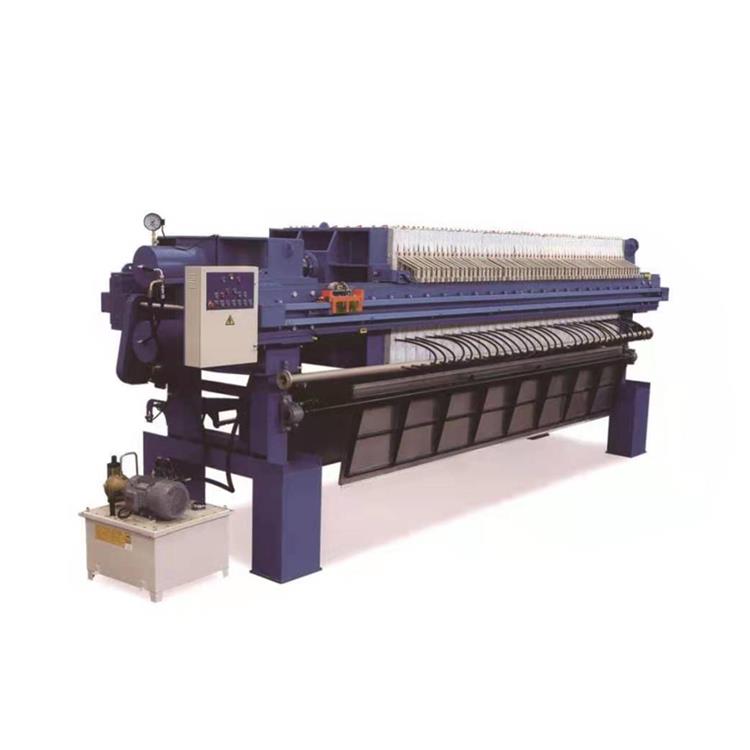


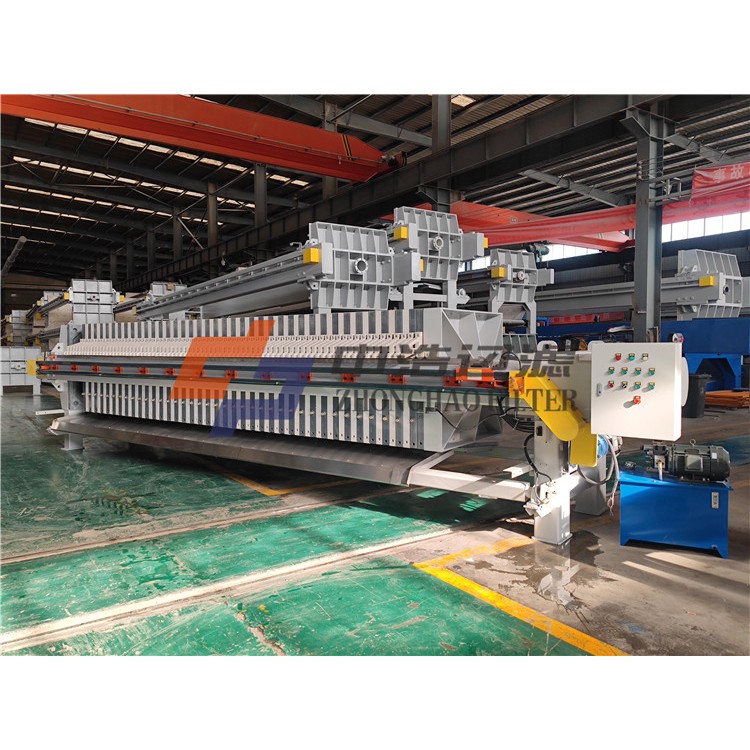
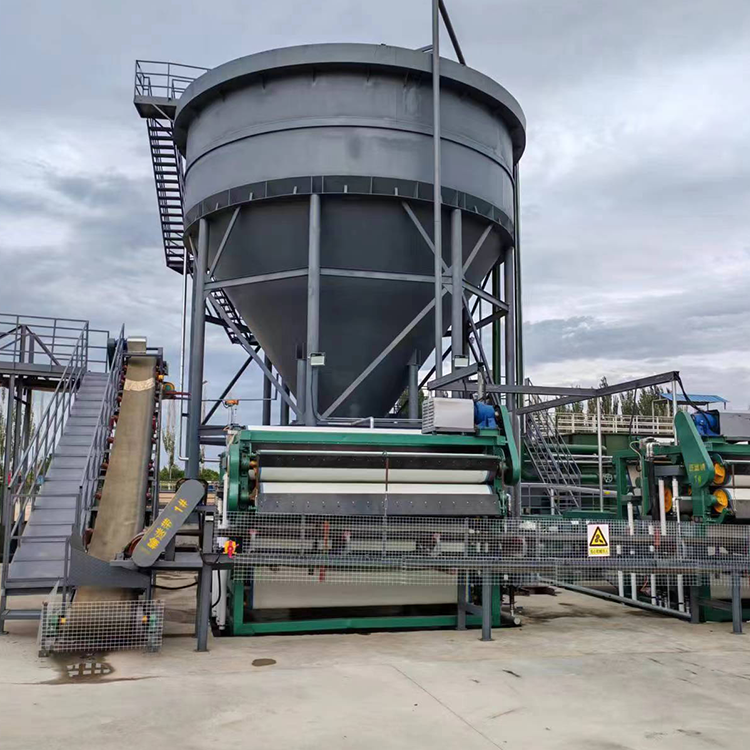







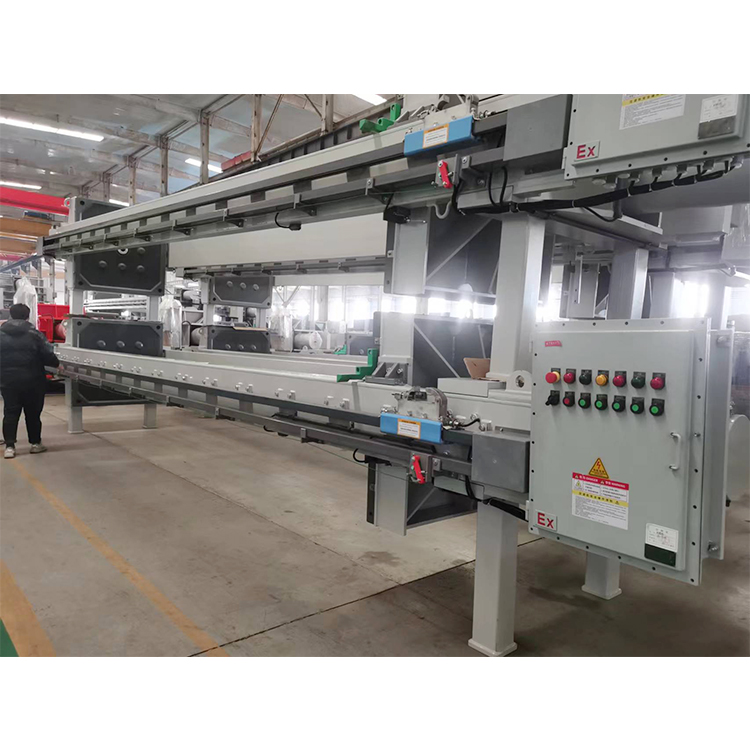
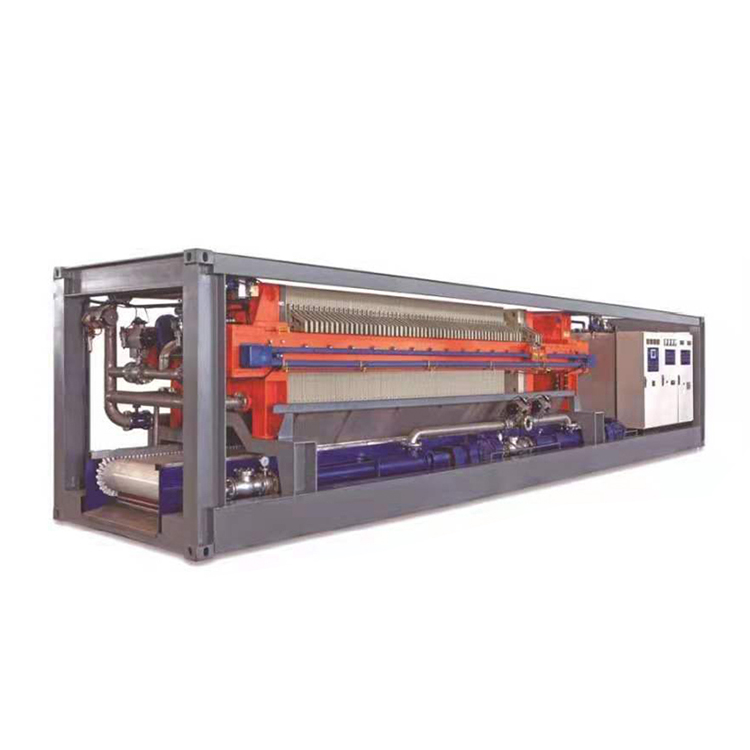
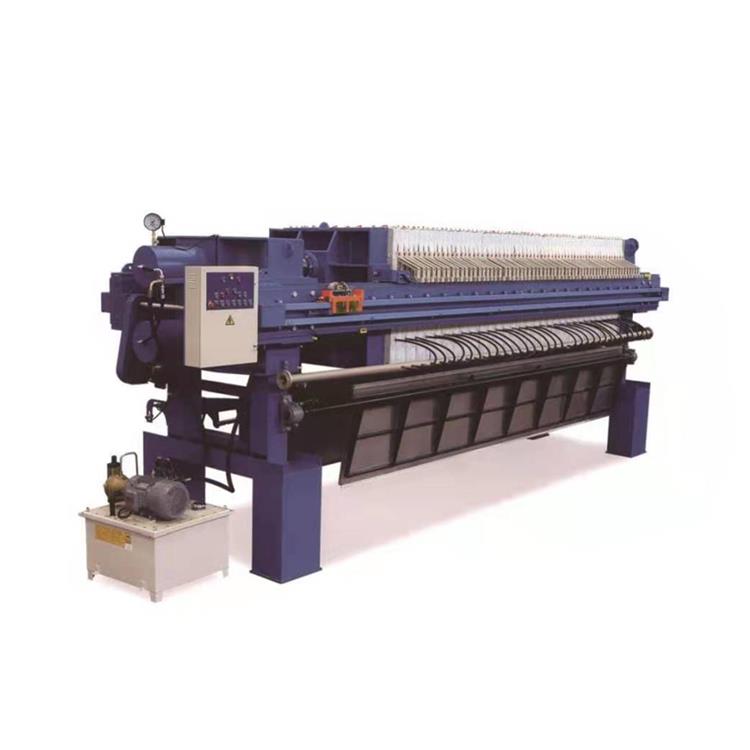
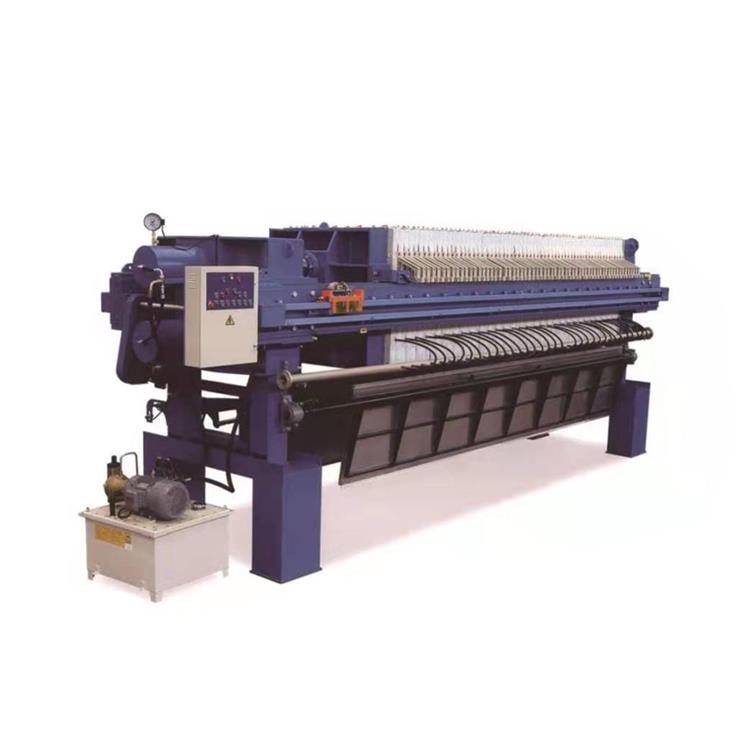
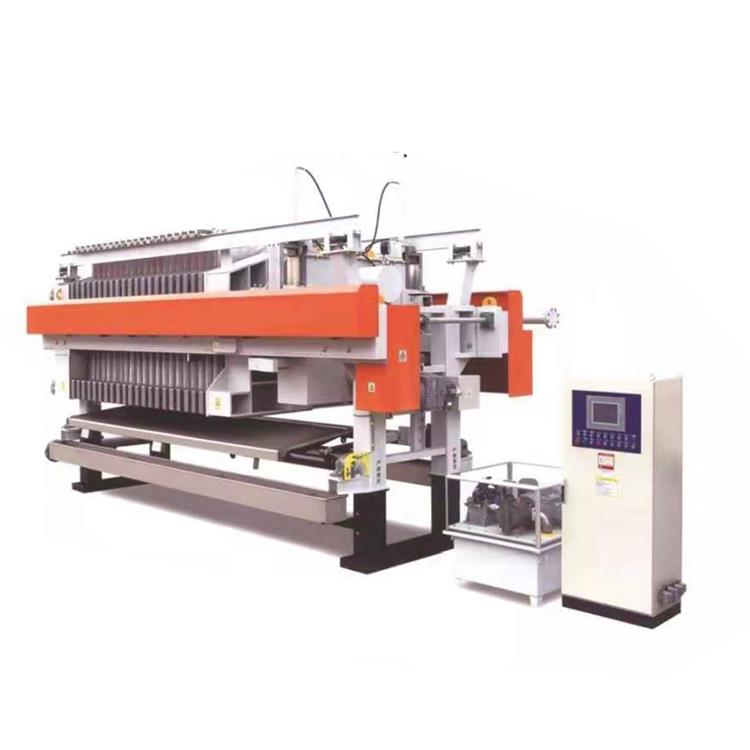
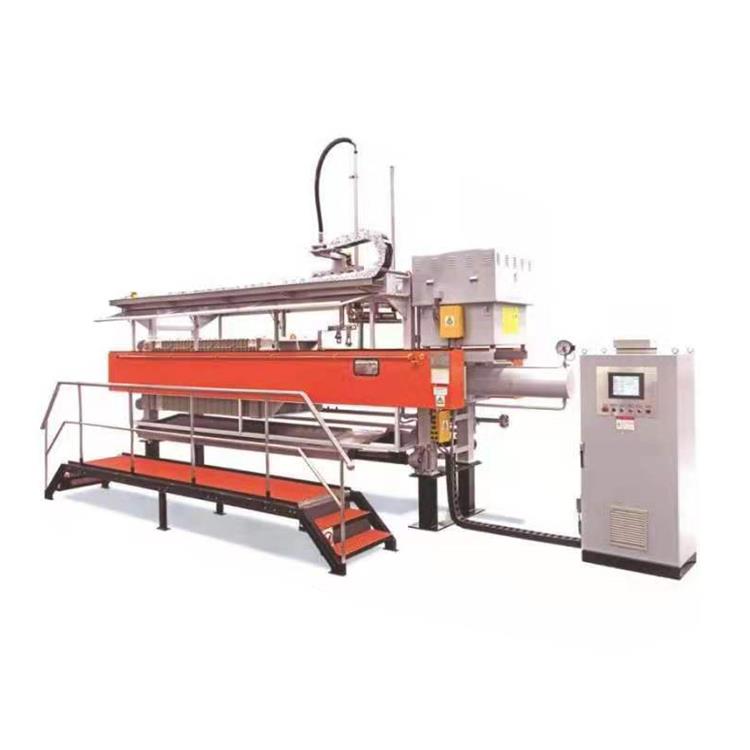
Plate and frame filter presses were initially applied in chemical dehydration. Although they typically operate intermittently, require significant capital investment in infrastructure, and have lower filtration capacity, they are still widely used in some small wastewater treatment plants due to their advantages such as high filtration driving force, high solid content in the filter cake, clear filtrate, and high solid recovery rates.
The sludge, after concentration and digestion, still has a water content of approximately 95% to 97%, and its volume remains large. Dewatering the sludge can further remove interstitial and capillary water, thereby reducing its volume.