



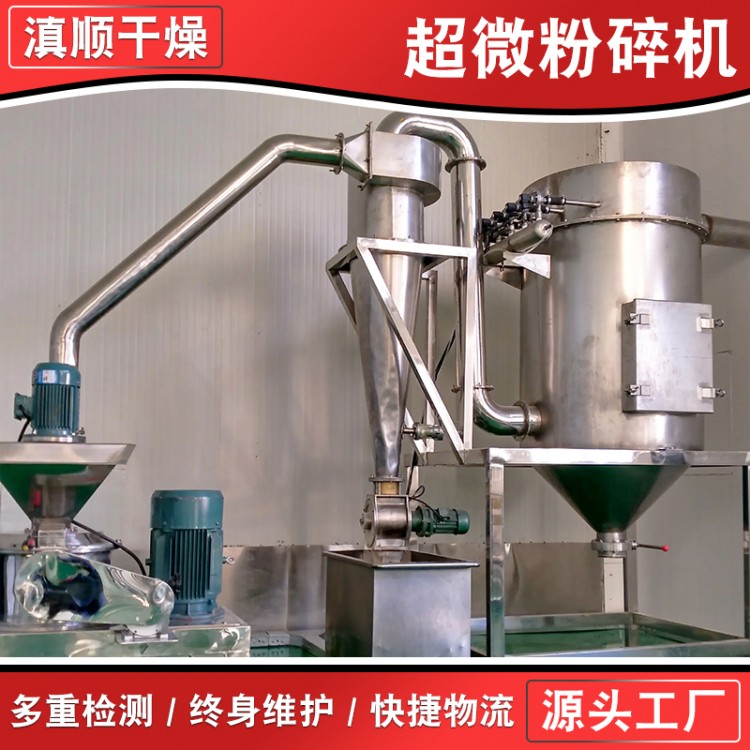





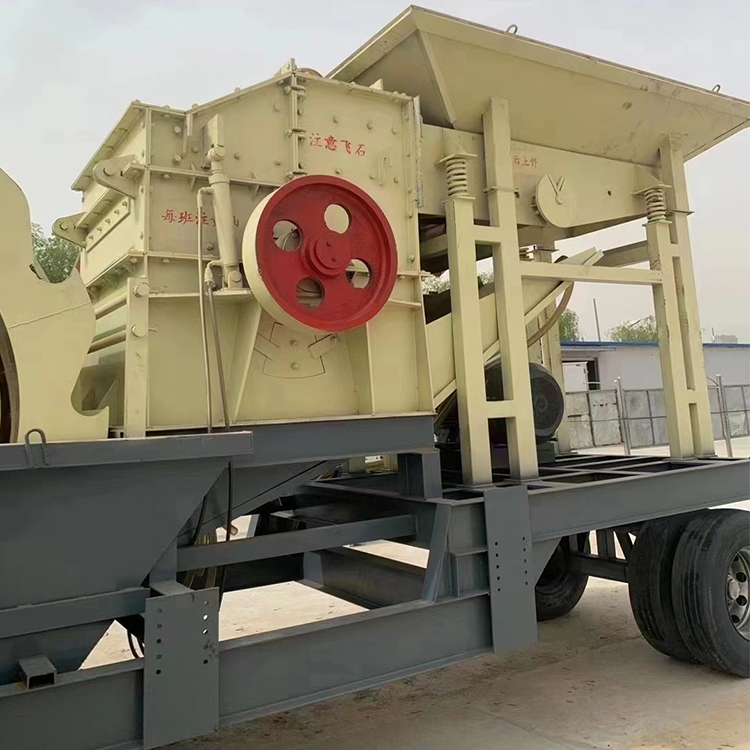
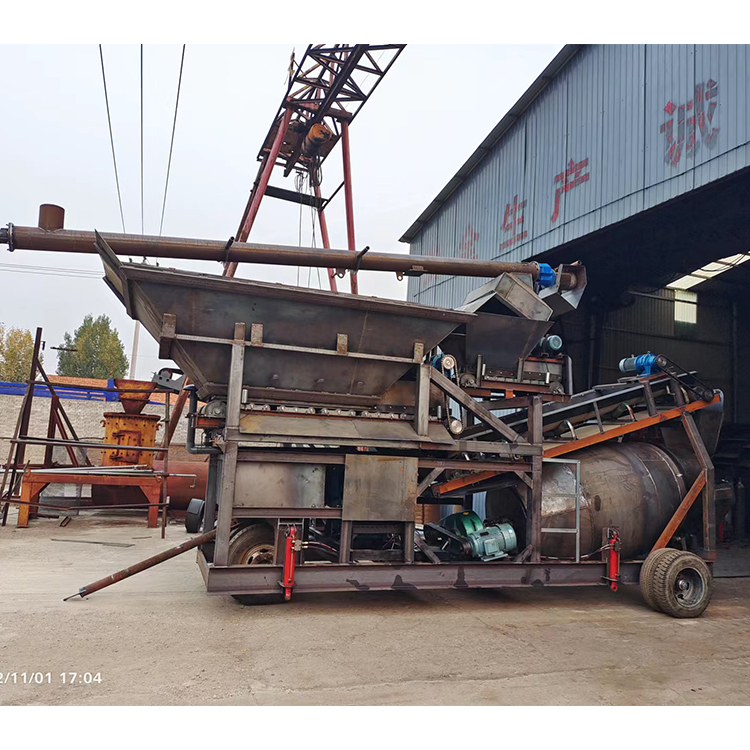
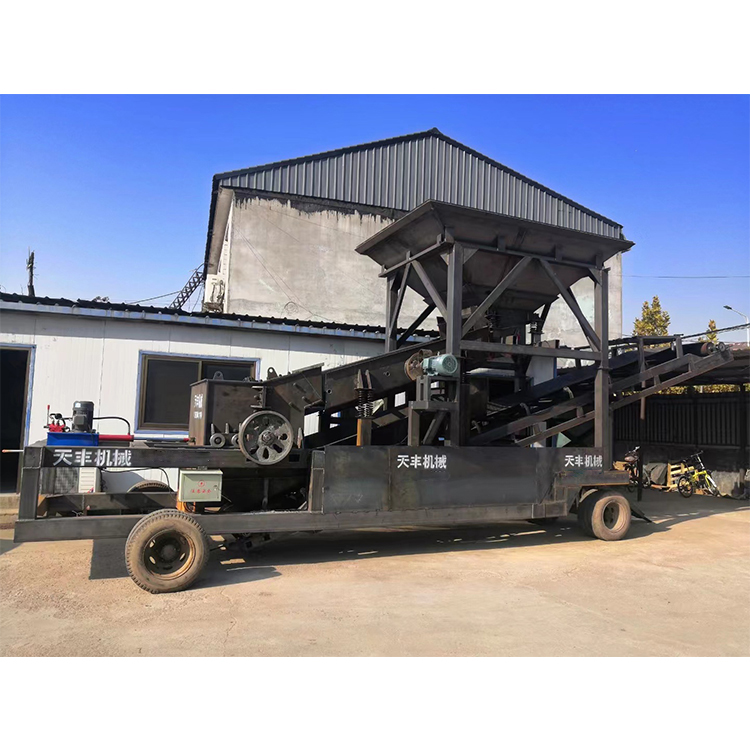
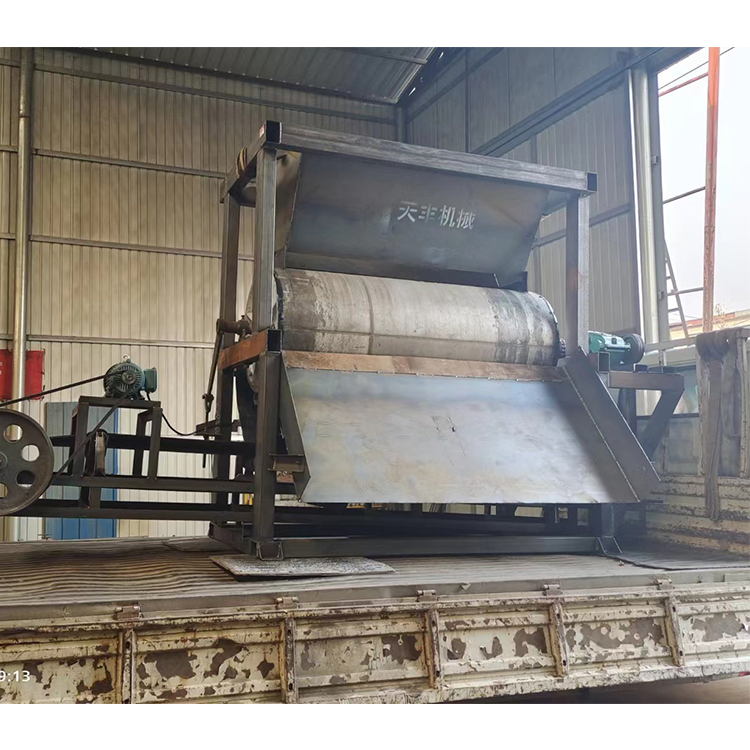
A coal mill is a machine that grinds coal into coal powder. It is an essential auxiliary equipment for coal powder furnaces. Coal grinding is the process where coal is broken down, and its surface area continuously increases. To increase the surface area, it is necessary to overcome the binding forces between solid molecules, which consumes energy. Coal is milled into coal powder in the coal mill, primarily through processes of crushing, breaking, and grinding. Among these, the breaking process consumes the least energy, while the grinding process is the most energy-intensive. Different types of coal mills employ a combination of these two to three methods during the powder-making process, but the specific method depends on the type of coal mill. Coal mills can be categorized into three types based on their rotational speed: low-speed coal mills, medium-speed coal mills, and high-speed coal mills. Each type of coal mill has its own advantages, and customers can choose the appropriate coal mill for production based on their actual needs.
The operation principle of the coal mill primarily includes four stages: crushing, grinding, classification, and collecting dust. During the crushing process, the raw ore is broken by the crusher, and the material enters the grinding roller channel, where it is continuously kneaded, ground, cut, and crushed under the pressure of the grinding rollers. The high-speed air flow at the air outlet blows up the ground material, with coarser particles being returned to the grinding disk for re-grinding. Together, the suspended material can be dried, and the fine powder enters the classifier for classification. Qualified powder is then collected by the collector to become the finished product.
Low-speed coal mill
This type mainly refers to steel ball coal mill, also known as ball mill, which consists of horizontal cylinders, hollow shafts for feeding and discharging materials, and grinding heads. During operation, the rotational speed of the drum is 15-25 revolutions per minute. The steel balls are lifted by the centrifugal force generated by the rotation of the cylinder and then collide with the material due to their own gravity, thereby breaking the coal pieces through repeated impact and friction.
The equipment's primary advantages lie in its wide adaptability to various coal types, reliable operation, and is particularly suitable for grinding hard anthracite coal. It offers both crushing and grinding functions, achieving a dual-grinding effect for superior powdering performance.
2. Medium-speed coal mill
Common types include flat disk mills, bowl mills, E-type mills, and roller mills. The speed ranges from 50 to 300 RPM. Their common feature is that the grinding components consist of two sets of grinding bodies in relative motion. Coal lumps are crushed and broken between the surfaces of these two sets of grinding bodies. Additionally, the hot air introduced into the coal mill dries the coal and transports the coal powder to the separator at the top of the grinding zone. After separation, coal powder of a certain particle size is carried out of the mill with the air flow, while the coarse particle coal powder returns to the grinding zone for re-grinding.
High-speed Coal Mill
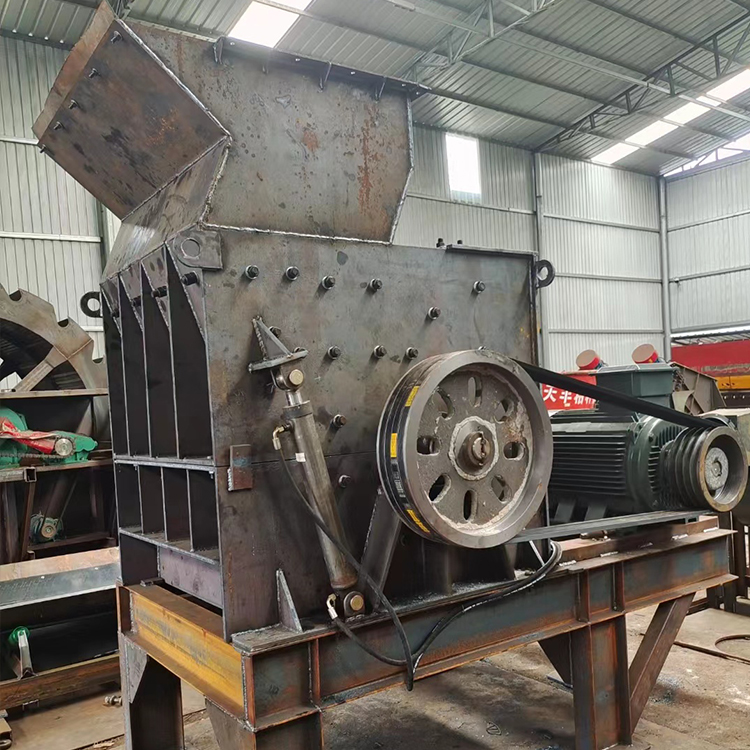
The speed ranges from 500 to 1500 RPM, primarily composed of a high-speed rotor and grinding shell. Common types include electric fan grinders and impact grinders. Here, we focus on the impact grinder. During operation, raw coal is placed into the machine, and the collision distance between the high-speed hammerhead and impact plate is set. The raw coal is破碎 through repeated high-speed striking by the hammerhead.
The equipment's advantages include the ability to install water-washing dust collectors for import and export, effectively preventing dust pollution; the entire structure is sealed, solving issues of dust pollution in the coal grinding workshop and body leakage; the working hammer head is cast using new technology, featuring strong wear and impact resistance.