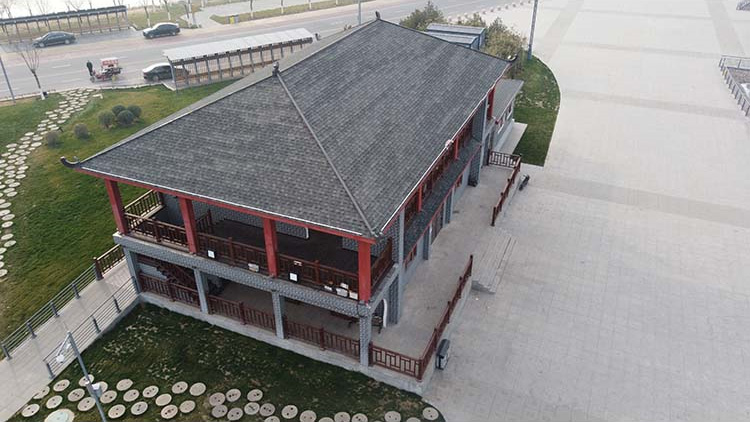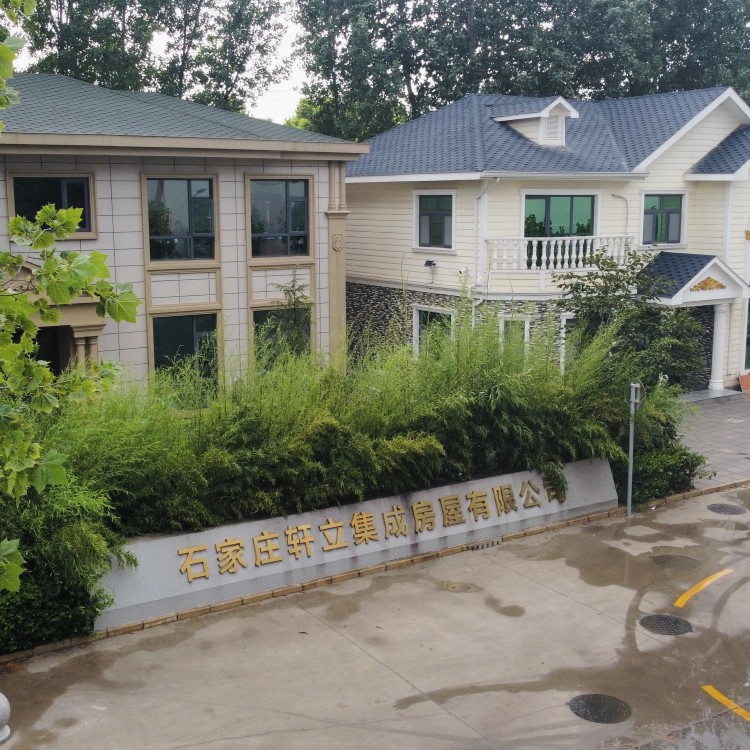













Light steel villa, also known as light steel frame houses, primarily consists of light steel studs made by cold rolling hot-dipped zinc steel strips. With the support and combination of accessories, it achieves a reasonable load-bearing capacity, replacing traditional housing. Due to its light steel frame structure and particularly beautiful design, this new type of house is called a light steel villa.
1. Basic System
Light-gauge steel structure houses have a low self-weight, about one-fifth of brick-and-concrete structures and one-eighth of reinforced concrete structures, thus significantly reducing the foundation construction cost. The foundation of light-gauge steel structure houses typically uses strip foundations.
Lightweight steel structure has a low self-weight, significantly reducing the cost of foundation engineering.
②Basic moisture-proof design, effectively preventing moisture and harmful gases from entering.
③Reasonable anchoring methods ensure reliable connection between the foundation and the main structure.
2. Wall Systems
Exterior wall systems typically range from 120-200mm in thickness. Due to their slim profile, lightweight steel frame structures can increase actual usable area by about 10%-15% compared to traditional buildings, and indoor usable space can be increased by over 90%. The interior space can be flexibly partitioned. Pipe installations can be arranged through pre-drilled holes in wall, floor, and roof components, offering good concealment and an aesthetically pleasing appearance.
The wall is filled with glass fiber insulation, offering excellent thermal insulation, heat preservation, and noise reduction properties.
② Breathable waterproof paper effectively regulates indoor humidity, enhancing comfort and preventing mold growth within the walls.
③ Pipelines are buried within walls, occupying no indoor space.
3. Floor System
The floor is composed of a combination of high-strength galvanized C and U-shaped light steel members. The floor beams are arranged in a dense rib pattern at standard modular intervals. The surface of the floor beams is covered with structural boards that have undergone strict moisture and corrosion protection, forming a sturdy and seismic-resistant floor system.
The combination structure of structural panels and floor steel beams is sturdy and stable.
② Various water and electricity pipelines are concealed within the floor structure, without occupying the building's floor height.
③Glass fiber cotton is filled in the sandwich layer, significantly improving insulation, heat preservation, noise absorption, and sound insulation effects.
4. Roofing System
The trusses are assembled from various lightweight steel components, typically featuring triangular and T-shaped trusses. They can easily and flexibly achieve various complex roof shapes. Generally, the roofs are covered with colorful asphalt shingles, offering excellent waterproofing properties and highlighting both beauty and quality.
Composite roofing features waterproof, weather-resistant, and heat-insulating functions, enabling a wide variety of designs.
② Ventilation and circulation design ensures fresh air at all times.
5. Structural Components
All structural components are made of high-strength galvanized steel, ensuring the longevity of the building. Each structural component is precision cold-formed on a factory's mechanical assembly line, with dimensions accurate to the millimeter, surpassing other structures in quality.