







Common types of shut-off valves include:
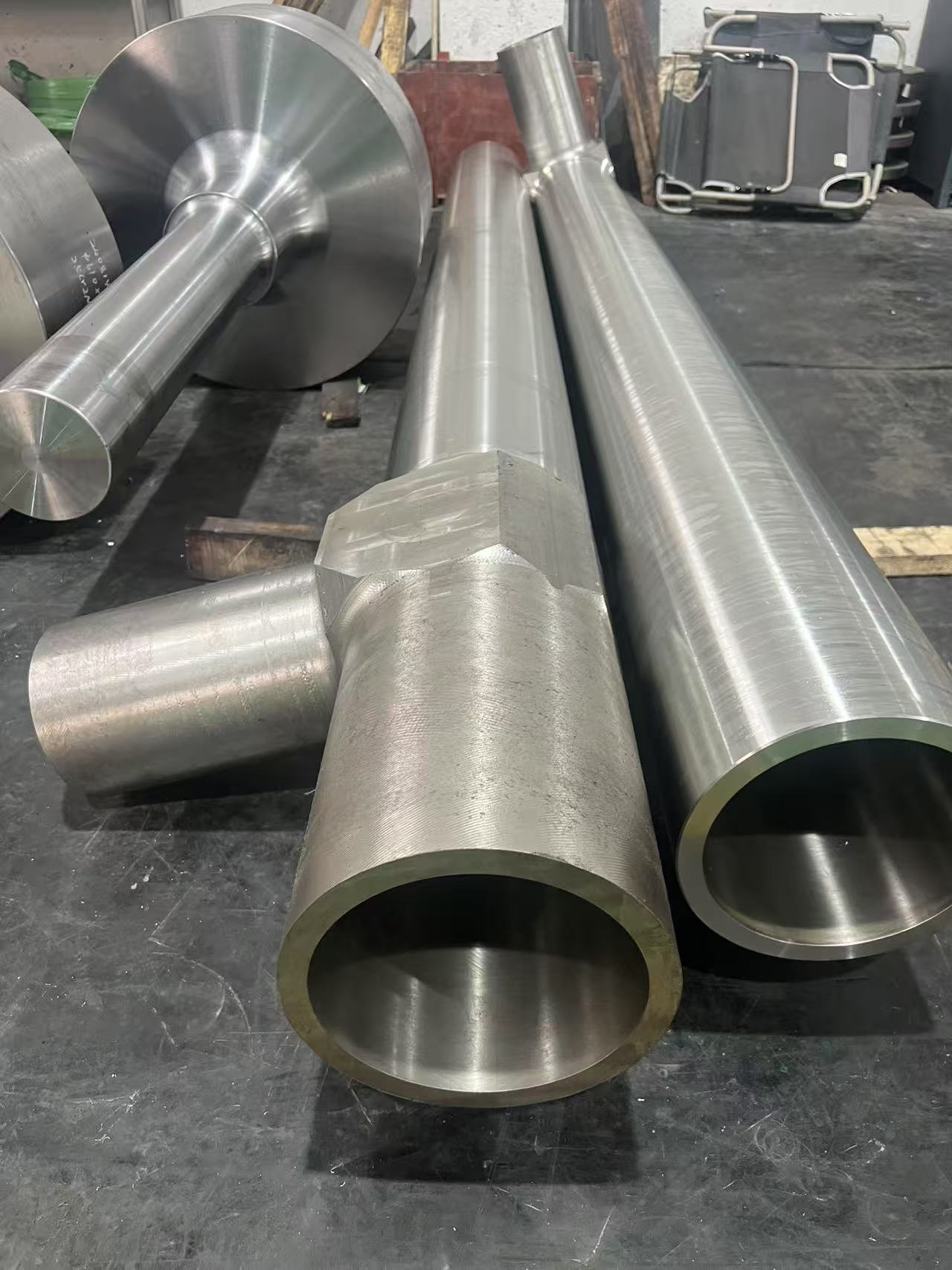
1) Direct-acting shut-off valve: In direct-acting or Y-shaped shut-off valves, the valve body's flow channel forms an oblique line with the main flow channel, resulting in less disruption of the flow state compared to conventional shut-off valves. Consequently, the pressure loss through the control valve is also correspondingly reduced.
2) Angle Stop Valve: In an angle stop valve, the fluid only needs to change direction once, resulting in a lower pressure drop through the valve compared to a conventional stop valve structure.
3) Plunger Type Stop Valve: This type of stop valve is a variant of the standard stop valve. In this instrument valve, the valve disc and seat are typically designed based on the plunger principle. The valve disc is ground to form a plunger connected to the valve stem, with the seal achieved by two elastic seals fitted onto the plunger. The two elastic seals are separated by a sleeve ring, and the seals around the plunger are securely pressed in place by the load applied to the valve cover through the valve cover nut. The elastic seals are replaceable and can be made from various materials. This instrument valve is mainly used for "open" or "close" operations, but with special plunger designs or special sleeve rings, it can also be used for flow regulation.