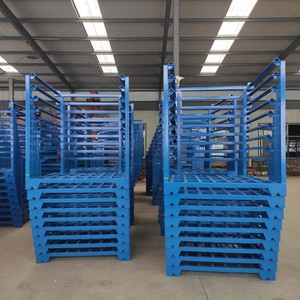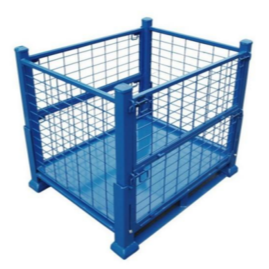









Detailed Description:
1. Brief Introduction
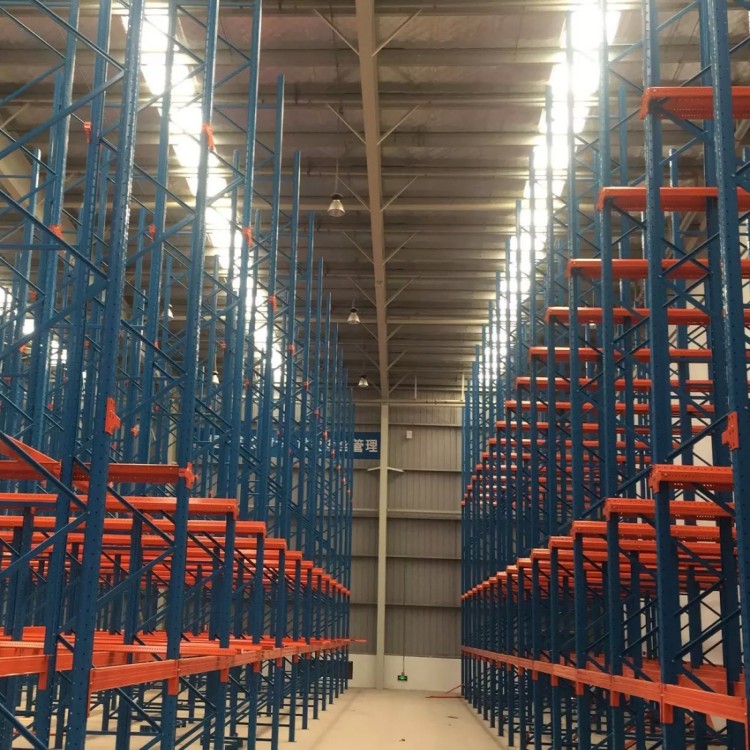
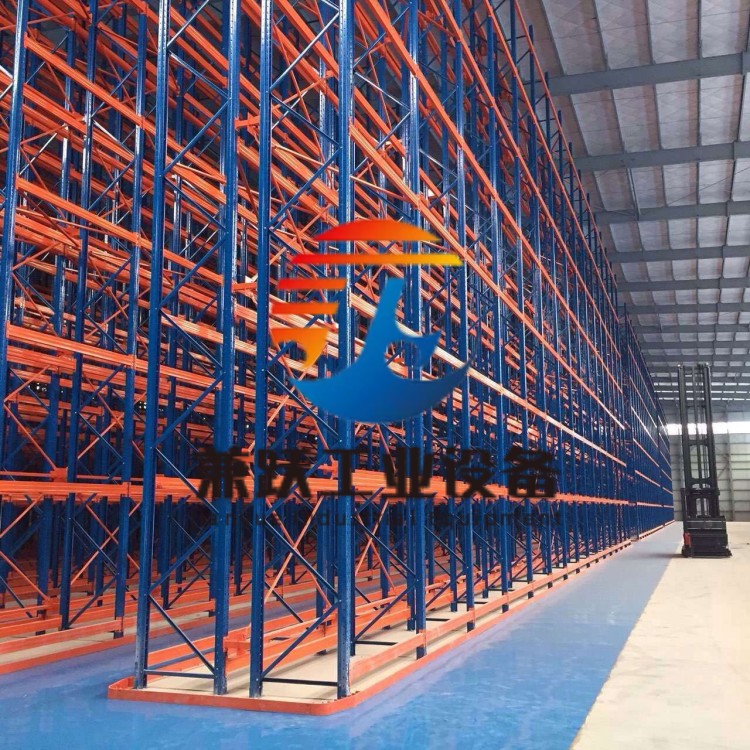
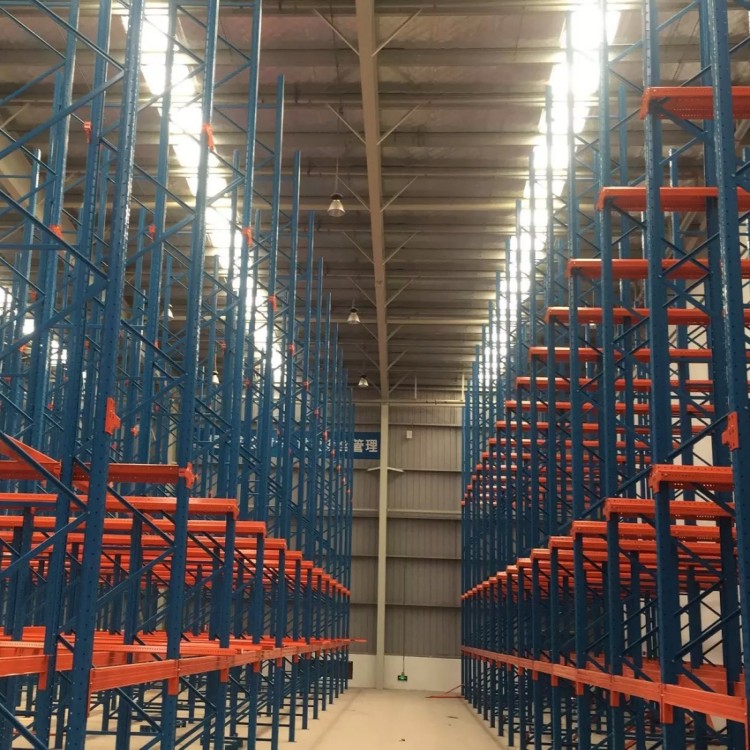
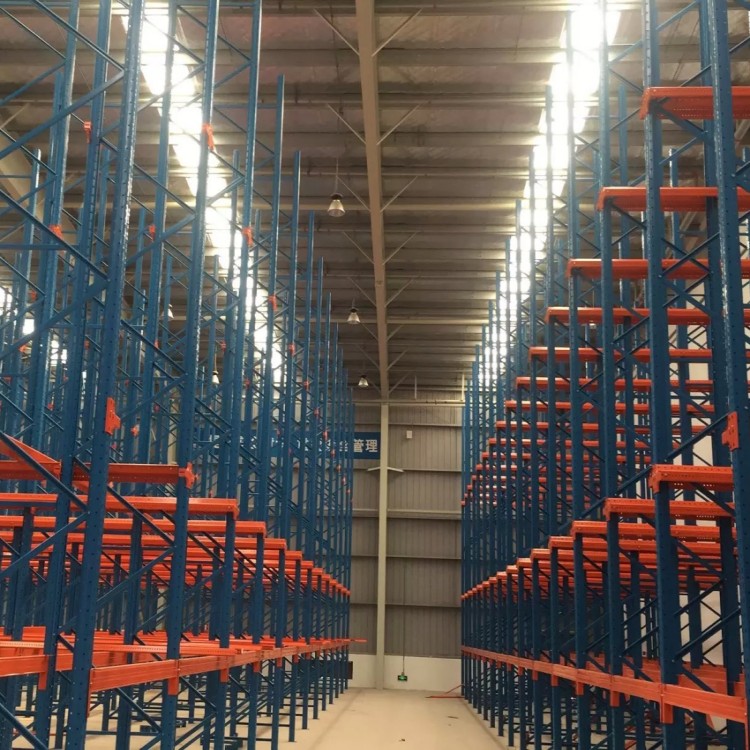
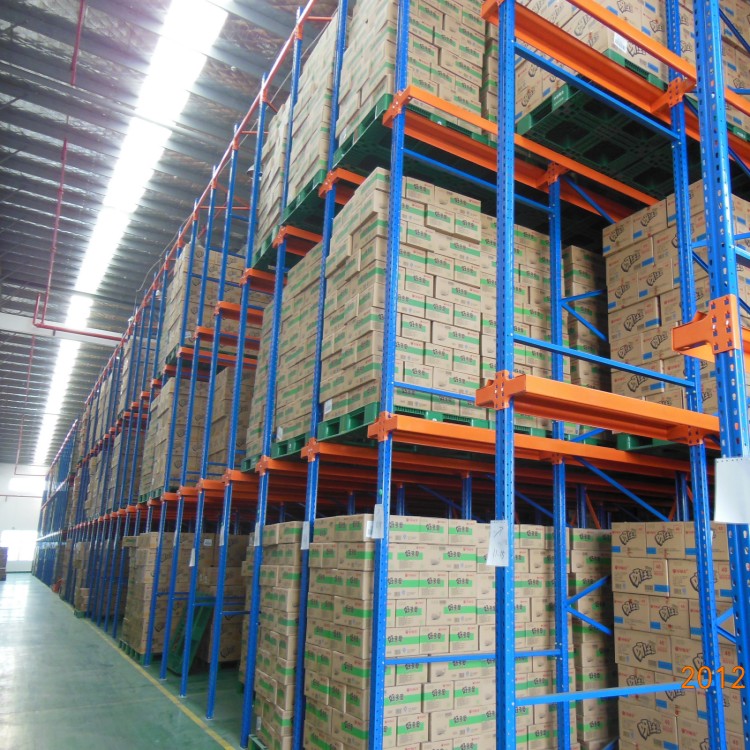
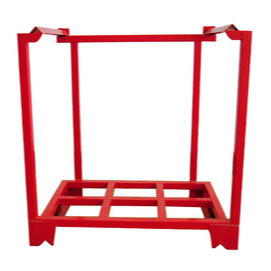
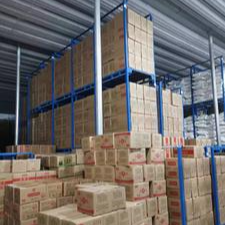
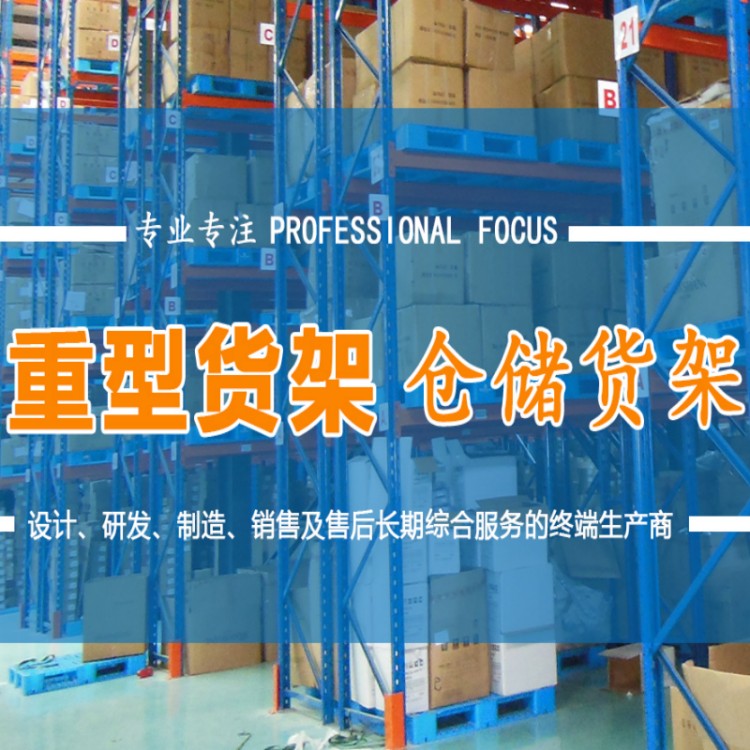
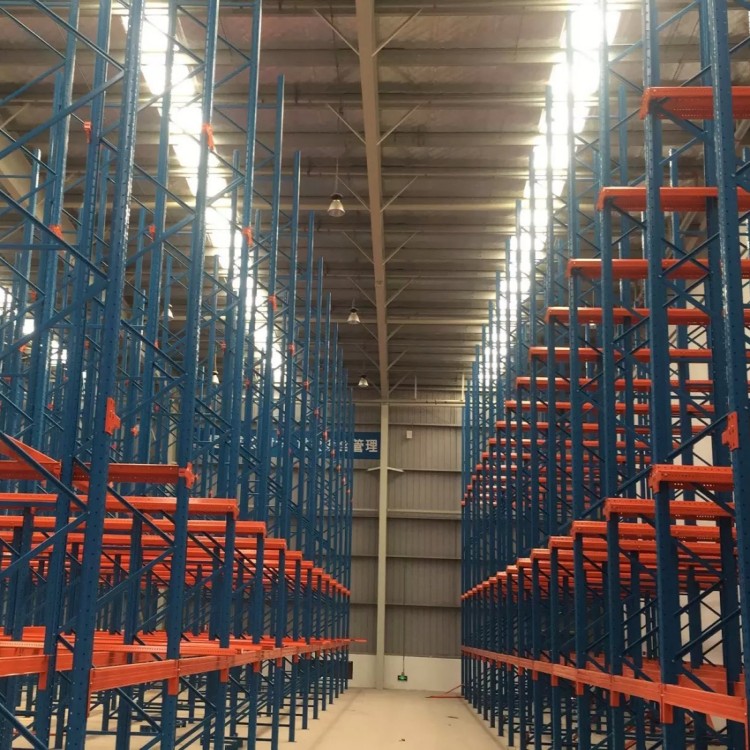
Throughway shelving, also known as aisle shelvingShelfOrWalk-in货架Drive-in racking allows forklifts (or forklift-equipped automated guided vehicles) to access the aisles for loading and unloading goods, suitable for storing products with limited variety and large batch sizes. Drive-in racking, in addition to the areas near the aisles,Warehouse LocationDue toForkliftTo access items stored inside the shelves, it is generally recommended not to exceed 7 positions in depth on one side. To enhance forklift operation speed, configuration of guide tracks can be selected as needed.Beam RackCompared, through-aisle racking (drive-in racking) can increase storage space utilization by over 30%, and is widely used in wholesale, cold storage, and the food, tobacco industries.
2. Product Advantages
1. The storage aisle is also the forklift storage and transportation aisle, representing a form of high-density storage racking.
2. Commonly used for storing goods with a limited variety but large quantities, and low requirements for sorting.
3. With the lifting height of a standard forklift and a three-tiered racking system, the effective storage capacity of the warehouse can be doubled or more. Compared to the investment cost, this results in significant benefits. From a total storage cost perspective, the added storage capacity benefits usually offset the investment cost within three years.
4. Goods follow the "first in, first out" principle and are suitable for most handling and storage operations with mechanical equipment.
3. Routine Maintenance and Care
(1) Cleanliness: Promptly identify product mechanical deformation caused by external collision on shelves and replace the safe and stable shelf components. Adhering to the principle of safety, discover potential hazards promptly during the cleaning process, address them immediately, and ensure safe storage.
(2) Correction - Utilize professional level and 3D positioning tools for accurate recording of shelf conditions, ensuring effective correction and guaranteeing shelf load-bearing capacity and safety.
(3) Strictly adhere to safety usage rules, avoid overloading, exceeding line positions, and storage density limits, ensuring safety during the storage process.
(4) Maintenance cycle is one year.
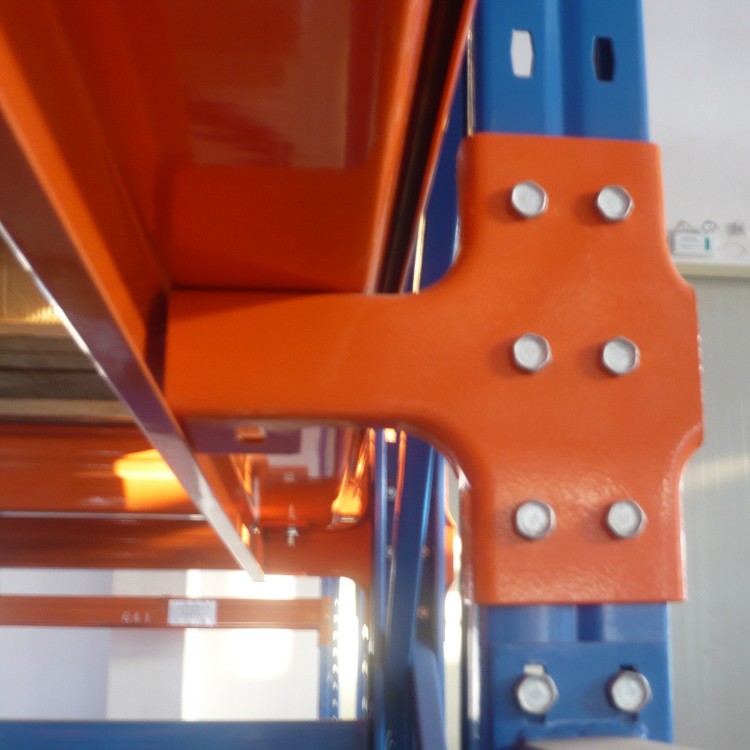
(5) Maintenance includes routine checks such as bolt tension measurement, column verticality measurement, and damaged part assessment. If a column is bent (broken), a comprehensive assessment is required. System maintenance is performed based on the assessment data.