








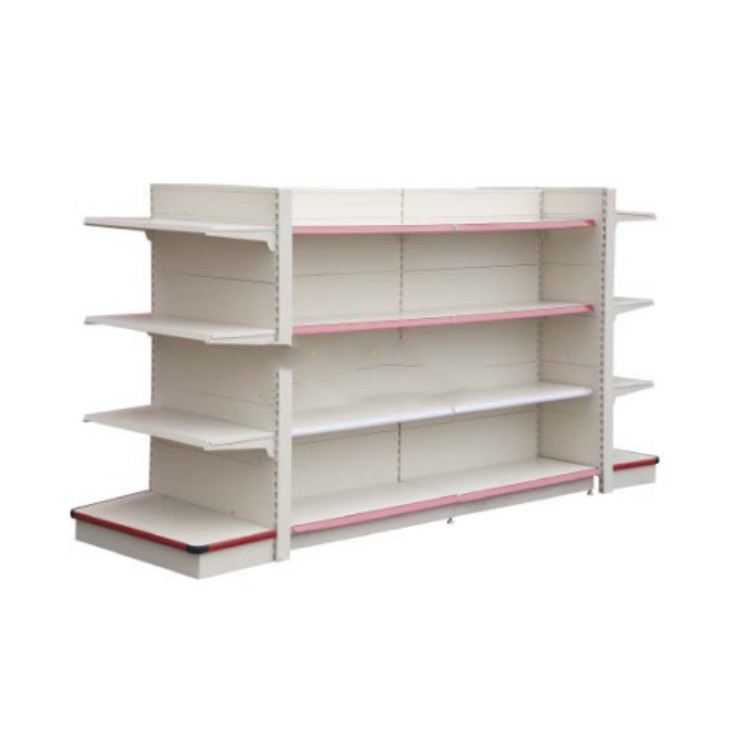

Detailed Description:
1. Introduction
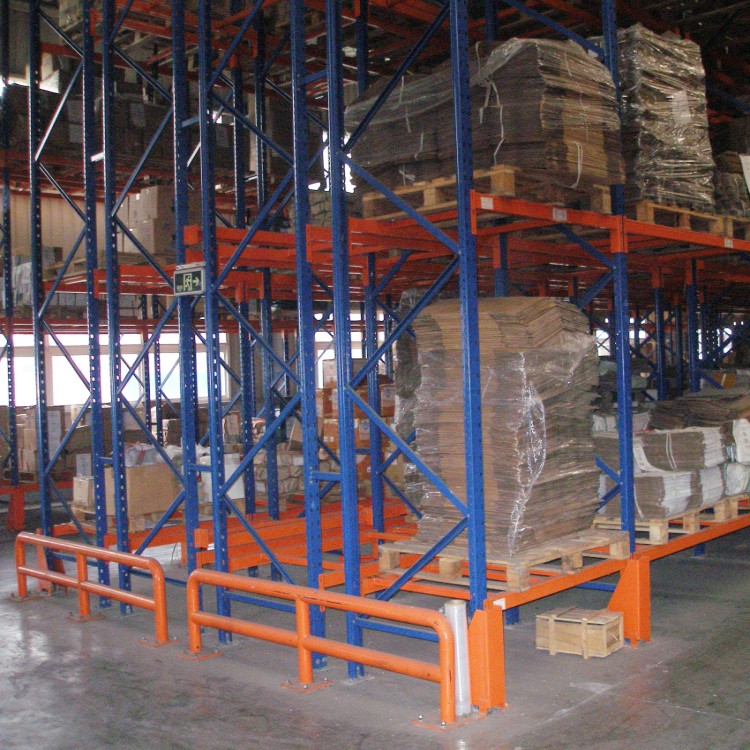
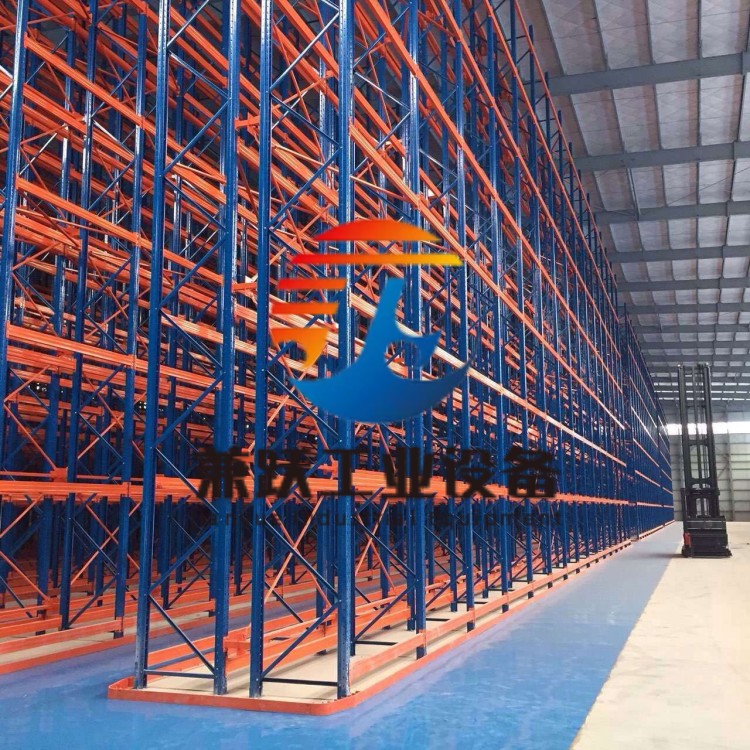
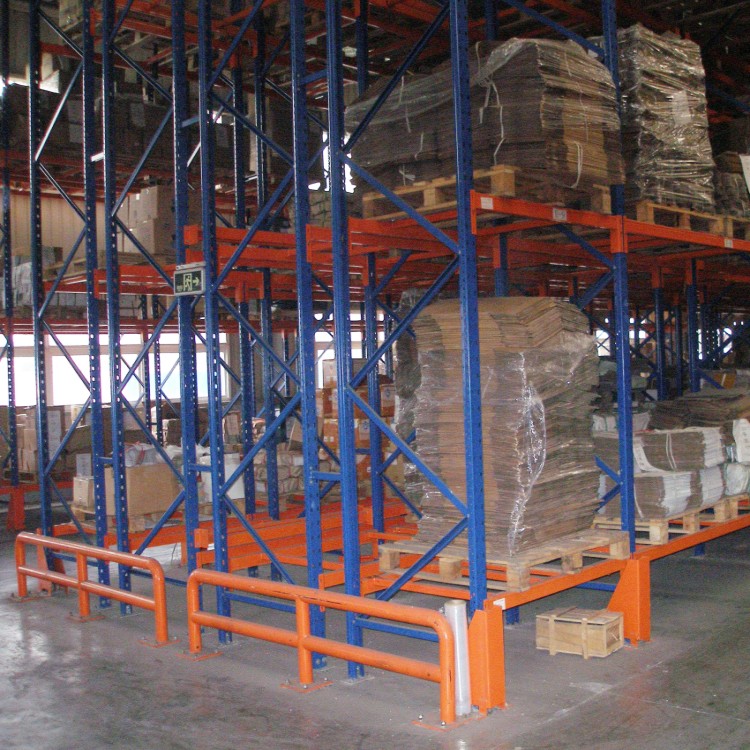
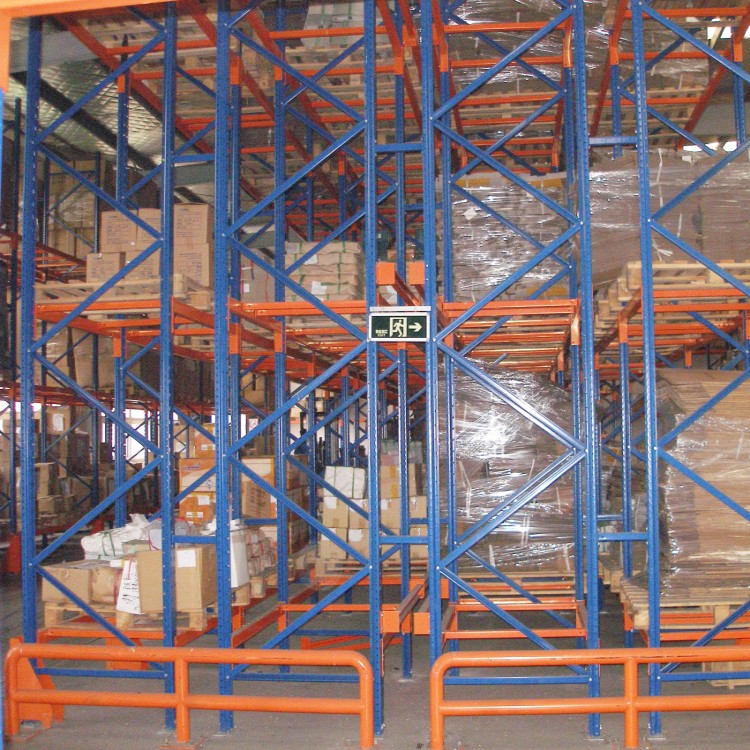
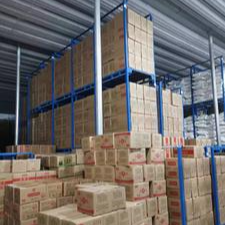
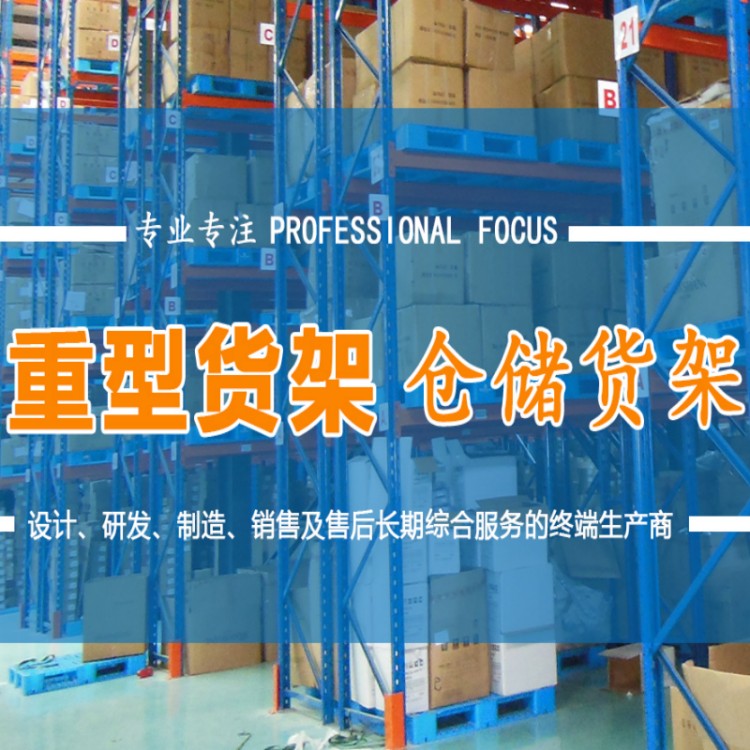
The double-depth shelving series is derived from heavy-duty beam shelving, offering a simple structure, high storage capacity, and effectively addresses storage requirements that standard beam shelving cannot meet, doubling the inventory capacity compared to standard beam shelving. Widely used in industries such as tobacco, food and beverage, and packaging, the specifications of these racks can be appropriately adjusted to meet customer needs.
2. Rack Features
1. Low beam height, with an operating height up to 8 meters.
2. Moderate inventory turnover, offering 50% of options.
3. Ideal for warehouses with low pick-up rates, achieving a ground usage rate of up to 42%.
4. The double-depth shelving series is derived from heavy-duty beam shelving, featuring simple structure and high storage capacity.
5. Effectively addresses storage requirements that standard beam shelves cannot meet, doubling the inventory capacity compared to standard beam shelves.
6. A forklift with specialized equipment is required.
7. The forklift aisle should be approximately 3.3 meters.
8. In a warehouse of the same area, compared to single-deep rack systems, as these are four racks side by side, the aisle space is reduced. Each storage line can hold more than double the number of pallets, thus increasing the inventory capacity over single-deep racks.
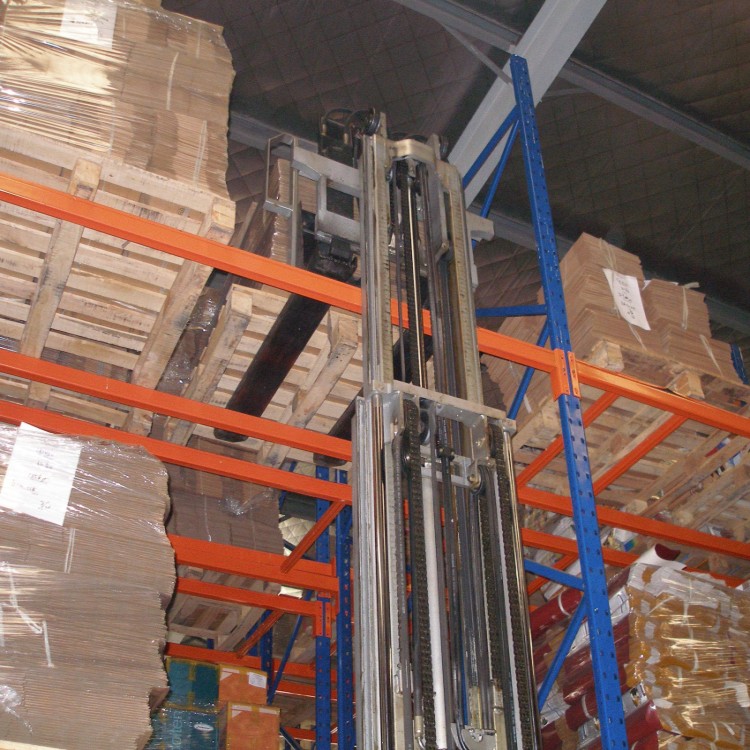
9. Due to the presence of two rows of goods in the picking direction of the forklift, a special front-shifting stacker (also known as a three-way forklift) must be used. The forklift tines are typically of 5 grades.
10. For loading and unloading at the rear, similar to drive-in racking. One can only remove or shift goods from the front row before accessing the rear. Rear-first-in, first-out is challenging with this type of rack. To maximize warehouse efficiency, it's generally advisable to store goods on the rear racks first, followed by the front racks.
11. When shipping goods, try to remove front and rear rows of goods in one go. If there are too many instances where this cannot be done at once, it may affect inventory utilization or warehouse operation efficiency (requiring frequent stock rotation).
12. The construction cost per slot is one of the most cost-effective shelf systems among all three-dimensional warehouse systems.