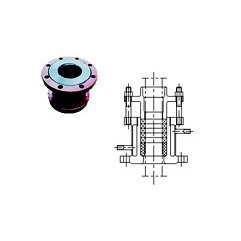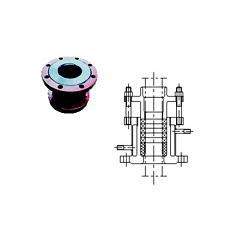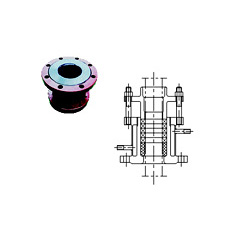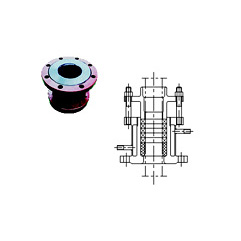








Filling Sealing:
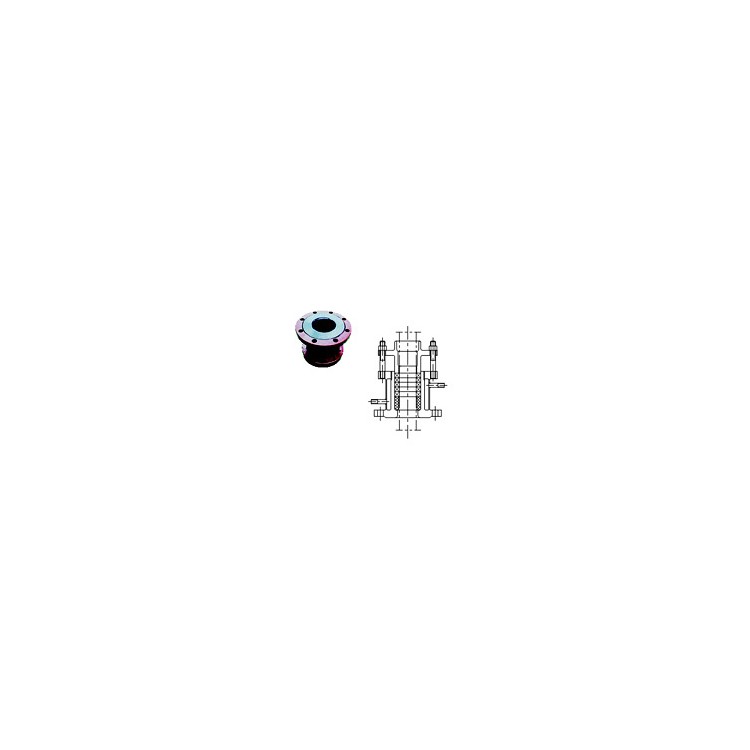
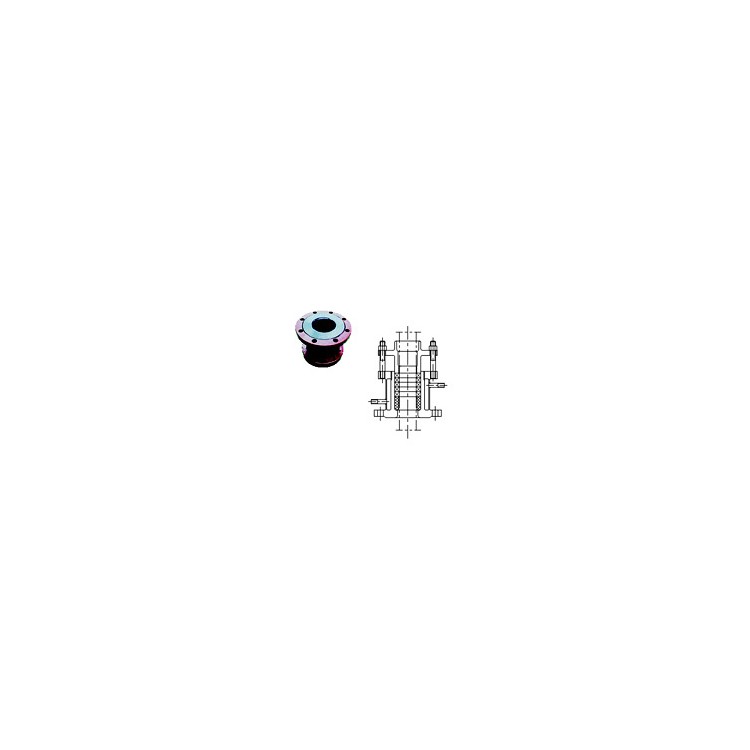
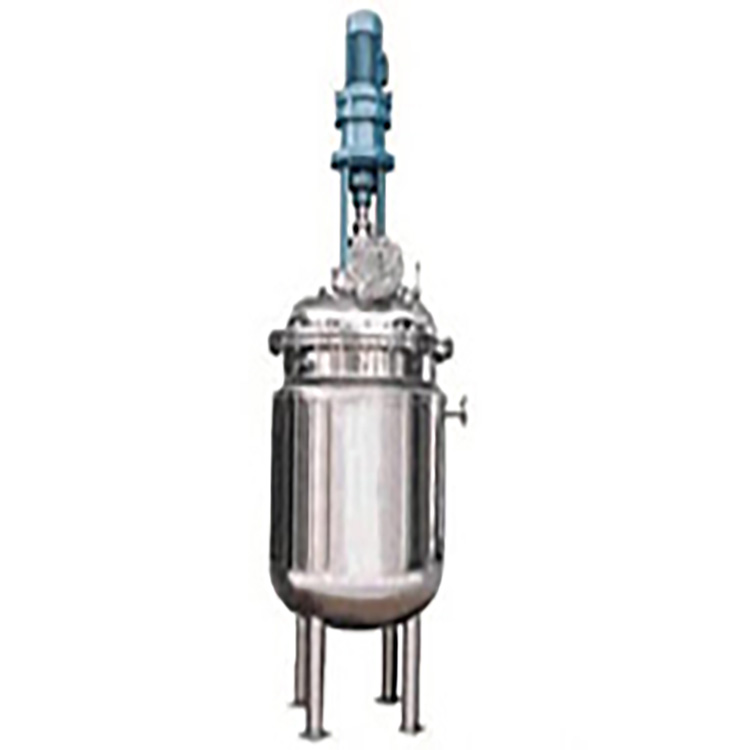
Gland packings, also known as packing seals or simply packings, are an ancient type of seal structure. In ancient China, cotton yarn was used to plug leaks in water-lifting machinery. Gland packings are favored by many industrial sectors due to their simple structure, affordability, and widespread availability. They are primarily used for dynamic seals in mechanical industries, such as process machines and moving parts, including centrifugal pumps, compressors, vacuum pumps, mixers, reaction vessel shaft seals, reciprocating pumps, reciprocating compressors' plungers or piston rods, and the seals between the valve rods of spiral motion valves and the fixed body. The working principle of gland packings: after the packing is inserted into the packing chamber, it is axially compressed by the gland nut. When the glass-lined reaction vessel's agitator shaft moves relative to the packing, the plasticity of the packing generates radial force, creating a tight contact with the shaft. At the same time, the lubricant soaked into the packing is squeezed out, forming an oil film between the contact surfaces. Due to the uneven contact state, "boundary lubrication" occurs, known as the "bearing effect"; while the uncontacted concave areas form small oil grooves with thicker oil films, creating an irregular labyrinth between the contacting and non-contacting areas, which prevents fluid leakage, known as the "labyrinth effect." This is the mechanism of gland packings. Clearly, good sealing depends on maintaining both the "bearing effect" and the "labyrinth effect," which means maintaining good lubrication and proper tightness. Poor lubrication or over-tightening can break the oil film, causing dry friction between the packing and the shaft, leading to shaft burning and severe wear.
To ensure proper tightness of the packing, adjustments are required regularly. This allows for the displacement of lubricant from the packing after some time of operation, while also compensating for the relaxation of clamping force due to packing volume changes. Clearly, frequent squeezing of the packing will deplete the impregnant, thus regular replacement of the packing is necessary. Moreover, to maintain a liquid film and dissipate friction heat, it is also necessary to intentionally allow for a slight leakage at the packing area.