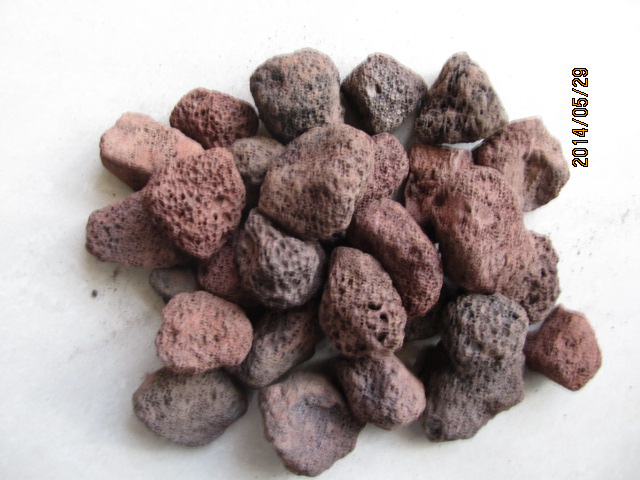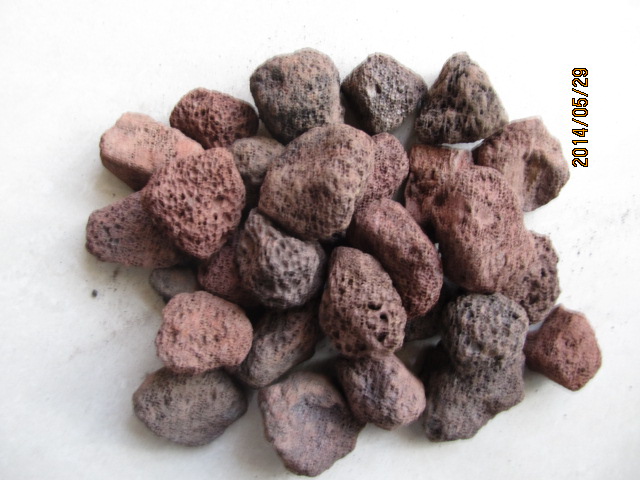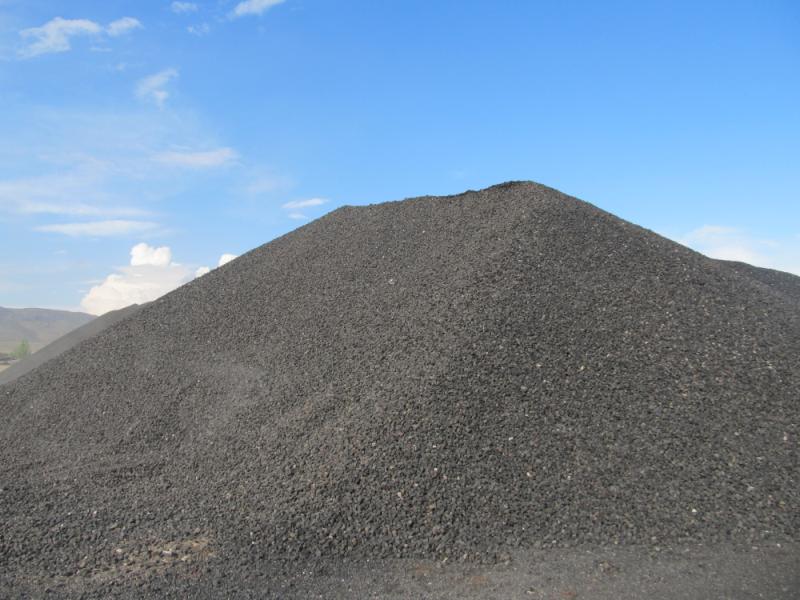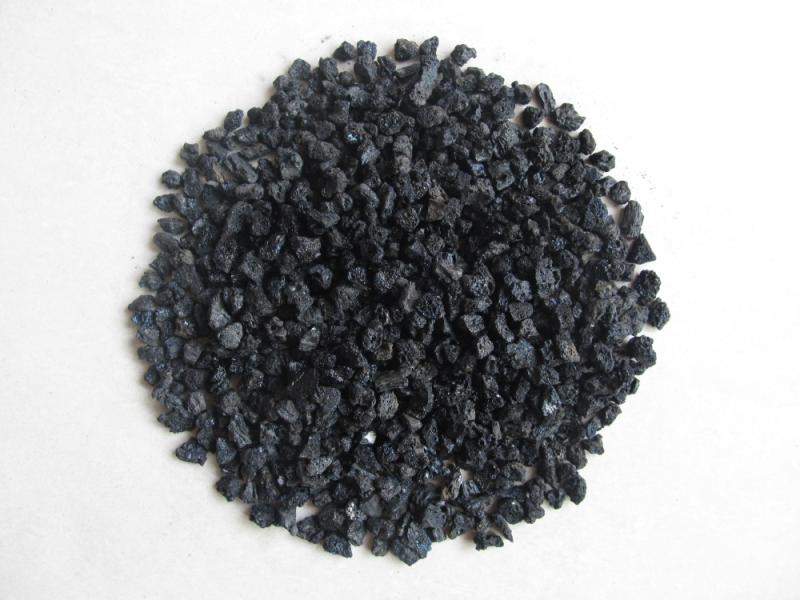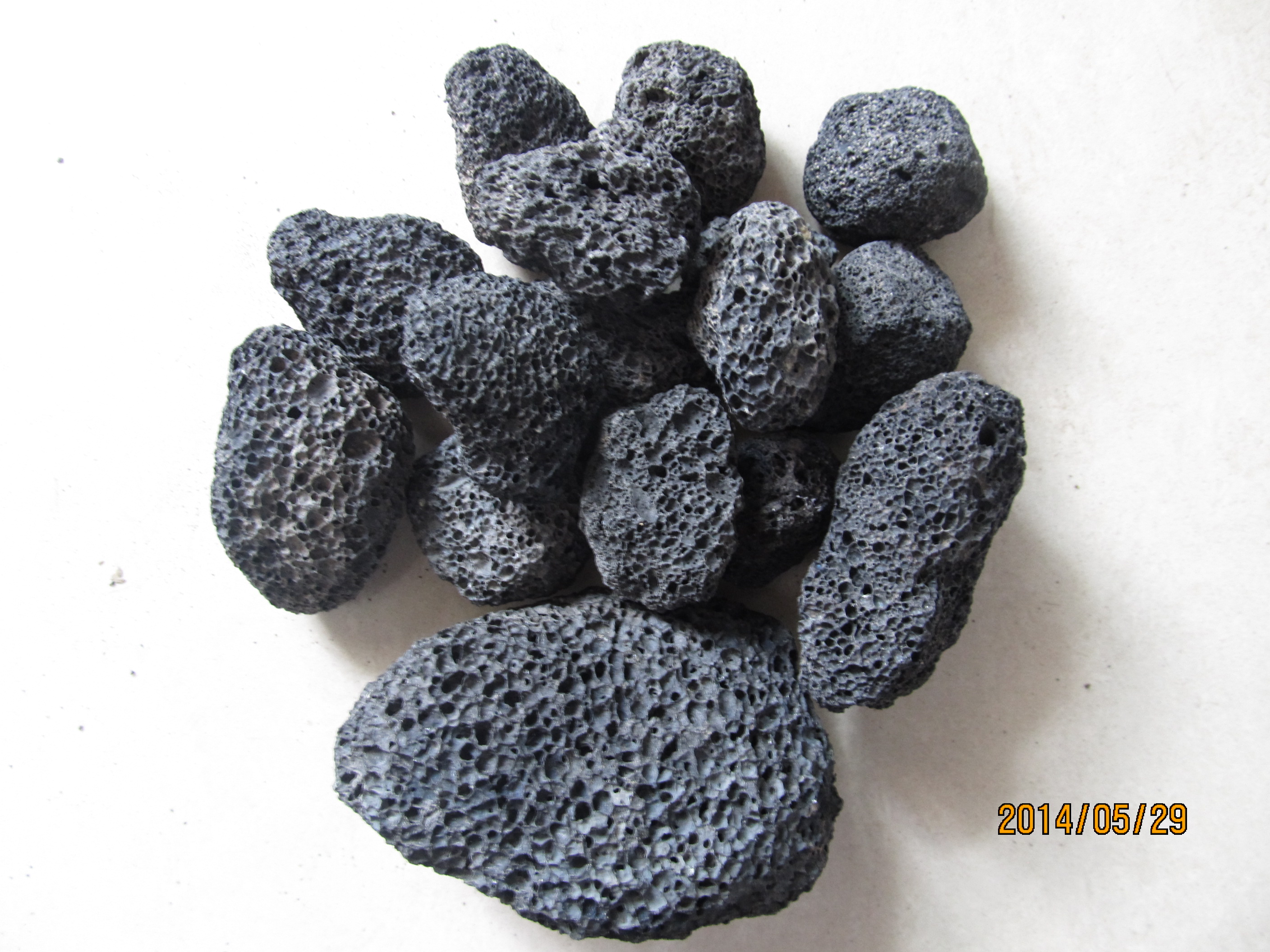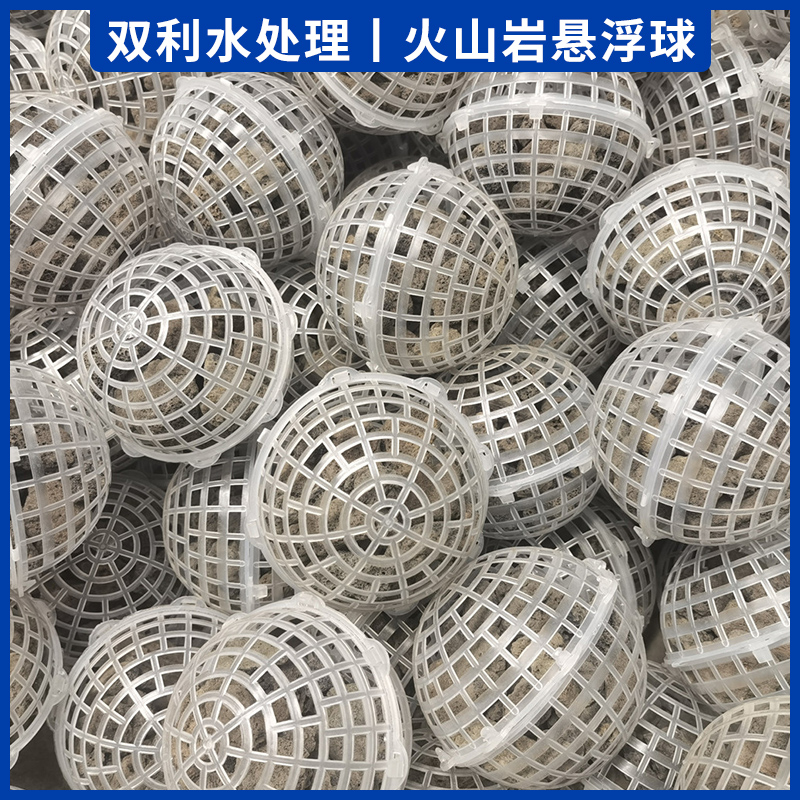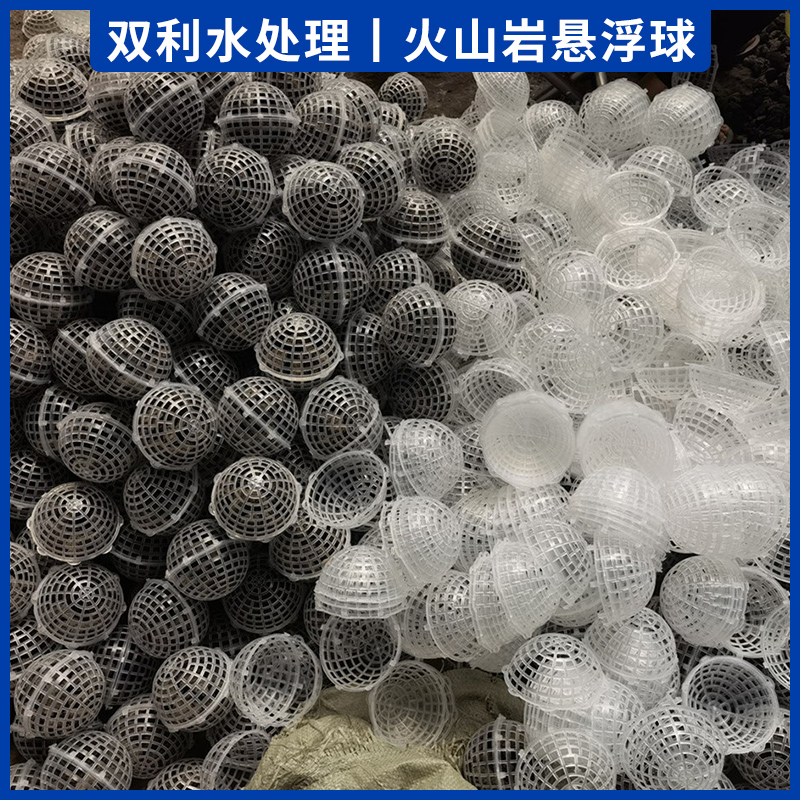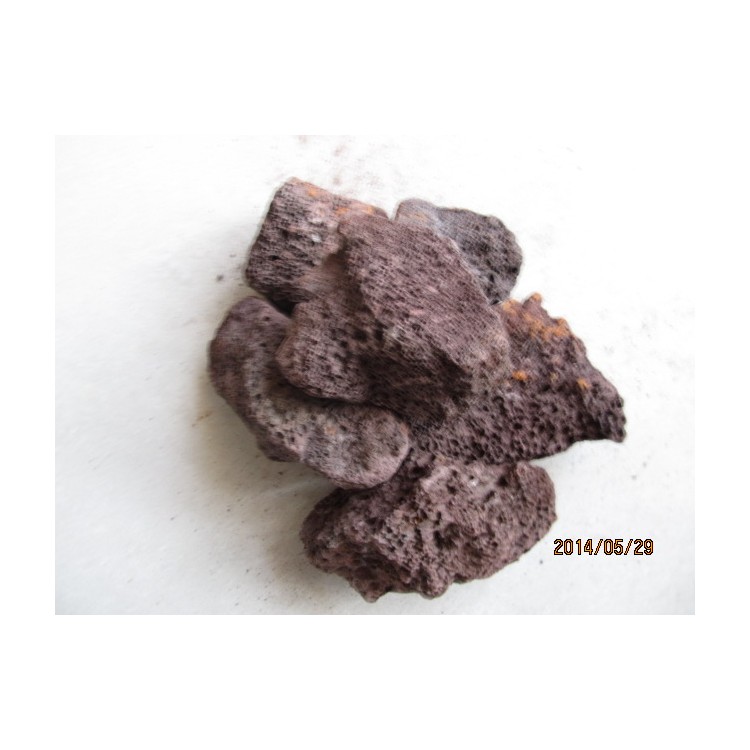
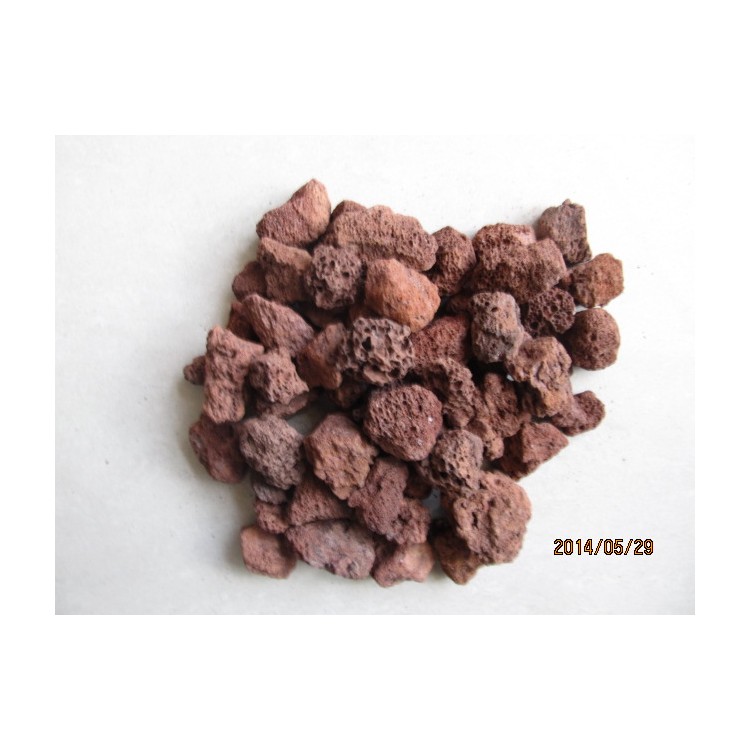


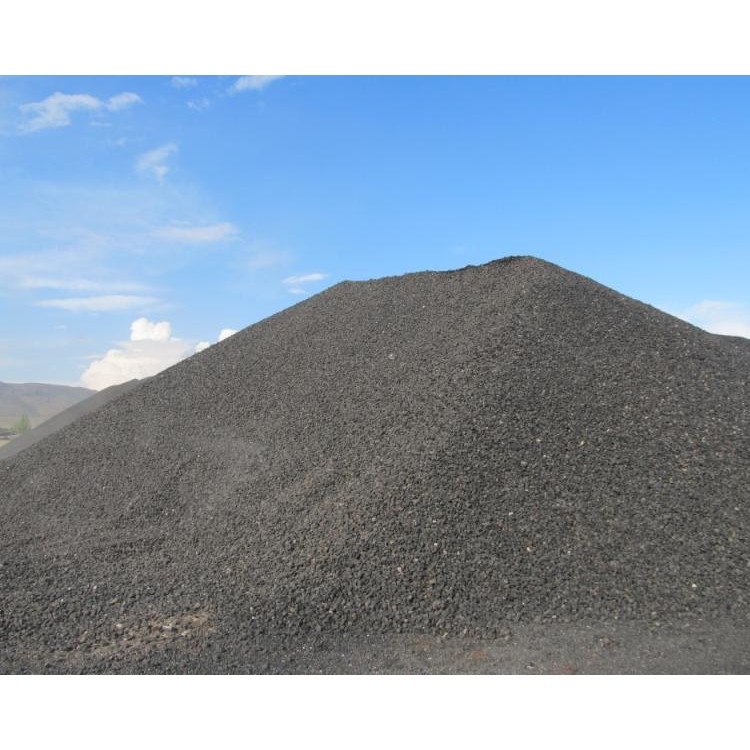
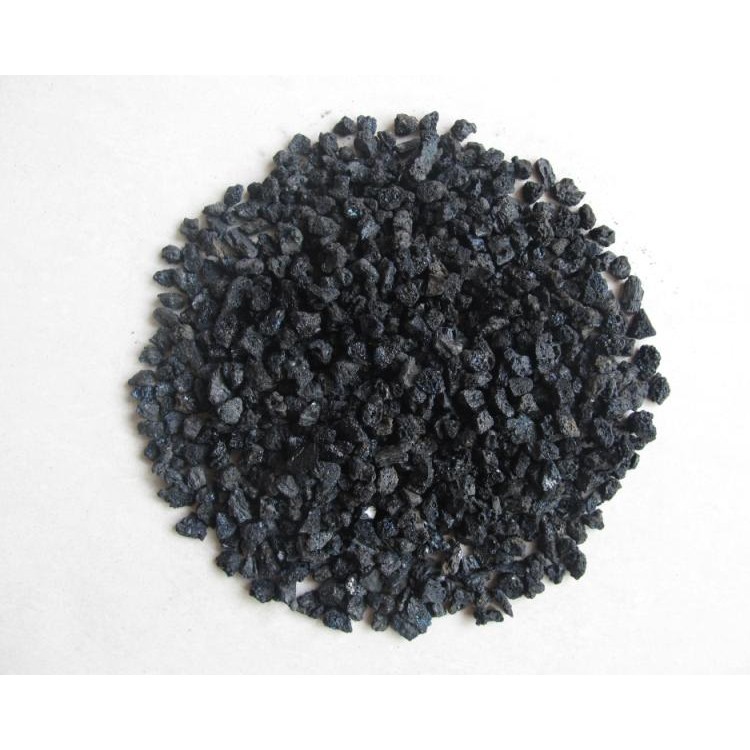
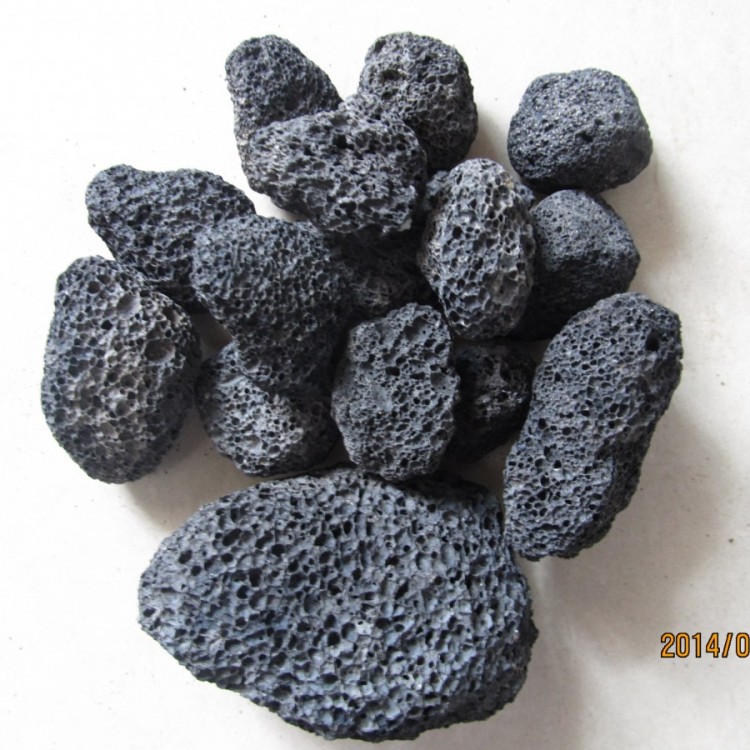
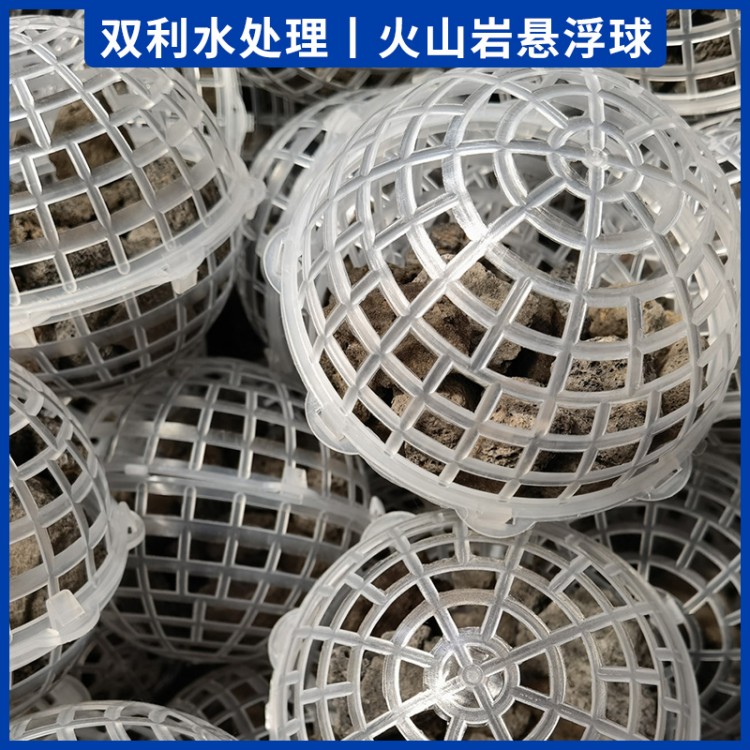





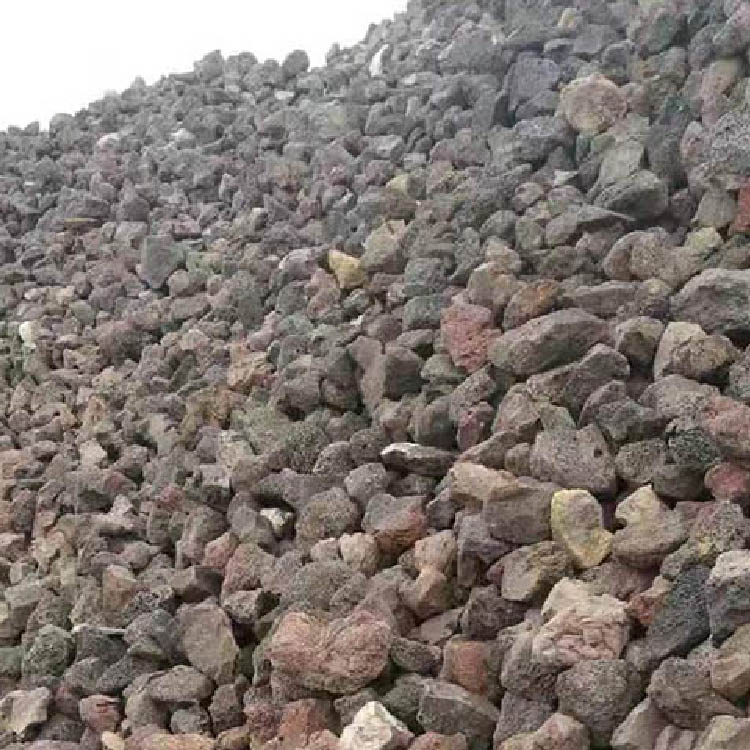
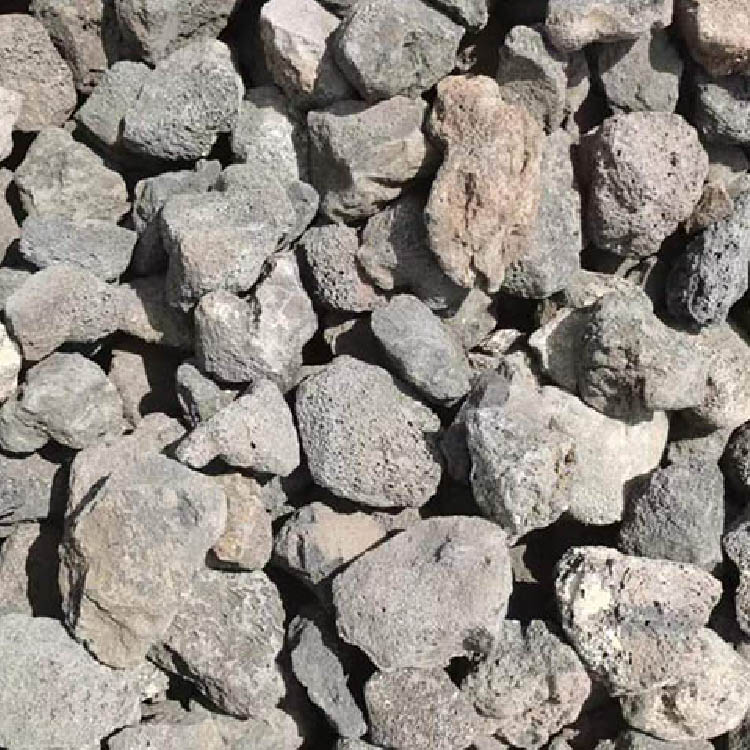
Volcanic rock filter media, processed through a series of steps including ore selection, crushing, screening, and grinding, primarily consists of silicon, aluminum, manganese, iron, and dozens of minerals and trace elements. It is presented as nearly round granules, with a color ranging from red to blackish-brown, and has a porous, lightweight texture. The particle size can be produced according to different requirements.
High-efficiency film-forming lightweight filter material exhibits a rough surface with many micropores in its physical microstructure. These characteristics are particularly suitable for the growth and reproduction of microorganisms on its surface, formingBiofilmVolcanic rock filter media, in the context of aeration biological filter pools, can not only handle municipal wastewater, as well as biodegradable organic industrial wastewater and slightly polluted water, but can also replace it in water supply treatment.Quartz SandActivated CarbonAnthracite coalUsed as a filtering medium, and can also be applied to those that have already beenWastewater Treatment PlantSecondary treatment effluent is further processed for deep treatment, and the treated water meets recycled water standards for reuse as non-potable water.
Volcanic Rock Biofilter MediaIn terms of chemical microstructure: 1. MicroorganismsChemical StabilityVolcanic rock biofilter material is resistant to corrosion, inert, and does not participate in the biochemical reactions of the biofilm in the environment. 2. Surface electrical propertiesHydrophilicVolcanic rock biofilter surface withPositive chargeMicroorganisms are conducive to attachment and growth, with strong hydrophilicity and a rapid and abundant amount of biofilm formed. 3. Regarding the impact on biofilm activity: As a biofilm carrier, volcanic rock biofilter material is harmless and non-inhibitory to the attached microorganisms, and practice has proven that it does not affect the activity of the microorganisms.