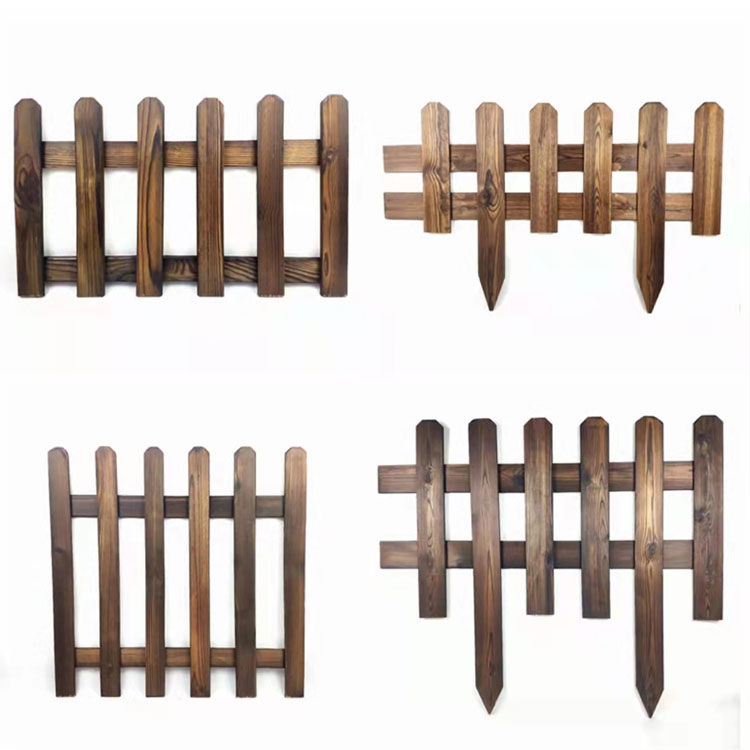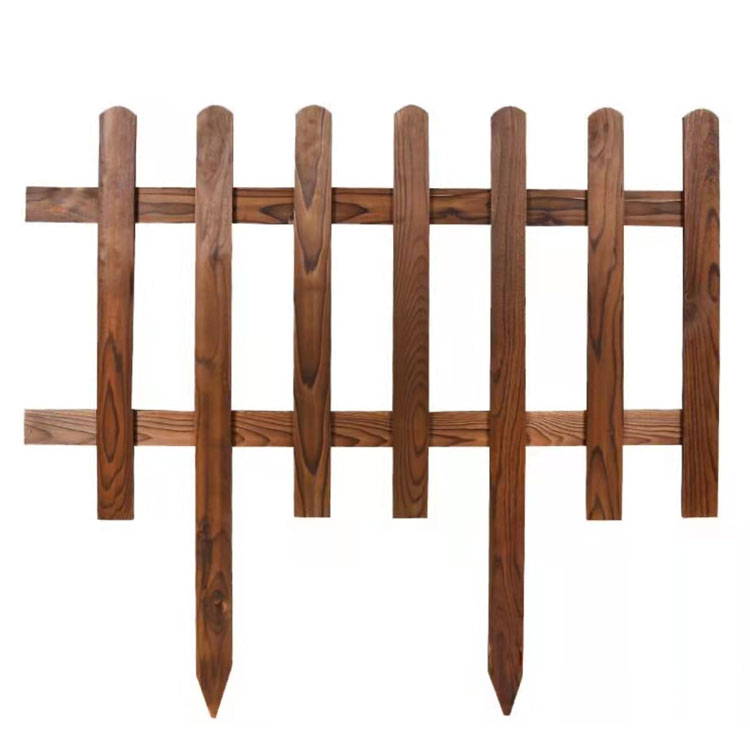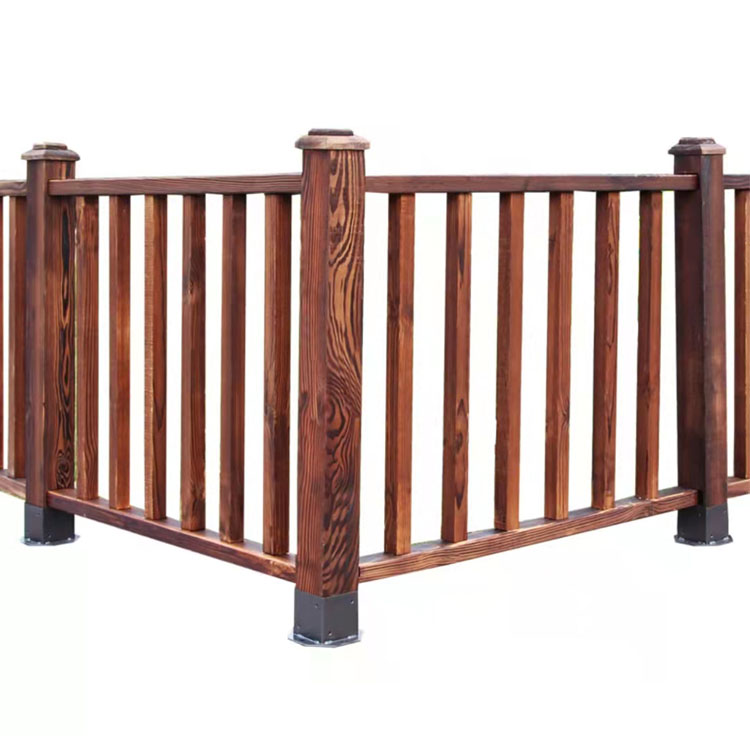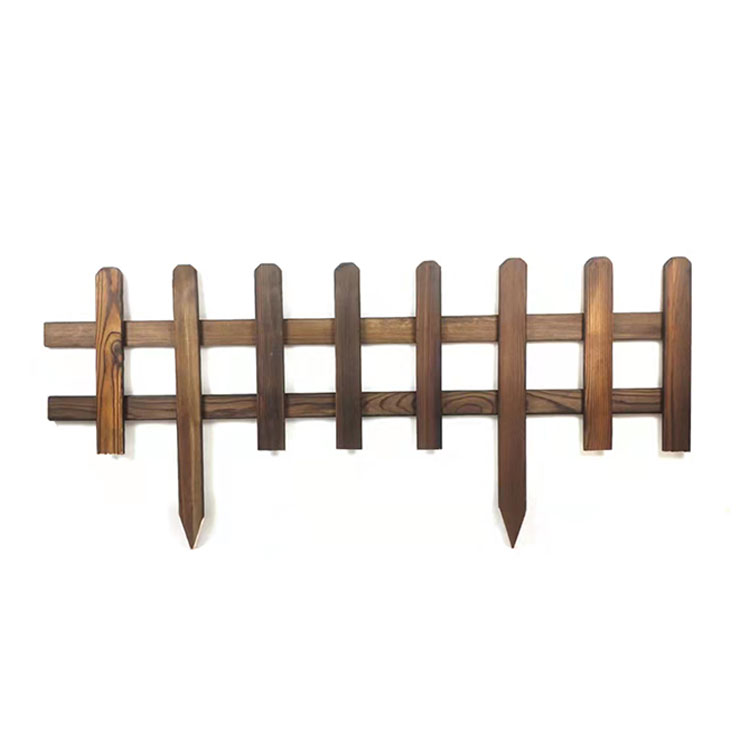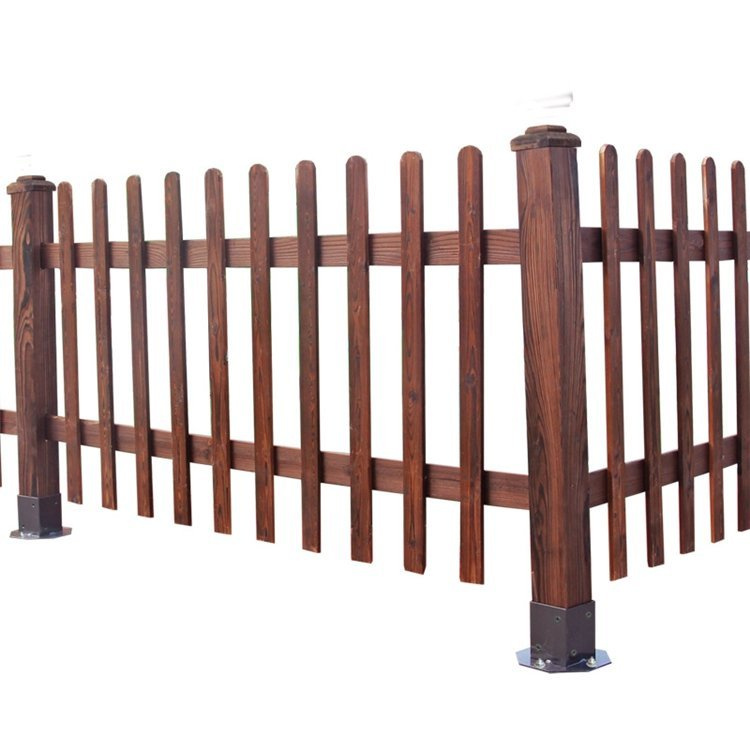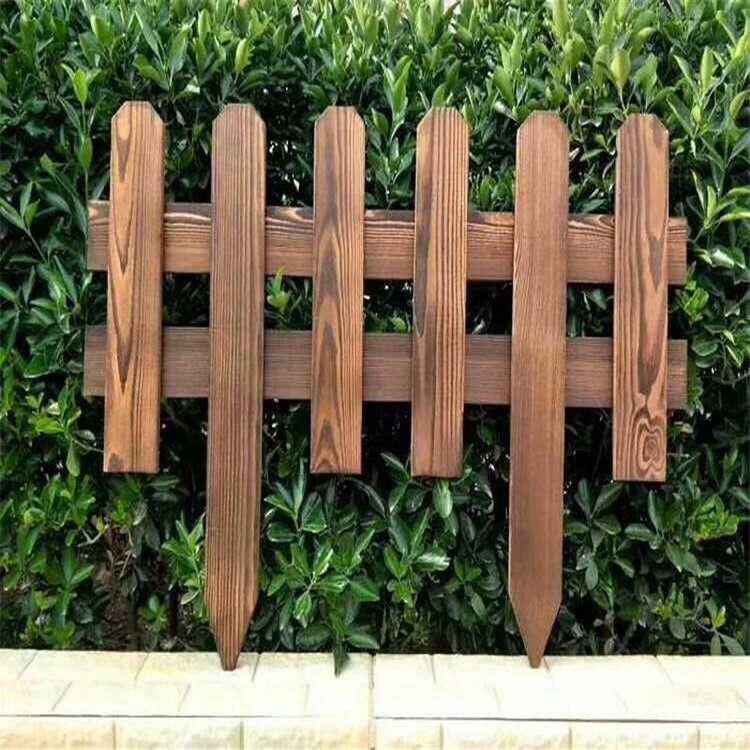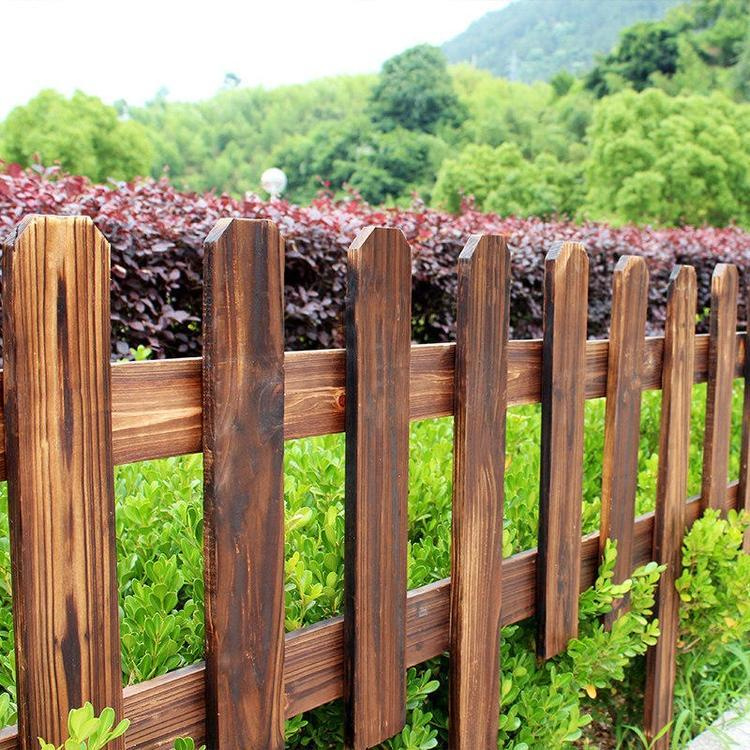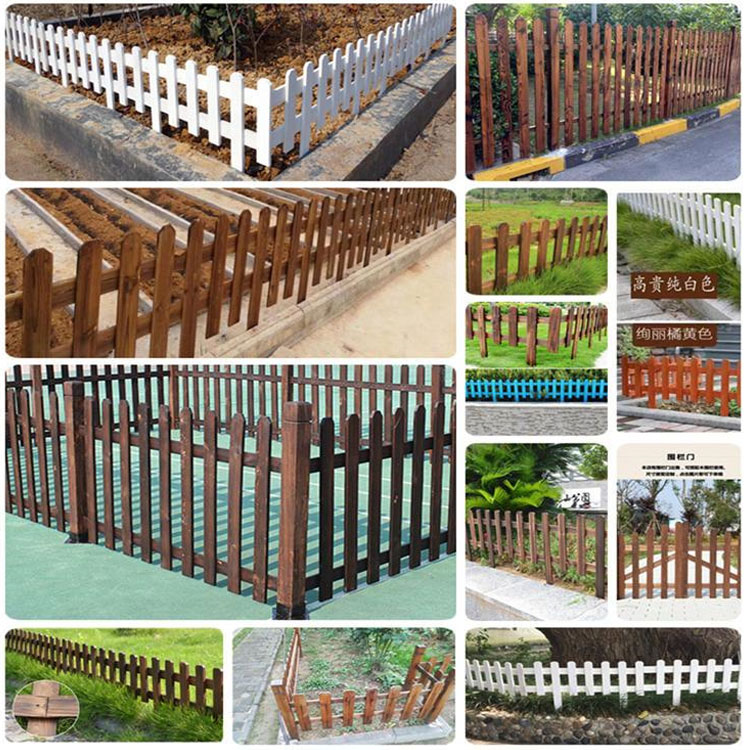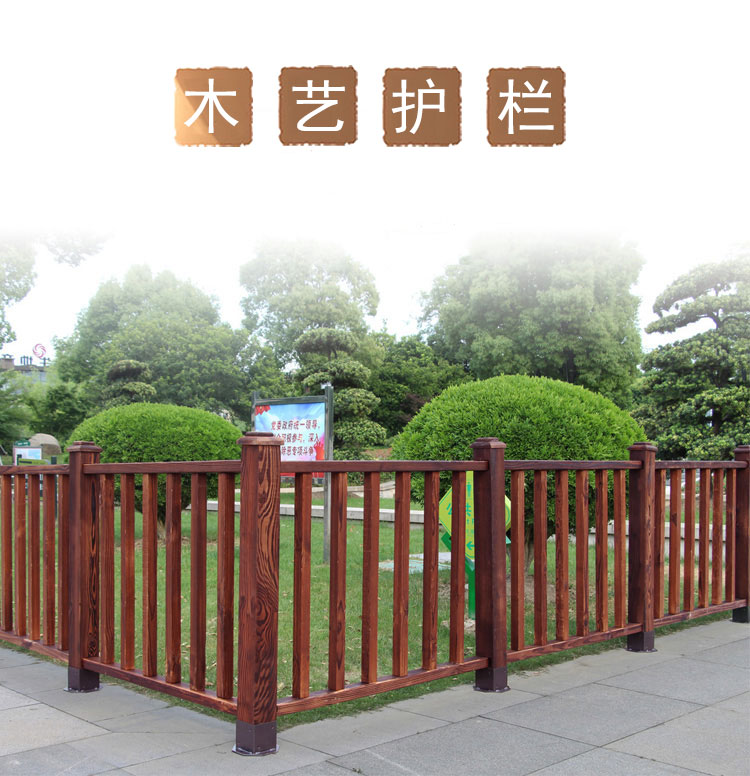

Wooden railing is primarily made from treated anti-corrosion wood with chemical agents, which is not a modification process but a protective measure, still retaining the original physical properties of wood. The original uses of the wood are maintained by the anti-corrosion wood, and its applications are expanded due to the chemical properties of the anti-corrosion wood.
Today, preservative-treated wood is extensively used in the maintenance and renovation of ancient Chinese architecture, as well as in municipal projects, parks, and residential communities. It is commonly applied to outdoor wooden structures such as fences, tree pit railings, wooden walls, boardwalks, leisure walkways, benches, flower beds, railings, trash bins, waiting sheds, and landscape bridges. Additionally, it can also be utilized in interior decorative works.
Due to the varying compositions of different preservatives, it is necessary to differentiate the treatment of wood with various preservatives for different locations.
Treated wood retains the natural, eco-friendly visual, tactile, and auditory properties of wood, but more importantly, it adds unique anti-corrosion features and certain flame-retardant properties. It is widely used in industries, agriculture (crop support wood), construction, and more. As people's requirements for living environments improve, its applications have gradually expanded to wooden别墅, flooring platforms, pergolas, balconies, wooden bridges, garden furniture, flower stands, pots, and various other outdoor wood products. It satisfies people's admiration for nature, simplicity, and organic beauty. Developed countries in Europe and America have been widely using it since the 1950s.