














 Section 1: Woodworking Machinery
Woodworking machinery processes wood, which is one of the earliest materials utilized by humans, closely related to human living, transportation, and daily use. Through long-term practice, humans have accumulated rich experience in wood processing. Woodworking machinery has evolved through continuous discovery, exploration, and creation in the long-term production process. In today's society, woodworking machinery is widely applied in the fields of wood processing and furniture manufacturing.
Section 2: Wood Industry Roller
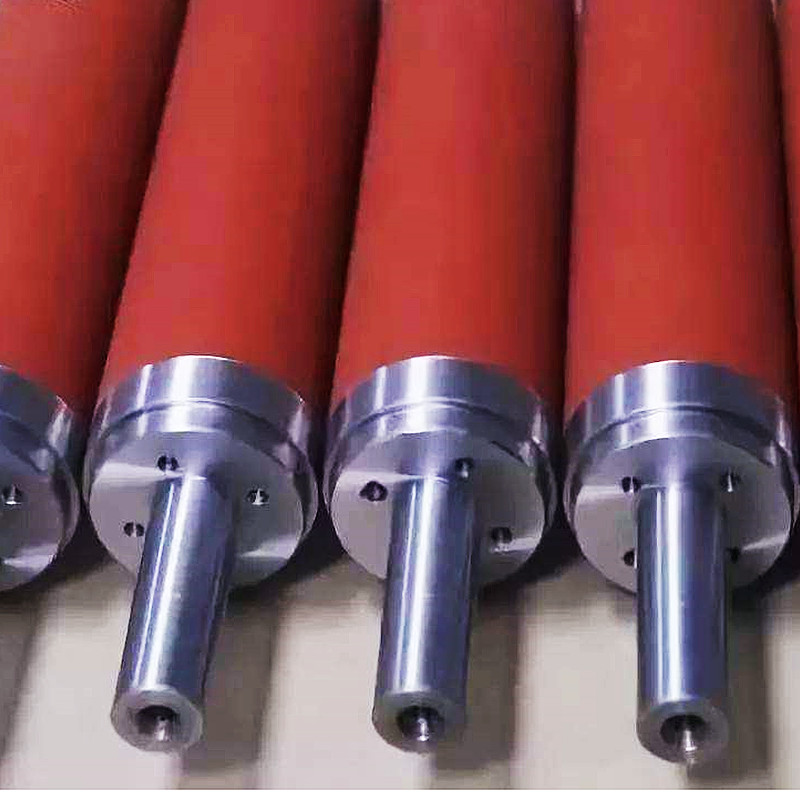
In many woodworking machinery applications, to accommodate functions like conveying and lifting, matching woodworking roller blades are required. Depending on the specific dimensions and processing widths of the woodworking machinery, the roller blade sizes you need to purchase will vary. Additionally, if you have specific requirements, please feel free to contact us. Send us the required dimensions or drawings, and we will provide targeted technical selection and quotations. To ensure the quality of the woodworking roller blades, the blades we ship are typically packed in wooden crates and entrusted to a reputable logistics company for delivery to your facility.
Section 3: Roller Analysis
1. The benefits of cooling for rubber roller products, of course, are not the only factor to consider. We also need to pay attention to the influence of rubber type and hardness on the technical specifications of rubber roller technology.
2. The type and hardness of the rubber are crucial for different applications, as various usage requirements call for different mechanical and chemical standards for rubber rollers. The hardness of wood industry rubber rollers can reflect the quality of the rubber to some extent; excessive hardness may enhance their corrosion resistance, while insufficient hardness may lead to a shorter service life due to poor compression and wear resistance. The principle for determining the hardness of wood industry rubber rollers is: the hardness should be appropriately reduced, ensuring good conveying capability and sufficient resistance to chemical corrosion and physical effects.
3. In the *** application, selecting the appropriate type of rubber can prevent quality issues caused by the rubber roller, ensuring relatively stable and smooth operation. It is also important to understand that rubber rollers used in different locations have varying performance characteristics.











