













Product Working Principle of Electronic Belt Scale:
Electronic belt scale bridge beams are installed on conveyor frames. When material passes through, the metering drum detects the weight of the material on the belt and transmits it to the weighing sensor via a lever, producing a voltage signal that is directly proportional to the belt load. A weighing sensor is mounted on the weighing bridge frame on the belt scale. During operation, the weight of the material on the belt is sent to the weighing instrument, while the speed signal of the belt conveyor from the speed sensor is also sent to the weighing instrument. The instrument integrates the speed signal with the weighing signal, obtaining instantaneous flow rate and cumulative volume. The speed sensor is directly connected to the large diameter speed roller, providing a series of pulses, each representing a belt movement unit, with the pulse frequency directly proportional to the belt speed. The weighing instrument receives signals from the weighing sensor and the speed sensor, calculates an instantaneous flow rate and cumulative weight value through integration, and displays them separately. The weighing frame structure of the electronic belt scale's load-bearing device mainly includes four types: double lever multi-drum, single drum, cantilever, and floating. The electronic belt scale measurement section of the double lever multi-drum and floating frame types is longer, usually 2 to 8 sets of drums, with high accuracy, suitable for places with high flow rates and high accuracy requirements. The belt speed of the electronic belt scale with the single drum and cantilever frame can be determined by the manufacturer and is suitable for places with lower flow rates or for controlling flow rate batching.
ICS Electronic Belt Scale Product Showcase: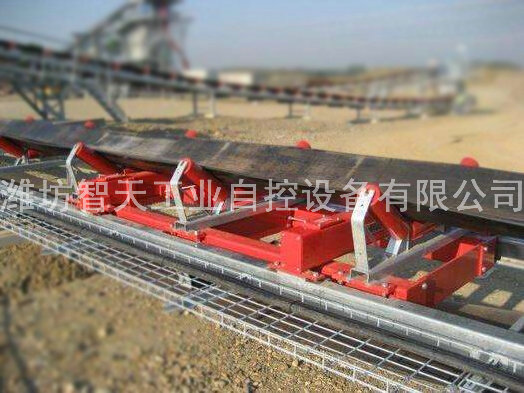
WeChat Official Account

Scan to follow Official Account











