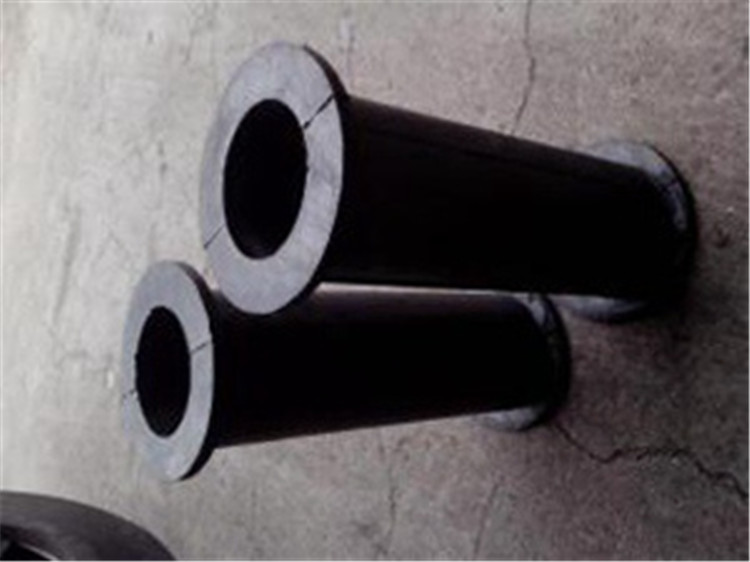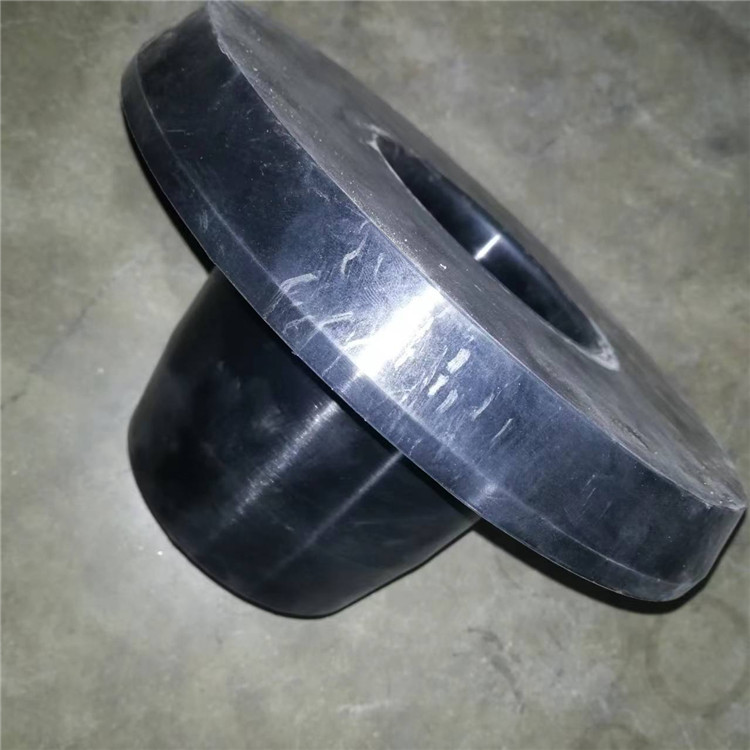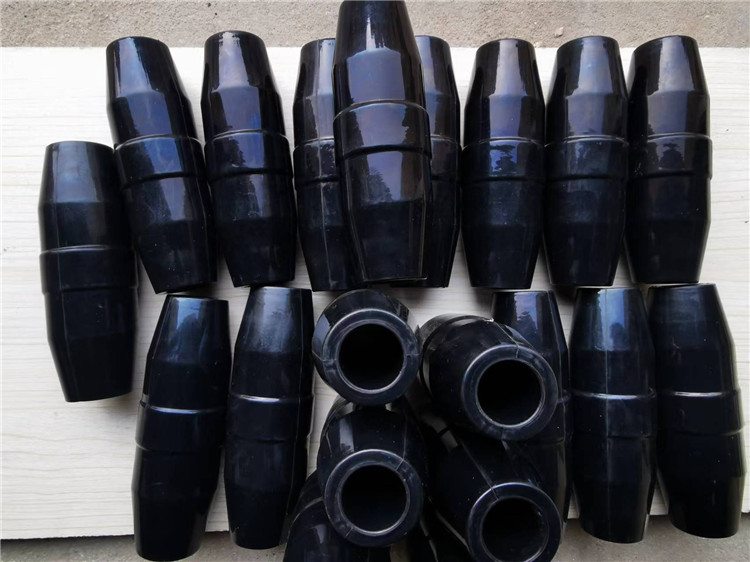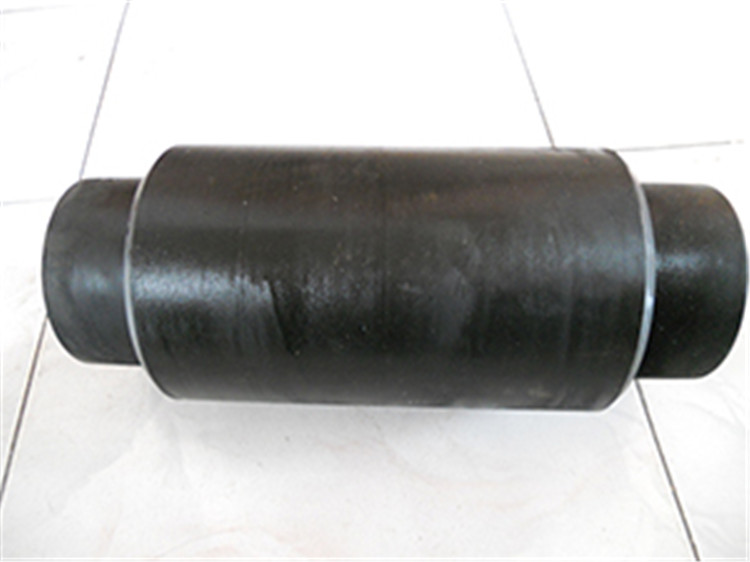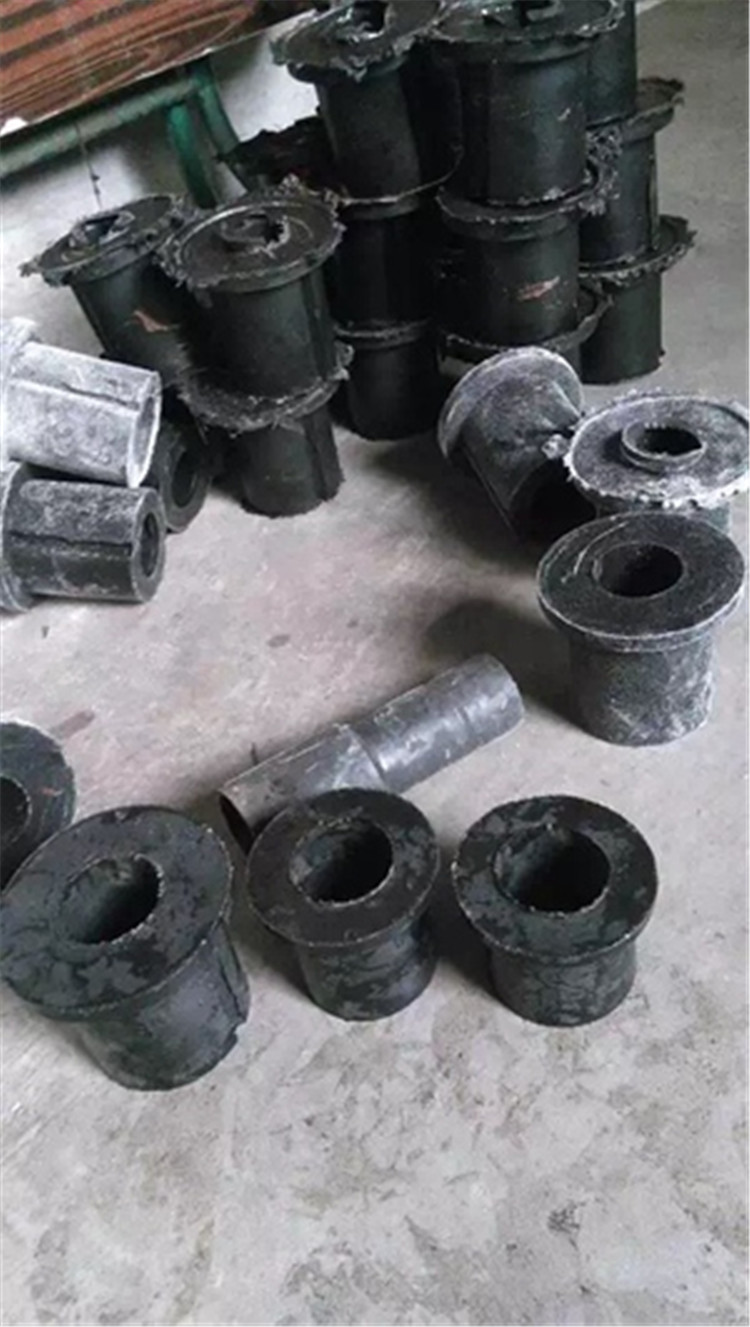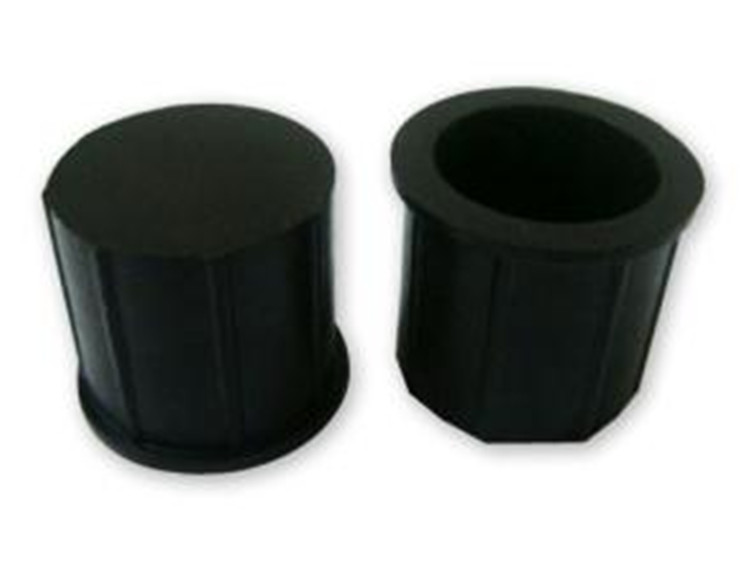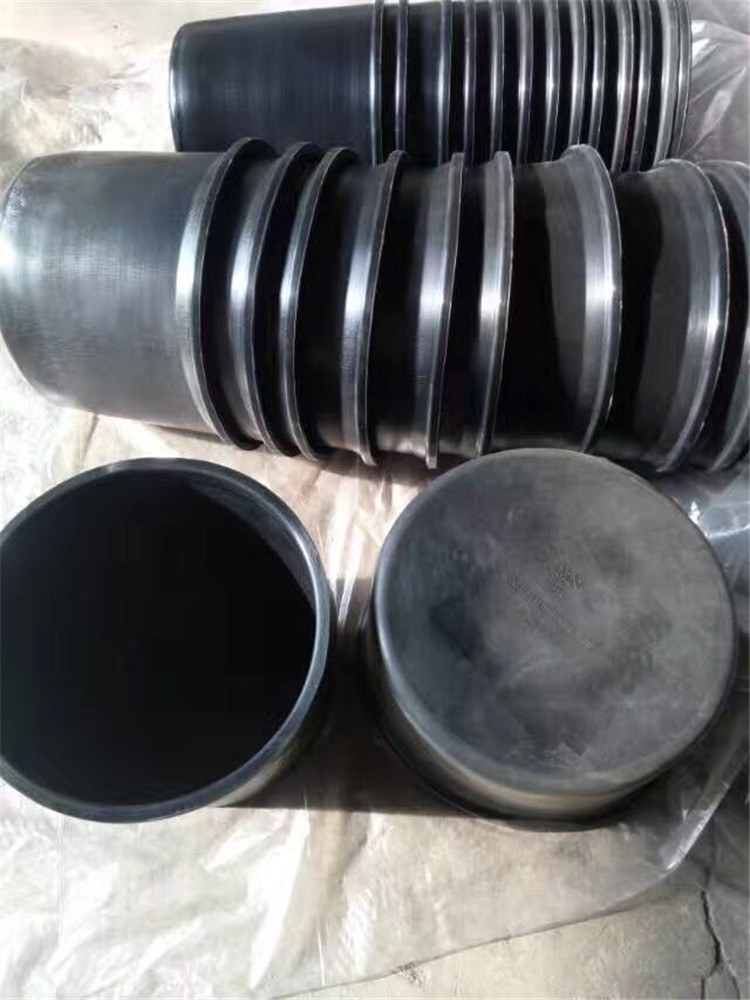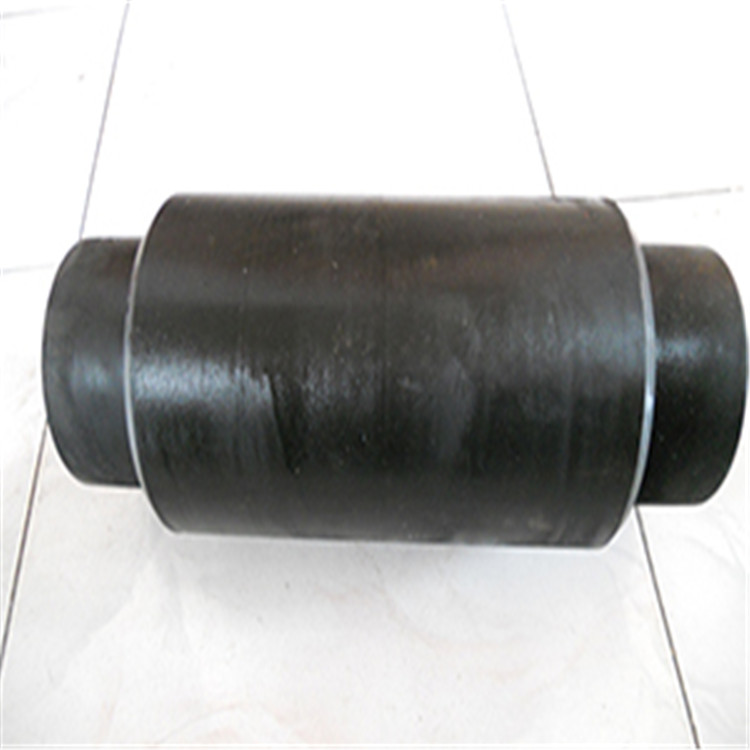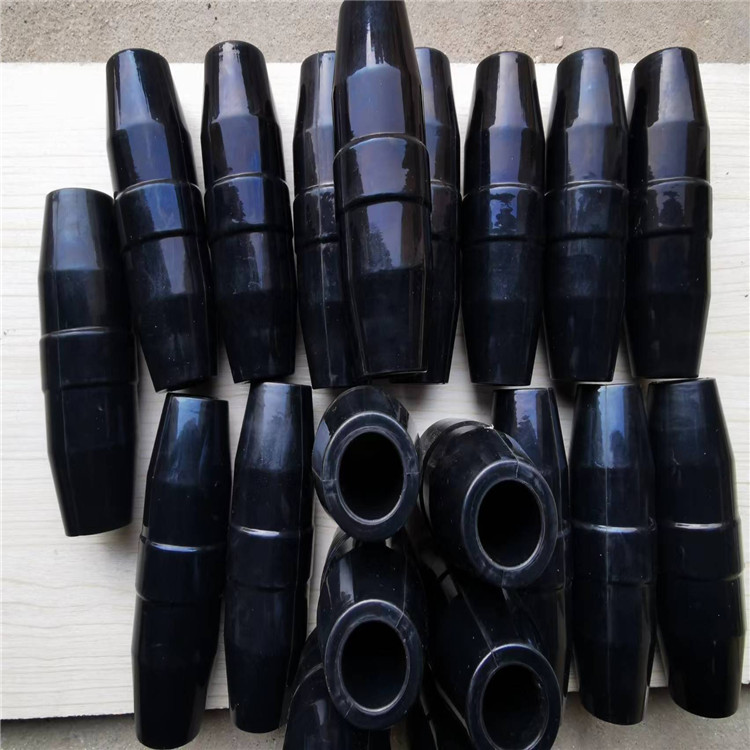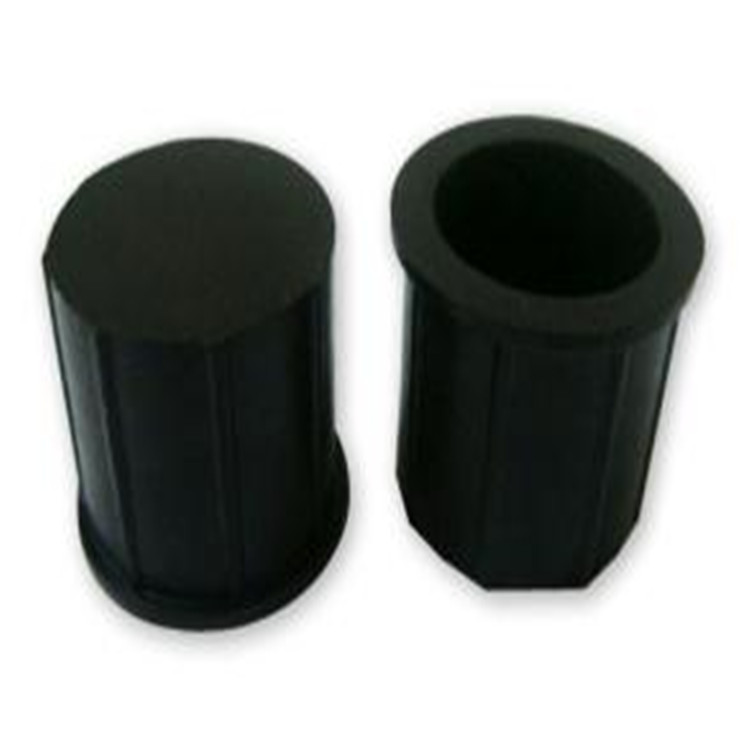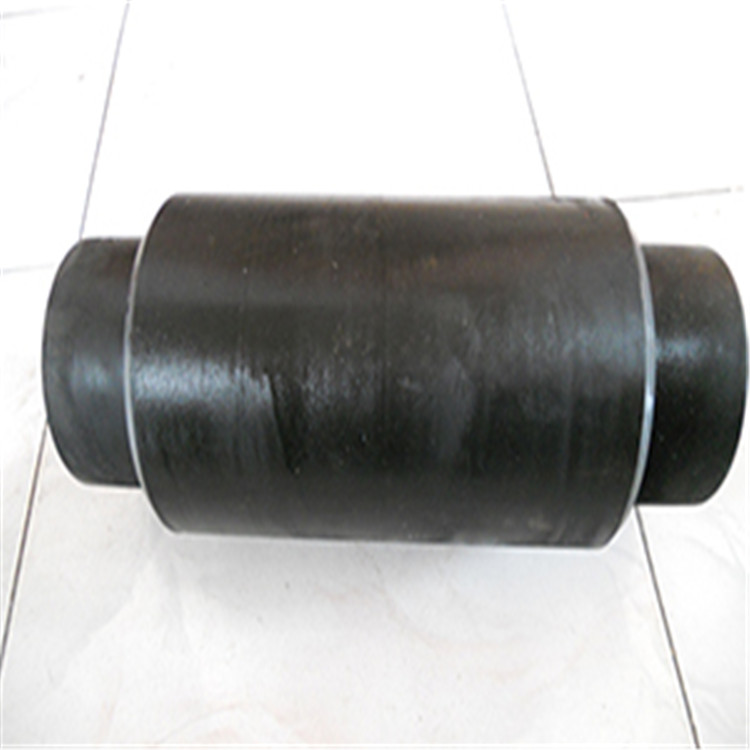



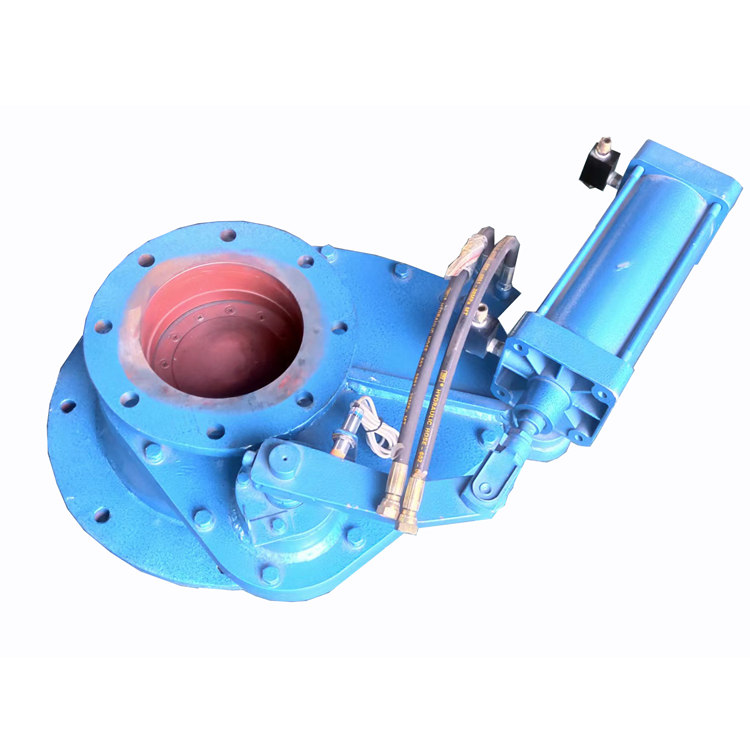
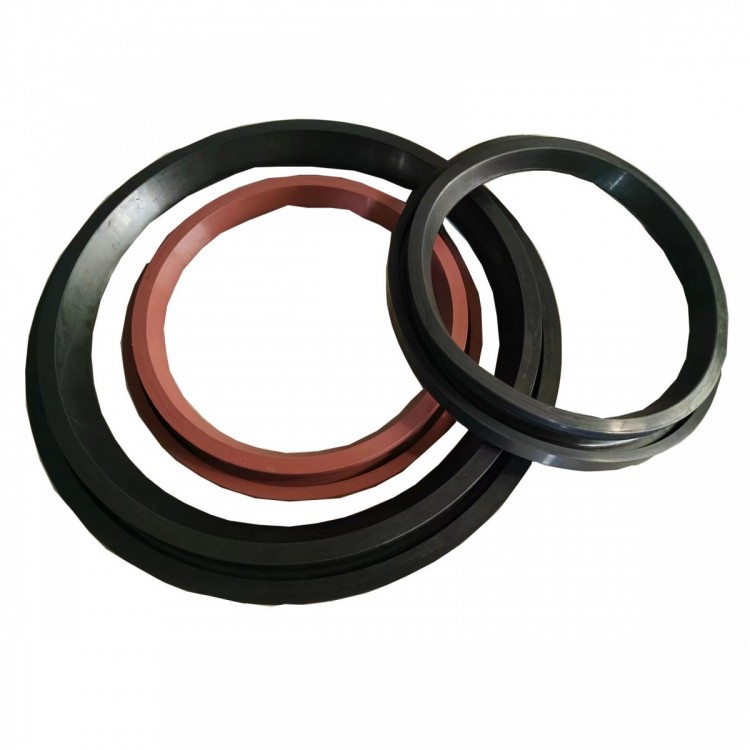
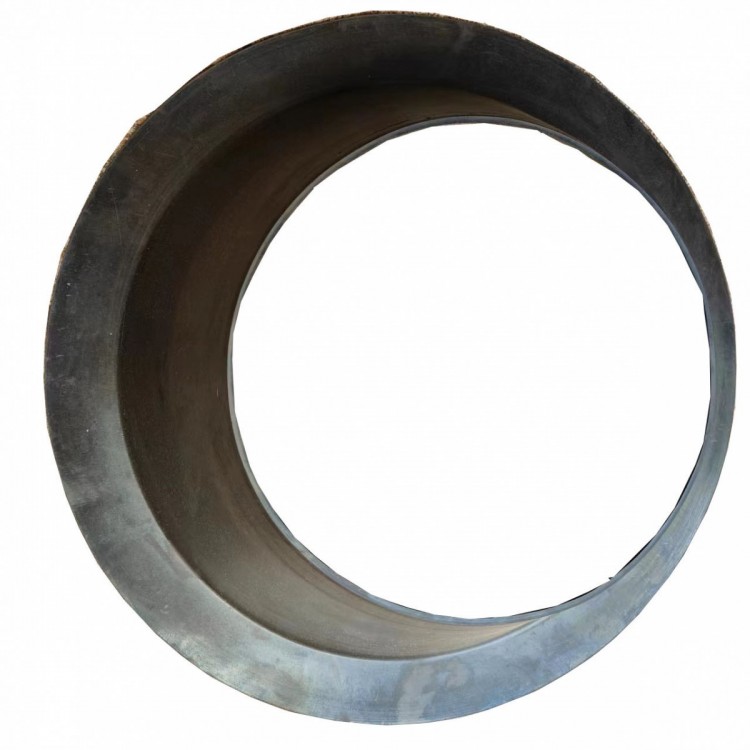
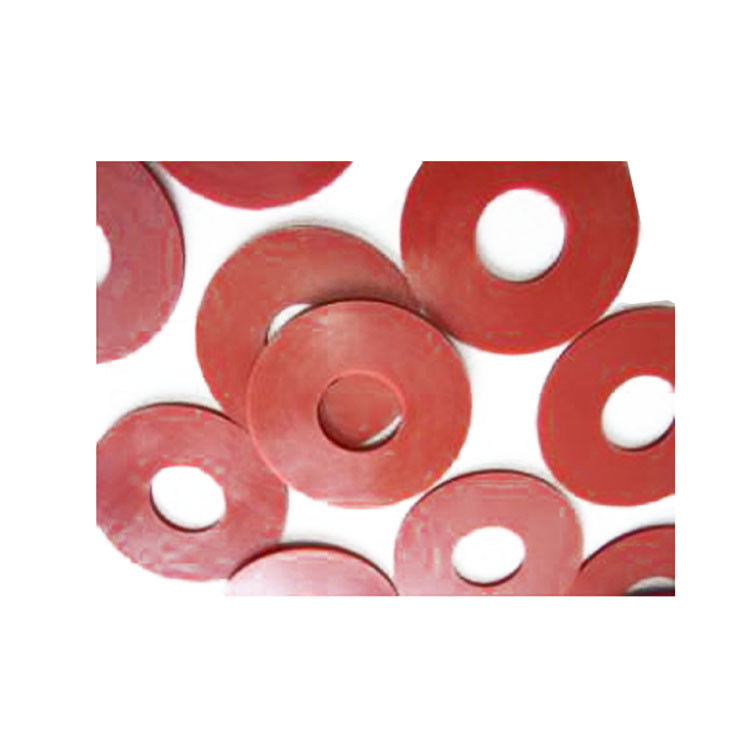






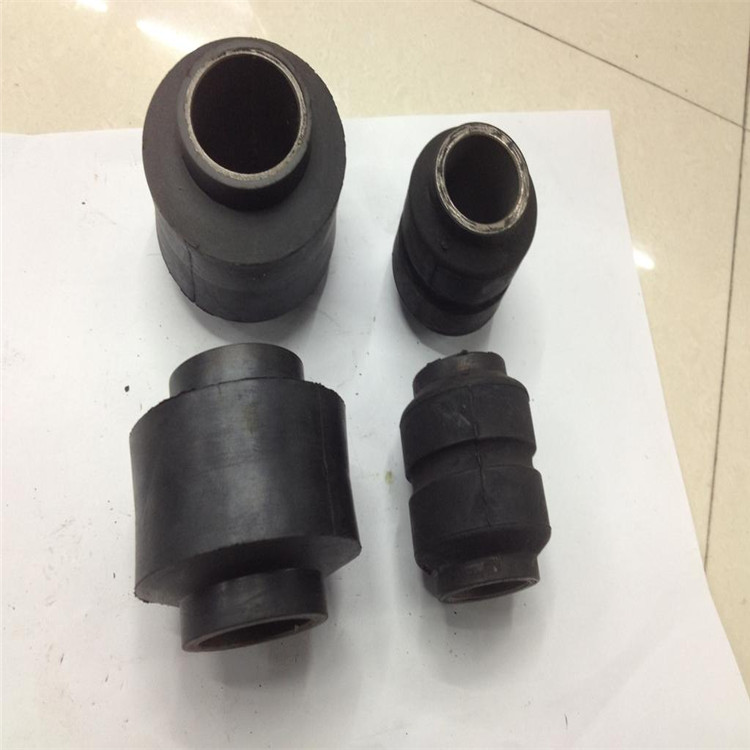
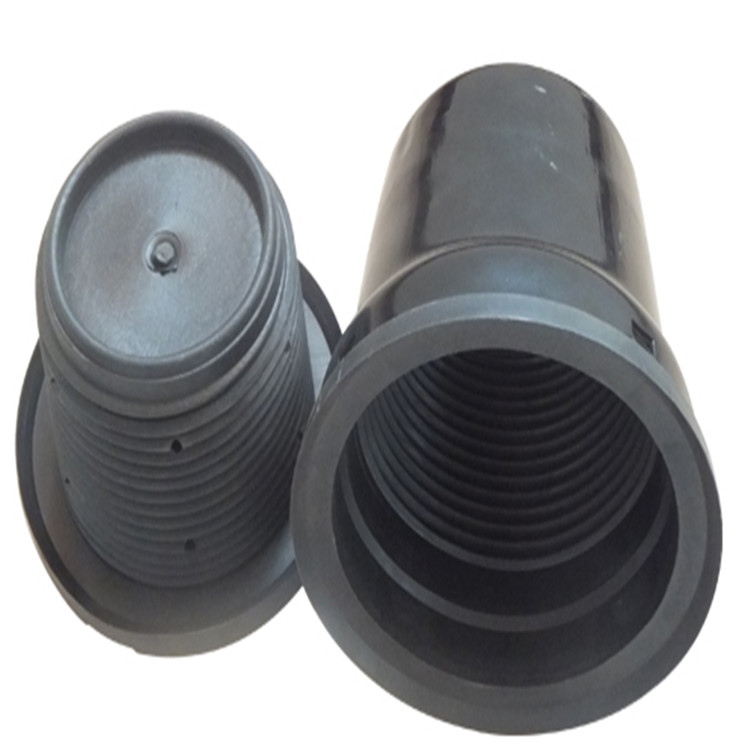
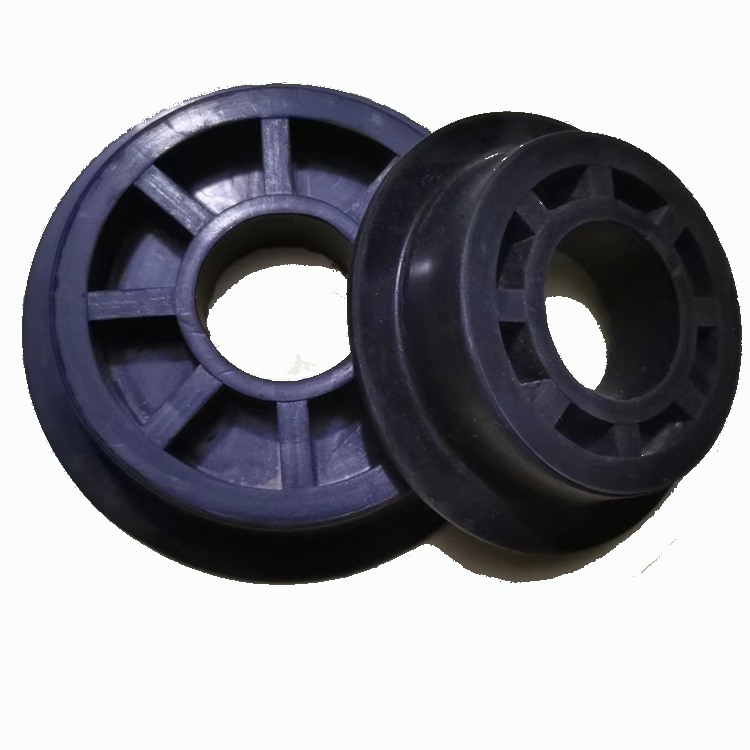
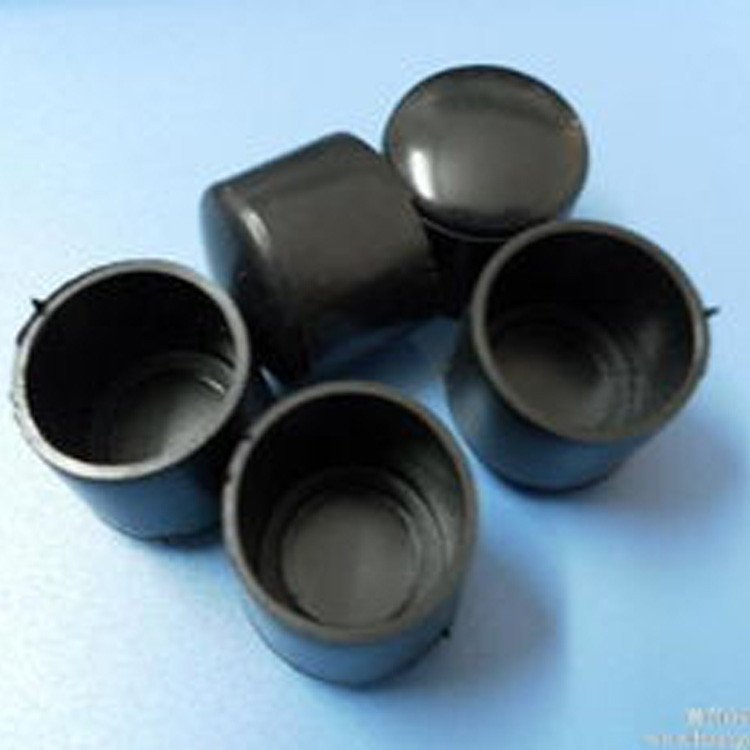
Rubber cylinders are made of rubber, featuring softness and elasticity.
The color of the rubber cylinder is achieved by adding a certain proportion of color paste to the silicone raw material. Theoretically, all colors from the PANTONE color card can be mixed, but in practice, there may be some degree of color variation.
Product Features:
Resistant to high temperatures up to 300 degrees and low temperatures down to -50 degrees.
2. Unique self-adhesive smooth surface, excellent anti-slip stability, vibrant colors, and decorative.
3. Health and eco-friendly, odorless, shockproof, anti-mold, and UV-resistant
4. Elegant and attractive, soft and comfortable, placeable at will
5. High elasticity, high tear strength, good flatness, and high temperature resistance
6. Eco-friendly and non-toxic, wear and slip-resistant, anti-aging, corrosion-resistant, durable and long-lasting.
The material of the rubber tube is a highly active adsorption material, belonging to amorphous substances, with the chemical formula of mSiO2•nH2O. It is insoluble in water and any solvent, non-toxic and odorless, chemically stable, and does not react with any substance except for strong alkalis. The chemical composition and physical structure of the silica gel determine its unique characteristics that are difficult to be replaced by other similar materials: high adsorption capacity, good thermal stability, stable chemical properties, and high mechanical strength.
Production Process
Rubber cylinders are silicone rubber products produced by molding with high-temperature rubber as the main raw material.
Rubber cylinders must undergo the following processes:
1. Sourcing materials
including mixing of raw rubber, color matching, and material weight calculation
Utilizing high-pressure equipment under high temperatures to solidify silicone raw materials into a molded form.
3. Peak Cap
The silicone sleeve products removed from the mold will come with some unnecessary burrs and particle debris, which need to be removed; currently, in the industry, this process is entirely completed manually, with some factories also using punch presses.
Screen Printing
This process is used only for rubber tube products with patterns on the silicone sleeve surface. Surface treatment includes dust removal.
5. Spray Painting
Silicone products are easily prone to attracting dust from the air in their normal state and possess a certain stickiness. Applying a thin layer of touch oil to the surface of the rubber tube can prevent dust while ensuring a comfortable grip.
6. Miscellaneous
Additional processes include extra functionalities applied to the rubber cylinders by the vendors, such as drip glue application, laser engraving, P+R treatment, optimized packaging, and assembly with other materials and components.