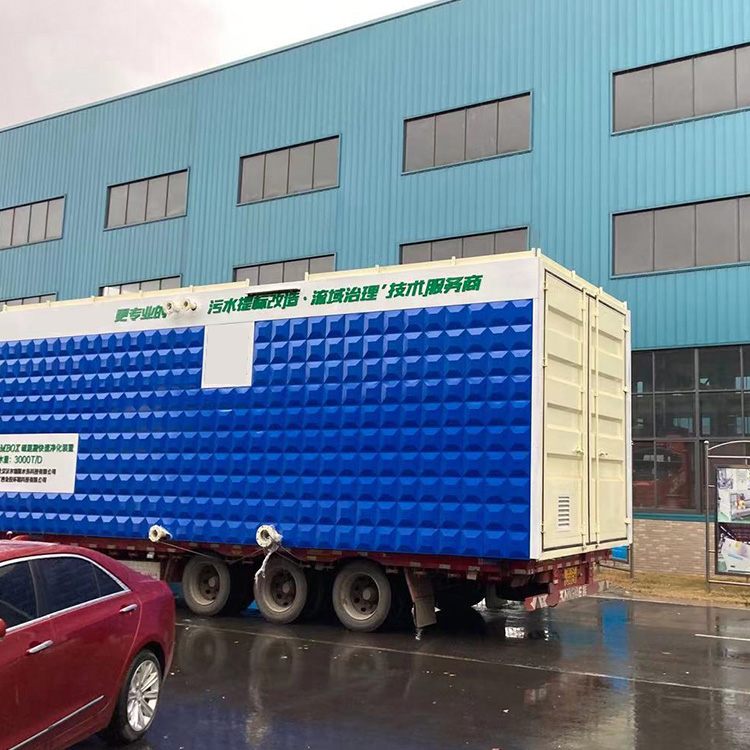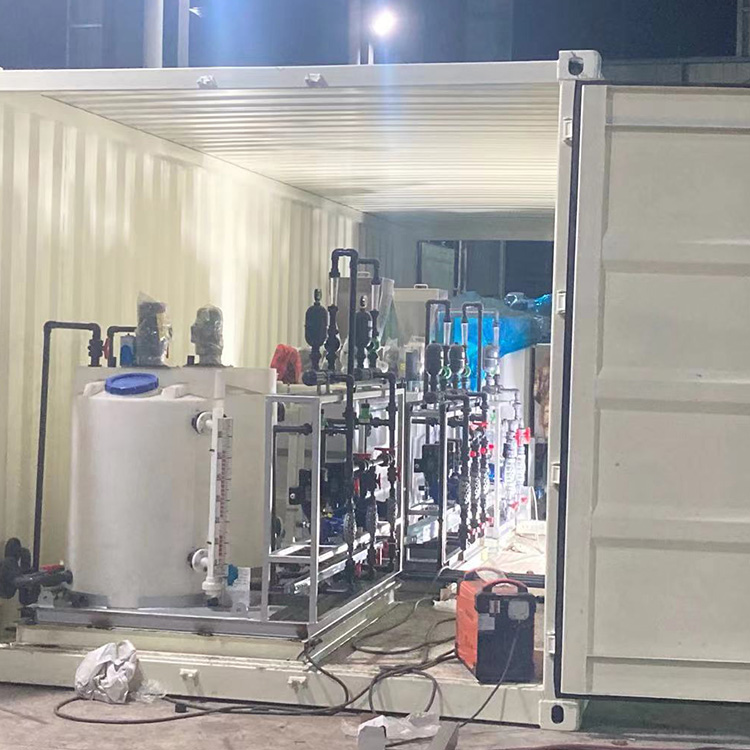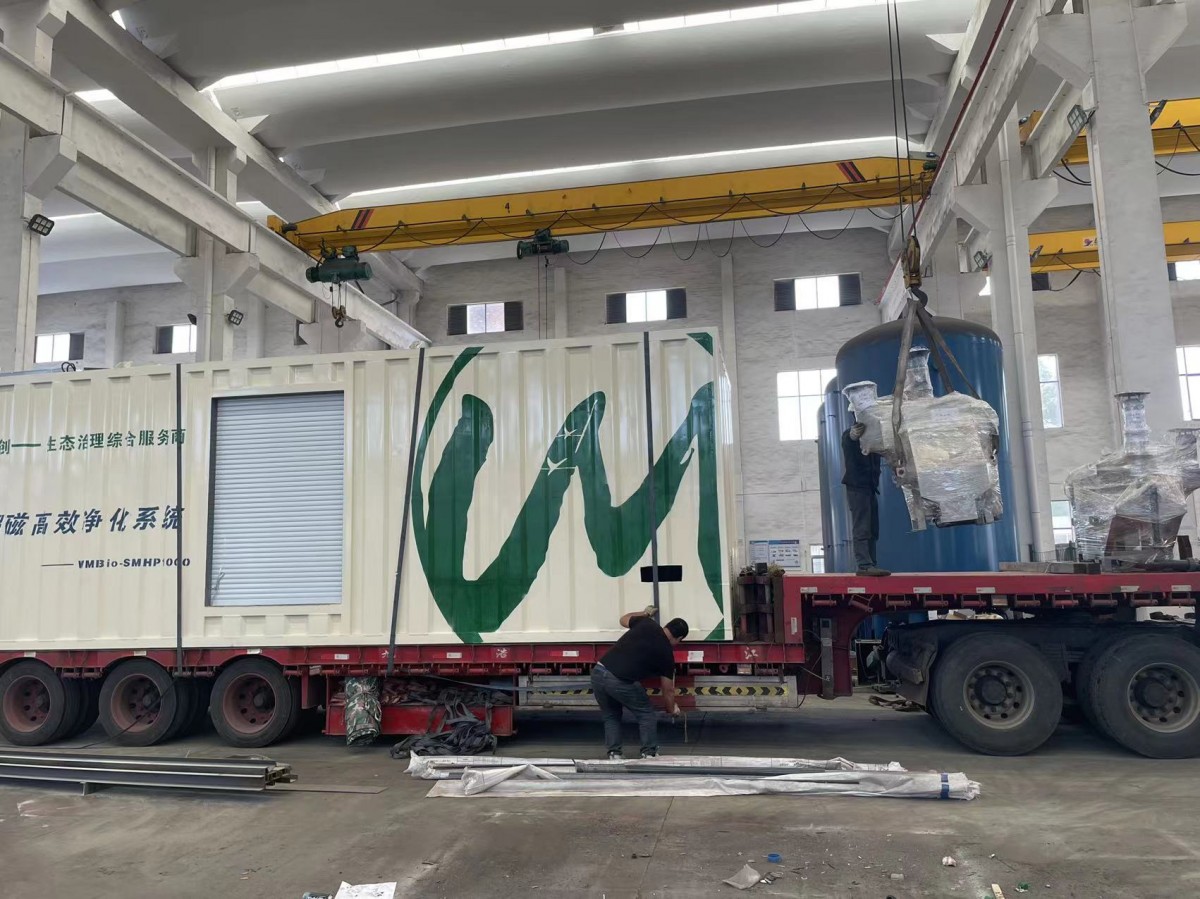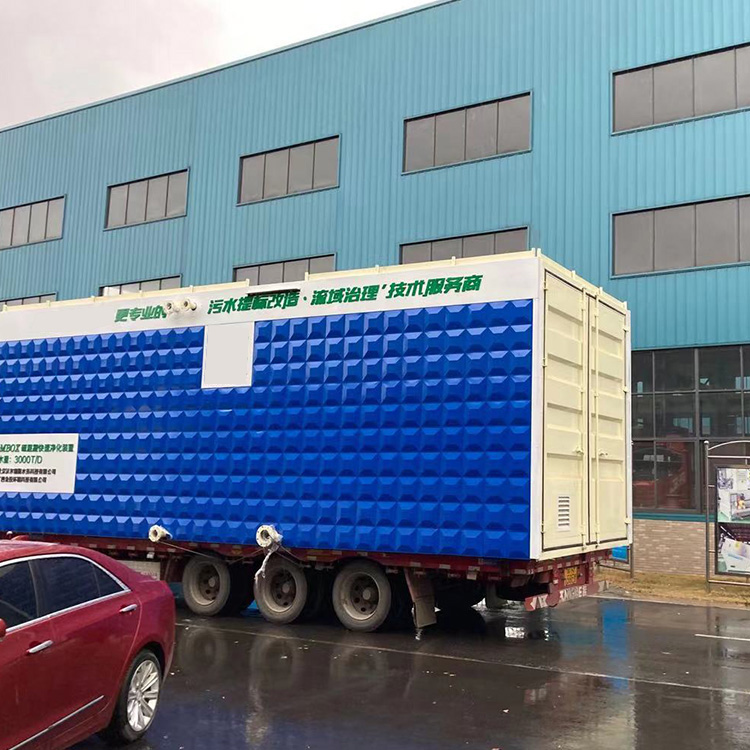

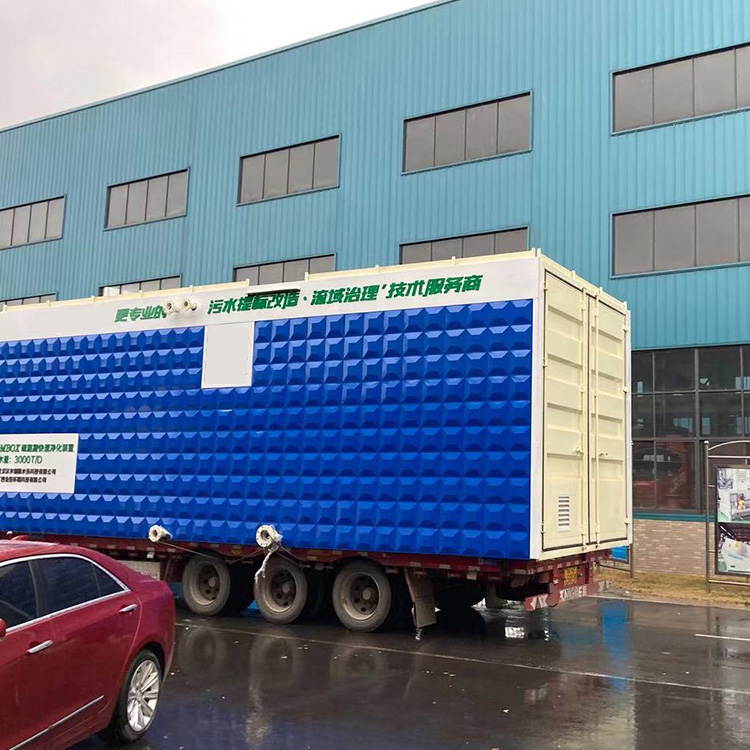
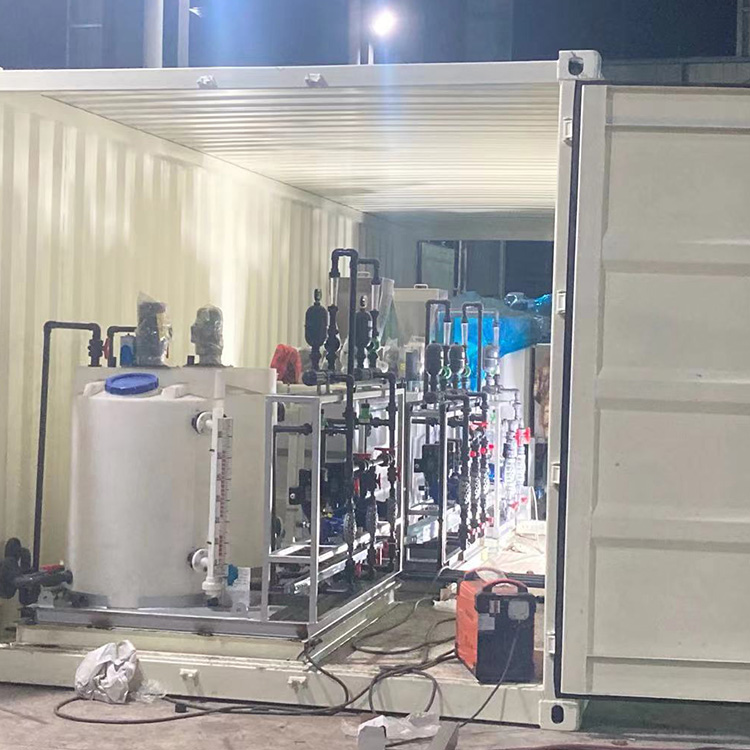
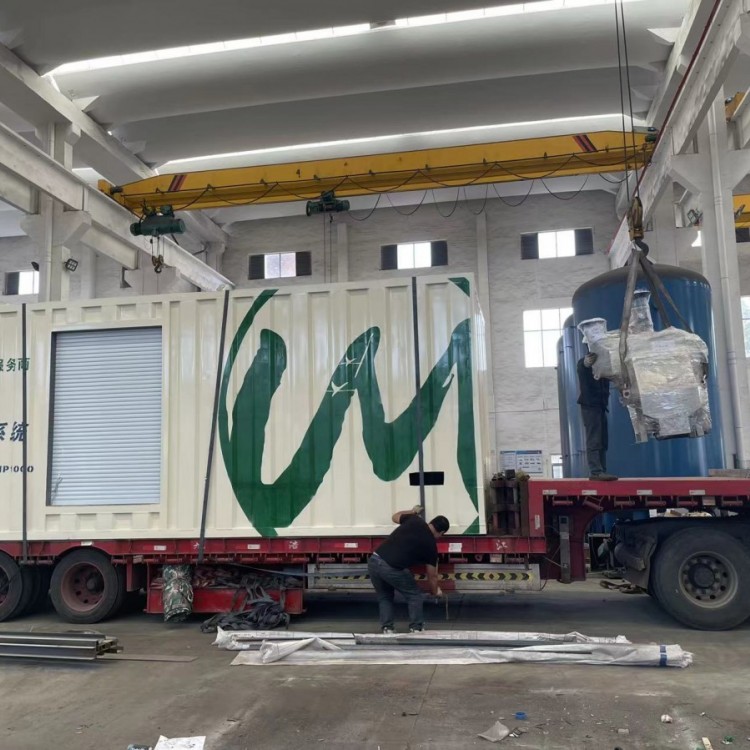










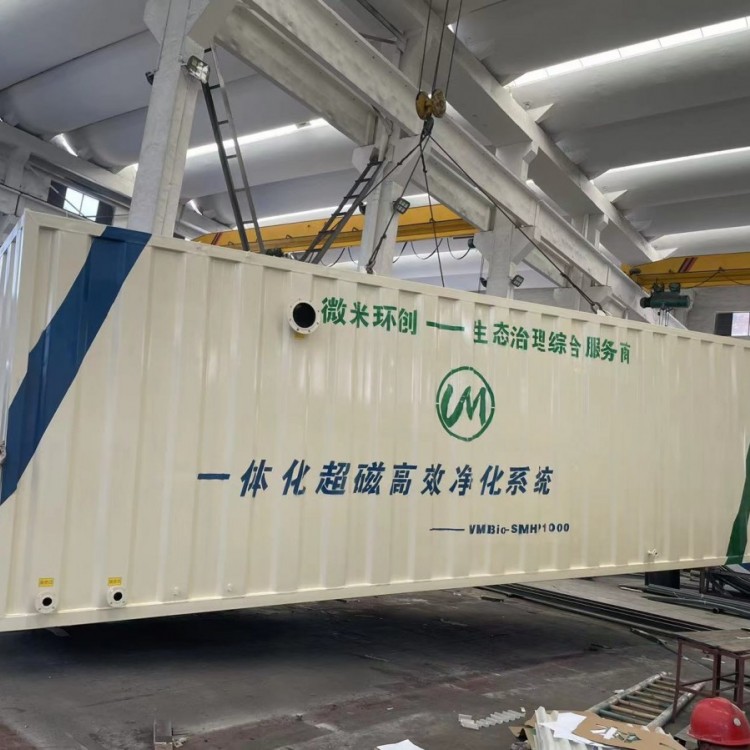
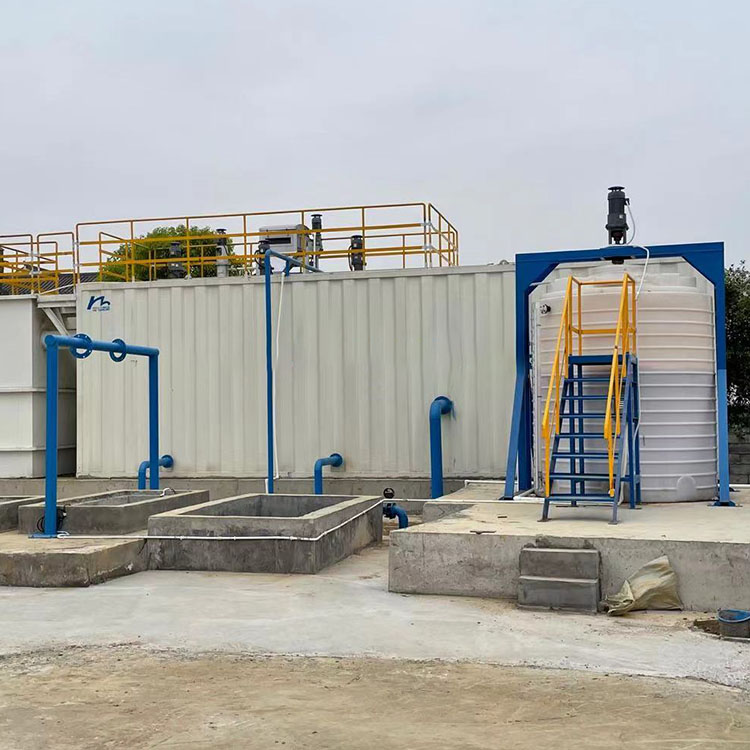

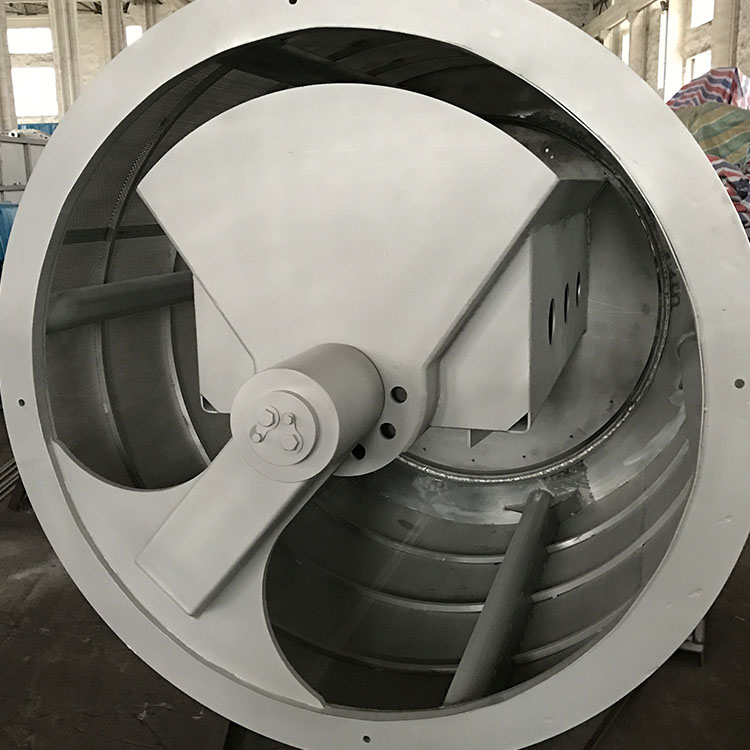
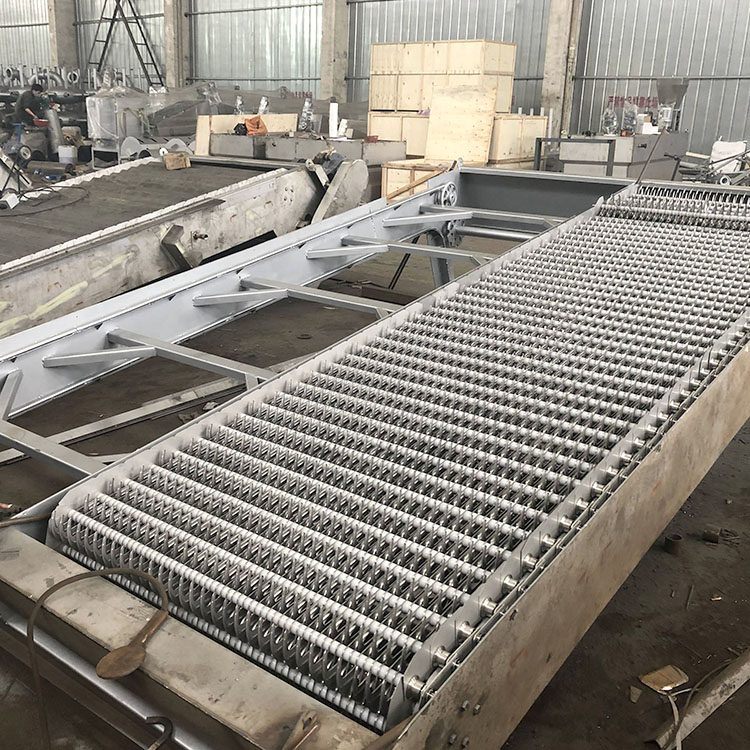
The magnetic coagulation sedimentation technology involves simultaneously adding magnetic powder to the conventional coagulation sedimentation process, allowing it to bind with pollutants into a single entity, thereby enhancing the coagulation and flocculation effects. This results in the formation of flocs with greater density and strength, achieving rapid sedimentation. The magnetic powder can be recycled and reused through magnetic drums.
Magnetic flocculation mechanism
Based on the coagulation mechanism, the addition of coagulants primarily alters the surface properties of colloids or suspended particles, causing the attractive energy of colloids or flocs to exceed the repulsive energy, thereby promoting aggregation. The role of flocculants, on the other hand, is mainly to increase particle aggregation through bridging.
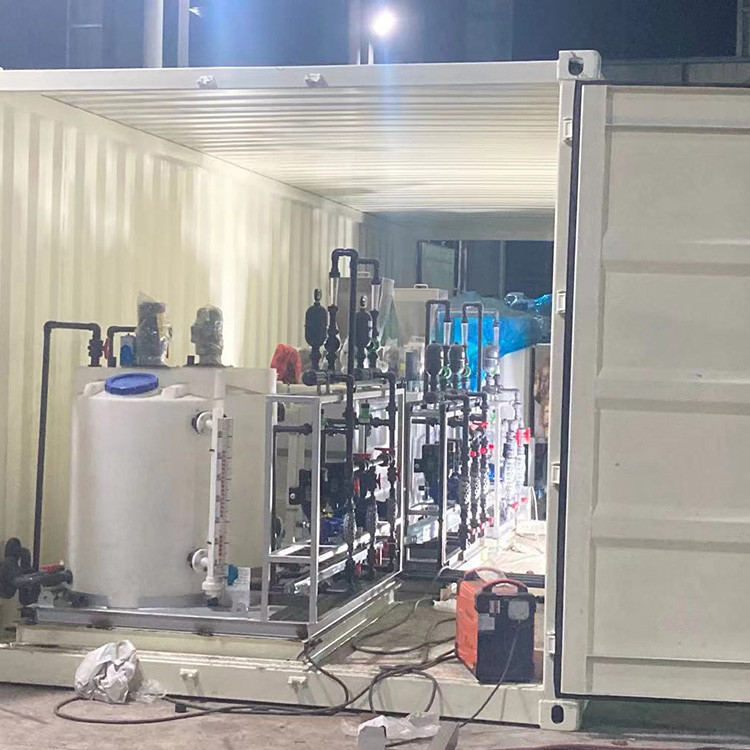
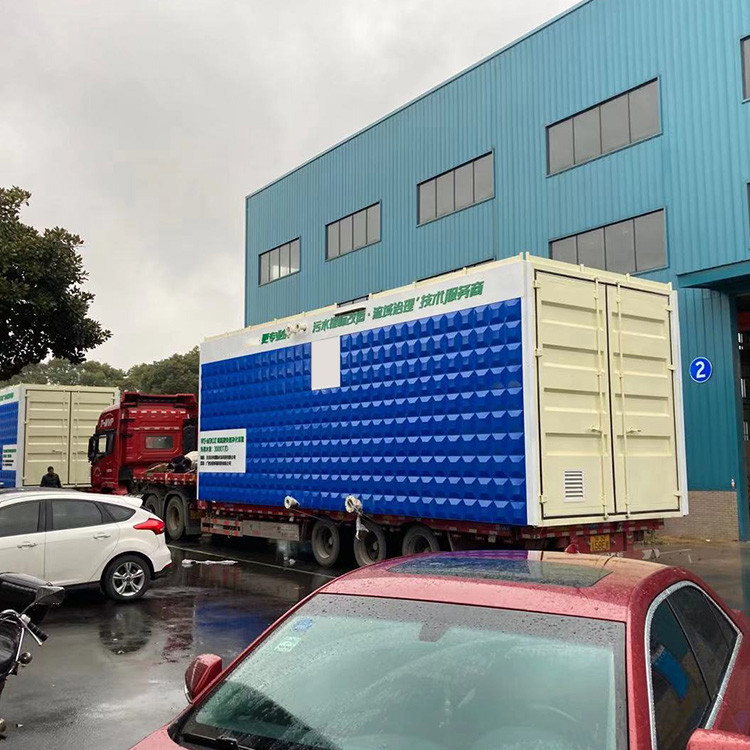

The formation process of magnetic flocs is similar to that of non-magnetic flocs, both completed under the action of coagulants. The test results of the ζ potential of the magnetic powder indicate a negative charge on the surface (ζ = -10.5 mV). From this, we can infer the following process of magnetic floc formation: Firstly, the positive ions produced by the hydrolysis of the coagulant are aggregated around the negatively charged colloidal and magnetic powder particles due to the adsorption and electrical neutralization; then, due to the disappearance of electrostatic repulsion, the colloidal and magnetic powder particles grow larger through van der Waals forces; finally, through the bridging action of the flocculant, the aggregates are further flocculated into large flocs and precipitated. It is evident that the magnetic flocculation reaction involving magnetic powder is essentially the same as the one without magnetic powder, as the coagulant's mechanism of action applies equally to the magnetic powder, just as it does to other fine suspended particles. Existing coagulation theories are also guiding for magnetic flocculation reactions, and all enhanced coagulation measures will promote the magnetic flocculation reaction.