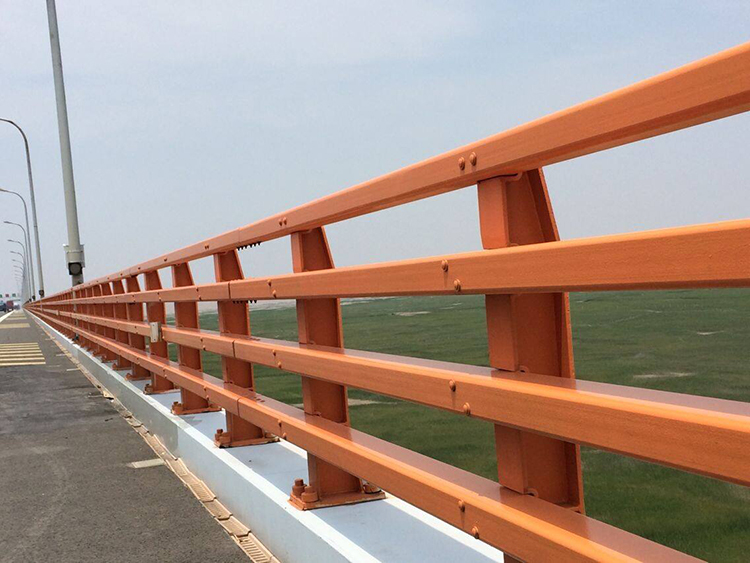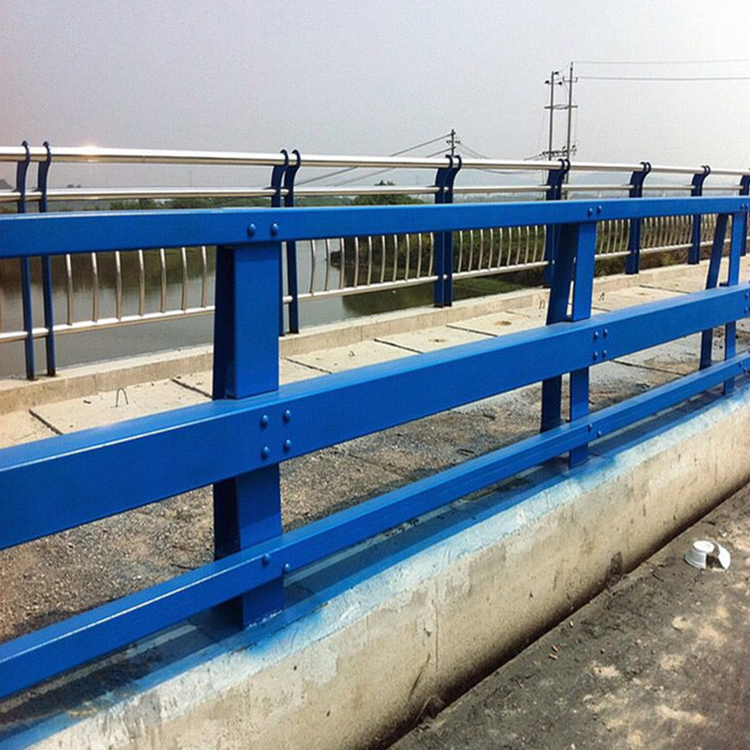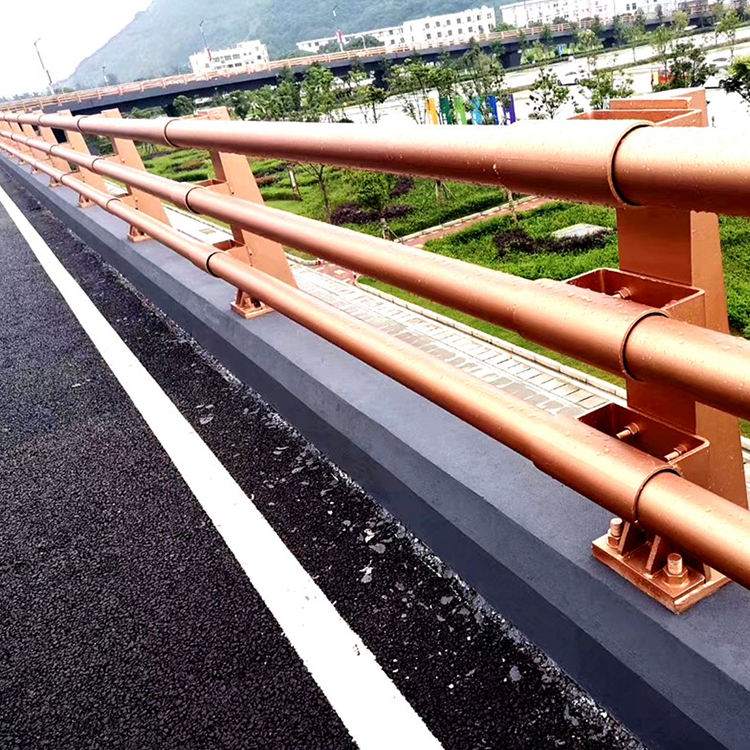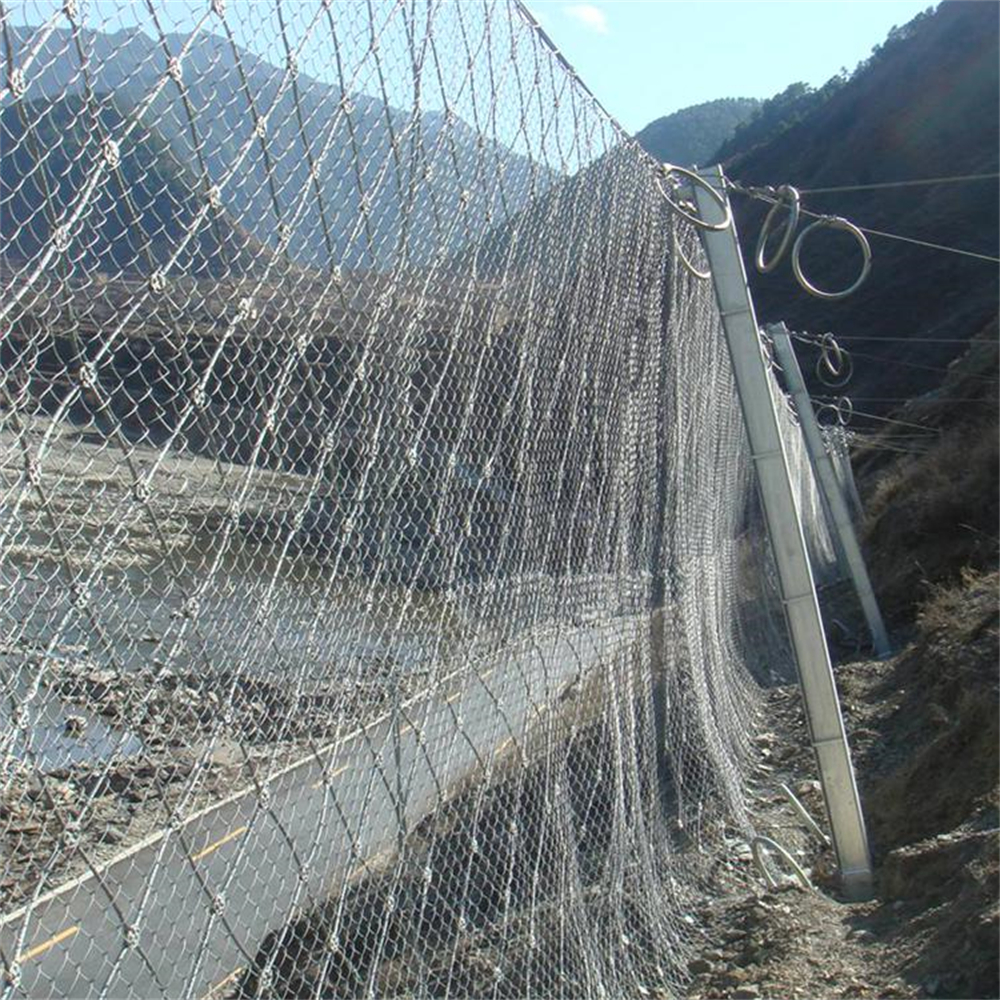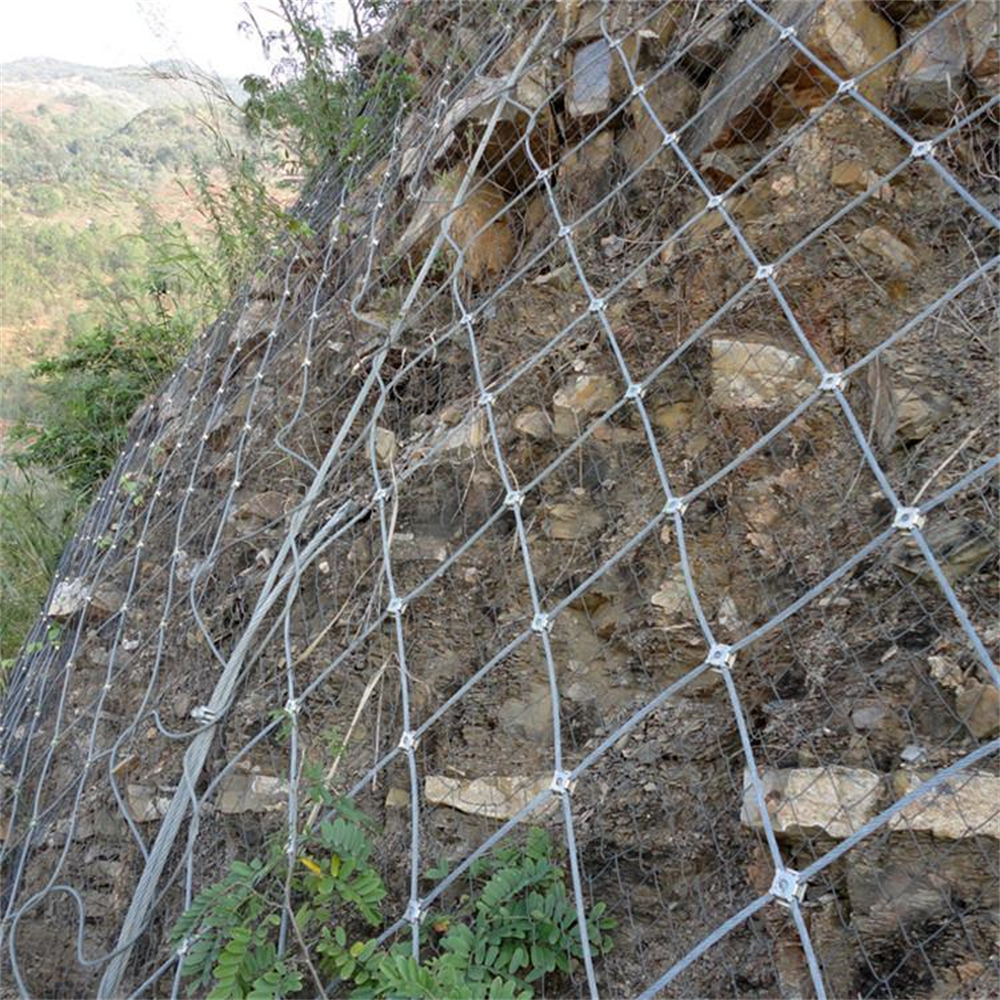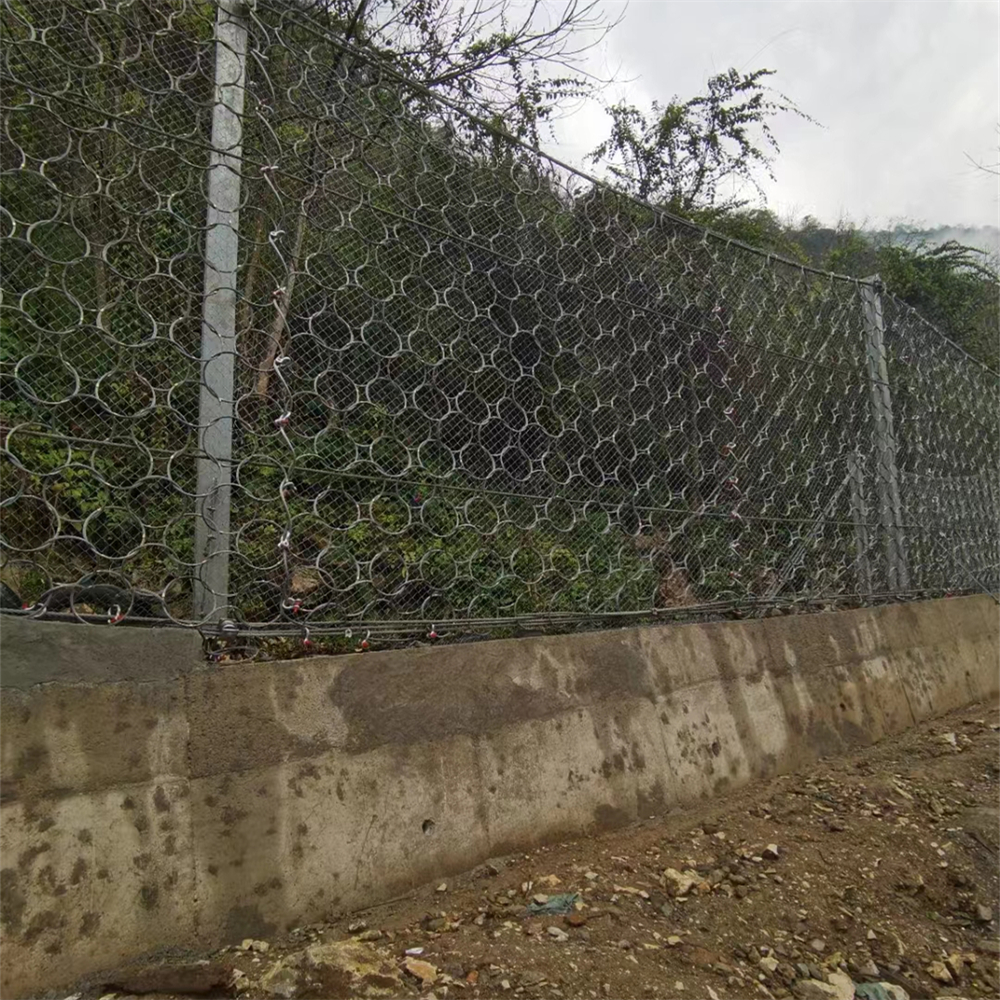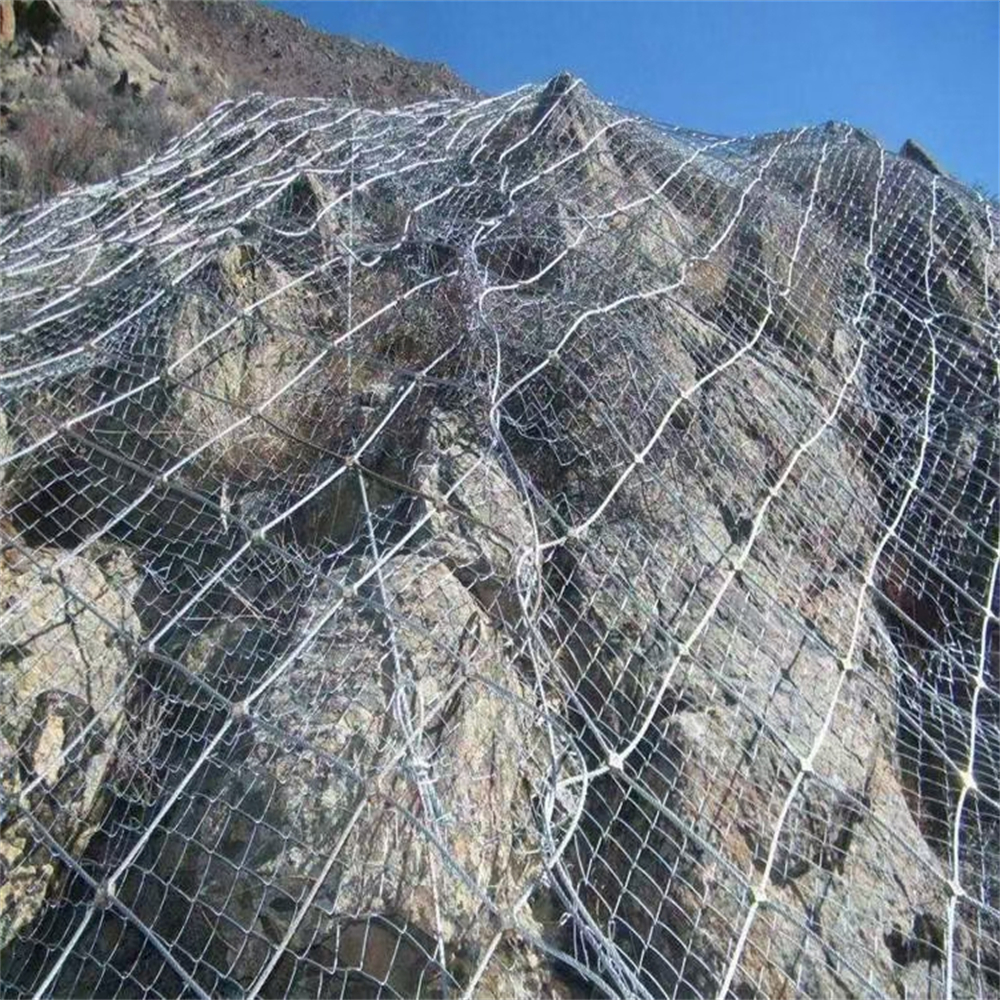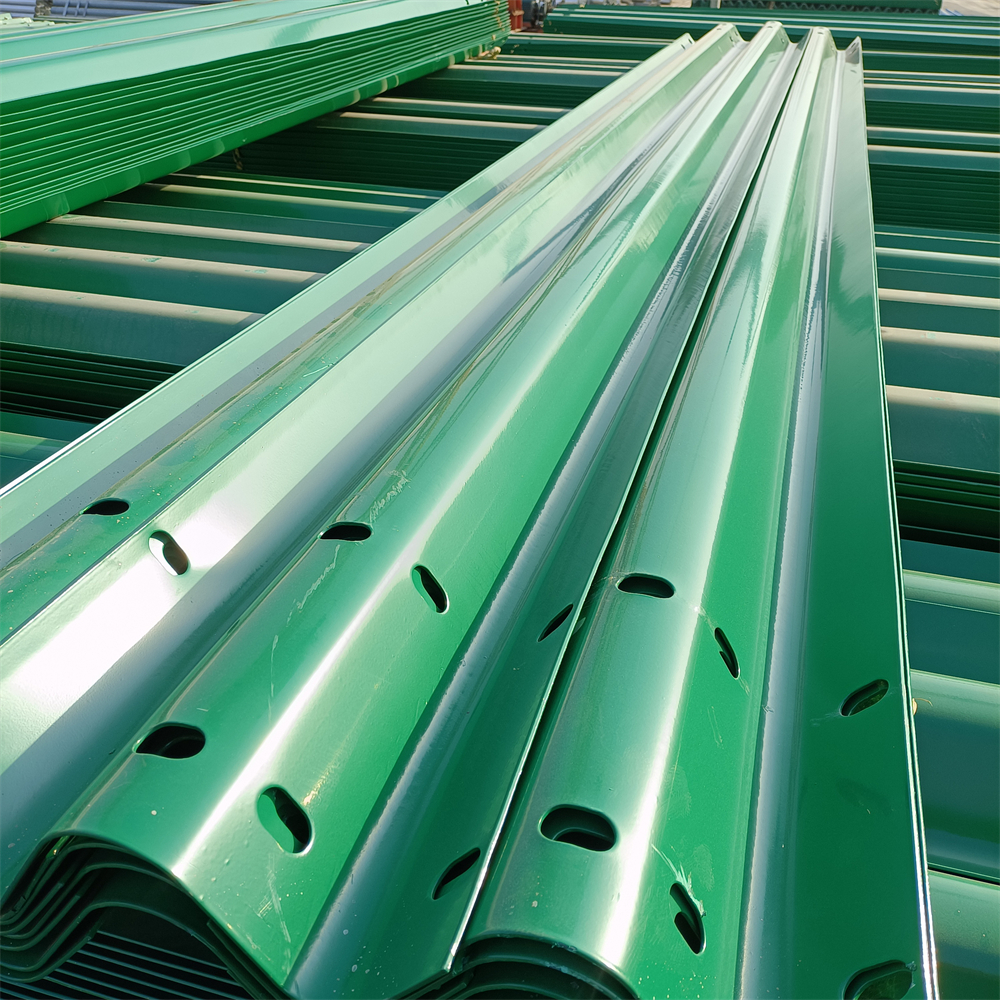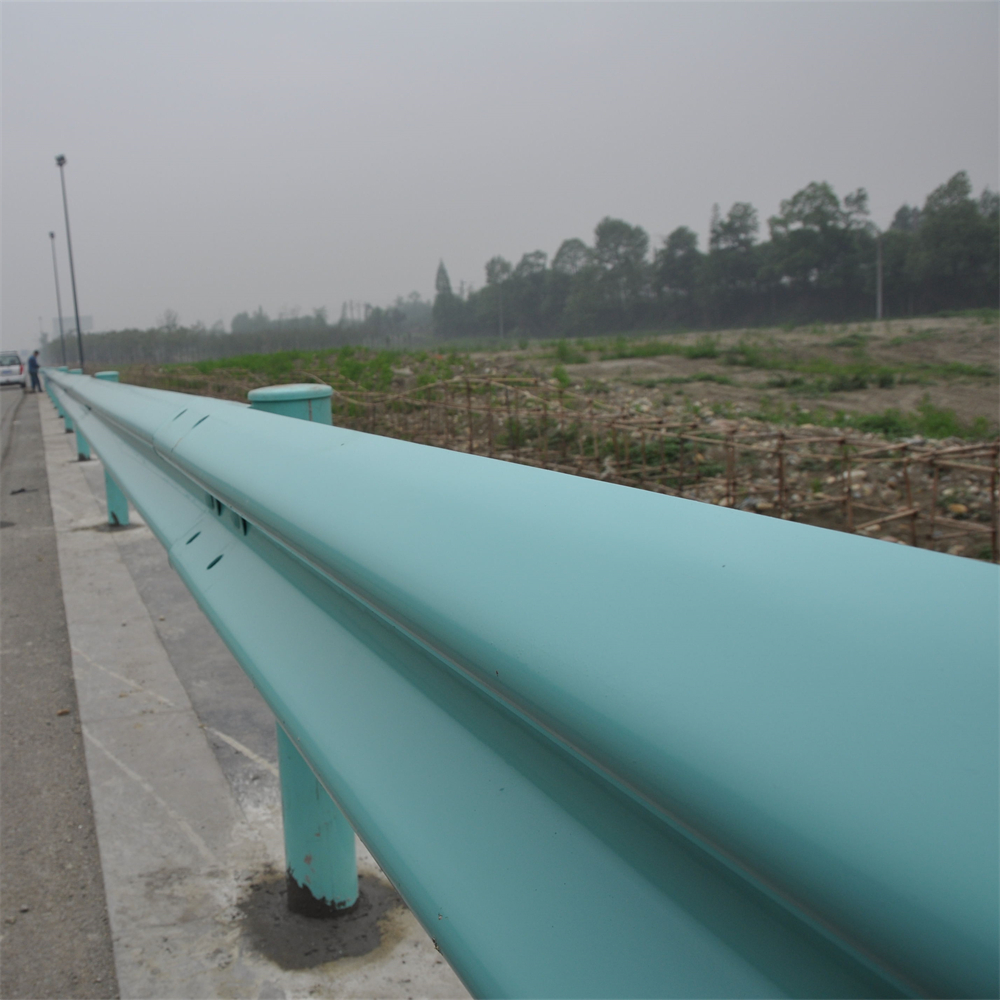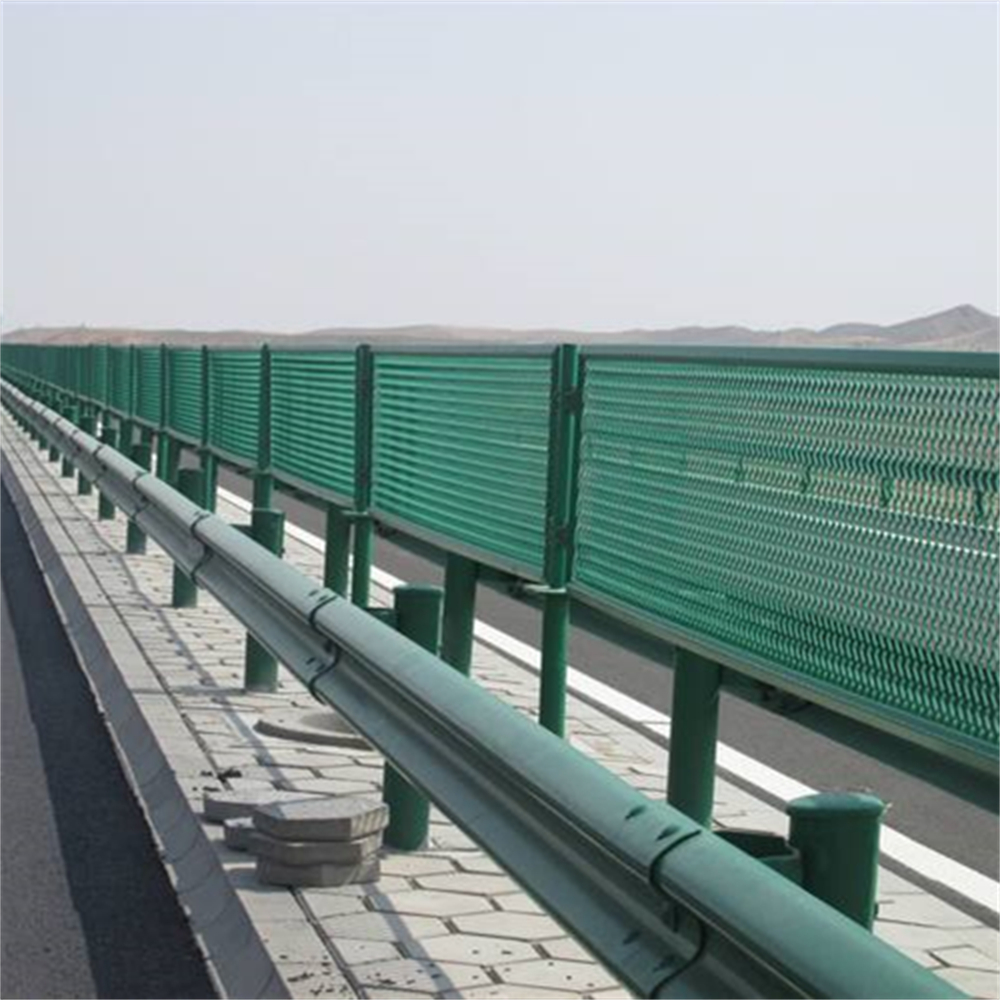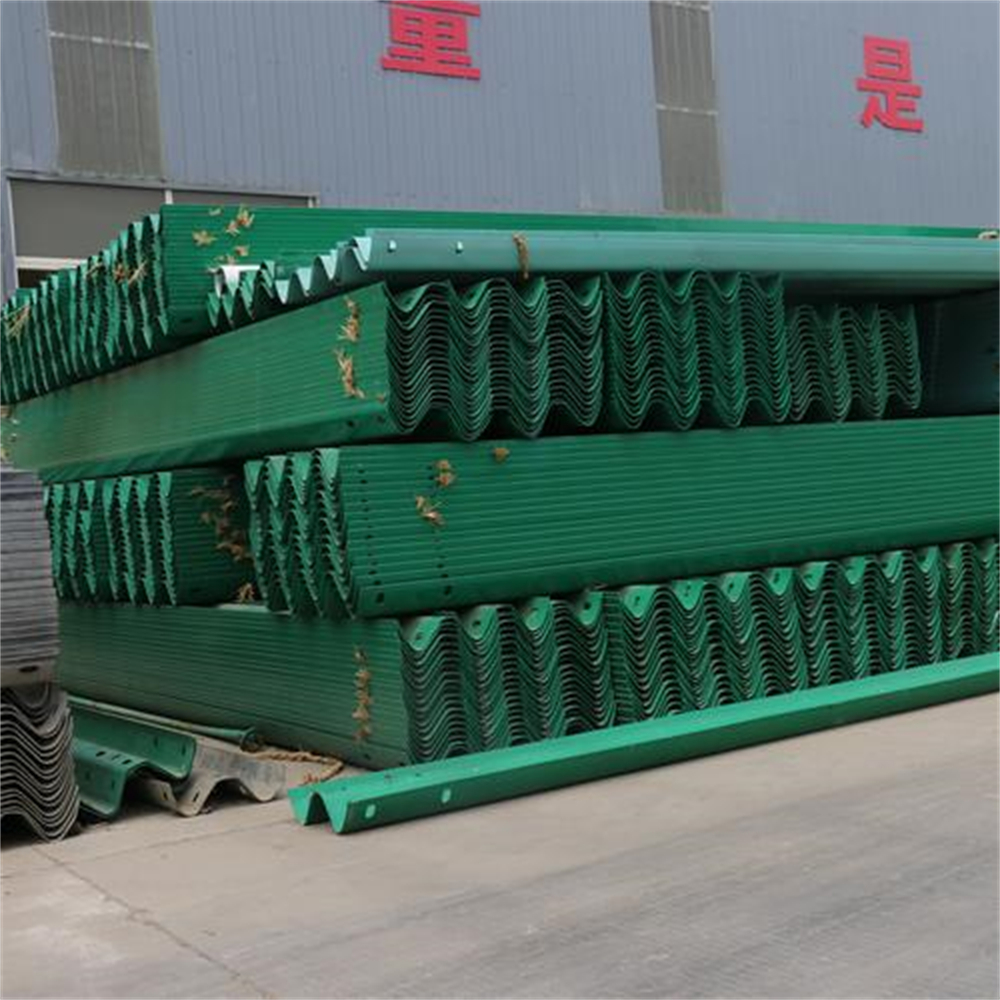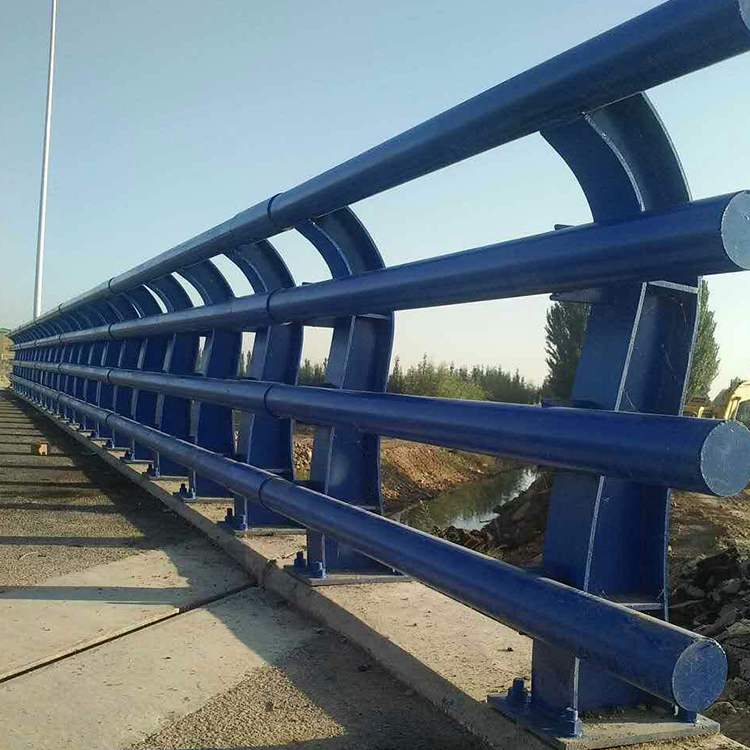


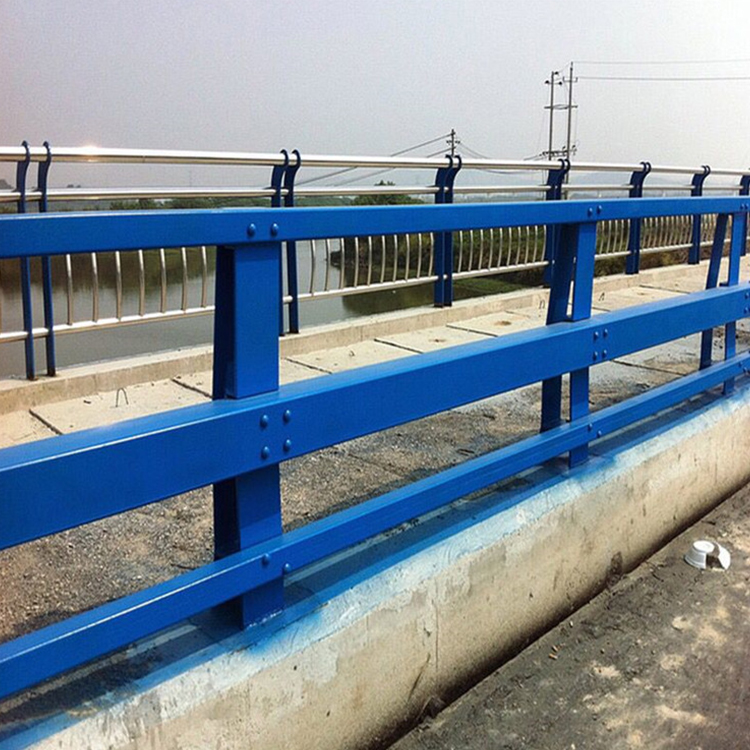
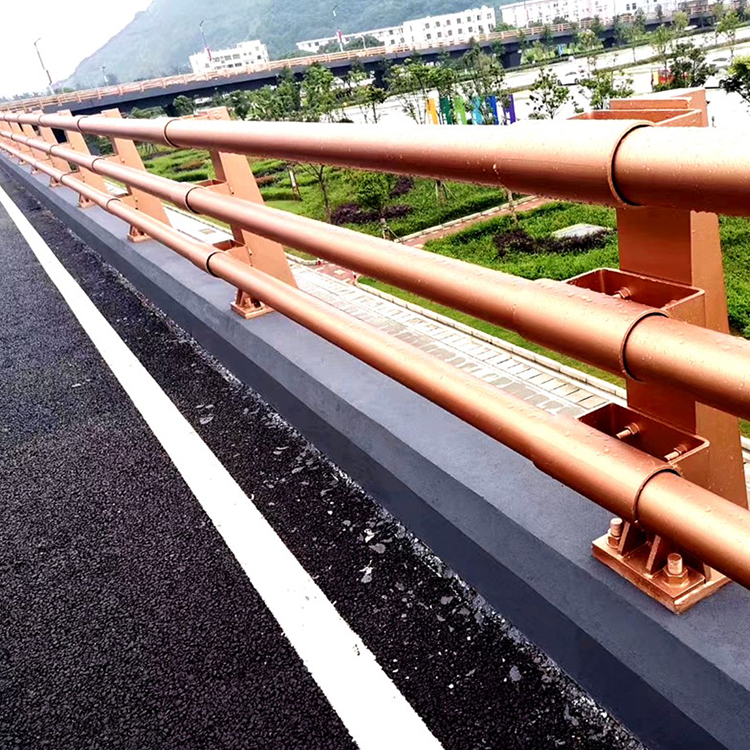








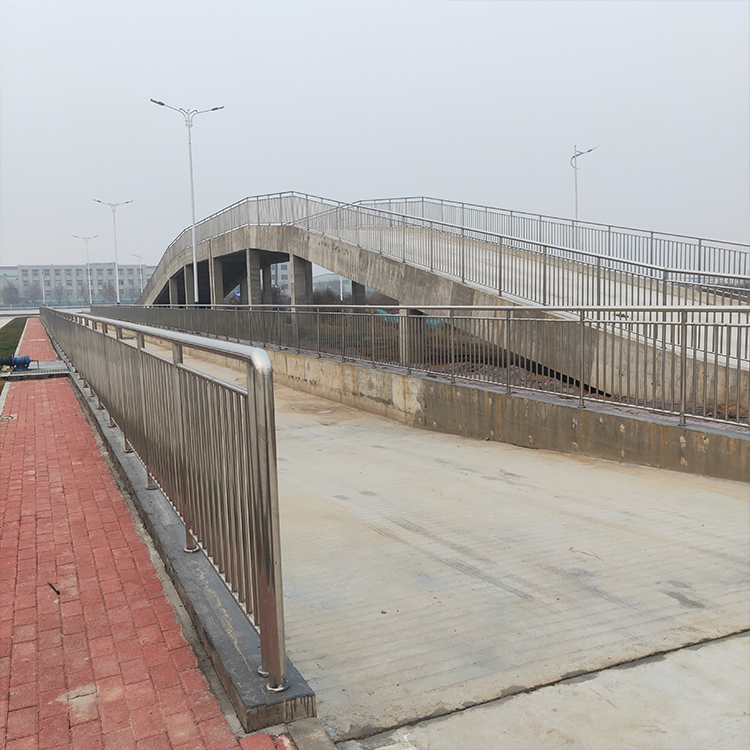
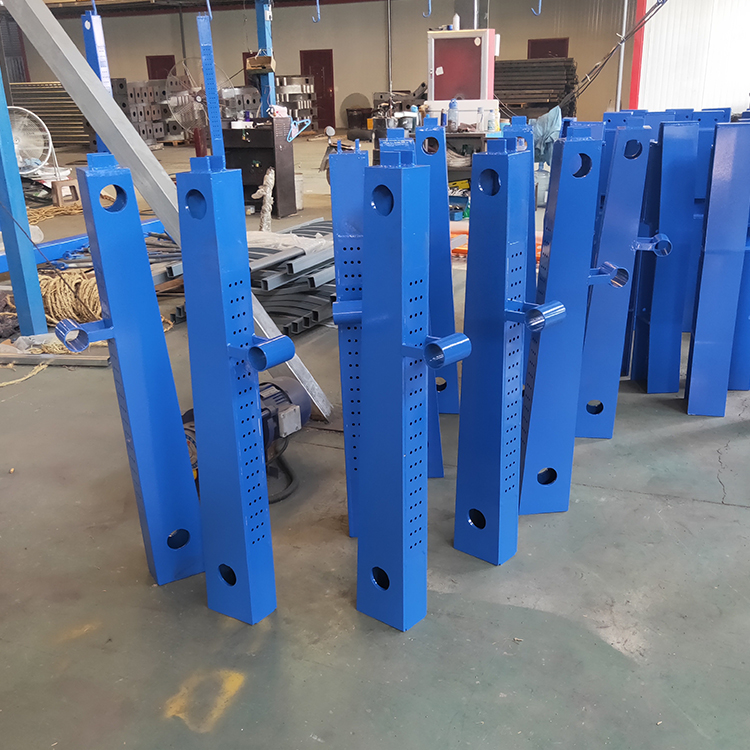

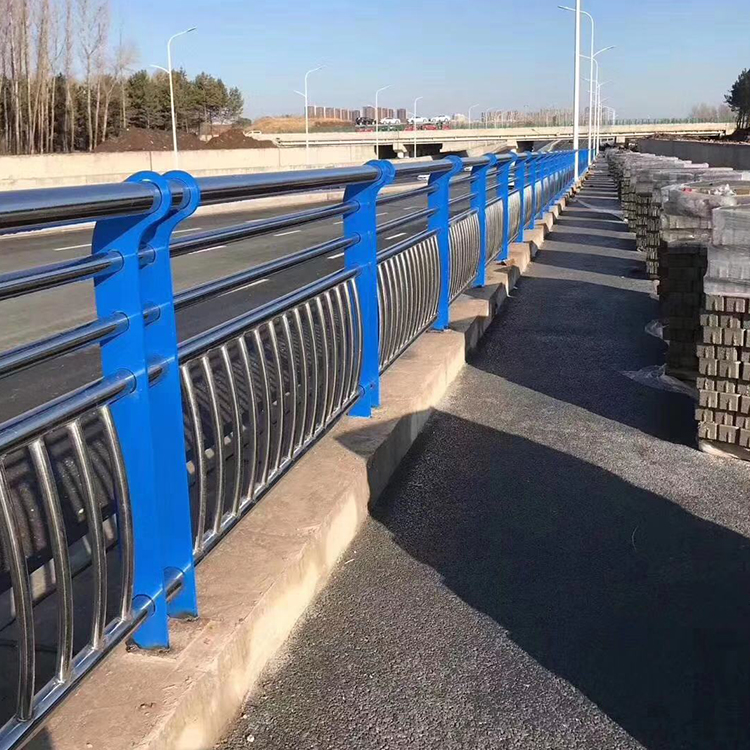

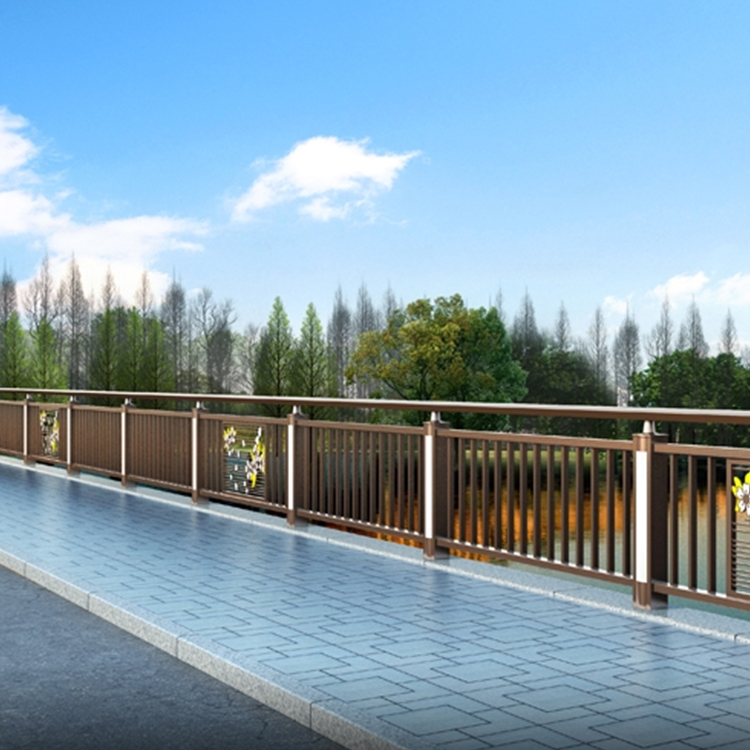
Collision guards are made of steel plates or rear wall tubes as pillars, featuring both aesthetics and mechanical properties, providing significant safety protection. Generally, Q235 steel is used, but if the project location experiences cold weather, Q245D steel is recommended for better cold resistance. It is suggested to apply rust removal and powder coating to the surface. The beam should not exceed 6 meters per piece. It's better to avoid the pillars by 0.75 meters when connecting. Use sleeves and bolts for the connection; a 300mm sleeve is sufficient. At the expansion joint, use a 0.8-meter sleeve. Leave about 2 centimeters for the connection joint of the beam to reduce the force of direct impact and provide cushioning and protective functions.
Collision barriers are protective barriers installed in the median of highways to prevent pedestrians and vehicles from arbitrarily crossing the road in violation of traffic rules, providing safety guarantees for pedestrian and vehicle travel.
Features of collision guardrails:
1. The collision barrier features anti-corrosion, anti-aging, sun-resistant, weather-resistant, aesthetic, and practical properties.
2. Collison guardrails are easy to install and suitable for various stainless steel bridge collision structures and road applications.
3. Corrosion Protection: Available in electroplating, hot-dipping, spray painting, and immersion painting, etc.
4. Collision barriers are primarily used in area separators, engineering separation zones for stainless steel bridge collision prevention, and garden fences. They are designed for collision prevention construction in parks, lawns, zoos, ponds, roads, and residential areas, as well as for protection and decoration in hotels, restaurants, supermarkets, and entertainment venues.